Showing posts with label Serbian Mythology. Show all posts

Sunday, 27 July 2025

Thunder book

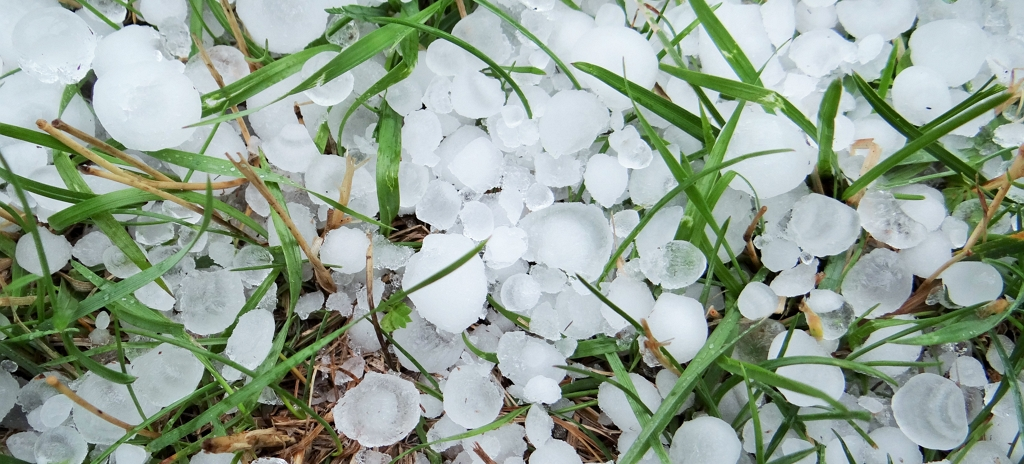
In the Annals from 1605, the Dubrovnik writer Jakov Lukarević says that Serbian kings Stefan Nemanja and Dušan "persecuted witches", whom he calls "evil women from Mount Hemo", and burned their book of magic, which was in Slavic tongue called Grominjak (Thunder book)...

That book probably had spells and rituals for affecting meteorological phenomena. St. Sava, in the "Zakonopravilo", condemns the magical summoning of hail, although he himself summons hail, in the story about the Hungarian king.

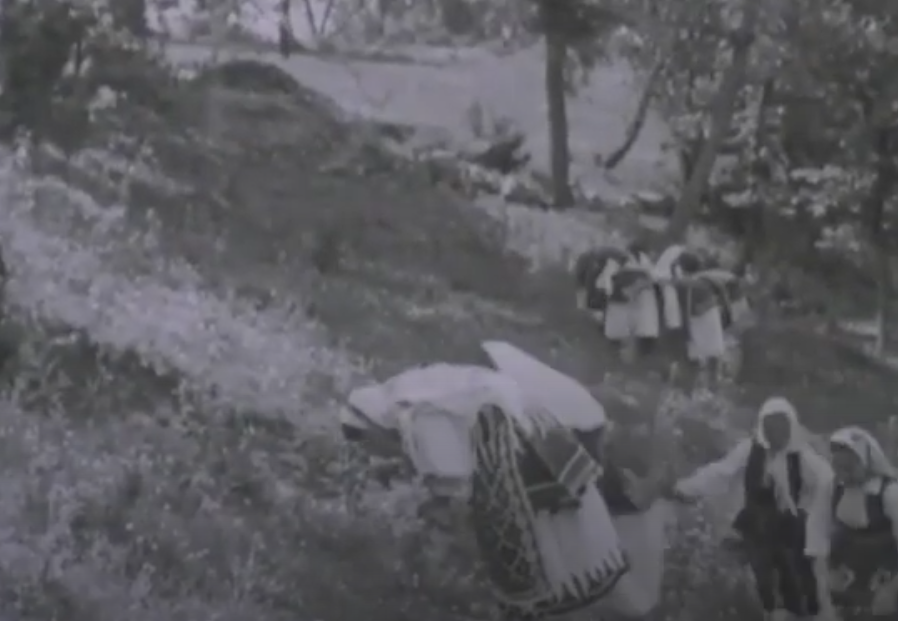
St Sava from Serbian folktales basically replaced Dabog, the old Serbian supreme god and took all his magical powers, including weather control...I talk about Dabog as both sun and rain god in two article "The last megalithic ritual in Europe" and "Weather stones" about the use of "weather stones" by Slavs to manipulate weather. Like here, where women raise Dabog's stone during drought to get cool and wet weather...


Another interesting bit here is that it is women who were always associated with rain (hail) storm rituals. 

Did you know that the sudden climate change which resulted in the medieval mini ice age was blamed on the weather controlling witches and was the excuse for the subsequent witch-hunt. I talked about this in my article "De Lamiis et Pythonicis Mulieribus" about the 1489 book "De Lamiis et Pythonicis Mulieribus" by Ulrich Molitor which talks about weather altering magic (witchcraft) performed by women...

This is an illustration from the book depicting "two witches conjuring up a destructive (hail) storm"...


In South Slavic folklore, cold, wet weather is "feminine"...Yin...

Which is why, in South Slavic folklore, it is a female dragon, ala, that brings hailstorms and unseasonably cold, wet weather during summer months, which destroys crops...I talked about this in my article "Pozoj"...

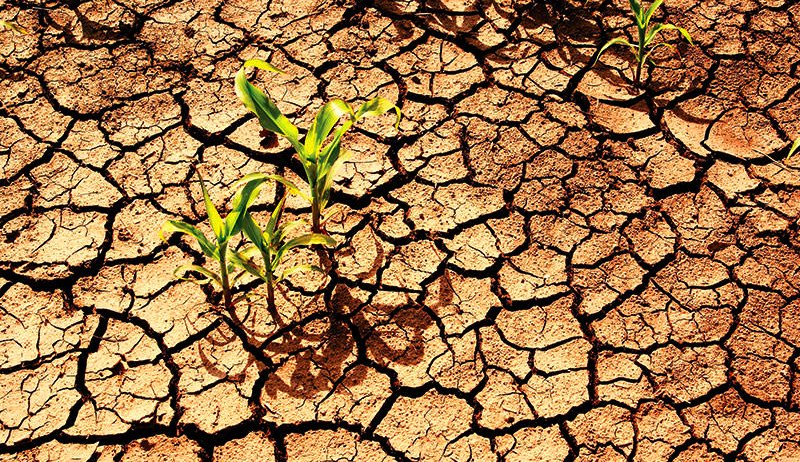
While male dragon, zmaj, brings hot, dry weather which brings drought, which destroys crops...Yang...I talked about this in my articles "Scaring off the dragon" and "Letnitsa treasure"...


Monday, 3 February 2025

Mother of grain from Otok

In Otok near Senj, Croatia, a very interesting ritual was performed at the end of the harvest until mid 20th century 

The last sheaf of wheat harvested from a field was stood upright. All male harvesters would then stick their sickles into it. They would then  all kneel around the sheaf and pray to the "lady" thanking her for the harvest 

Then the oldest woman would put her hand all the way through the sheaf and would grab a handful of soil from under it. This soil was then tied into a handkerchief and later used as a cure for uterus problems. It was diluted in water given to the sick woman to drink 

Clearly a thanks giving ritual performed for Mother Earth, otherwise known as The Lady. In South Slavic folklore (mother) earth fertility and (mother) female fertility was always linked and was believed to influence each other 

This same Lady, was represented by the Corn dollies which were made from the last sheaf. They were preserved in homes during the winter, and the seads from the corn dollies were the first sawn next spring. 

It was believed that this last sheaf contained the "corn spirit" the fertile power of Mother Earth...Which farmers depended on for their survival.

Source: "Ivo T. Franić, JUGOSLOVJENSKA ŽETVA, Običaji i obredi s uporedbama"


You can read more about Slavic beliefs and rituals related to grain in my posts "Wheat cross", "Diduch", "Walking sheafs of wheat", "Cock bashing", "The old woman of the milldust", "Wheat wreath", "Sowing", "Can you see me", "Babji mlin", "Bogovo gumno"...

This is just a continuation of the ancient "Mother of grain" cult which originated in the Fertile Crescent in early Neolithic...

Articles about the Mother of grain in Neolithic Europe, Central Asia, Mesopotamia, Iran, Levant: "Mother of grain" "Altyn Tepe mother of grain", "A person in little boat", "Sabi Abyad venus", "Hathor grain pendant"...

Sunday, 2 February 2025

Dewy head

"Greetings to the hair of your head, spun like silk,

and to your head with its curly locks,

O George, star brighter than (other) stars!

May the ointment of his dewy head refresh me every morning,

like the rain of grace a thirsty field!"

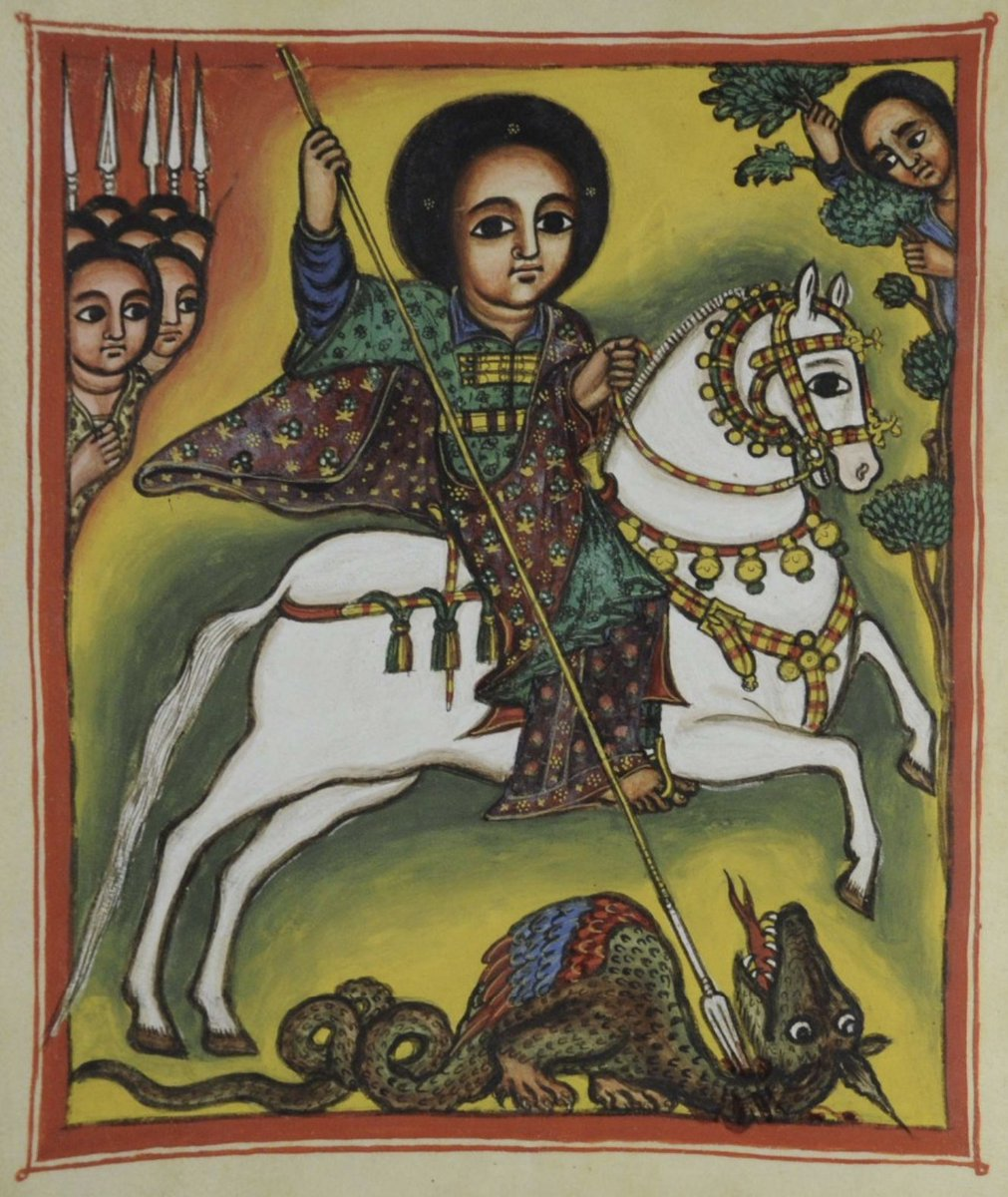
This is one stanza of the liturgical poem መልክአ፡ ጊዮርጊስ፡, "The Image of George". This genre of poems praises the body parts of a saint from the head and down to the feet...


Ethiopia, 18th c.

I want to thank @ArtEthiopic for all his hard work promoting amazing Ethiopian religious art...

And I want to add few comments that might explain the last two verses:

"May the ointment of his dewy head refresh me every morning, like the rain of grace a thirsty field..."

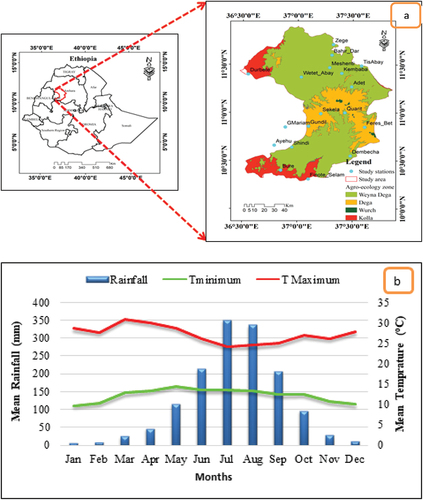
Rains arrive to Ethiopia in Mar/Apr...Right on time for St Georges day...Full blown monsoon starts in Jun...You can read about Ethiopian climate here...

Interestingly, in Serbian Orthodox calendar, the beginning and the end of the "Time of Dragons", the hot sunny half of the year, is marked (guarded) by Two Georges, Summer and Winter St George('s day)...In Ethiopia, the climate is the opposite to the one in Serbia...I wrote about this in my post "Two Georges"...


Speaking of dew, this also might be of interest:

Irish riddle

Q: I wash my face in water that has never rained nor run, and dry it in a towel that was never wove on spun   
A: A face washed in Mayday dew and dried in the open air.  

The same tradition is in the Balkans linked to St George's day, Jurjevo. 

On the morning of St George's day, girls would go to fields to wash their faces in dew, so that they are beautiful all year round. Recorded in Skopska Crna Gora region of Macedonia.


This ritual was widespread among Serbs too, where dew bathing was done on the so called "herb Friday", the last Friday before St George's day, when medicinal herbs were also collected because people believed that they were the most potent on that day. This would explain why washing your face with the morning dew collected from these the plants on that morning was also the most beneficial...I talked about this in my posts "Morning dew" and "Jani", "Parilia"...


Many other traditions which are in Celtic parts of Europe linked to Beltane, 1st of May, are in the Balkans linked to St George's day, indicating that these two calendar markers are one and the same...

Monday, 5 February 2024

Care of the dead

Two Assyrian soldiers forcing Elamite captive to grind bones of his family, 7th - 6th c. BC. This wasn't like most people think an act of random cruelty...Making someone destroy the bones of their ancestors was a deliberate forced act of sacrilege...


Assyrian culture, like all the other Mesopotamian cultures, was built around the cult of the dead. Assyrians, often buried their dead under house floors. They also practiced "kispu", regular, ritual feeding and watering of the deceased after their burial...

Based on this, in the "Death as a Stage for Performing Identity in the Assyrian Empire" Petra M. Creamer concludes that "Socially, this indicates deep linkages to familial practices and ancestral memory".

So, it is precisely because Assyrians respected their dead ancestors so much, that I am sure that them forcing their Elamite captives to destroy the bones of their own ancestors was a lot more than just ordinary act of cruelty...

We actually know why they did this. There is a  King Ashurbanipal’s inscription in which he says that he exposed the grave of the Elamite kings and deprived them of sacrificial food and drink offerings...

Destroying the bones of the enemy ancestors was done for the same reason: To prevent the Elamites from sacrificing food and drink to their dead.

But why was sacrificing food and drink to the dead so important to the Mesopotamians and their Iranian neighbours?

And we know that it was very important, because we have written records, from the 3rd millennium BC onwards about "kispu" (the care of the dead), which involved regular "feeding and watering" of the dead though food and water sacrifices...

The other day, I came across a paper entitled "Peace for the Dead, or kispu(m) Again" by Akio Tsukimoto, in which he talks about mentions of this practice in Sumerian, Old Babylonian and Kassite records...

In it we can read that the dead were served with food (grain) and drink (water) offerings not only during their funeral ceremonies, but also regularly thereafter, at least once a month, and in some cases possibly even every day...

There were also two festival dedicated to the dead ancestors with big feasts in which the living ate and drank with the dead. I will talk about these in my next thread.

Importantly, the dead were kept fed and watered because otherwise they would get angry...

Neither Petra M. Creamer nor Akio Tsukimoto explain why feeding and watering the dead was soo important to the Mesopotamians and kind of punishment by the angry dead were they afraid of. But I did, in my post "The house of bones".

In it I talked about the mystery of the missing bones of the Hittite royals. And I proposed that the bones were taken by the Hittites with them, when they abandoned their capital Hattusa, because they wanted to be able to continue to sacrifice food and drink to the dead...

Just like the Chaldean king Meredach, who, when he fled from Babylon to Elam, in front of the advancing forces of Sargon, "took with him all the gods of the land and all the bones of his ancestors from their graves"...

And I explained that the Hittites, just like their Mesopotamian and Elamite contemporaries, remembered their dead and sacrificed food and water to them regularly, because forgotten, hungry and thirsty dead ancestors will take revenge on their living descendants...

And one of the ways they would do that is by causing droughts, storms, floods and other natural disasters that would cause grain crops to fail, and would result in famine and the death of the living...

Eeeee where did you get this idea? From here: Serbs and other Balkan Slavs believed that if the dead were not given water, they would drink it from the clouds, and would cause drought. I talked about this in my article "Thirst", "White feast"...

Serbian belief system, according to ethnographers, was based on the cult of the dead. They regularly shared food and drink with their dead. And they even took the bones of their dead with them, when they were forced to move due to wars or famines. I talked about this in "The house of bones".

BTW, this belief in the world of the dead being a thirsty place seems to have been widespread in the past.

Ghandara culture graves, Pakistan, 1200-800BC...The drinking vessels were placed in graves with drink "for the other world"...I talked about this in my post "One for the road".


But how could Serbian/South Slavic folklore help us understand the Hittite culture?

Serbs, like all the other Balkan people, are descendants of pretty much everyone who ever lived in the Balkans...Which is why, I thought then, and still think, we can find so many interesting bits of many old lores in Serbian folklore...

Anyway, back to the Hittites. Remember this depressed dude? This is the statue of the Last Hittite king Suppiluliuma II. And he said: "...humiliation of the Hittite kingdom is the result of the fact that the Hittites have forgotten to respect the sacred bond with their dead..."

He then promises in the name of the Hittite kings and in the name of his subjects that they will do everything in their power to rebuild this sacred bond again...

But that was too little too late...The Hittite empire collapsed, their capital Hattusa was abandoned and Hittite royals disappeared from the face of the world...Together with the bones of their ancestors...

It turns out, that I was right about the reason for the Hittite empire collapse. According to this recent article from Nature, "Severe multi-year drought [my comment: caused by the angry ancestors] coincided with Hittite collapse around 1198–1196 BC"...


BTW, this is not the only thing found in Serbian/Slavic folklore that I used to unlock the secrets of much older, seemingly unrelated cultures. I discovered the key for unlocking the secrets of ancient animal calendar markers among the Serbian/Slavic snake and goat folklore...

If it wasn't for that, we would still be looking at all these animals depicted on all these ancient artefacts, and talked about in all these ancient myths, legends, folk stories, without having a clue what they mean...

Anyway, I might one day give you the chronology of the discovery of each animal calendar marker and what helped me figure it out. If anyone cares...

I will stop here. This is just an intro into much more important thread about the Sumerian "Zadušnice" festivals of the dead 🙂


Sunday, 28 January 2024

The beard of Osiris

Figurine of a bearded man by the Naqada I culture, 3800–3500 BC, from Upper Egypt. Pic by Rama.

Today I came across this article "Heliopolis and the Solar Cult in the Third Millennium BC"

In it I read about the "Souls of Heliopolis", "Souls of Hierakonpolis" and Pharaohs as great prophets, great seers, who received their sacred knowledge and legitimacy from their ancestors...all the way to the procreator god..."

And this got me thinking: Was ancestral worship at the core of the early Ancient Egyptian religion? Is this why Pharaohs wore false beards?

Apparently, Pharaohs (divine rulers) wore false beards to signify their status as a living gods. 

And not any god. Osiris. In ancient Egypt, Osiris was considered as being the perfect example for pharaohs...

Thus, in order to get closer to and bond with the perfect pharaoh Osiris, his pharaonic successors wore a false beard to imitate his appearance. But Osiris didn't actually have a real beard himself...

Osiris, wore a false beard in his role as ruler of underworld while he judged the dead. Apparently, he wore the false beard "as a symbol of his great wisdom"...

Why would a beard be a symbol of great wisdom? Cause beard is a symbol of an elder, an ancestor...Someone of a great age with great experience and hence knowledge, wisdom...

The older you were, the wiser you became...And longer your beard grew...

And then you died and went to the underworld. So the underworld was full of dead ancestors with long beards...

So Osiris wearing a false beard while judging the dead, was symbolically proclaiming the judgement of the ancestors...Cause it was really the ancestors who judged their descendants...And gave them what they deserved...

Remember this?

"...humiliation of the Hittite kingdom is the result of the fact that the Hittites have forgotten to respect the sacred bond with their dead..." - Last Hittite king Suppiluliuma II.  I talked about this in my post "House of bones"...

Statue of Suppiluliuma II, Hatay Archeology Museum, with a pretty depressed looking expression on his face...

In the above post, I proposed that what caused the demise of the Hittites was a severe multiyear drought, and that to understand why Suppiluliuma II talked about the dead, we need to look at the beliefs of Serbs and other Balkan Slavs. In the Balkans people believed that if the dead were not given water, they would drink it from the clouds, and would cause drought. You can read more about the eternal thirst of the dead in my post "Thirst"

Romans linked rain, and agriculture, with the will of the dead too...You can read more about this in my post "Lapis Manalis" about the Roman agricultural rituals which link the (thirsty) dead living under (holy) stones, rain and agricultural fertility...

It turns out, that I was right. According to this recent article from Nature, "Severe multi-year drought coincided with Hittite collapse around 1198–1196 BC"...

In Egypt, agriculture depended not on rain, but on the annual Nile flood. And who was the god directly linked to the annual Nile flood that created the black (fertile) soil? Osiris. 

Osiris with wheat growing from his body. From the coffin of Nespawershepi.

I talked about the link between annual Nile flood, fertile black soil and Osiris in my post "Holy carp"...

Osiris the Perfect Pharaoh. He who made the land fertile and who liked to wear a false beard, pretending to be symbolic ancestor...Did Ancient Egyptians also have in their religion the link between the dead and water and fertility? I think so...

Osiris, who was thus emulated by the Pharaohs who wore a false beard to pretend to be Osiris (who wore a false beard to pretend to be an ancestor 🙂)...

What was the most important role of a Pharaoh? To feed his people of course...

BTW, this is Diduch (Grandfather, Ancestor), depicted as a sheaf of grain, to symbolically show the link between the dead and the grain fertility...I talked about this in my post "Diduch"

This was fun 🙂 What do you think?

I want to thank my friend @another_barbara for this great insightful comment:

I've been thinking about the things you posted since last night. People "planted" their dead in the soil that fed them, scatter their ashes into life giving rivers or seas that provided for them...

Saturday, 4 March 2023

Parilia

Happy Parilia (or Palilia) - This Roman festival, held on 21st April, cleansed shepherds & sheep, honouring the god of shepherds & sheep, Pales. A bonfire was built, with the shepherd and sheep jumping through the flames to be cleansed. The painting by Joseph-Benoît Suvée reimagines the festival

I find it interesting that the Romans didn't know who or what Pales was...But, considering that Ovid says that Parilia predates the founding of Rome, Pales and related rituals are of Pre Roman and most likely of Non Roman origin...

I don't know who or what Pales was either. But I would like here to add few bits of information that might help someone, some day, solve this mystery 🙂 First let's have a look at the Parilia ceremony:

"...After the sheep pen had been decorated with green branches and a wreath draped on the gate, the remainder of the ceremony took place in this sequence..."

"...At the first sign of daylight, the shepherd would purify the sheep: by sweeping the pen and then constructing a bonfire...the shepherd would jump through this flame, dragging his sheep along with him...Offerings of bread and milk were then presented to Pales..."

"...After these offerings, the shepherd would wet his hands with dew, face the east, and repeat a prayer four times...requesting Pales’s protection of the shepherd and the flock..."

"...The final portion of the rural festival made use of the beverage burranica, a combination of milk and sapa (boiled wine). After consumption of this beverage, the shepherd would leap through the fire three times, bringing an end to the ceremony..."

So...21st of April is very close to the 1st of May...Which was in some parts of the world known as Beltane (Bealtaine)...The day that marked the beginning of the Celtic summer (May-Oct), half of the year dominated by the sun...


On Beltane, in Scotland, they purified the sheep and cattle by walking them between two fires derived from single ritually kindled fire...I talked about this in my post "Beltane purification ceremony"...

And they did the same thing in Ireland on the same day...I talked about this in my post "The City"...

21st of April is very close to the 23rd of April, St George's day...And in the past in the Balkans, at the dawn of the St George's day, two fires were lit between which people and domestic animals (sheep and cattle) walked "for protection from diseases and snakes"...

St George being Christianised old Slavic sun god Jarilo (The Brightly Burning one), and snake being the solar animal which follows sun everywhere, it is obvious why people performed snake protection rituals on the day of the sun...

But there is something really interesting about when we celebrate St George and St Michael...The dragon killers...They mark the beginning and the end of the "Old Summer", the domain of the sun, the domain of the dragon...I talked about that in my post "Dragon always gets killed"...


BTW, in the old Serbian calendar, solar year is also divided into summer and autumn...Where summer starts with summer St Georges day, and winter starts with Winter St Georges day...

Summer George icon. 

Winter George icon.

So the fire purification on the day (around) the beginning of the summer...The season ruled by the Jarilo, the "Brightly Burning One"...The one who "pali" (lights up fires)...

It is interesting that in the past, in the Balkans, on the morning of St George's day kids were woken up by being swished with nettles, "to be healthy"...

Nettle sting feels like burning, and the expression in Serbian for being stung by nettles is "ožariti se" (to be burned)...

In the past, in Skopska Crna Gora region of Macedonia, women swept their houses with nettles early in the morning on St George's day, "to sweep all bad things out of the house, because everything runs away from nettles"...From: Ѓурѓовденски обичаи (1956) which sadly isn't available on Youtube any more...

There is an expression in Serbian "on žari i pali" which means "he burns and lights up fires"...Jarilo, Žarilo, Palilo...The Burning Sun of summer...

Shepherd kids making flower wreaths in the spring, most likely for Djurdjevdan (St George's day)...


From the description of the Parilia ritual:

"...After the sheep pen had been decorated with green branches and a wreath draped on the gate..."

In Serbia, on the St George's day people put wild flower and medicinal herbs wreaths on house gates for good luck and health...

I talked about St George (Jarilo) as the sheep and shepherds god in my posts "April" and "Aries must die"...

From the description of the Parilia ritual: "...Offerings of bread and milk were then presented to Pales..."

St George's day rituals involving bread and milk from Serbia: 

This is "kravaj" (pronounced kravay), a ritual bread made in Serbia. It was in the past used during "premlaz", the ritual first milking of the year which is always done the day before St George's day and which marks the beginning of the milking season...I talked about this in my post "Aries must die"...

From the description of the Parilia ritual: "...After these offerings, the shepherd would wet his hands with dew, face the east...pray..."

Just in case you wondered who the shepherd was praying to facing east at dawn...The sun...god..who "pali" (burns)...

Oh, and why would he "wet his hands with dew" before praying?

Well in places where people believed in purification by fire at the beginning of summer, they also believed in purification by dew at the beginning of summer...

This is one custom that I only read about before. On the morning of St George's day, girls would go to fields to wash their faces in dew, so that they are beautiful all year round. Recorded in Skopska Crna Gora region of Macedonia. From: Ѓурѓовденски обичаи (1956) which sadly isn't available on Youtube any more...


But this ritual was widespread among Serbs too, where dew bathing was done on the so called "herb Friday", the last Friday before St George's day. And the Irish did it too, on Beltane morning...Just another indication what St George's day is...I talked about this in my post "Morning dew"...

Interestingly, the same ritual is performed in Latvia on Jāņi day (summer solstice). Girls wash their faces with the morning dew, so their face will always be white and beautiful"...Great example how ritual dates change because of climate...I talked about this in my post "Jani"...

And that's it from me for today...After all this, I still don't know who Pales was...But I could guess...🙂 Especially after I recently found out that one of the names of the Mesopotamian god of death, Nergal, the personification of the destructive, burning sun of the late summer, was "Palil"...I talked about this in my post "Palil"...

To read more about ancient animal and plant calendar markers, start here…then check the rest of the blog posts related to animal calendar markers I still didn't add to this page, and finally check my twitter threads I still didn't convert to blog post...I am 9 months behind now...

Wednesday, 9 November 2022

Treskavec

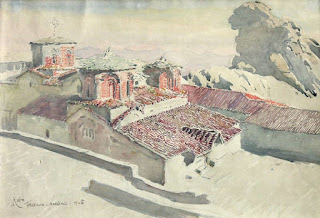
Treskavec Monastery. Beautiful 1925 watercolour by Czech painter Ludvik Kuba 1863-1956...A very interesting monastery indeed...Here is why:


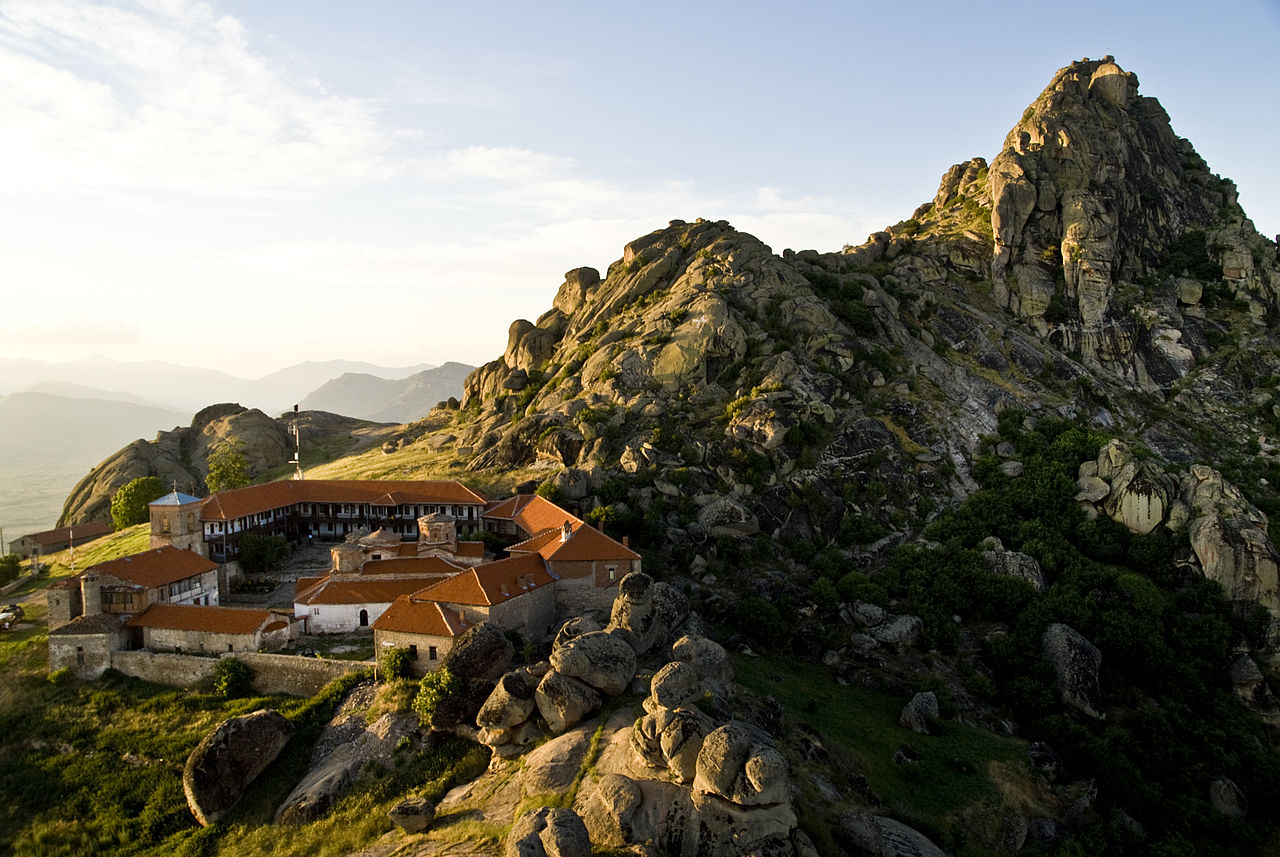
Treskavec (The Holy Mother of God) Monastery, sits right below the 1270m high Zlatovrv (Golden peak) of the Babuna Mountain, which is located 6.5 km north of Prilep, Macedonia...Pic taken by Geoff Wong in 2009...

The word "babuna" means "a woman with an evil look in her eyes" 🙂. But the word is also a feminine form of the word "babun" which in Medieval Church Slavonic meant "heretic".

So female heretic = a woman with an evil look in her eyes 🙂

Interestingly, the word "Babuna" is derived from the word Baba which means Grandmother, but which once meant any woman who had a child or who delivered a child (Mother, Grandmother, Midwife)...

Here we come to Dajbaba (the earth mother), the wife of Dajbog (the sky father)...Milan Budimir talked about her in his paper "Trikleti babuni i babice patarenske" (Serbocroatian) and directly linked her to Baba and Babuna...And Kybele (Kubaba)...

Now, the word baba used to have one more interesting meaning in South Slavic languages: stone, rock, mountain...And hence Mother Earth...There are mountains and mountain tops with the names whose root is Baba all over the Balkans. Like this one, Babin zub (Baba's tooth) from Serbia...

I wrote about them in my post "Baba, mountains and crags"..

And there is folklore related to Baba = Mother Earth all over Balkans too...I talked about it in my post "Living stone"...

In Slovenia in the past, a peace of stone that was cut from the wall of a quarry, had "to calm down", because it had been torn off the "mother's body" and was perceived as still alive for a certain time...

And so...Treskavec Monastery is located on Mountain Babuna, whose name was once probably Baba (Goddess) and was turned to Babuna (An evil woman, Pagan woman? Pagan goddess?) most likely by Christians, when the area around (the holy mountain) was Christianised...

Interestingly, the local population preserved the memory of the Christianisation of the area in a folk song recorded in the 19th century. You can find it in the article "Sakralna topografija manastira Treskavca" (Serbocroatian). 

The interesting bit is:

...

Angels and saints all came 

They all came to Zlatovrv (Golden Peak) Mountain,

They all came to expel the pagans,

From the temple which they built there,

And to turn the temple into a monastery,

For the Holy Mother of God to sit in

...

This confirms that this was (Baba ???) holy mountain which was converted to a holy mountain of Mary...This conversion of holy places dedicated to Baba (Mother Earth) into holy places dedicated to Mary can be seen all over the Balkans...

Now, the word used in the original text for pagans was "Elimi" which is a local bastardisation of "Elini" which means Greeks, but also Giants and Pagans...People basically attributed all the ancient sites which they didn't know who built, to these guys...

You can read about it in "Zbornik za narodni život i običaje južnih Slavena" (Serbocroatian)

Most of the Treskavec monastery architecture visible today is dated from the end of the 12th and the beginning of the 13th century. It was extended in the 14th century by Stephen Uroš II Milutin of Serbia and Stephen Uroš IV Dušan of Serbia...

But, archaeological excavations on the site uncovered that the 12th century church was built on top of the 5th century Early Christian basilica, which was built on top of temples dedicated to Apollo and Artemis...

Interesting...Considering that the Apollo's temple was built under the peak named Zlatovrv (Golden peak), which apparently "sometimes shines like gold at sunrise"...

And considering that the local (Slavic) population, have until the 19th century, preserved (orally) the legend about the existence of the "Elin" Solar temple under the Golden Peak, which was obviously built before the 5th century, when it was converted to Christian Basilica...

And so there you have it...An interesting story about Treskavec monastery...Hope you enjoyed it...

PS: Speaking about "women with evil look in their eyes", you might like this

There are two Serbian words that mean skilful, adept: Vičan (vitchan) & Vešt (vesht). Vešt is the root of the Serbian word for #witch: Veštica (skilful woman). Is it possible that Vičan could be the root of witch (skilful woman)?"

You can read about this in my posts "The Skilful one" and "Wrach"...