Showing posts with label Sumerian mythology. Show all posts

Thursday, 24 April 2025

Pretas

In Buddhism, Pretas, the "Hungry ghosts" are pitiable creatures with huge, empty stomachs which suffer constant hunger...

Buddhists believe that beings are reborn as hungry ghosts because of their greed, envy, addiction, obsession, and compulsion and jealousy...

And yet, in the summer there are hungry ghost festivals throughout Asia that feature food and entertainment for the hungry ghosts...

The origin of Buddhist "hungry ghosts" is in Hinduism, where originally Preta was understood as the ghost of any deceased individual. The Sanskrit word "preta" (प्रेत) literally means "departed, deceased, a dead person" derived from "pra-ita" meaning "gone forth, departed"...

Today, the dead are burned and the food is given to them "for a year, until they reincarnate"...But I wonder if this belief about the hungry dead originates from the time before Hindus started to be burn their dead and before Hindus started believing in reincarnation?

Here is why.  Today the Hindu families ritually feed the deceased "whose spirit is often symbolised by a clay mound somewhere in the house"...Why? Is this a remnant of the memory of the the time when the dead were buried under the mounds of clay (earth), under tumuli?

Is it possible that this belief and ritual came to India from the steppe with the Indo-Europeans? Who did bury their dead under the tumuli. And is it possible that these are actually remnants of the ancient Ancestor Cult?

The same ancestral cult featuring ever hungry and thirsty ancestors found among the Slavs for instance? I talked about this in many of my posts, like "Soul breads", "Dead man loaf" and , in which I talked about the breads made for the hungry dead...
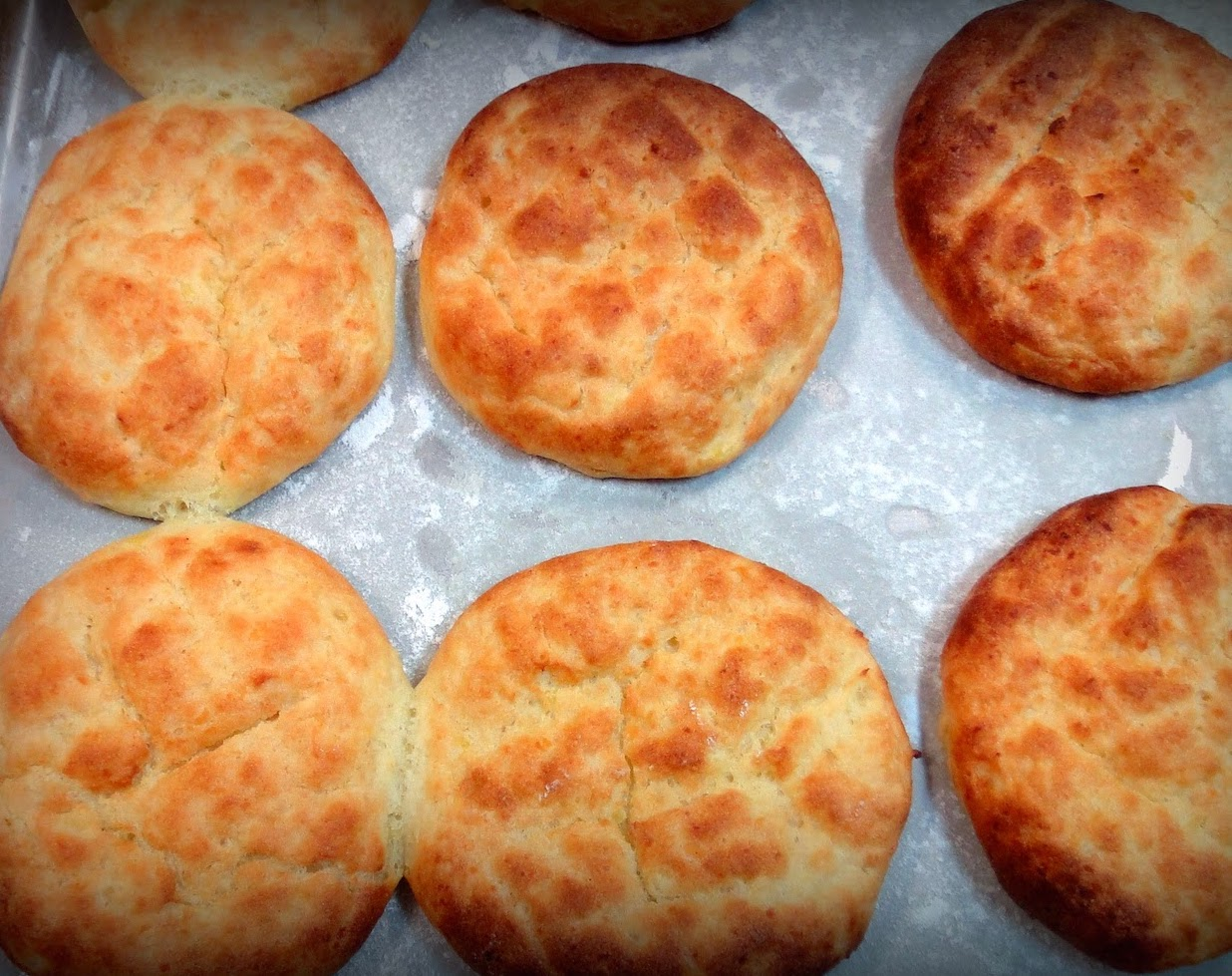
It is interesting that Hindus feed their "hungry dead" rice balls, "which are said to symbolise the body of the deceased"...Just like in the Slavic ancestor cult where ancestors are believed to be the source of grain. 

I talked about this in my post "Diduch", about Diduch (grandfather), symbolic representation of the the dead ancestors who govern the lives of the living... 

Romans too saw direct link between the dead and the grain. I talked about this in my article "Lapis Manalis", about the sacred water stone which covered the entrance into the underworld/grain storage pit...

BTW, while I was looking for a suitable illustration for "lapis manalis" (we don't know what it actually looked like), the sacred stone used as part of a Roman "aquaelicium" (calling of the waters), rain making ceremony performed during droughts, I suddenly realised what cup and ring marks look like...

We find the same link between the dead, the god of the dead, Osiris and grain in Egyptian religion too. I talked about this in these articles where I talk about why Egyptians believed that grain grows from the body of Osiris...I talked about this in my post "The beard of Osiris" and "Braided beard"...
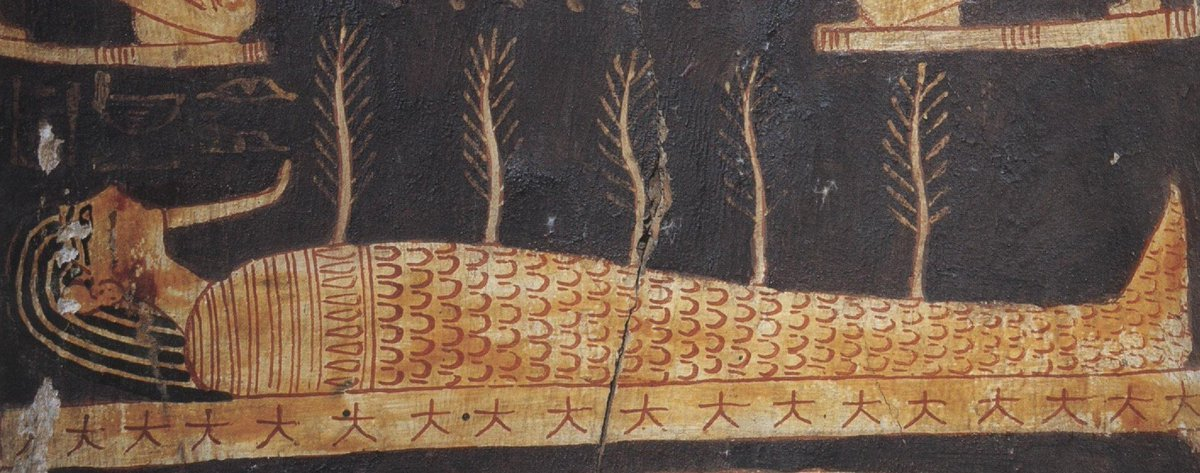

It is this life giving power of the dead, which Pluto (Hades), the giver of wealth, appropriated for himself. And this is why Hades and Persephone are depicted sitting on their throne in the land of the dead, with sheafs of wheat and flowers...I talked about this in my post "Pluto"...

In the Mesopotamian and Hittite ancestor cult, we also find hangry and thirsty ancestors who are also linked to rain and grain. Talked about this in my article "Care of the dead" about the care of the dead in Mesopotamia and Anatolia...

"...humiliation of the Hittite kingdom is the result of the fact that the Hittites have forgotten to respect the sacred bond with their dead..." - Last Hittite king Suppiluliuma II.

Statue of Suppiluliuma II, Hatay Archeology Museum

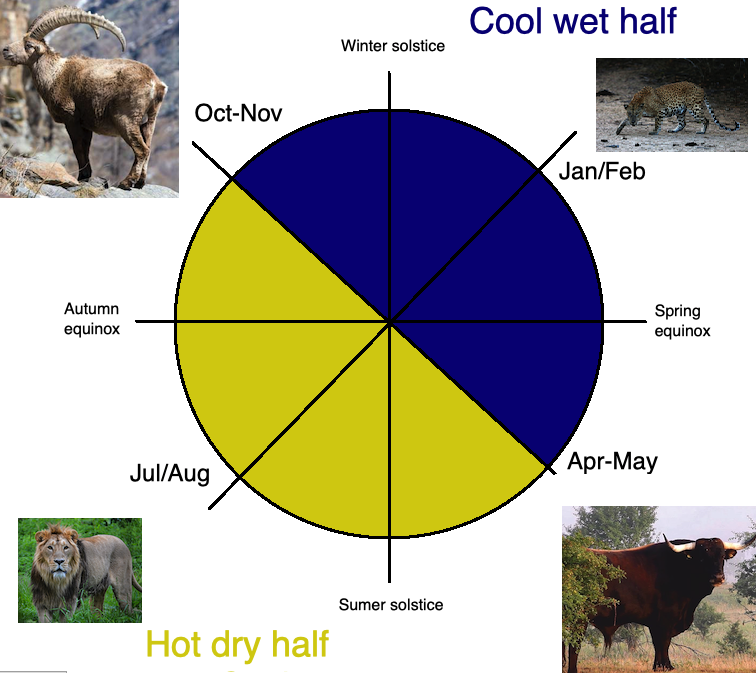
The last thing that I will say about the "hungry ghosts" is that in China the hungry ghost festival is held on the 15th day of the 7th lunar month which corresponds to Jul/Aug in Gregorian calendar...

During the festivals, people give food to the hungry ghosts and hope for blessings from their ancestors in return...This is the old contract between the dead and the living. The living feed the dead so that the dead will feed the living...The contract the Hittites broke...

The Chinese seventh lunar month, is actually known as the "Ghost Month" or "Hungry Ghost Month," and is believed to be a time of the year when the gates of the underworld open, allowing spirits to roam the earth...

Very interesting, considering that in Mesopotamia, July, or month of Ab, was dedicated to the dead and the dead god, Tammuz, who died and went to the underworld...You can read more about this here...

The rituals of this month, consisted in eating bread in the funeral feasts for the dead god of life, who now reposed in hell, and in carrying torches by night for the souls of the dead who during this month ascended from the underworld to the world of the living...

Interesting, right?


Saturday, 30 November 2024

Animals march three by three

Sumerian limestone bowl fragment with three ibex goats following a lion...3300-3100 BCE, Currently in the Detroit Institute of Arts...

What's all this about?

Well, I think, climate in Mesopotamia and annual lifecycle of the depicted animals...

I am so sorry only a fragment of this bowl has survived. But I could bet that the original bowl had 

3 ibex goats, following 3 lions, following 3 bulls, following 3 leopards...

Why?

Check this post out. It is about a copper bowl from the same period and the same area...And about the climatic year in Sumer and Elam, and local Sumerian/Elamite animal calendar markers for the four seasons...

A Sumerian or Elamite Copper Bowl. Early 3rd Millennium B.C.E., H. 9.2 cm., D. 16.2 cm.


To read more about ancient animal and plant calendar markers, start here…Then check my twitter threads I still didn't convert to blog post...I am way way behind...

Friday, 27 September 2024

Utu

 Utu, Sun: 𒀭𒌓

According to this table, this means god, heaven + day = sun...

But, did the god sign originally mean shiny thing (sun, star)? And did the day sign originally mean "eye"? 

Because if the did, then we would get: shiny thing + eye = to see = sun? 

Makes a lot of sense...At least to me...Cause I am a Slav...Cause Slavs have Svetovid...

svet (world)

svetlo (light)

vid (sight)

Svetovid (sun god) = world, light + to see = sun  

I talked about this in my post "Svetovid"...

Thanks to @selineith for the original sun pic...

Monday, 5 February 2024

Lions of Delos

The 7 remaining "Lions of Delos", a group of (possibly) 12 (I would say definitely 12, one for every month of the solar year) lion statues which once lined the monumental avenue, similar to Egyptian avenues of sphinxes, in the 600 BC Temple of Apollo...


The island of Delos was an ancient holy sanctuary, and Greek mythology claims it was the birthplace of Apollo and Artemis. The Lions, which had their mouths wide open as if roaring, were initially facing east (towards the the house of the Sun God)...

If you wanted to make a (First) Temple on a Threshing Floor, and "orient" it (make it to face east), if you wanted to make a "House of God" to face the "House of (Sun) God", how would you do it?


I talked about this orientation of temples to face east in my posts "Sun god from the First Temple" and "Boaz and Jachin"...

Here's the question: why lions? Well, I think comparative mythology, comparative linguistics and animal calendar markers can help us figure this out.

So where do we start? I think we should start with flies...

(In Mesopotamia) "There are flies that bite like bulldogs everywhere...in one's hair and eyes and mouth, in one's bath and shaving-water, in one's tea and in one's towel..." 


I talked about the etymology of the Sumerian word for fly and the fact that flies season in Iraq coincides with the hottest and driest time of the year in my post "Fly"...Then in this article, "Lord of the flies", I talked about Beelzebub, the lord of the flies, who was identified by Jews and Christians with Satan...

And I showed that behind this nickname hides the old Mesopotamian God of Death, Nergal...

Nergal was Mesopotamian god who represented the deified destructive "burning" sun on late summer early autumn, Jul/Aug, the hottest and driest part of the year in Mesopotamia, the time of drought and death...


I first talked abut Nergal in my post "Winged superhuman hero"...

Nergal was also the god of plague, because Jul/Aug is also the peak time for flies which spread infectious diseases...Hence, Nergal, the Lord of flies...

Now guess who was the lord of the flies in Greek mythology? Apollo...Apollo whose name was most likely derived from one of Nergal's epithets, "Palil" through Late Bronze Age Hittite and Hurrian god of plague Aplu. I talked about this in my post "Palil"

Ok, I can hear you say, what does this have to do with lions? Well, Jul/Aug, the hottest time of the year in the Northern Hemisphere is marked by Leo...Why?


Asiatic lions mating season started in Jul/Aug and spanned the whole of Autumn (Aug/Sep/Oct)...Which is why autumn starts in Leo (Jul/Aug). And why lion is the symbol of autumn...I talked about this in my post "Symbols of the seasons"...

This marking of Jul/Aug with a lion symbol predates zodiac symbols by millennia. It's an example of an ancient animal calendar marker found embedded in mythologies across Eurasia and North Africa.

When lions overheat. Bactrian seal with lion radiating sun/heat rays, the same rays radiated by sun god Shamash. Leo, Jul/Aug, start of lion mating season, the hottest part of the year in the northern hemisphere. I talked about this in my posts "Nude winged hero dominating snakes" and "Lion radiating heat"...   

BTW, Nergal, the god of death and plague, which peaks in Jul/Aug (Leo), plague brought by flies which swarm in Jul/Aug (Leo), the lord of the flies, the destructive sun of Jul/Aug (Leo), was also depicted as a lion-man...For (i presume now) obvious reasons...

Guess where fire breathing dragons with 7 heads, who steal and guard water (cause drought), come from? And dragon killers?

Why was dragon depicted on this Tell Asmar seal, dated to 2200 BC, with lion body and 7 snake heads? Cause snake is the symbol of sun's heat, there were 7 summer months in Mesopotamian calendar, and the hottest part of summer was Jul/Aug, Leo. I talked about this in my post "Seven headed dragon"...

As the symbol of destructive heat which brings drought, plague, death, lion became the symbol of destructive force, and ultimately, evil...

Why were Persian kings so obsessed with killing lions? Well they were't really killing lions. They were symbolically killing dry season, Angra Mainyu, which starts in Apr/May, Bull, peaks in Jul/Aug, Leo and ends in Oct/Nov, Scorpio/Eagle... I talked about this in my posts "The king killing Angra Mainyu" and "Angra Mainyu"...

So...Are you suggesting, I can hear you ask, that Apollo = Aplu = Palil = Nergal = (god of) Destructive Sun of Jul/Aug, the cause of drought, plague and death??? And that this is why the lions lined the Sacred Avenue leading to the Temple of Apollo in Delos???

You bet that's what I'm suggesting. Why do you think Apollo was "the most feared of all Greek gods"? Certainly not because of his bad lyre playing...Although that probably didn't help...I talked about animal calendar markers in the story about how Apollo gave King Midas donkey's ears in my post "Onager"...

You also might find this post, "Lyre of Apollo", interesting. It analyses animal and plant calendar markers embedded into the story about the birth of Hermes, particularly the part related to him making the first lyre, which he later swapped with Apollo for the caduceus...

To read more about ancient animal and plant calendar markers, start here…then check the rest of the blog posts related to animal calendar markers I still didn't add to this page, and finally check my twitter threads I still didn't convert to blog post...I am 9 months behind now...

Friday, 23 September 2022

Carp surfer

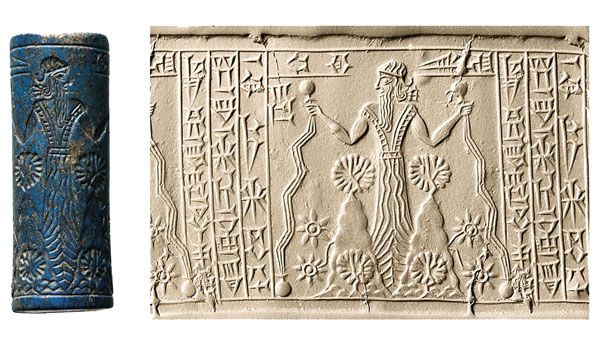
Enki/Ea, god of sweet water and the annual flood. He is shown here holding two jars with water flowing out of them, which represent the sources of Tigris and Euphrates...But why is he standing on a carp fish?

This is the chart showing the annual water flow of Tigris and Euphrates. You can see that it peaks during Apr/May. 

Now remember my post "Goatfish", about the origin and meaning of the Goatfish the symbol of Enki?
In it I explained that goatfish is the symbol of the wet season in Mesopotamia. 


Wet season which starts in Oct/Nov, when wild goats start to mate, and ends in Apr/May, when the giant Mesopotamian carps start to mate...

The carp swim upstream towards the mountains, which are the source of Tigris and Euphrates...These carps are giants...So there is no way you can not notice their migration upstream...


Migration towards Abzu...Which is a great mountain...Where Enki lives...Here is Enki, standing among the mountains, being a mountain, holding the same two jars, the sources of Tigris and Euphrates...I talked about this in my post "The Great Imposter"...


And so, because peak of the carp mating season coincides with the peak flood season, Enki/Ea, the god of fresh water and the annual flood, is depicted standing on a carp fish, pouring out Tigris and Euphrates...

To read more about ancient animal and plant calendar markers, start here…then check the rest of the blog posts related to animal calendar markers I still didn't add to this page, and finally check my twitter threads I still didn't convert to blog post...I am 9 months behind now...

Monday, 19 September 2022

Problems of the Abzu

Recently I wrote an article entitled "Rain and flood", about this Early Sumerian "Enki in the boat" seal. In it I tried to explain the meaning of the scene depicted on this seal through animal calendar markers...

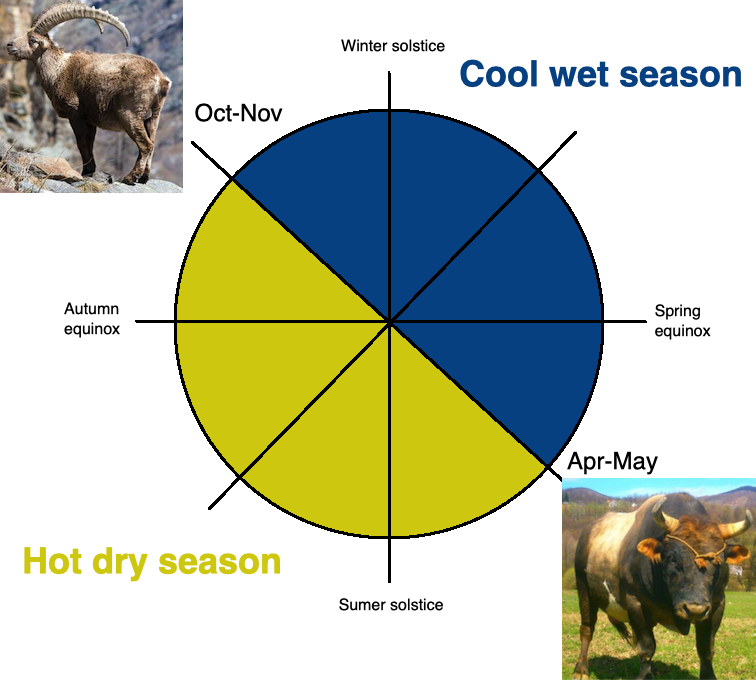
In short: Ibex goat and Auroch bull are calendar markers marking the beginning and the end of the wet season in Mesopotamia...

You should check the above article for detailed explanation...Or you can continue reading this article... 

Since then I came across more evidence that supports my interpretation...This is particularly good one...

The other day I came across an article entitled "Problems of the abzu". And in it, I found this passage: "One of the titles of Enki was Dara-abzu"...

This is very interesting, cause in the Sumerian lexicon we find that the word "duraþ, dàra, dàr" means "Mountain goat buck; Ibex"...This guy...

So why was Enki called Ibex of Abzu? Well what is Abzu? The common explanation is that it is "the underground sea of fresh water, the aquifer, which was given a religious fertilising quality in Sumerian and Akkadian mythology"...

I have already challenged this explanation in many of my articles which deal with the relationship between Utu, the sun god, and Enki, the god of fresh water: "Maran", "Utu or Enki", "Goatfish", "When Utu steps up to heaven", "Shamash young and old"...

Abzu, is the source of the fresh water that flows down Tigris and Euphrates, and the fresh water that fills the wells of Mesopotamia, but is not an underground sea of fresh water...

I mean Ibex goat of the underground sea of fresh water makes no sense...Which is why it is in the article entitled: "Problems of the abzu" 🙂

Hydrological report from Mesopotamia: "Tigris and Euphrates have two flood periods: an irregular, rain-fed rise of minor proportions lasting from November to the end of March (this is basically a slight increase in water levels) and the main snowmelt flood of April and May"...

These are the water flow charts for Tigris and Euphrates


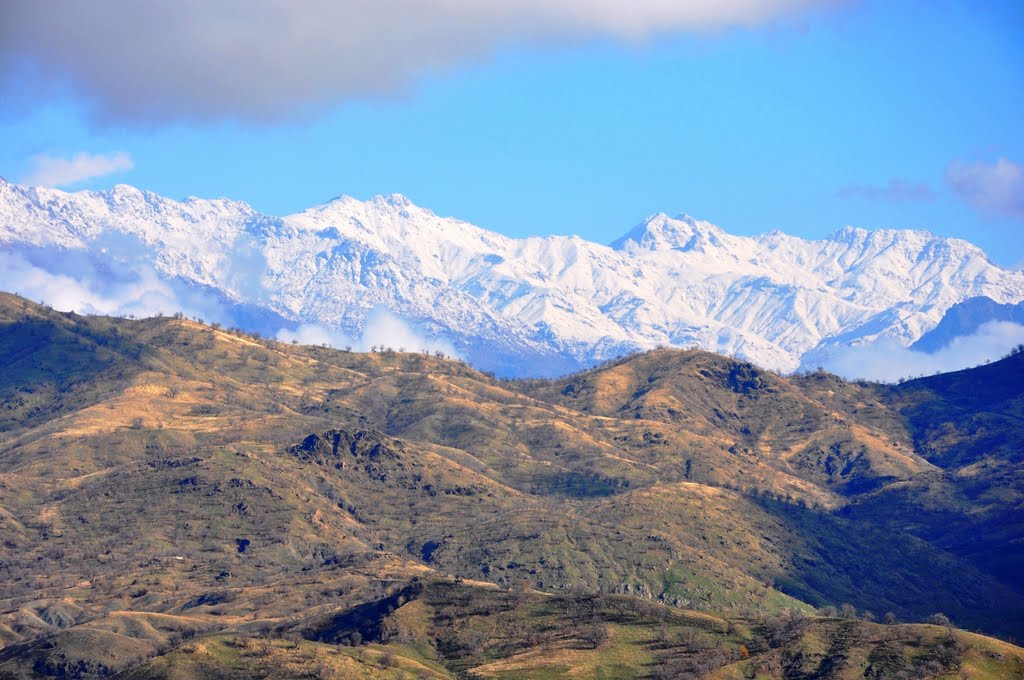
In several of my articles I talked about the fact that the annual flood is mostly result of the snowmelt in the mountain(s), highland(s) north and north-east of Sumer, the source of Tigris and Euphrates (and their tributaries), Anatolian highlands and Zagros Mountains...


Look at the relief map of Mesopotamia and check out the sources of Tigris and Euphrates...

It was in this article, "Shamash young and old", where I fist proposed that Abzu, the source of fresh water, the source of Tigris and Euphrates, are these mountains, and more precisely, the snow that falls during the winter on these mountains and which melts during the spring and summer...

I mean, in the "Debate between Winter and Summer" we read: "By hand Winter guided the spring floods...down from the edge of the hills. He set his foot upon the Tigris and Euphrates like a big bull and released them into the fields"...

As I was writing that, I could hear pretty much every Sumerologist screaming: Abzu means "the underground waters of the Aquifer"!!! 

I think that this commonly accepted meaning of the term Abzu is actually a result of a mistranslation...And not understanding the river system in Mesopotamia...

We have Sumerian ab=water and zu=knowledge, deep, far...Abzu can then mean both deep water and far away water...

Considering that the source of Tigris and Euphrates is far away from Mesopotamia, in the Anatolian highlands and Zagros Mountains, the proper translation of the term Abzu is far away water...

This is actually spelled out for us in the ancient Mesopotamian texts:

"Abzu, place that is a big mountain, princely crown of the heaven and earth. To the lord Nudimmud (Enki), (give) praise!"...

You can find the sources in the paper Ancient Near Eastern Gods Enki and Ea: Diachronical Analysis of Texts and Images from the Earliest Sources to the Neo-Sumerian Period...

The epic "Enki and the world order" tells us that Enki is the king of the Abzu...

Babylonian epic "Enûma Elish" tells us that Enki lives in Abzu...

Enûma Elish tells us that in the beginning, before anything else was created, Abzu (the source of fresh water, the Father) and Tiamat (salt water ocean, the Mother) were there mixing their waters...

It is from their intercourse that the younger gods were created...The younger gods then got so noisy and annoying, and pissed Tiamat off so much, and she complained to Abzu so much, that Abzu decided to destroy them...

But, Enki put Abzu to sleep, and then murdered him. Enki then set up his home "in the depths of the Abzu", and took on all of the functions of the Abzu. We could say that Enki became Abzu...Or that Enki is just Anthropomorphised Abzu...I will talk about this more soon...

So, here is Enki, (in) Abzu, being the source of Tigris and Euphrates...For those who say this not Enki, this Ashur, check this article about "The Great Imposter"...

Anyway, Enki became the god of fresh, fertile water. Actually, fresh water was seen as Enki's semen, as it is the fresh water that makes land fertile...

In "Enki and the world order", Enki stands at the empty riverbeds and fills them with his semen (fresh water)...

While he was filling the rivers with fresh water, Enki was "full of lust like a rampant bull"...Just like winter in the "Debate between Winter and Summer"...

Why are both Winter and Enki compared to bulls at the moment when they "fill the rivers"? Cause the annual flood of Tigris and Euphrates reaches its peak in Apr/May, which is when the Eurasian wild cattle start calving...

I talked about the link between bull and flood in my articles, like "When Utu steps up into heaven", "Butt chewing", "Green Pastures", "Shamash young and old"...

This is the reason why in a royal hymn dedicated to Enki from the times of Šulgi we read: "Great lord...Enki...Important one of the great gods, Nudimmud, great bull of the Abzu".

But why is Enki called the Ibex of Abzu? Because the first rains arrive to Mesopotamia when Ibex mountain goats start to mate, Oct/Nov...

This is such an important event in these arid lands that Ibex was basically deified. I talked about this in my article "Relief from Dur Sharrukin", "Goat carrier", "Iranian goat of rain"...and many others...

Oh, this is also the reason why Enki's sacred animal was Goat-Fish 🙂 

If you what to know why fish, check my article "Goatfish"...

The beginning of the Ibex mating season signals the beginning of the cool, wet season, Winter. And it is the rain and snow which fall during Winter (Nov-May) that are the source of all the fresh water that flows down Tigris and Euphrates...And of Enki's flood...

Sooo...Enki, who is the source of water that flows down Tigris and Euphrates, lives in (or is) Abzu, which is the source of water that flows down Tigris and Euphrates...

The true source of water that flows down Tigris and Euphrates are of course the mountains from which these rivers and their tributaries emerge...Mountains which are the home to Mountain Goat. Ibex...

Ibex, the Goat of Rain (and Snow) that fall down during winter...Rain and snow, which are the source of water that flows down Tigris and Euphrates. "Dara-abzu", Mountain goat of Abzu...Enki...

See, all this makes a lot of sense...Not so much if we are looking for Abzu underground...

I ended the article about the Enki in the boat seal with this: the Rain (and snow) which fall between Oct/Nov (when Ibex mate) and Apr/May (when Aurochs calve) are the source of the flowing water in Tigris and Euphrates (zigzag line) and Enki's flood (boat)...

In my article "Enki's little boat" explained why Enki's boat is the symbol of the flood...

Interestingly, in the article "Problems of the abzu", we find that "Dara-abzu" was also the name of Enki's processional boat, which "possibly even had a goat head at prow"...

As I explained, Enki's boat is symbol for the flood...Flood which starts with the Goat of Abzu and Peaks with the Bull of Abzu...

The Goat of Abzu leading The Bull of Abzu...Just like on the above Enki in the boat seal...

So that's it...What you think?

To read more about ancient animal and plant calendar markers, start here…then check the rest of the blog posts related to animal calendar markers I still didn't add to this page, and finally check my twitter threads I still didn't convert to blog post...I am 9 months behind now...

Sunday, 18 September 2022

The great imposter

A Kassite seal, dated to ca. 1350 BC, currently in the Archaeological Museum in Thebes, Greece. One of several Kassite seals listed in "Reflecting on the Thebes Treasure and its Kassite Findings The Glyptic Art and its Geo-Political Context and Distribution"...

It depicts Enki/Ea, the god of sweet water standing between two mountains, with trees and flowers...Enki is identifiable by the fact that he is holding two jars from which a water is pouring out, and which are symbols of the source of Tigris and Euphrates... 

Super important image. Important cause of this: "Enki lives in Abzu, the source of Tigris and Euphrates"...The official explanation is that Abzu is "an underground aquifer"...

Which I think is completely wrong. I think Abzu was the name for the great mountains from which Tigris and Euphrates emerge...


That Abzu is a mountain is actually spelled for us in the Early Dynastic Za-me hymns where we read:

"Abzu, place that is a big mountain, princely crown of the heaven and earth. To the lord Nudimmud (Enki), (give) praise!"

Also, the late 3rd millennium BC text "Debate between Bird and Fish" tells us that it was Enki who: "laid out side by side the Tigris and the Euphrates, and caused them to bring water from the mountains"...

Do we need any more hints that Abzu is not underground?

And on the original image we see Enki, in Abzu (mountain) pouring out Tigris and Euphrates...Or Enki as Abzu, as Enuma Elish tells us that Enki killed Abzu, and then replaced Abzu and made Abzu his home...

I talked about Abzu in several of my posts: "Maran", "Utu or Enki", "Goatfish", "When Utu steps up to heaven", "Shamash young and old"...

And so we get the above image depicting Enki, as Abzu, The Great Mountain, source of Tigris and Euphrates...

Wait...Wasn't "Great Mountain" the title of Enlil? Hmmm...I will have to write another thread about this (imposter 🙂???) soon...

If you think Enlil is bad, wait until you meed Ashur (Assur), another god who also had the epithet "The Great Mountain"...I talked about this in my post "Ashur"...And some say that the above image actually depicts Ashur, not Enki...

Recently my friend @TheAncientWorld posted this reply to one of my twitter threads:

"Did you know that Tukulti-Ninurta & Tukulti-apil-Esharra are basically the same name? Ninurta was the son of Enlil (chief of Sumerian pantheon) but was also 'adopted' by both Marduk (chief of Babylonian pantheon) and Ashur (chief of Assyrian pantheon). Hence  'apil-Esharra' = son of Ashur = Ninurta..."

Of course they did...This is all the same play with different actors and slightly different choreography 🙂...But the important thing is that all of them point at "The Great Mountain" which is Abzu, where Enki resides...

To read more about ancient animal and plant calendar markers, start here…then check the rest of the blog posts related to animal calendar markers I still didn't add to this page, and finally check my twitter threads I still didn't convert to blog post...I am 9 months behind now...

Friday, 8 July 2022

Nanshe

In this article, I will tell you a story about a chance discovery I made today about geese...From the end to the beginning...

Terracotta plaque showing seated goddess Nanshe and geese. From southern Iraq. 2003-1595 BCE. Iraq Museum...Pic by Osama Shukir Muhammed Amin... 


In Sumerian mythology, Nanshe was the daughter of Enki (god of sweet water) and Ninhursag (earth and mother goddess). 

Her functions as a goddess were varied, but like her father, she was heavily associated with water...

Here is another depiction of the goddess Nanshe. She is accompanied by two geese and holds a vase in hand. Two streams of water and fish emerging from the vessel...Ur, 2100 BC...


She is depicted as the source of  Tigris and Euphrates...Just like her father Enki...

The most common depiction of Enki is with two streams pouring out of his shoulders or out of a jar which he is holding in his hands. This portrays Enki as the god of water who controls the source of Tigris and Euphrates...You can read about it in my posts "Utu or Enki", "Goatfish" and many others...

So why geese...Well geese, water...Kind of obvious, right? True, but there is a lot more to it. Geese here are used as a animal calendar marker...
If we check the list of birds of Iraq, we can see that three large geese species found in Iraq (the geese depicted next to Ninshe are large birds): A: Graylag goose, B: Greater white-fronted goose, C: Lesser white-fronted goose...

Now all these geese are winter visitors to Mesopotamian marshes. They spend summers near arctic circle, where they breed, and spend winters in Mesopotamia, where they arrive in Oct/Nov...

The fact that the geese arrive to Mesopotamia at the beginning of winter is very important and explains why the goddess Nanshe, the goddess of water and fertility, was depicted with geese...(apart from the fact that geese like water 🙂)

The climatic year in Mesopotamia is divided into hot/dry half (Apr/May-Oct/Nov) and cool/wet half (Oct/Nov-Apr/May). And all the sweet water which makes Mesopotamia fertile and habitable is the result of the rain and snow that falls during the cool/wet half of the year...


And geese arrive from the north, right at the beginning of the rain season, bringing rain with them...And stay in Mesopotamia during the cool, wet, fertile season...

They arrive from the direction of Abzu, the source of sweet water, and the place where Enki, the god of sweet water lives. 

"Abzu, place that is a big mountain, princely crown of the heaven and earth. To the lord Nudimmud (Enki), (give) praise!"

Basically, Abzu are the North-Eatern mountains, which are the source of Tigris and Euphrates...

Now have a look this. This is (most likely) Jemdat Nasr style seal 3100-2500 BC (?). From the Leroy Golf collection of Sumerian Seals...

Officially it depicts "animals in two rows: three gazelles next to a column of two flying birds over two walking birds". 

Actually what this seal depicts is: 

1. Birds, which look very much like ducks or geese, landing...

2. Gazelles or Ibex goats...Left: gazelle, Right: ibex

Both Gazelles and Ibex goats are a common animal calendar marker for the beginning of the rain season in Mesopotamia. Why? Cause the beginning of their mating season (Oct/Nov) coincides with the beginning of the rain season in Mesopotamia...

I talked about goat as a symbol for the rain season in "Goat carrier", "Dancing goat men from Luristan", "Vessel from Tepe Hissar" and many others

I talked about gazelle as a symbol for the rain season in "Pissing gazelle", "Ashur", "Mysterious creature", "Abu" and many others

And the migratory geese (ducks) arrive to Mesopotamia right at the time when gazelles start mating and when the rains arrive... Which is what this seal depicts... Beginning of rain season...

And as I said, the geese arrive from the north, from the northern mountains, Abzu, the mountain home of Enki, the God of water, source of fresh water, which is source of fertility... 

Hence geese as the companions of Enki's daughter, Nanshe, the goddess of water and fertility...

Now in "Alternate fortunes? The role of domestic ducks and geese from Roman to Medieval times in Britain" we can read that "...in ancient Mesopotamia geese were kept in herds and were used for sacrifices and food, but this does not necessarily prove domestication..."

Well, I can tell you that geese were definitely not domesticated during the time when Sumerian language was developing in Mesopotamia...We can see this from the Sumerian lexicon where the word for goose is: 

kur-gimušen: ('mountains'+'to return') 🙂

The birds which arrive from Enki's mountains in the north at the beginning of the rain season, and go back to Enki's mountains at the end of the rain season...

And this is where the story began...With me finding the Sumerian word for goose...

To read more about ancient animal and plant calendar markers, start here…then check the rest of the blog posts related to animal calendar markers I still didn't add to this page, and finally check my twitter threads I still didn't convert to blog post...I am 9 months behind now...