Showing posts with label Neolithic farmers. Show all posts

Thursday, 27 January 2022

Tartaria tablets

Tărtăria tablets are three clay tablets discovered in a Vinča-Turdaș culture settlement near the village of Tărtăria in Romania...
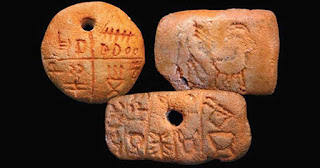
The tablets were discovered in a sacrificial pit with many other clay objects and human bones. The radio carbon dating of the bones produced the dates 6310 ± 65 yr BP (calibrated 5370-5140 BC)... 
The reason why these tablets are so important is that they contain the Vinča (Old European) symbols


But on Tărtăria tablets they are engraved in such a way as to imply that these symbols can be interpreted as groups...Like a script??? Script which predates Sumerian proto-writing by thousands of years...

By the way, Tărtăria tablets are not the only objects where we find these symbols engraved in sequences...Hence the proposal that this is indeed a kind of script...

Which is why everyone is so edgy about this and why so many people put so much effort into discrediting these tablets...Surely it can't be that proto-writing originated in the Balkans...

And "if" indeed these "so called" Vinča symbols are genuine, "they are surely a local isolated development and have nothing to do with the development of writing in Mesopotamia"..."The similarities are purely coincidental"...

Those who still see Sumerian culture as an isolate without any external influences won't like this post from my blog, or any of the other blog posts linked from it...

But here I would like to pour some really really cold water on the "who invented the first symbolic script" debate...I would like to look closely at one of the Tărtăria tablets. Not one of the two "cool" ones with holes, which seem to have been made to be used together...
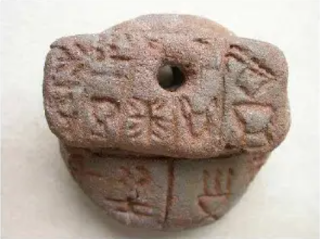
I would like to look at the often ignored third tablet...This one...And I would like to say this: O MY GOD!!! How could I have been so blind!
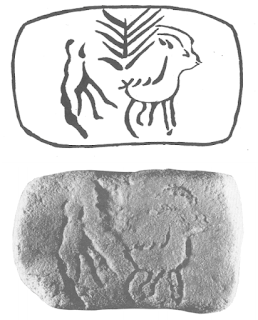
What I think is depicted on this tablet is from right to left: 1. Ibex goat 

2. Grain

3. A person who looks like he is bent forward...like as if he is working the land...maybe planting grain???

Now if this tablet was found anywhere within the fertile Early Neolithic Fertile Crescent, I would have immediately interpret this tablet like this: When Ibex start to mate, and the first rains arrive, plough and sow your grain...
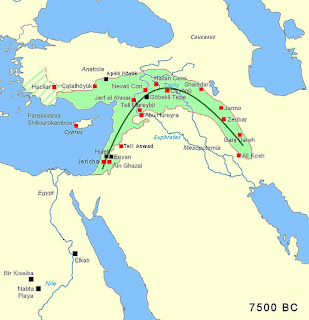

Because in Fertile Crescent the climatic year is divided into two halves: dry and hot, summer (May-Oct) and wet and cool, winter (Nov-Apr). 
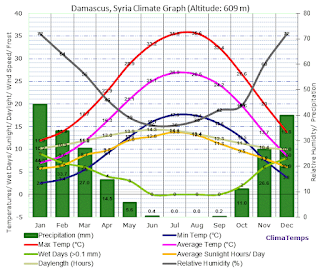

And the beginning of the rainy season coincides with the beginning of the mating season of the Ibex goats (Goats of rain). 
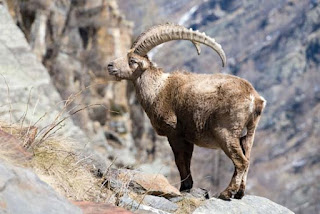


It is because of this link between Ibex goats, rain, and agriculture, that Ibex is the most depicted thing on early decorated objects from this region...You can read about "The Goat of Rain" (Ibex) in my posts "Goat carrier", "Rain and flood", "Queen Puabi's cylinder seal"...and many others...

One other thing happens in Fertile Crescent, when ibex goats start to mate and when first rains arrive...It's time to plough the land and plant grain. 
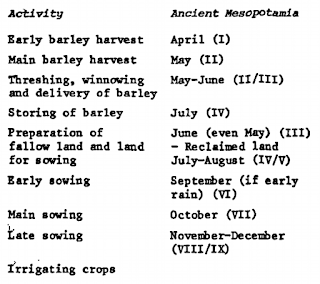

Storm (rain) god Ninurta, was, in the earliest records, also agriculture god...Whose symbol was the the plough...Which he gave to the people...Here is a god (Ninurta) giving plough to the people...With goat of rain next to the throne...
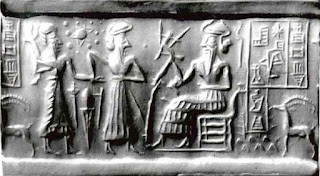
So is this what this Tărtăria tablet means? Plant your grain when Ibex goats mate?

That's amazing!!! Now did Ibex goats ever live in Romania? I don't know. The only info I could find about Ibex goats in South Eastern Europe, is this article "Past and present distribution of the genus Capra in Greece", and in it we can read that: "...The Alpine ibex Capra ibex and the wild goat Capra aegagrus are the only caprids known to have existed in the Balkan Peninsula, from where it disappeared after 5600 BC due to hunting..."

The Tartaria tablets, which are dated to calibrated 5370-5140 BC were made from a small quantity of clay and a lot of sand. According to geological analysis, the sand in the tablet has crystals of quartz typical of the mountain 20-25km west of Tărtăria and very well known in Neolithic times for the gold mines...

So the tablets were most likely made in Romania...So I wonder if the above paper is wrong, and Ibex goats actually still lived in the Balkans at the time when these tablets were made?

The winter grain planting in the Balkans happens in October. I don't know when the ibex root took place in the Balkans. In Most of their range, Ibex goats start mating in Oct/Nov. So it is possible that in the south eastern Balkans their mating season also started during that time of the year. which would have made them a good animal calendar marker for grain planting season, just like in Fertile Crescent.


But, maybe, as someone suggested, the animal depicted on the Tartaria tablet is not an Ibex goat, but a Deer, Deer mating season is October, ideal period for planting wheat in south Eastern Europe...

Maybe, except the animal depicted on the Tartaria tablet looks much more like depictions of an Ibex...And we find both deer and goat among Vinča (Old European) symbols...
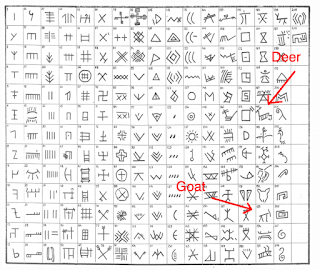
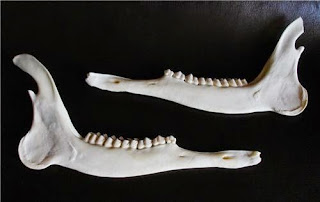
The thing is, the Early Balkan farmers could have found other animal calendar markers that correspond to the main events of the grain agriculture season...Deer would fit. If they were planting grain in autumn...Deer mandibles, like these ones, were found at the bottom of the sacrificial pit of the 7th millennium grain temple in Blagotin...Why? Deer must have been in some way linked to the agricultural cult.
I wrote about it in my post "Blagotin" where I pointed at the fact that deer mandibles and wood/antler + flint imitations of deer mandibles were used as sickles by Neolithic farmers...
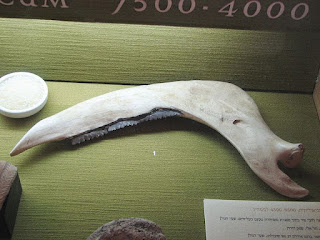
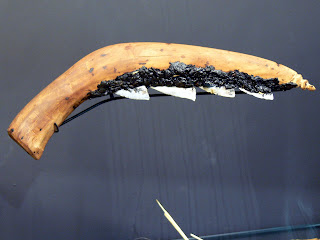
So it is possible that deer replaced goat as calendar marker for grain planting season in the Balkans...The thing is that some archaeologists believe the early Balkan farmers grew spring grain varieties, which are planted after the first spring floods...In Apr...I talked about this in my post "How to kill a witch"...Interestingly, this is the time when deer shed their antlers


Not something that you could miss easily if you were a hunter gatherer turned farmer...
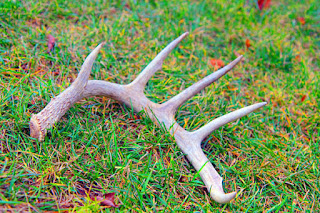


So it is possible that deer was used as an animal calendar marker for planting, both winter and spring grain...

It gets better. Antler pick was used in both farming and mining as early as the Neolithic period. In farming it was used for making furrows for planting grain...
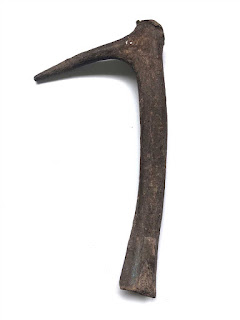

So let me see

1. You find a deer antler shed by a red deer (Mar-May)

2. You make a pick out of it

3. You use it to make a furrow and plant your grain in Apr

4. You use a sickle made out of a deer mandible to harvest your grain

Interesting...

But there is another possibility. That Tartaria tablets were not actually made in the Balkans, but somewhere in Western Asia. 

Did the Neolithic farmers arrive all in one "package tour"? Or did they, like all the immigrants anywhere do, keep coming and going between "the old home" and the "new home". Bringing relatives to "see the Balkans, the land of opportunities"...

Were these artefacts brought to Europe from Western Asia, where Ibex goats still live today? And where during the Neolithic, Ibex was the number one animal calendar marker, linked with agriculture? 

The fact that we find artefacts depicting Ibex goats in huge amounts everywhere in the Neolithic Fertile Crescent, whereas we only find few isolated depictions of Ibex goats in the Neolithic South Eastern Europe, leads me to believe that these were isolated imports...

It is possible that these tablets are much older than calibrated 5370-5140 BC, and they were used during the time when Ibex goats still lived in the Balkans...And were passed as a treasured heirloom from generation to generation... 

By the time they were deposited in the grave where they were found, they were possibly completely meaningless if there were no Ibexes living and mating in South Eastern Europe, around the time when you were supposed to plant your grain...

Oh yeah, I forgot another possible explanation. This one favoured by most archaeologists. 

This is just meaningless bunch of scribbles without an explanation...

Saturday, 23 October 2021

So Indoeuropean

Have a look at these two vessels:

Neolithic Lengyel culture (5000-3400 BC)

Chalcholitic Baden culture (3600–2800 BC) which developed from Lengyel culture...

Lengyel culture guys, were neolithic farmers who, just like their neighbors, Stroke-ornamented ware culture guys, liked building giant henges, enclosures oriented to the sunrises at solstices and stuff...

I talked about this in my post "Henges - Rondel enclosures"

Then (apparently) came Indo-Europeans and turned Neolithic, Old Europe, Matriarchal, Peaceful, Farming Lengyel culture into Chalcholitic, Indo-European, Patriarchal, Warrior, Cattle herding Baden culture...By presumably killing the men, taking the women...

Gimbutas and then Mallory and Adams talk about Baden culture as one which is associated with the spread of Indo-Europeans because "It possesses a number of cultural traits that have been regarded as diagnostic markers of Indo-European society"...

Like:

1. Use and breeding of domesticated horses...


3. Use of wheeled vehicles, probably pulled by cattle...


Typical: Drunk cowboys....

So no wonder Baden dudes were seen as "Prototypical Indo-Europeanised culture dominated by Kurgan males"...

Which is funny, considering that Baden guys had Neolithic Megalith builders (I2a) and farmers (G2a) male genes...The same ones we find in their Neolithic ancestors...

Now look at the original two vessels again. Both depict a young woman. The Baden one is actually an elaboration on the Lengyel one. It actually gives us a clue who this "young woman" could be: a grain maiden from later folklore...Look at the grain sheaves arms...I talked about this in my post "Baden culture grain maiden"...

Not very Indoeuropeany...

Group portrait

Group portrait!!! Smile!!! Zoomorphic figurines, Copper Age Central European Baden culture...


These guys were farmers who grew wheat and millet, but they also heavily relied on keeping farm animals, like pigs, sheep, goats, horses and cattle...

One curious thing we find in Baden culture are animal "graves" with whole cattle, horses, sheep, goats, pigs and dogs. As well as pits with partial animal remains, and whole and parts of animals buried together with humans. 

You can read more about it in the paper "Transcendent phenomena in the Late Copper Age Boleráz/ Baden settlement uncovered at Balatonőszöd- Temetői dűlő: human and animal depositions"

The authors of the papers interpret these animal burials like this: 

"...the celestial deities were invited to a joint feast during the offering, and certain parts of the sacrificed animal were offered to them...Celestial deities are the lords of the courses of stars and being the guardians of the fixed laws that rule this sphere, they were also the lords of justice, customs and ethics in the earthly world...Their predominance over the earthly deities evolved in societies where “knightly culture” flourished, meaning that charismatic social/military/religious leaders played a major role and a weaponry and social classes matching this role developed...The situation was different with the chthonic deities. They could not be invited to a joint feast, so the entire animal had to be offered to them...Accordingly, the complete skeletons uncovered at a site could have been offered to the chthonic deities, the partial ones to the celestial deities..."

My comment: That's kind of random??? Why???

"...The sacrificial pits dug into the earth are associated with the cult of chthonic deities and consequently the fertility cult and the cult of the dead: they are the lords of wealth, abundance and fate in the otherworld..."

My comment: this belief still exists among Slavs...

"...By means of offering sacrifices, these pits create a connection to the earthly and chthonic deities, who willingly accept the offering placed in the pits. In certain cases the pit itself is a chthonic altar..."

But then the authors backtrack on Celestial-Chthonic thingy:

"...As pits are the most common phenomena in a prehistoric settlement excavation...the sacrifices were always uncovered in pits. This, however, does not mean that all of them were offered to the chthonic deities! After all: what feature type could be associated in a prehistoric settlement with offering types intended for the celestial deities if not a pit?..."

My comment: Eeee exactly...

The authors then continue with this:

"...In the following we try to categorize in a simple and combined way the above described ritual rules of diverse origins as it can be adapted to the Boleráz / Baden cultures...Female animal skeletons could be funeral sacrifices relating to female fertility symbols in fertility rites...Mature male animals could be votive offerings, the symbols of male power in fertility ceremonies, and appeasing offerings to the chthonic deities...Immature skeletons could be firstling offerings, the young animals could be offered to prominent heroes and ancestors...The large communal sacrifices could be peace offerings..."

My comment: Based on what exactly???

They finish with: 

"...An interpretation according to the above stated ritual rules almost frighteningly simplifies the animal burials, which seem extremely complex and variegated at first glance..."

My comment: Except this is all just a complete speculation, based on what???

The paper authors also try to address placing of whole animals in human graves:

"...There could be various reasons why animal skeletons were placed beside human corpses...The choice of the species of the “accompanying animal” could be connected with animal species that possessed death “aspects” in the cults of the dead (like dogs and horses)...

My comment: how do we know that these animals had "death aspect"? And what is "death aspect"???

"...It is also possible that a former pet was placed beside the dead or an animal that marked something for the community or the individual (totem animal) or one that reflected the person’s social status: a symbol of power, status or occupation...Still, one circumstance remains inexplicable: no religious historical work mentions an offering type in which pregnant women and female animals (sheep) or foetuses (newborn babies, calves, lambs, piglets) were used, a phenomena, which was observed in Baden burials..."

So confusing...

There is actually one simple explanation for all of this. I believe these whole animals buried with humans or in graves next to human graves, were not sacrifices. These animals were killed and buried to accompany their deceased owners to the otherworld...

Remember: As above, so below...How old is this belief? The dead will awake in the otherworld exactly as they were buried. Which is why all these ancient cultures buried their dead with their chariots, weapons, tools, jewelry, food, drink...And their cattle, sheep, goats, dogs...

This also explains why pregnant women and animals and newborn animals and children were "sacrificed" (killed and sent to the otherworld to accompany a deceased man so he can have a ready made family when he wakes in the otherworld)...

This old belief, is the reason we still dress our dead "in their best" and put makeup on them "to make them look their best"...When they enter eternity...

What is very interesting is that cattle and other domestic animal burials were during Copper Age period found all in Central Europe, in the connected territories of Baden (I2a, G2a), Funnel-Beaker (I2a, G2a), Globular Amphorae (I2a, G2a) and Corded Ware (R1a, I2a) cultures...

Do you think that maybe this belief system was in some way linked to a particular tribe connected through paternal lineage... 🙂 Just an idea...

BTW, these cattle, sheep and goat herders were also butter and cheese makers. Just like their other Central European I2a and G2a cousins...

I talked about the early dairy farmers in my post "Milk butter cheese"...

Saturday, 13 June 2020

A goat in a tree


This is one of the two identical Sumerian figures excavated in Ur, in southern Iraq, dated to c. 2600–2400 BC...This amazing work of art, depicts a horned animal with wings (???) standing on his hind legs and nibbling leaves from a flowering tree. What is the meaning of all this?

First what horned animal is this? Originally people thought this was a ram... But today most people agree that this is a Markhor goat. 


Why was Markhor goat chosen to be depicted here? Surely not because it looks cool (not that he doesn't). Markhor is depicted here because Markhor mating season starts in November...

Which is important because? 

Because in Iraq the climatic year id divided into dry and wet part. And the wet part of the year starts in November...Right at the time when the Markhor goats start mating...Precipitation table Iraq.


So again, like in Eastern Mediterranean, Middle East, Arabia, Central Asia...Wherever rains arrive in Oct-Nov, we find goat worship...The Goat of rain...This rain is what allows life to flourish in these desert lands...Hence the Goat of rain nibbling on the Tree of Life...

But why wings? If they are indeed wings.... Maybe they are just stylised clumps of hair. Except that Markhor doesn't have any clumps of hair on his back, only around his neck...But ok let's allow for artistic freedom and say that these are not wings...

But if they were 🙂...

Well, at the exact time when the Goat of rain starts prancing around, certain types of Eurasian vultures start their mating rituals which involve synchronised flying...


I talked about this in my post "Double headed eagle". 

Looked from the ground this flying pair looks like this:


Which is where the symbol of the double headed eagle most likely comes from, why rain gods are associated with eagles and why this Goat of rain has vulture's wings...

Also adding wings on things makes them more "heavenly"...

But whether this goat has wings or not is not important...

In most of the lands where rains arrive in October-November, the Goat of rain is depicted as an Ibex goat...The same is true of Iraq...This relief on the side of a cosmetic vessel from Nippur shows exactly the same flowering Tree of life except the Goat of rain is Ibex...


Now here is something interesting...The range of the Markhor goat, has historically been Turkmenistan, Uzbekistan, Tajikistan, Afghanistan, Pakistan, and northern India...Which means that people in Mesopotamia could not have been able to observe them and associate them with rain...

Which opens the question: why and how do we find depictions of Markhor in Mesopotamia, which match exactly the depictions of Ibex, from the earliest times. Like on this Hassuna redware bowl, circa 5500 BC


This is a mystery...

(Dramatic pause) 😉

There is one place where we find lots of Markhor goats though...I mean the animal is the national animal of the place...And the mating season of the Markhor (Nov-Dec) announces the beginning of the maximum precipitation period (Dec)...This place is Balochistan, just next to Indus Valley...


And guess what we find In Balochistan? We find this: Mehrgarh Neolithic site (dated c. 7000 BCE to c. 2500/2000 BCE) built by farmers...To whom rain was very very important...And so they probably also worshiped the Goat of rain...In the shape of Markhor??? 


So any link between Early Sumerians and Mehrgarhans? The appearance  of the worship of Markhor goats in Mesopotamia where Markhors don't live certainly suggests that...

Well I would say we are possibly looking at common root of both Mesopotamian and Indus Valley civilisations...

PS, maybe the "wings" are not wings but a "stylistic depiction of Markhor goat hair"...Maybe, although I am not sure why would they use different colour...Anyway this doesn't change the meaning of the scene...

To read more about ancient animal and plant calendar markers, start here…then check the rest of the blog posts related to animal calendar markers I still didn't add to this page, and finally check my twitter threads I still didn't convert to blog post...I am 9 months behind now...

Tuesday, 2 June 2020

First toast

The Baden culture, c. 3600–2800 BC, a Chalcolithic culture from Central and Southeast Europe (Czech Republic, Hungary, Poland, Slovakia, Serbia, Romania, Austria), could be the culture which started the production and ritual drinking of alcohol in Continental Europe...


At least this is what Miloš Spasić from Belgrade City Museum claims in his article "The first toast: the story of Baden culture cups from Belgrade City Museum"

He bases his argument on the fact that Baden culture archaeological sites are the first sites where we find sets of drinking cups, all made identically, found together with pitchers...


His explanation is that these were alcohol drinking sets used for communal feast ...

The making and communal consumption of alcohol is just one of the things Baden culture is credited with. The other are the initial use of dairy products, domestication of the horse, introduction of animal-drawn carts, various innovations grain agriculture and textile production.

That making and consumption of alcohol was a complete cultural shift can be seen from this map of Eneolithic sites in Belgrade area. Vinca culture, technically advanced civilisation in every respect, no drinking cups. Baden culture, equally advanced, drinking cups everywhere...


The mystery is what alcohol was made and consumed by the Baden people?

Wine? Not likely due to Central European climate. Wild grapes grow much better in hotter areas further down south and east...But still a possibility, and one that the author of this article prefers...


Beer? We know that Baden people were grain farmers. So it is very likely that they did make beer. The author of this article discounts this as "the primitive beer is drank through straws from pitchers and not from cups"...Well not necessarily...You can drink it from cups too...

This is boza, a primitive malt drink (ale) made by fermenting various wheat, millet or barley. It is not filtered which is why it has a thick consistency. It has a low alcohol content (around 1%), and a slightly acidic sweet flavour. And as you can see it is drank from cups and glasses... 


For those interested in primitive beer (ale) making, here is an article I wrote few years ago...

Another possibility is Kumis, a fermented dairy product traditionally made from mare's milk with between 0.7 and 2.5% alcohol...If Baden people domesticated horses and made dairy products, they could have also stumbled across Kumis while fermenting mare milk? This is kumis drinking set from Kazakhstan. Looks familiar? 


So what was the drink of choice at Baden culture parties?

Well you know what they say: it's not what you're drinking it's who you drink it with...

Saturday, 11 April 2020

To kill a witch

"Everyone knows that an ordinary bullet can't kill a witch. If you want to kill a witch, load the rifle with 3 grains of wheat and a bit of Easter beeswax candle"... 


This Serbian folk belief is very very interesting and contains in itself a lot of encoded information...

In the past in Serbia witches were actually respected and seen as protectors of community and preservers of sacred medical and magic knowledge. 


I talked abut this in two of my posts: "The skilful one" and "Wrach".

If witch-hunt was not a common theme in Serbian folklore, who is the witch who is being killed in this folk belief? Well the same one which is being killed every year in all Slavic lands: Marzana, Morana, The Goddess of Death, The Hag, The Witch, Winter Earth...

The Climatic Spring starts at the beginning of February. As part of the End of Winter - Beginning of Spring celebrations, Slavs make effigies of Morana/Marzana, The Goddess of Death, Winter Earth, and parade them through villages...


These effigies are then burned, or drowned in flowing water, or both (to be sure to be sure) symbolising warming of the earth and melting of snow. The departure of winter and the arrival of spring...


Christians at the same time celebrate the beginning of Lent, so eventually these beginning of Spring celebrations became beginning of Lent celebrations...But for Slavs the purpose of the celebration stayed the same: Kill the Witch of Winter...

That the witch which is killed is Winter, can be seen from the ammunition recommended for killing it: three grains of wheat and Easter candle beeswax...I will first talk about grains of wheat.

Most grain cultivated by the farmers today belongs to the so called "winter grain". This grain is sown in October-November and is harvested in June-July. It has high yields, thin husks, short bristles and is resistant to low temperatures...


But in the past it wasn't like this. Most grain cultivated by our ancient ancestors was the so calls "spring grain". This grain is sown in February-March and is harvested in July-August. It has lower yields, thick husks, long bristles and is resistant to high temperatures.


The spring grains are the original old grains of the first farmers. They grew better in poor quality soil. They were resistant to diseases and were very good in completing with weeds for nutrients. Basically much better suited for primitive agriculture... As can be seen from this next chart is from the book "Local, intensive and diverse?: Early farmers and plant economy in the North-East of the Iberian Peninsula (5500-2300 cal BC)" by Ferran Antolín.


In my post about Early Neolithic Starčevo culture site Blagotin, I talked about how Serbia seems to have been the place where first farmers from Anatolia learned how to grow grain in continental climate of Europe. Pic: clay grain seeds from Blagotin temple.


Serbia is full of alluvial plains formed along rivers, which are flooded every year, and are ideal for primitive agriculture. And the schedule of annual floods which replenish nutrient on these Serbian floodplains favours spring grains.


In "Farming regimes in Neolithic Europe: gardening with cows and other models" by Valasia Isaakidou, we can read that:

"Sherratt and Kruk rejected slash-and-burn cultivation for Early Neolithic temperate Europe, partly because of growing evidence that early (LBK) settlements (as opposed to individual houses) were much long-lived and partly because concentration of habitation along rivers removed both the opportunity (scope for repeated clearance) and need (rapid depletion of soil fertility) for such a farming regime (Sherratt 1980, 315–16). As well as expanding the geographical scope of the fl oodplain cultivation model, Sherratt also now elaborated on how it would have worked. Annual flooding in late winter-early spring replenished nutrients and water supply. As the ‘self-cultivating’ soils dried out, cracking promoted aeration and seeds were spring-sown by broadcasting in the cracks, rendering digging to plant and cover the seed redundant. Labour-intensive weeding, manuring, digging, and even initial forest clearance would have been unnecessary."

Sooooo, right at the moment when Winter (The Witch) gets killed, right at the beginning of Spring, is the time when spring grains are sown...So grains of wheat do seem to kill the Witch...

In the Balkans, even though spring starts in February, cold weather can last until well into March. Witches are hard to kill. So even though grains of wheat mortally wounded winter, it is Easter (spring equinox) which is when people can start singing "Ding dong the witch is dead"...

Oh and guess who gets resurrected every Easter? The "bread of life" of course...