Showing posts with label St George. Show all posts

Sunday, 2 February 2025

Dewy head

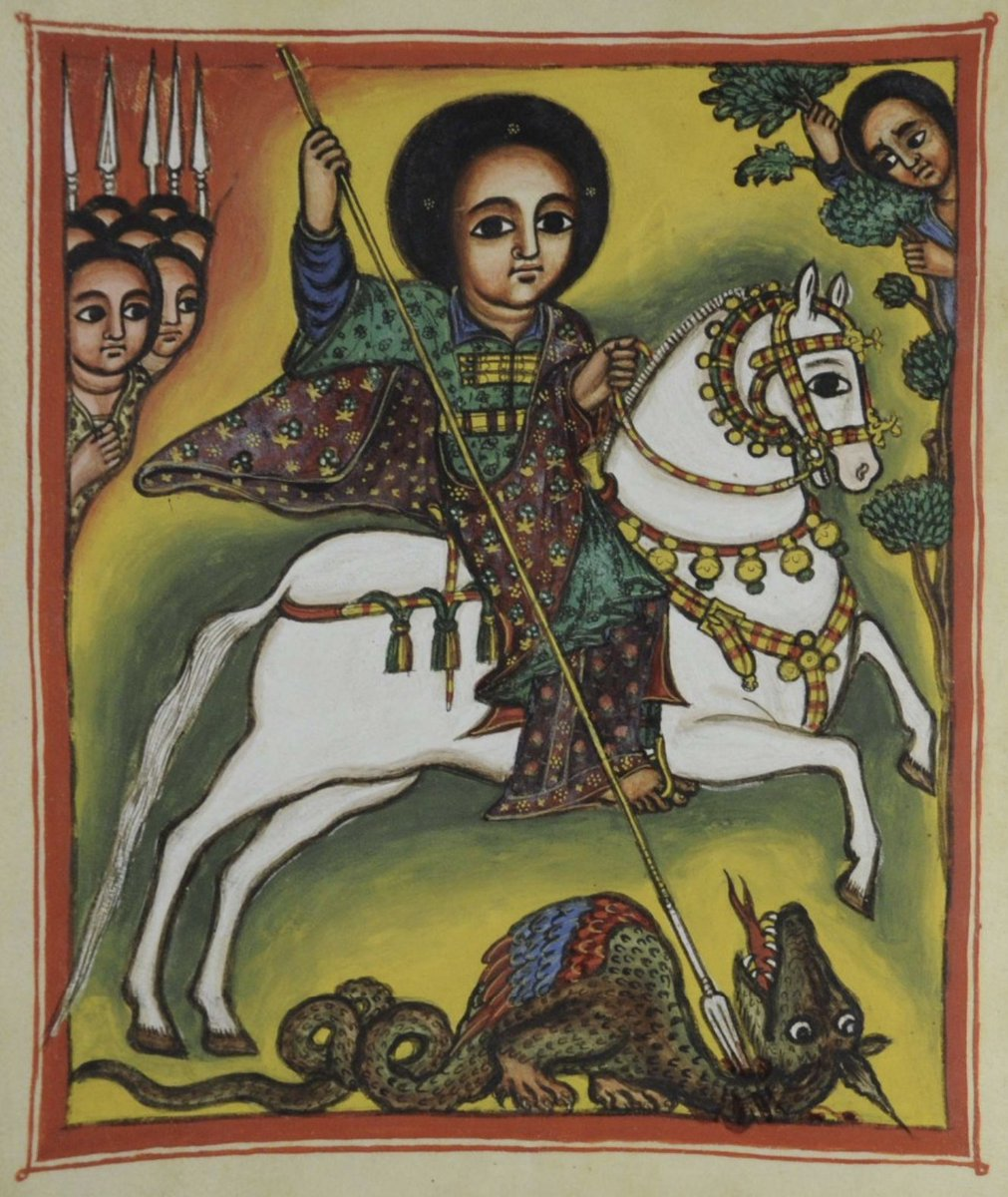
"Greetings to the hair of your head, spun like silk,

and to your head with its curly locks,

O George, star brighter than (other) stars!

May the ointment of his dewy head refresh me every morning,

like the rain of grace a thirsty field!"

This is one stanza of the liturgical poem መልክአ፡ ጊዮርጊስ፡, "The Image of George". This genre of poems praises the body parts of a saint from the head and down to the feet...


Ethiopia, 18th c.

I want to thank @ArtEthiopic for all his hard work promoting amazing Ethiopian religious art...

And I want to add few comments that might explain the last two verses:

"May the ointment of his dewy head refresh me every morning, like the rain of grace a thirsty field..."

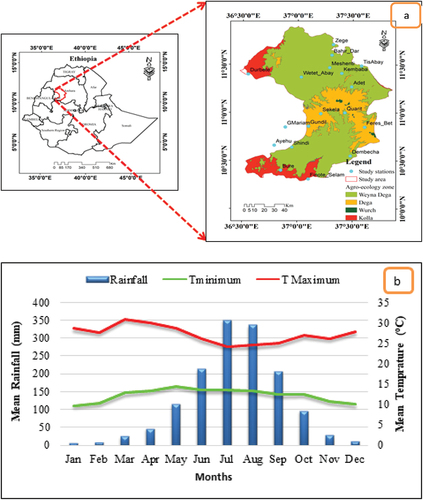
Rains arrive to Ethiopia in Mar/Apr...Right on time for St Georges day...Full blown monsoon starts in Jun...You can read about Ethiopian climate here...

Interestingly, in Serbian Orthodox calendar, the beginning and the end of the "Time of Dragons", the hot sunny half of the year, is marked (guarded) by Two Georges, Summer and Winter St George('s day)...In Ethiopia, the climate is the opposite to the one in Serbia...I wrote about this in my post "Two Georges"...


Speaking of dew, this also might be of interest:

Irish riddle

Q: I wash my face in water that has never rained nor run, and dry it in a towel that was never wove on spun   
A: A face washed in Mayday dew and dried in the open air.  

The same tradition is in the Balkans linked to St George's day, Jurjevo. 

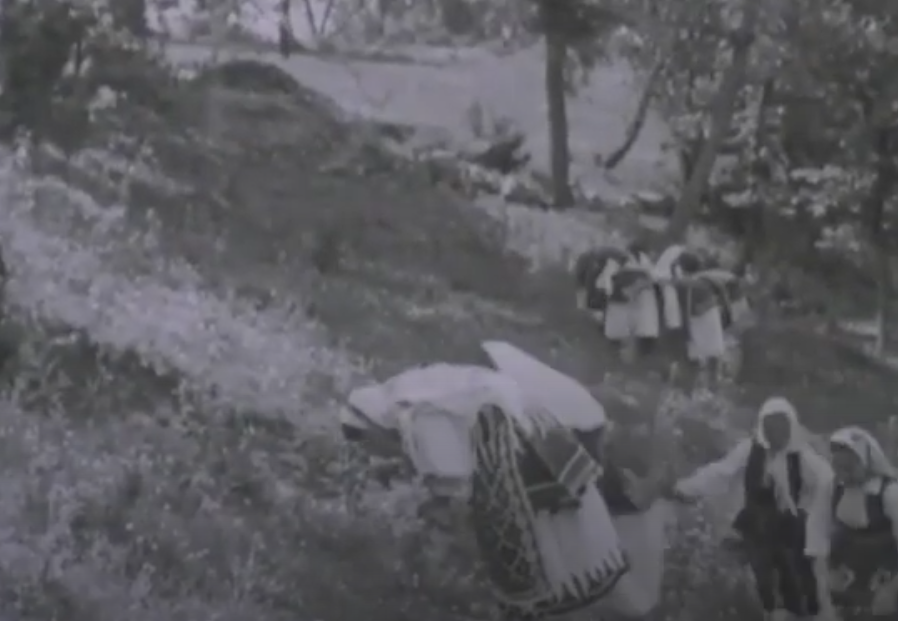
On the morning of St George's day, girls would go to fields to wash their faces in dew, so that they are beautiful all year round. Recorded in Skopska Crna Gora region of Macedonia.


This ritual was widespread among Serbs too, where dew bathing was done on the so called "herb Friday", the last Friday before St George's day, when medicinal herbs were also collected because people believed that they were the most potent on that day. This would explain why washing your face with the morning dew collected from these the plants on that morning was also the most beneficial...I talked about this in my posts "Morning dew" and "Jani", "Parilia"...


Many other traditions which are in Celtic parts of Europe linked to Beltane, 1st of May, are in the Balkans linked to St George's day, indicating that these two calendar markers are one and the same...

Saturday, 4 March 2023

Parilia

Happy Parilia (or Palilia) - This Roman festival, held on 21st April, cleansed shepherds & sheep, honouring the god of shepherds & sheep, Pales. A bonfire was built, with the shepherd and sheep jumping through the flames to be cleansed. The painting by Joseph-Benoît Suvée reimagines the festival

I find it interesting that the Romans didn't know who or what Pales was...But, considering that Ovid says that Parilia predates the founding of Rome, Pales and related rituals are of Pre Roman and most likely of Non Roman origin...

I don't know who or what Pales was either. But I would like here to add few bits of information that might help someone, some day, solve this mystery 🙂 First let's have a look at the Parilia ceremony:

"...After the sheep pen had been decorated with green branches and a wreath draped on the gate, the remainder of the ceremony took place in this sequence..."

"...At the first sign of daylight, the shepherd would purify the sheep: by sweeping the pen and then constructing a bonfire...the shepherd would jump through this flame, dragging his sheep along with him...Offerings of bread and milk were then presented to Pales..."

"...After these offerings, the shepherd would wet his hands with dew, face the east, and repeat a prayer four times...requesting Pales’s protection of the shepherd and the flock..."

"...The final portion of the rural festival made use of the beverage burranica, a combination of milk and sapa (boiled wine). After consumption of this beverage, the shepherd would leap through the fire three times, bringing an end to the ceremony..."

So...21st of April is very close to the 1st of May...Which was in some parts of the world known as Beltane (Bealtaine)...The day that marked the beginning of the Celtic summer (May-Oct), half of the year dominated by the sun...


On Beltane, in Scotland, they purified the sheep and cattle by walking them between two fires derived from single ritually kindled fire...I talked about this in my post "Beltane purification ceremony"...

And they did the same thing in Ireland on the same day...I talked about this in my post "The City"...

21st of April is very close to the 23rd of April, St George's day...And in the past in the Balkans, at the dawn of the St George's day, two fires were lit between which people and domestic animals (sheep and cattle) walked "for protection from diseases and snakes"...

St George being Christianised old Slavic sun god Jarilo (The Brightly Burning one), and snake being the solar animal which follows sun everywhere, it is obvious why people performed snake protection rituals on the day of the sun...

But there is something really interesting about when we celebrate St George and St Michael...The dragon killers...They mark the beginning and the end of the "Old Summer", the domain of the sun, the domain of the dragon...I talked about that in my post "Dragon always gets killed"...


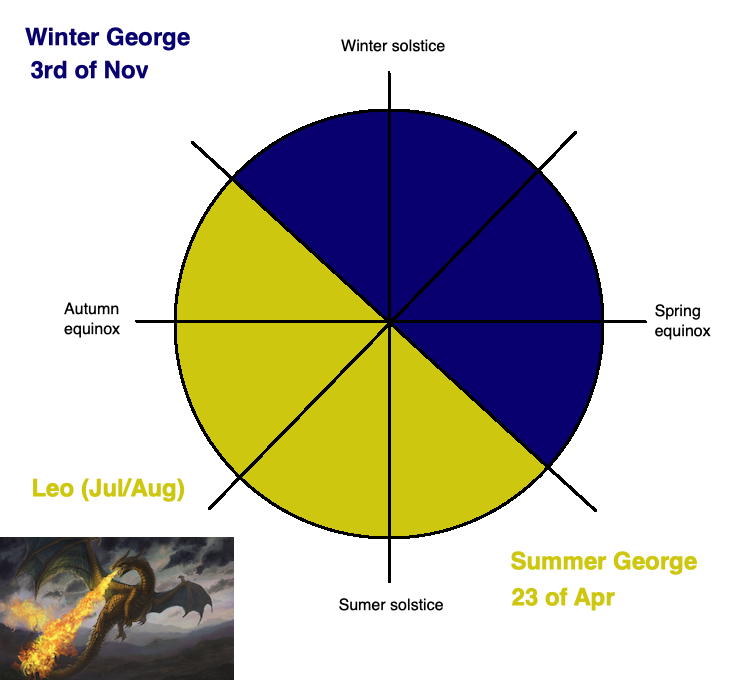
BTW, in the old Serbian calendar, solar year is also divided into summer and autumn...Where summer starts with summer St Georges day, and winter starts with Winter St Georges day...

Summer George icon. 

Winter George icon.

So the fire purification on the day (around) the beginning of the summer...The season ruled by the Jarilo, the "Brightly Burning One"...The one who "pali" (lights up fires)...

It is interesting that in the past, in the Balkans, on the morning of St George's day kids were woken up by being swished with nettles, "to be healthy"...

Nettle sting feels like burning, and the expression in Serbian for being stung by nettles is "ožariti se" (to be burned)...

In the past, in Skopska Crna Gora region of Macedonia, women swept their houses with nettles early in the morning on St George's day, "to sweep all bad things out of the house, because everything runs away from nettles"...From: Ѓурѓовденски обичаи (1956) which sadly isn't available on Youtube any more...

There is an expression in Serbian "on žari i pali" which means "he burns and lights up fires"...Jarilo, Žarilo, Palilo...The Burning Sun of summer...

Shepherd kids making flower wreaths in the spring, most likely for Djurdjevdan (St George's day)...


From the description of the Parilia ritual:

"...After the sheep pen had been decorated with green branches and a wreath draped on the gate..."

In Serbia, on the St George's day people put wild flower and medicinal herbs wreaths on house gates for good luck and health...

I talked about St George (Jarilo) as the sheep and shepherds god in my posts "April" and "Aries must die"...

From the description of the Parilia ritual: "...Offerings of bread and milk were then presented to Pales..."

St George's day rituals involving bread and milk from Serbia: 

This is "kravaj" (pronounced kravay), a ritual bread made in Serbia. It was in the past used during "premlaz", the ritual first milking of the year which is always done the day before St George's day and which marks the beginning of the milking season...I talked about this in my post "Aries must die"...

From the description of the Parilia ritual: "...After these offerings, the shepherd would wet his hands with dew, face the east...pray..."

Just in case you wondered who the shepherd was praying to facing east at dawn...The sun...god..who "pali" (burns)...

Oh, and why would he "wet his hands with dew" before praying?

Well in places where people believed in purification by fire at the beginning of summer, they also believed in purification by dew at the beginning of summer...

This is one custom that I only read about before. On the morning of St George's day, girls would go to fields to wash their faces in dew, so that they are beautiful all year round. Recorded in Skopska Crna Gora region of Macedonia. From: Ѓурѓовденски обичаи (1956) which sadly isn't available on Youtube any more...


But this ritual was widespread among Serbs too, where dew bathing was done on the so called "herb Friday", the last Friday before St George's day. And the Irish did it too, on Beltane morning...Just another indication what St George's day is...I talked about this in my post "Morning dew"...

Interestingly, the same ritual is performed in Latvia on Jāņi day (summer solstice). Girls wash their faces with the morning dew, so their face will always be white and beautiful"...Great example how ritual dates change because of climate...I talked about this in my post "Jani"...

And that's it from me for today...After all this, I still don't know who Pales was...But I could guess...🙂 Especially after I recently found out that one of the names of the Mesopotamian god of death, Nergal, the personification of the destructive, burning sun of the late summer, was "Palil"...I talked about this in my post "Palil"...
To read more about ancient animal and plant calendar markers, start here…then check the rest of the blog posts related to animal calendar markers I still didn't add to this page, and finally check my twitter threads I still didn't convert to blog post...I am 9 months behind now...

Dragon always gets killed

St Mary, Stoke-sub-Hamdon, Somerset. St Michael slaying the dragon


Some say that i's not St Michael, but that it is instead St George...St Michael or St George? Who cares as long as the dragon gets killed...

But there is something really interesting about when we celebrate St George and St Michael...The dragon killers...

Here's why:

Snake is a pure solar animal. It is in our world when sun is here (day, hot half of the year) and it is in the underworld when sun is there (night, cold half of the year)...I talked about it in my posts "Chthonic animal", "Enemy of the sun", "Letnitsa treasure"...

Which is why snake is one of the most common and the oldest solar symbols, symbol of the sun and specifically sun's heat.

Two very interesting objects from the 10,000BC  Pre-Pottery Neolithic B site Körtik Tepe, located in the Diyarbakır district of Turkey. Thanks @MattSibson for the great info about early Anatolian sites...I talked about snake in Early Neolithic Anatolia in my post "Goat and snake from Körtik Tepe"...

Snakes are also found "flying" above the head of the Mesopotamian Sun god Shamash...I talked about this in my posts "Sun god from Tell Brak" and "Shamash playing with solar horse"...

And we find the sun god holding snakes, or having snakes for arms in Ancient Bactria too...This is 3rd millennium BC, Bactrian seal depicting the sun god (see heat rays emanating from his shoulders) holding snakes, symbols of sun's heat...See snakes, Solar animals number one, the symbols of sun's heat...I talked about this in my posts "Nude winged hero dominating snakes" and "Bactrian snakes and dragons"...

And according to Slavic mythology, dragon is just "an old snake", the symbol of the destructive sun's heat of the late summer which burns everything and brings drought...I talked about this in my posts "Letnitsa treasure" and "Dragon who stole rain"...

When I say late summer, I mean Jul/Aug, period of the year marked with a lion, Leo. Which is why Mesopotamians depicted Nergal, The God of Death, The  Destructive Sun, as lion man...I talked about this in my posts "Winged superhuman hero" and "Angra Mainyu"...

Because sun's heat is strongest in Leo, is the reason why in Iraq, in Tell Asmar, people depicted dragons with lion body. But also with seven snake heads, one of each sunny, hot month of the old Sumerian summer...I talked about this in my post "Seven headed dragon"...

Oh look, dragon killers and princess...

Did you see the two Sumerian dragon killers, one at the head and the other at the tail of their 7 headed dragon? Sumerian summer, the time of dragons, started in Apr/May and ended in Oct/Nov...


Guess when we celebrate the two "Christian" dragon killers?


The beginning and the end of the "Old summer" are marked by St George's day and St Michael's day...At Serbian Orthodox church celebrate them on these days (according to the Julian calendar)...

BTW, in Serbian Orthodox church tradition, the beginning and the end of the "Time of Dragons", the hot sunny half of the year, are also marked (guarded) by Two Georges, Summer and Winter St George's day... I talked about this in my post "Two Georges"...

So don't worry. The dragon can't escape 🙂 

To read more about ancient animal and plant calendar markers, start here…then check the rest of the blog posts related to animal calendar markers I still didn't add to this page, and finally check my twitter threads I still didn't convert to blog post...I am 9 months behind now...

Friday, 3 March 2023

April

Happy 1st of April. Part of a mosaic pavement with the personification of the month of April as a man carrying a lamb. Early 6th century AD, Stone and marble, 1.23 ×1.10 m. From Thebes...

1st of April marks the middle of Aries...Aries originally had nothing to do with stars...It marked the end of the lambing season of the Eurasian wild sheep. I talked about it in my article "Ram and bull"...


Also, in the past in Bosnia, Serbs used to "let rams jump the ewes" on Lučindan (St Luke's day, 31st of Oct)...


With sheep gestation period of around 152 days, this means that the lambs were born right in the middle of Aries (March 21 – April 19)...

Basically they continued to follow the natural mating birthing cycle of wild sheep...

Just like Taurus originally had nothing to do with stars. Taurus marked the beginning of the calving of the Eurasian wild cattle. I talked about that in the same article "Ram and bull"...


After sheep domestication, Aries started marking the end of the lambing and the beginning of the milking season of domesticated sheep...A very important annual event which was in Serbia marked by the ritual first milking...I talked about this in my post "Aries must die"...

This is what is marked by St George's day. This day marks the end of the old winter (Oct/Nov-Apr/May) and the beginning of the old summer (Apr/May-Oct/Nov)...The end of lambing and beginning of miling season. And the driving of the flocks to the highland pastures...

Article about Torine katun (highland shepherds camps) used by local people from Montenegro since Neolithic... 

When a lamb is decorated like this in Serbia, it means that it's destined to be sacrificed to St George...Aries must die so Taurus can begin...Lamb sacrificed to a Calf...I talked about this in my post "Aries must die"...

In Serbia, St George is just a Christianised Jarilo, The Sun God, whose name means "The brightly burning one". Jarilo, The Burning Sun, The Dragon...Who became The Dragon Killer...I talked about this in my post "Letnitsa treasure"... 

So question: Is good shepherd the Sun God, bringing Aries (marks the end of the lambing season of the wild Eurasian sheep) to be sacrificed to Taurus (marks the start of the calving season of the wild Eurasian cattle)...Spring in Aries ends, Summer in Taurus begins...


Oh and don't forget this: The most ancient depiction of Archaic Greek Hermes is this bronze from the 6th century BC. Hermes Kriophoros is wearing a tunic with belt and zig-zag pattern, has wings on his legs, and is bearing a ram...God born in Apr/May carrying a ram?


Just a progression of the sun year from Lamb (Spring) into Calf (summer)...I talked about this in my posts "
Symbols of the seasons" and "Four living creatures"...


Which is why Pig (winter) is followed by Sheep (Spring) is followed by Bull (Summer) in Roman suovetaurilia...Animal calendar markers aligned in one of the most sacred and traditional rites of Roman religion. I talked about this in my post "Suovetaurilia"...


Finally, you might find this interesting too: In Levant, the time between the sowing and harvesting of grain spans 7 months. The seal of the last, 7th, grain container is opened in Aries which marks the end of the lambing season of wild sheep. Lamb opening 7th seal? Sounds familiar... I talked about this in my post "Seven seals"...


To read more about ancient animal and plant calendar markers, start here…then check the rest of the blog posts related to animal calendar markers I still didn't add to this page, and finally check my twitter threads I still didn't convert to blog post...I am 9 months behind now...

Tuesday, 14 January 2020

Two Georges

In Gaelic calendar, year was divided into two parts: the light (hot) part, which started on Bealtaine (1st of May) and ended on Samhain (31st of October), and the dark (cold) part, which started on Samhain (31st of October), and ended on Bealtaine (1st of May)

Interestingly, the same division of the year exists in Serbian calendar, where the light (hot) part starts on St George's day and ends on St Mitar's day and the dark (cold) part starts on St Mitar's day and ends on St George's day...I talked about this in my post "Two Crosses".


St George's day is celebrated on the 23rd of April, just few days before the beginning of summer (6th of May, mid point between Spring Equinox and Summer Solstice)...This day is said to commemorate the day of execution of St George. Icons made for this day depict St George on a horse with a spear killing the Dragon...


In Serbia, there is another St George's day which is celebrated on the 3rd of November. Just before the beginning of winter (5th of November, mid point between Autumn Equinox and Winter Solstice). This day is said to commemorate the consecration of the church in Lydda, built by Constantine the Great, which housed the relics of the Saint George...Icons made for this day depict St George standing with a spear...


It is interesting that these two St George's days mark the beginning and the end of the white (hot) part of the year dominated by the sun...When we know that St George is Christianised Jarilo, Slavic sun god...


In Slavic mythology snake is the symbol of the sun, sun's heat. Snakes come to the surface during white, hot part of the year. During the summer, the hottest part of the year, sun's heat becomes destructive. This is burning sun is symbolically represented as a dragon breathing fire. 

As I said I always found it very funny that the Sun God Jarilo, whose name means Brightly Burning, Raging one, Who is the Dragon, was replaced by St George, Dragon killer. And that St George kills the Dragon on the day which is in Gaelic calendar known as Bealtaine (The day of the brightly burning fire). The day when people light up bonfires to mark the beginning of Summer, the hottest part of the year. The day when sun snake turns into a sun Dragon. 

St George also kills himself (Jarilo, Dragon) on the day when he was apparently executed according to Christian cannon...

All very strange and coincidental...

In the past in Serbia, the St George's day marking the beginning of summer, was the day by which the flocks were brought up to the highland pastures. And the St George's day, marking the beginning of winter, was the day by which the flocks were brought down from the highland pastures...

Which is why St George is the patron saint of shepherds...I talked about many interesting Serbian rituals related to sheep performed on the St George's day marking the beginning of summer in my post "Aries must die".

By the way, there is another Sun god which is also a Shepherd god...

Apollo...


Apollo who is Greek Jarilo...

Just in case people still wonder whether Apollo was originally Shepherd God who acquired attributes of a Sun god. It was probably the opposite...