Showing posts with label Roman folklore. Show all posts

Sunday, 2 February 2025

Dewy head

"Greetings to the hair of your head, spun like silk,

and to your head with its curly locks,

O George, star brighter than (other) stars!

May the ointment of his dewy head refresh me every morning,

like the rain of grace a thirsty field!"

This is one stanza of the liturgical poem መልክአ፡ ጊዮርጊስ፡, "The Image of George". This genre of poems praises the body parts of a saint from the head and down to the feet...
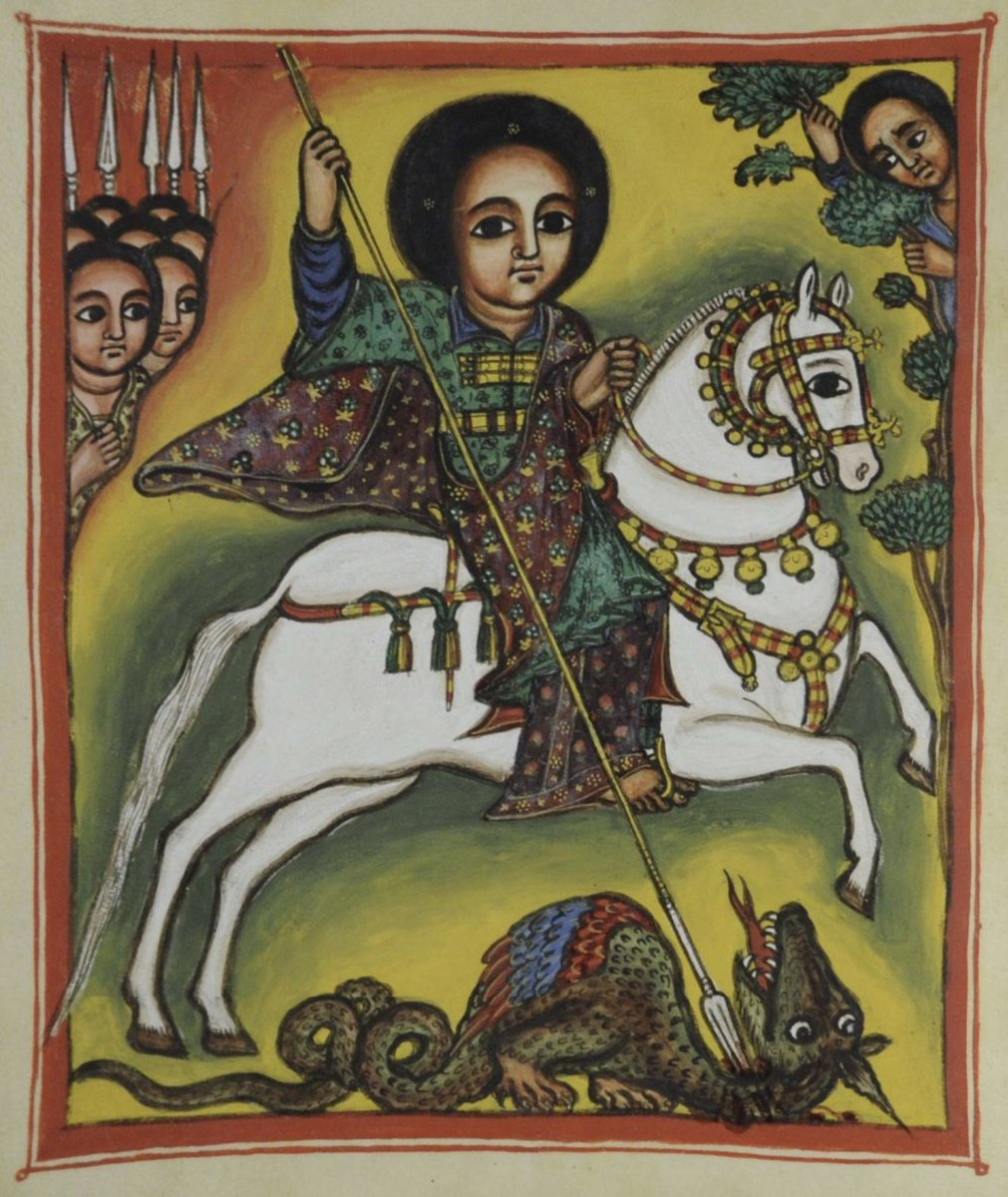

Ethiopia, 18th c.

I want to thank @ArtEthiopic for all his hard work promoting amazing Ethiopian religious art...

And I want to add few comments that might explain the last two verses:

"May the ointment of his dewy head refresh me every morning, like the rain of grace a thirsty field..."

Rains arrive to Ethiopia in Mar/Apr...Right on time for St Georges day...Full blown monsoon starts in Jun...You can read about Ethiopian climate here...
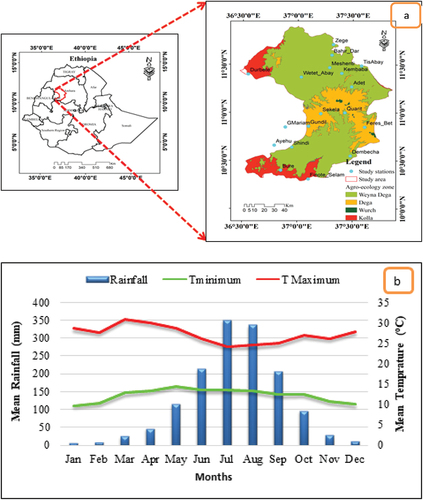
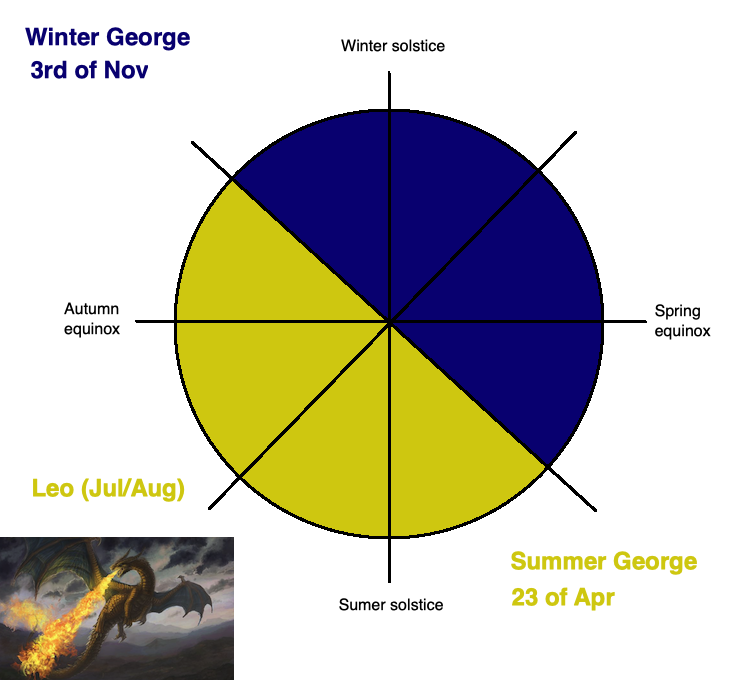
Interestingly, in Serbian Orthodox calendar, the beginning and the end of the "Time of Dragons", the hot sunny half of the year, is marked (guarded) by Two Georges, Summer and Winter St George('s day)...In Ethiopia, the climate is the opposite to the one in Serbia...I wrote about this in my post "Two Georges"...
Speaking of dew, this also might be of interest:

Irish riddle

Q: I wash my face in water that has never rained nor run, and dry it in a towel that was never wove on spun   
A: A face washed in Mayday dew and dried in the open air.  

The same tradition is in the Balkans linked to St George's day, Jurjevo. 

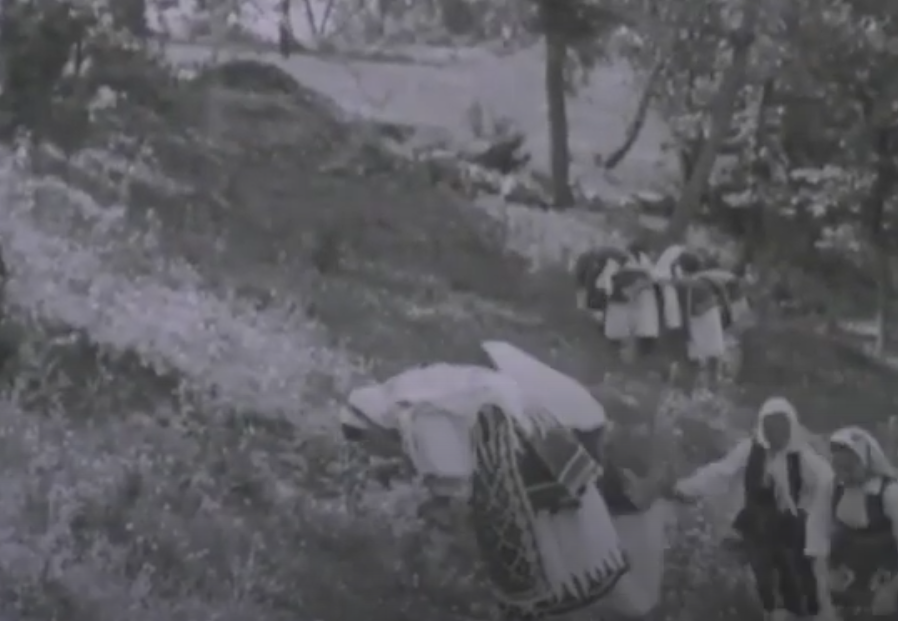
On the morning of St George's day, girls would go to fields to wash their faces in dew, so that they are beautiful all year round. Recorded in Skopska Crna Gora region of Macedonia.


This ritual was widespread among Serbs too, where dew bathing was done on the so called "herb Friday", the last Friday before St George's day, when medicinal herbs were also collected because people believed that they were the most potent on that day. This would explain why washing your face with the morning dew collected from these the plants on that morning was also the most beneficial...I talked about this in my posts "Morning dew" and "Jani", "Parilia"...


Many other traditions which are in Celtic parts of Europe linked to Beltane, 1st of May, are in the Balkans linked to St George's day, indicating that these two calendar markers are one and the same...

Friday, 12 March 2021

Scullball

Of the 52 skeletons discovered in the fourth-century A.D. Roman cemetery discovered in the village of Great Whelnetham in Suffolk, England, 17 had been decapitated and the heads were placed between their owner's legs or feet. Why? Well... 

When archaeologists opened medieval graves at a highway construction site near Gliwice, Poland, they came across skeletal remains of humans whose severed heads rested upon their legs...


Apparently this is an ancient Slavic burial practice for disposing of suspected vampires, in hopes that decapitated individuals wouldn't be able to rise from their tombs...Practiced by the Western Slavs mainly...

Now the article about the English Vampire burials says that: "The decapitations might be related to pagan belief systems that held that spirits need to be released for the afterlife or even that the head was a container of the soul."

Which is why the head was cut off...The vampire was "the undead", the body which soul never left...So kind of linked...Otherwise all the dead would have been decapitated, right?

So the question is who were the people buried following Western Slavic vampire burial rituals in the late Roman cemetery in England? Or how did Medieval Western Slavs got to practice Roman Vampire burial rituals???

By the way you do know that Vampire is a Serbian word? 

Few articles related to the Serbian (Slavic) vampire lore: Vampires, Tombstones, Stake, Enemy of demons