Thursday, 24 April 2025

Pretas

In Buddhism, Pretas, the "Hungry ghosts" are pitiable creatures with huge, empty stomachs which suffer constant hunger...

Buddhists believe that beings are reborn as hungry ghosts because of their greed, envy, addiction, obsession, and compulsion and jealousy...

And yet, in the summer there are hungry ghost festivals throughout Asia that feature food and entertainment for the hungry ghosts...

The origin of Buddhist "hungry ghosts" is in Hinduism, where originally Preta was understood as the ghost of any deceased individual. The Sanskrit word "preta" (प्रेत) literally means "departed, deceased, a dead person" derived from "pra-ita" meaning "gone forth, departed"...

Today, the dead are burned and the food is given to them "for a year, until they reincarnate"...But I wonder if this belief about the hungry dead originates from the time before Hindus started to be burn their dead and before Hindus started believing in reincarnation?

Here is why.  Today the Hindu families ritually feed the deceased "whose spirit is often symbolised by a clay mound somewhere in the house"...Why? Is this a remnant of the memory of the the time when the dead were buried under the mounds of clay (earth), under tumuli?

Is it possible that this belief and ritual came to India from the steppe with the Indo-Europeans? Who did bury their dead under the tumuli. And is it possible that these are actually remnants of the ancient Ancestor Cult?

The same ancestral cult featuring ever hungry and thirsty ancestors found among the Slavs for instance? I talked about this in many of my posts, like "Soul breads", "Dead man loaf" and , in which I talked about the breads made for the hungry dead...
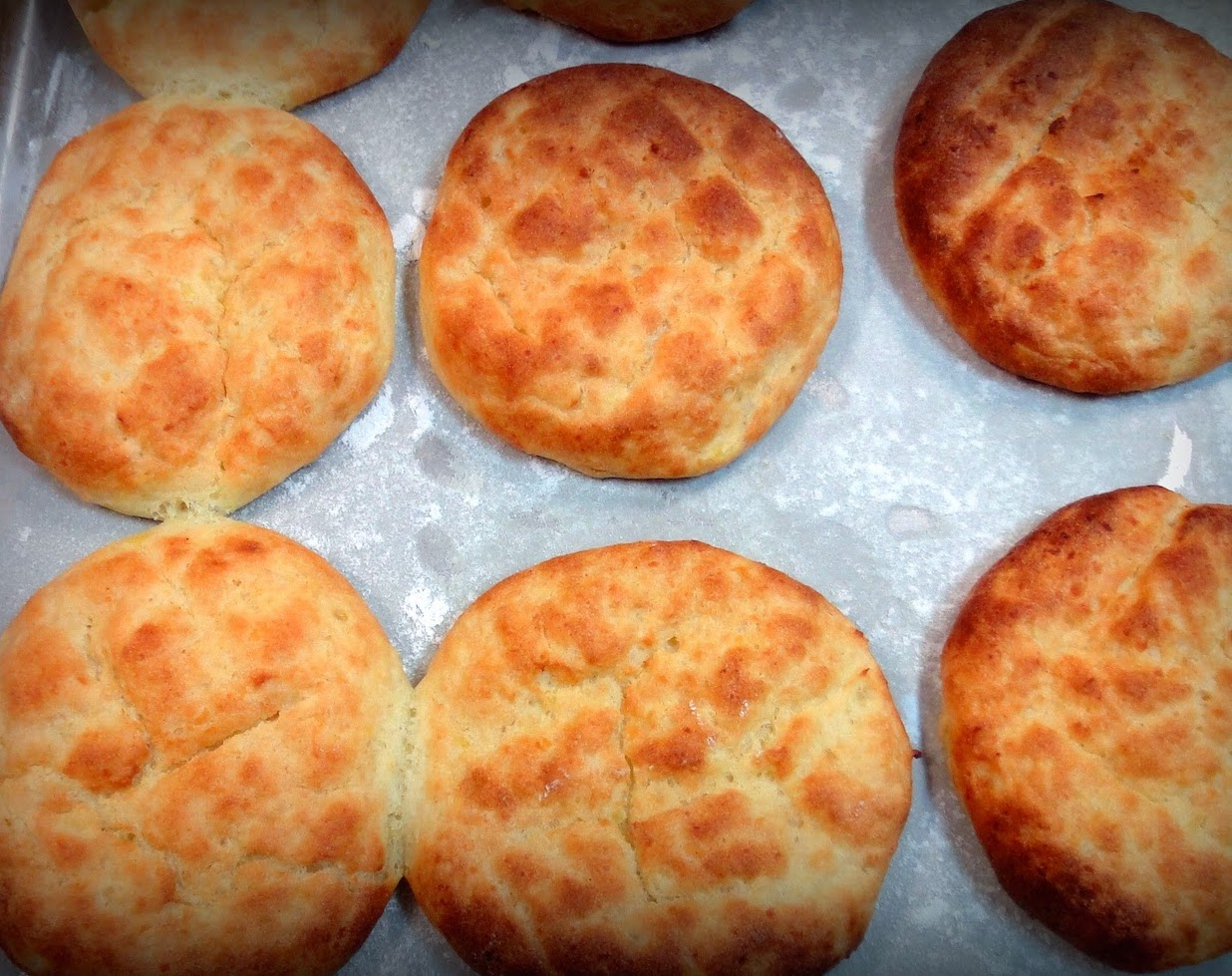
It is interesting that Hindus feed their "hungry dead" rice balls, "which are said to symbolise the body of the deceased"...Just like in the Slavic ancestor cult where ancestors are believed to be the source of grain. 

I talked about this in my post "Diduch", about Diduch (grandfather), symbolic representation of the the dead ancestors who govern the lives of the living... 

Romans too saw direct link between the dead and the grain. I talked about this in my article "Lapis Manalis", about the sacred water stone which covered the entrance into the underworld/grain storage pit...

BTW, while I was looking for a suitable illustration for "lapis manalis" (we don't know what it actually looked like), the sacred stone used as part of a Roman "aquaelicium" (calling of the waters), rain making ceremony performed during droughts, I suddenly realised what cup and ring marks look like...

We find the same link between the dead, the god of the dead, Osiris and grain in Egyptian religion too. I talked about this in these articles where I talk about why Egyptians believed that grain grows from the body of Osiris...I talked about this in my post "The beard of Osiris" and "Braided beard"...
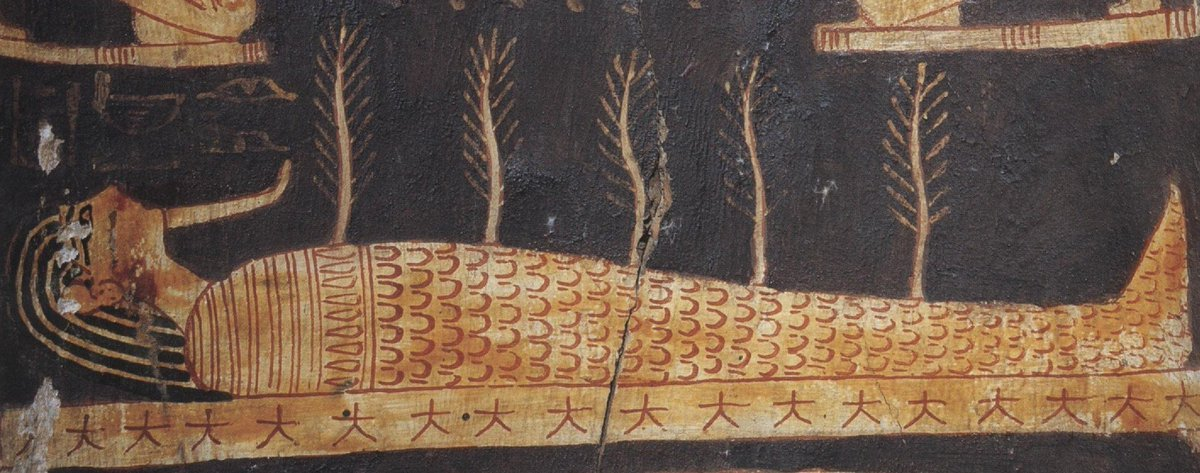

It is this life giving power of the dead, which Pluto (Hades), the giver of wealth, appropriated for himself. And this is why Hades and Persephone are depicted sitting on their throne in the land of the dead, with sheafs of wheat and flowers...I talked about this in my post "Pluto"...

In the Mesopotamian and Hittite ancestor cult, we also find hangry and thirsty ancestors who are also linked to rain and grain. Talked about this in my article "Care of the dead" about the care of the dead in Mesopotamia and Anatolia...

"...humiliation of the Hittite kingdom is the result of the fact that the Hittites have forgotten to respect the sacred bond with their dead..." - Last Hittite king Suppiluliuma II.

Statue of Suppiluliuma II, Hatay Archeology Museum

The last thing that I will say about the "hungry ghosts" is that in China the hungry ghost festival is held on the 15th day of the 7th lunar month which corresponds to Jul/Aug in Gregorian calendar...

During the festivals, people give food to the hungry ghosts and hope for blessings from their ancestors in return...This is the old contract between the dead and the living. The living feed the dead so that the dead will feed the living...The contract the Hittites broke...

The Chinese seventh lunar month, is actually known as the "Ghost Month" or "Hungry Ghost Month," and is believed to be a time of the year when the gates of the underworld open, allowing spirits to roam the earth...

Very interesting, considering that in Mesopotamia, July, or month of Ab, was dedicated to the dead and the dead god, Tammuz, who died and went to the underworld...You can read more about this here...

The rituals of this month, consisted in eating bread in the funeral feasts for the dead god of life, who now reposed in hell, and in carrying torches by night for the souls of the dead who during this month ascended from the underworld to the world of the living...

Interesting, right?


Wednesday, 23 April 2025

Whipping fresco

5th c. BC Etruscan fresco, Tarquinia, Tomb of the whipping...Depicting...Well you can all see the obvious bit that it is depicting...

I will not talk about that. I will talk about the things "hidden in plain view", that most people who look at this fresco don't see 🙂

Do you see the guy on the left who is ... the woman from behind and also whipping her?

What's with the green branches (growing out of) on his head? Are these willow branches? They look like willow twigs to me...

This insignificant detail 🙂 indicates, at least to me, that this is not just a depiction of an ordinary "fun with friends"...I think this is a ritual, a fertility ritual...

Whose traces, a believe, we can still find among Slavs...As part of willow related spring, rebirth (resurrection) of nature, fertility folklore...

Here is why I think that:

Saturday before Palm Sunday is in Serbia known as Vrbica (Willow day). On that day kids and young women make and wear wreaths made of willow twigs and flowers...

On that day, willow twigs with young leaves and flowers, like these, known in English as Pussy Willow are brought to the church where they are blessed the next day, Palm Sunday, which is in Serbia known as Cveti (Flowers day)...

According to the church, this whole willow business is the consequence of the fact that there are no palms in Serbia, and people replaced palm branches with willow branches...Move on, nothing so see here...

There are few problems with this explanation...

Vrbopuc (Willow burst) is an expression which in Serbia means "part of spring during which willow starts growing new green shoots"...

Vrbopuc is also a term used in Serbia for the period of sudden surge of sexual hormones in teenage boys and girls...

Basically willow was directly linked with human fertility...Which is why in the past in Serbia, girls used to make belts from willow twigs (wrap willow twigs around their bellies), and wear them going to the rivers to perform ritual baths performed during this time...

Among Slavs, willow was directly linked with water, water divination....Dodole, young women which took part in rain bringing magic rituals performed during hot summers also wore willow twig belts...

Mother Earth = Yin = Winter, Cold, Wet, Night, Down = Female fertility

Father Sun (Sky) = Yang = Summer, Hot, Dry, Day, Up = Male fertility

Which is why rain, water magic is female magic...

And which is why willow, the tree which grows next to water, is associated with rain, water and female fertility, female sexuality...

Hence ritual whipping of teenage girls by teenage boys using willow whips, performed in the Czech Republic, Slovakia on Easter Sunday...

The teenage boy first sang a a ritual song about spring, bountifulness and fertility, and "the young woman then turned around and got few whacks on her backside with the willow whip"...

Sounds familiar?

This was done "so girl would be healthy, beautiful and fertile throughout the following year"...They would also splash each other with water...

Cause it is water that makes land fertile...And Slavs directly linked female and land fertility...

I talked about Slavic willow folklore in my post "Willow in Slavic folklore"...

Sooooooooo...What do you think? Just a casual threesome or a fertility ritual?

For those who ask if there is a link to Lupercalia?

These are symbolically similar rituals. During Lupercalia, young men whipped women with sacrificial goat skin thongs. Dead goat was, and still is in Europe, symbol of spring...Goat being the symbol of winter. I talked about this in my posts "The birth of Romulus and Remus", "Goat in European culture"...

That's that. Interesting? I think so. 

To read more about ancient animal and plant calendar markers, start here…Then check my twitter threads I still didn't convert to blog post...I am way way behind... 

Monday, 21 April 2025

The birth of Romulus and Remus

Roman Republic, Didrachm, 269BC Apparently, today (April 21) is Rome's birthday...Roman historians dated the city's foundation by Romulus (plus/minus Remus) to c. 750BC, and Plutarch reckoned that Romulus and Remus were born c. 771 BC. But in what month? Let's find out...

The legend:

Romulus and Remus were born in Alba Longa. Their mother, Rhea Silvia, a vestal virgin, was impregnated by the God Mars, when he visited her in a sacred grove dedicated to him...

Rhea Silvia was the daughter of the former king of Alba Longa, Numitor, who was overthrown by his brother Amulius. Seeing Romulus and Remus as a threat to his rule, Amulius, took the kids from Rhea Silvia and ordered a servant to kill them by throwing them into the Tiber River...

But the servant took pity on the twins and instead of throwing them into the river, he placed the twins into a basket and put the basket into the River Tiber, and the river carried the boys to safety...

The river god Tibernus ensured the safety of the twins by calming the river, and causing their basket to catch in the roots of a fig tree which grew at the base of the Palatine Hill in the Velabrum swamp...

The twins were then discovered by a she-wolf (Lupa), who had just lost her cubs. She lived in a cave near the fig, which is today known as the Lupercal. She suckled the twins and they were also fed by a woodpecker...

Eventually, Romulus and Remus were discovered and adopted by a shepherd called Faustulus...

The rest is boring stuff, murders, rapes, wars and other "glorious" stuff...I will leave that to historians and Rome "enthusiasts"...

So...Where do we start? I think with the she-wolf (Lupa). She just lost her cubs...and was still lactating...which means that Romulus and Remus were born during the Italian wolf birthing season...Or just before it...Which is when?
Well, it turns out that the Italian wolf, a special subspecies of the wolf family, begins to mate in the middle of Feb...Right around the time of the very important Roman fertility festival Lupercalia (wolf festival)...

The sacred rites performed during Lupercalia were centred around the Lupercal cave...Yup, the one where she-wolf Lupa lived...And the wild fig-tree to which Romulus and Remus were brought by the divine intervention of the river-god Tiberinus...

Interestingly, some Roman sources name the wild fig tree caprificus, literally "goat fig". 

Why is this interesting? 

Cause the main sacrificial right performed during Lupercalia was a sacrifice of goats at the Lupercal altar by Luperci, Wolf Priests...

After the blood sacrifice, two Luperci had their foreheads anointed with blood from the sacrificial knife, which was then wiped clean with wool soaked in milk, after which they were expected to laugh...

The sacrificial feast followed, after which the Luperci cut thongs (known as februa, hence February) from the flayed goat skin, and ran with these, naked, along the old Palatine boundary, laughing and striking those they met with goat skin thongs...

Plutarch writes that "Many women of rank also purposely get in their way, and like children at school present their hands to be struck, believing that the pregnant will thus be helped in delivery, and the barren to pregnancy"...

Luperci then returned to the Lupercal cave...

So...What's all this about? Remember that Ibex (wild) goats were in Europe used as animal calendar markers for winter (Nov,Dec,Jan)...Because their mating season starts in Oct/Nov...

Article "Goat in European culture", about Ibex goat as an animal calendar marker imbedded in in European cultures and mythologies...

Winter finishes in Jan, and spring starts in Jan/Feb...Right when Italian wolves start mating in Feb/Mar...And when Luperci, wolf priests (spring) kill goats (winter) and use goat skin thongs as magic fertility instruments...

Because in continental Europe nature dies at the beginning of winter, and gets resurrected at the end of winter, and because winter is the season of the goat, the goat has to die, so nature can get resurrected...

Article "Krampus", explaining the link between Mountain Ibex Goats, #Capricorn zodiac sign, #Yule Goat, #Krampus and all the other Christmas related goat characters and masks:


You might like this too: Describe winter zodiac poetically 🙂


A hunter chases an ibex with gold horns up the mountain. At the summit he shoots the goat. The goat is bleeding and dying. But a magic flower grows out of its blood. Goat eats the flower, gets revived and runs away. I talked about this in my articles "Zlatorog-Goldhorn" and "Trentar"...

After the goat was killed by Wolf priests, the sacrificial knife  was cleaned by milk and wool...Feb is the the time when sheep start lambing and lactating...

The sheep stop lambing and the milking season starts in Mar/Apr, in Aries...

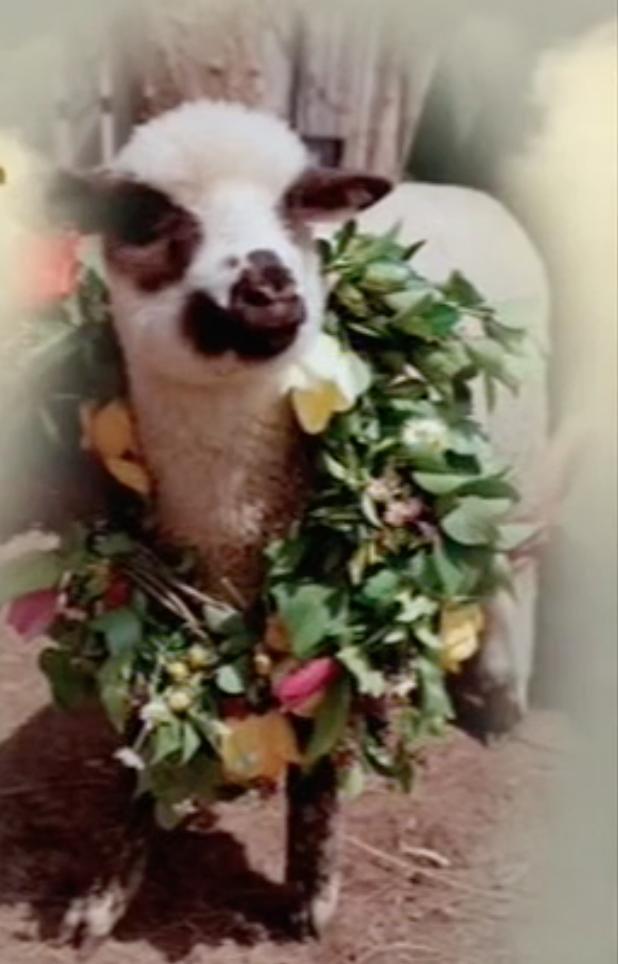
When a lamb is decorated like this in Serbia, it means that it's destined to be sacrificed to St George...Aries must die so Taurus can begin...Spring is sacrificed to summer... 

Also the lambing season is over and the milking season begins. From my article "Aries must die"...

The killing of a dog, together with goats, was a sacrifice to wolves, so that they spare the flocks...

BTW, dog mating season is opposite to wolf mating season...They are opposite calendar markers...Natural antagonists...

When our mythologies were made out of animal calendar markers, Sirius, the Dog Star rose with the sun in Jul/Aug, when mating season of the old dog breeds began...

Egypt: Article about "Dog days"...

Mesopotamia: Article about "Tishtrya"...

India: Article about "The bitch of the gods"...

Anyway, back to Romulus and Remus...The Italian wolf mating season spans Feb/Mar. The gestation lasts 2 months...Which means that the Italian wolf cubs are born in in Arp/May...

And so, Romulus and Remus could have been born in Mar/Apr (Aries) possibly in Mar, the month of their father Mars...But then they would have been a month old before they were thrown into Tiber...

Could that be the case?

I think that Amulius decided to kill Romulus and Remus as soon as he found out they were born...Which means that they were probably born in Apr/May...

Look at this. This is flood chart of the river Tiber. You can see that the floods almost completely subside by Apr/May...Remember that Tibernus "calmed the waters of Tiber down to ensure safety of the twins"...

And then he delivered the basket with the boys to the roots of a wild fig...Where they were "cradled in the shade of the fig branches". Fig trees are deciduous, dropping their leaves in late fall and leafing out again in early spring...

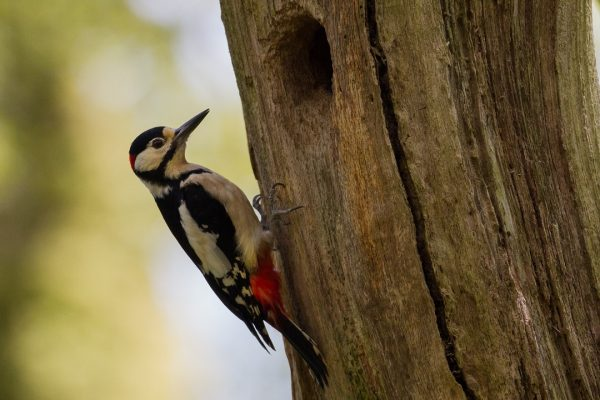
So when are fig leaves fully grown in the area around Rome? Finally, while Lupa was breastfeeding the twins, "woodpeckers were bringing them food too"...Woodpecker was the sacred bird of Mars, the father of Romulus and Remus...

And 4 main woodpecker species in Italy (The great and lesser spotted woodpeckers, Green and Black woodpecker) are nesting in Apr/May...Right on time to feed Romulus and Remus...


The two wolf boys were then found and adopted by Faustulus, the shepherd, and were brought up as shepherds...Interesting...Apr/May is when shepherds take their sheep to the highland pastures...I talked about this in my article "Aries must die"...


Sooooo....Apr/May? Guess what happens in Apr/May? More precisely on the 21st of Apr? The Rome was founded...By Romulus (plus/minus Remus)...

Oh and this is when the flocks are purified during Palilia (Parilia) ceremony...

Palilia (Parilia), the Roman festival, held on 21st April, cleansed shepherds & sheep, honouring the god of shepherds & sheep, Pales. Interestingly, Romans didn't really know who Pales was...So in this article I tried to uncover Pales's the secret identity 🙂 I talked about this in my article "Parilia"...


That's that. Interesting? I think so. 

To read more about ancient animal and plant calendar markers, start here…Then check my twitter threads I still didn't convert to blog post...I am way way behind... 

Saturday, 19 April 2025

Rhomb

Some items of a sexual nature from the Middle Assyrian temple of Ishtar at Ashur. Models of human sexual organs, with holes for attachment and suspension: phalli of stone, and a pubic triangle and vulva of baked clay. Interesting...


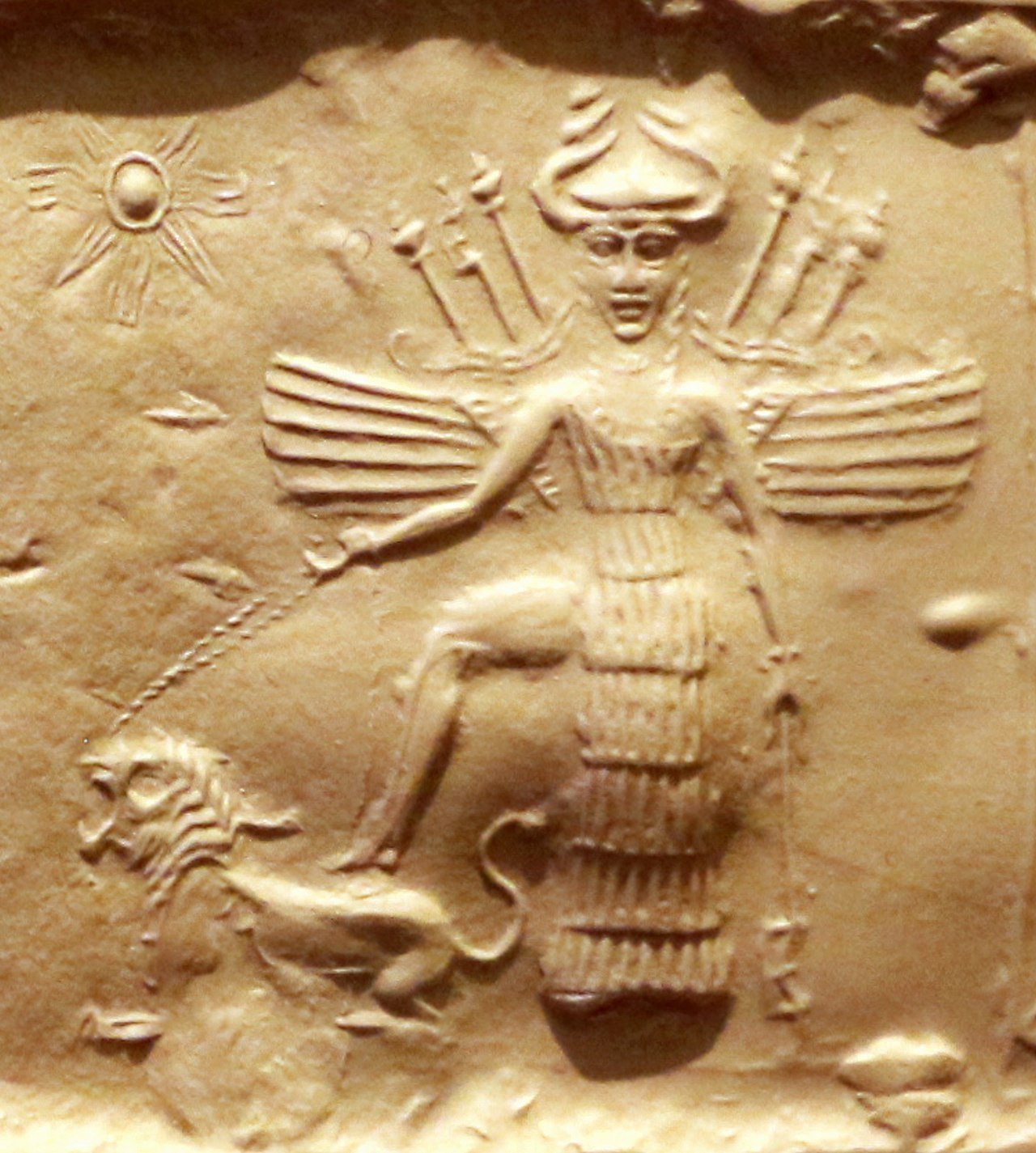
Here is Inanna/Ishtar, deified Sirius, which rises with the sun (morning star) in Leo, Jul/Aug, the hottest time of the year. Which is why she is depicted standing on a lion with the sun above lion's head and is known as "The Lioness of heaven"...

I talked about Inanna/Ishtar as Sirius in many of my posts...

Now look at this: palm tree as a plant calendar marker for Jul/Aug in Mesopotamia. Date harvest season starts in Jul/Aug, in Leo, when Lion (autumn) kills (ends) Bull (summer) and lasts until Oct/Nov. I gave full symbolic analysis of this seal in my post "Lion killing bull under palm tree"...


See the rhombs? Now, originally I proposed that the rhombs depicted on the date harvest seal were symbols for a date fruit. But, could it be that rhombs there were also symbols for Inanna/Ishtar's vulva? 

Palm tree is directly linked with Inanna/Ishtar. I talked about it in my post "Tree huggers" in which I analysed this Babylonian moulded plaque dated to ca. 2000–1600 BC. Currently in the Met Museum, New York...


Guess what ends in Mesopotamia in Jul/Aug, right when the date harvest starts? Grain harvest...

Now remember "Mother of grain"? Look at this:

Mesolithic Lepenski Vir culture from Serbia bone figurine depicting Mother Earth (Mother of grain) whose vulva is giving birth to plants (grain?)... 


Mesolithic Lepenski vir culture from Serbia stone vulva depicting vulva at the start of birth


Grain seeds


Compare their shapes...

The Mother of Grain had a name in Mesopotamia: Inanna/Ishtar. In "The Courtship of Inanna and Dumuzi" we find these verses:

As for me, Inanna

Who will plow my vulva?

Who will plow my high field?

Before my lord, Dumuzi ...

I poured out grain before him

I poured out grain before my womb...

Articles about the Mother of grain in Europe, Central Asia, Mesopotamia, Iran, Levant: "Mother of grain", "Altyn Tepe mother of grain", "A person in a little boat", "Sabi Abyad venus", "Arjoune venus", "Mother of grain from Yarim Tepe", "Hathor grain pendants", "Cup of Nestor", "Sacred marriage on the threshing floor",  "Mother of grain from Mari", "Baba, last sheaf of wheat"...

Ha!!! Right on the next page of the "Gods, Demons And Symbols Of Ancient Mesopotamia An Illustrated Dictionary" we find this 🙂

I guess I was right 🙂 It does depict date fruit, grain seed and vulva...

To read more about ancient animal and plant calendar markers, start here…Then check my twitter threads I still didn't convert to blog post...I am way way behind... 

Mohenjo-Daro boat tablet

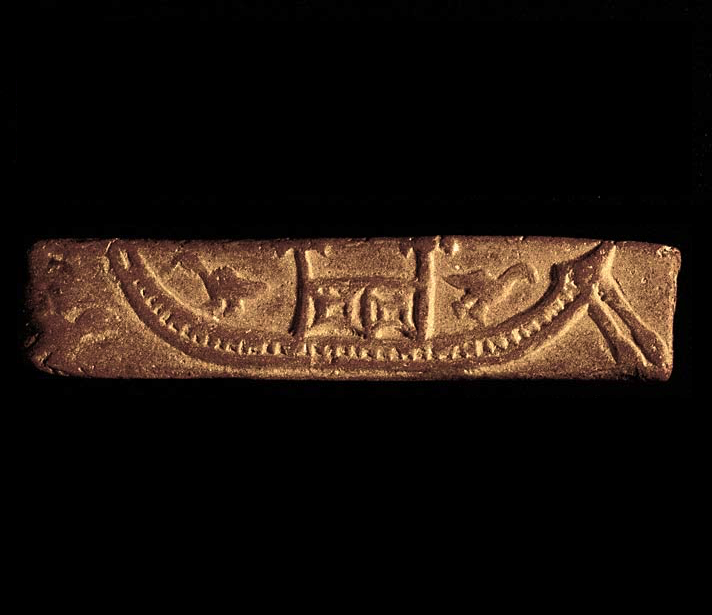
Mohenjo-Daro tablet, 2500–1750 BC, currently in the National Museum, New Delhi. It depicts a flat bottomed river boat with a central hut, "possibly carrying land-seeking birds for navigation". Land seeking birds? On a river boat? 

Can I propose another interpretation?

I would suggest that this is a symbolic depiction of the Indus Valley Flood season, Jul/Aug/Sep...And this symbolic depiction uses the same symbols, including animal and plant calendar markers, used in Mesopotamia of the same period, with the same meanings...Indicating what?

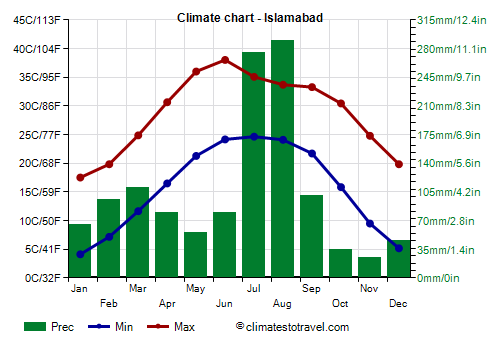
The water level of the Indus river rises from Feb/Mar, peaks in Jul/Aug, falls until Oct/Nov...Chart from this article.


So I would suggest that the boat here symbolically depicts the Indus River flood which happens in Jul/Aug/Sep, during the monsoon season...

WHY BOAT AS SYMBOL OF FLOOD!?!?!? 

In Mesopotamia of the same period, boat was linked to Enki, the god of fresh water and annual flood. I talked about this in these posts: "A person in a little boat", "Feast plaque from Louvre", "Problems of Abzu", "Rain and flood", "Enki's little boat"


I think that this boat is a symbol for Indus River flood, which happens in Jul/Aug, is confirmed by the fact that the central hut has what look like date palm trees for corner beams...

Here is another tablet from Mohenjo-Daro (ca. 2300 BC) which shows the same kind of boat with the same kind of palm hut, where palms are more recognisable....

The two boat images are from harapa.com, great resources for Indus Valley artefacts

Evidence of dates cultivation is continually found throughout later civilisations in the Indus Valley, including the Mohenjo-Daro period from 2600BC...

The date harvesting season in Pakistan, including Indus River valley, is...Jul/Aug/Sep...

Palm tree as a plant calendar marker for Jul/Aug in Mesopotamia. Date harvest season starts in Jul/Aug, in Leo, when Lion (autumn) kills (ends) Bull (summer) and lasts until Oct/Nov. Rhomb is a symbol for a date fruit. I talked about this in my post "Lion killing bull under palm tree"...

Palm tree as a plant calendar marker for Jul/Aug in Arabia:

Copper plaque showing date palm full of dates, growing out of a lion standing on a pedestal. Dedication to the south Arabian moon god Almaqah, Sabaean, 1st c. BC - 2nd c. AD. British Museum. Date palm harvest starts in Leo...Jul/Aug 🙂 

Palm tree as a plant calendar marker for Jul/Aug in Elam:

Elamite seal (Iran), ca. 11th–9th century BC. Met Museum, with description: "Cylinder seal with monster" 😞 Of course this is no monster. It's a lion, marking Leo, Jul/Aug, date palm harvest. I talked about this in my post "Cylinder seal with monster"...

See the Shamash cross above the lion? I talked about this solar symbol in my post "The cross of Shamash"...

Back to our boat tablet from Mohenjo-Daro. The two birds facing the opposite directions. 

They are symbols of migratory (water) birds and their spring northward (starts in Feb/Mar, water level starts rising) and autumn southward (ends in Oct/Nov, water level stops falling) migrations. You can read about bird migration in Pakistan in this article...

In Mesopotamia of the same period, migratory gees were linked to Nanshe, who, like her father, was heavily associated with water and the flood...

Third Dynasty or Ur plaque depicting goddess Nanshe with geese. 

In Sumerian mythology, Nanshe was the daughter of Enki (god of water) and Ninhursag (earth goddess). Why was Nanshe depicted with geese? Animal calendar markers...I talked about this in my posts "Nanshe" and "The foundation peg of the goddess Nanshe"...

But, but...How can we be sure that all these symbols describe Indus River in Jul/Aug and not a ship used by Meluhha (Mesopotamian name for Indus Valley) people to navigate from Indus valley to Mesopotamia? Which is what most people think this image depicts...

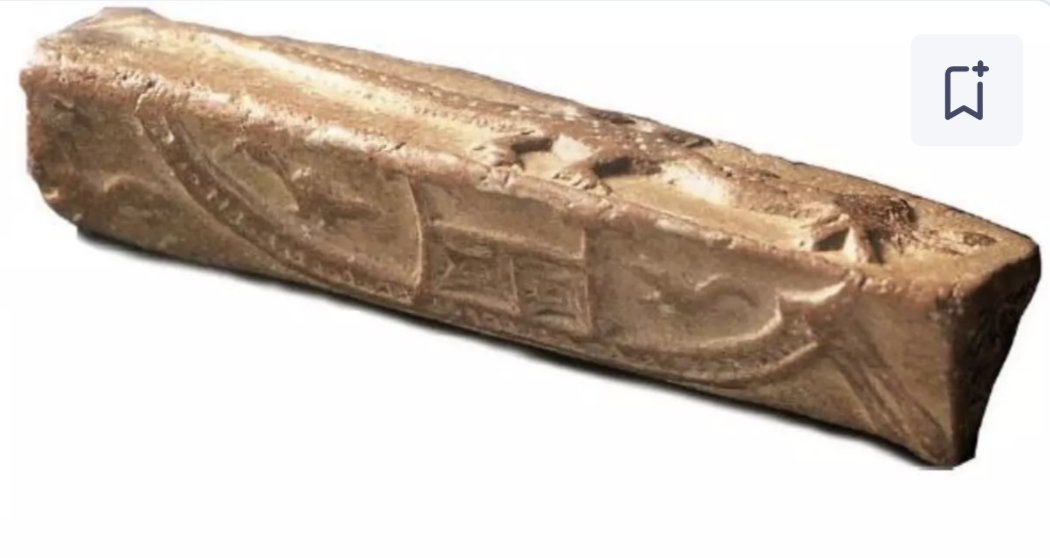
Cause most people have never seen the actual object from which this "tablet" (actually a panel) is part of. Here it is. It is a three sided prism, not a flat tablet...

And the three panels depict

1. The boat with birds whose meaning we just analysed

2. Gharial, the only Indian river crocodile which only eats fish...VERY IMPORTANT!!!

3. An inscription in the Indus Script, no idea what it means

Why is Gharial so important? Cause it is a RIVER crocodile, and also an animal calendar marker for Jul/Aug, peak of the monsoon season.

These, and Indian other river crocodiles, hatch right at the start of the monsoon season, and the beginning of floods...

Which is why Varuna, the old Monsoon god, rides on a crocodile/Makara...


I talked about this in my posts "Makara" and "Yakshi"...

This crocodile was already used as animal calendar marker for Monsoon season in the Indus Valley during Mohenjo-Daro period. 

Is this depiction not of a male warrior but of a female warrior, a Warrior Goddess actually, a Proto Durga, the killer of the buffalo Asura who scared the Devas shitless? From the post "Proto-Durga" with the analysis of this 3rd mill BC Harappan tablet...


That's it. What do you think? To read more about ancient animal and plant calendar markers, start here…Then check my twitter threads I still didn't convert to blog post...I am way way behind...