Mohenjo-Daro tablet, 2500–1750 BC, currently in the National Museum, New Delhi. It depicts a flat bottomed river boat with a central hut, "possibly carrying land-seeking birds for navigation". Land seeking birds? On a river boat?
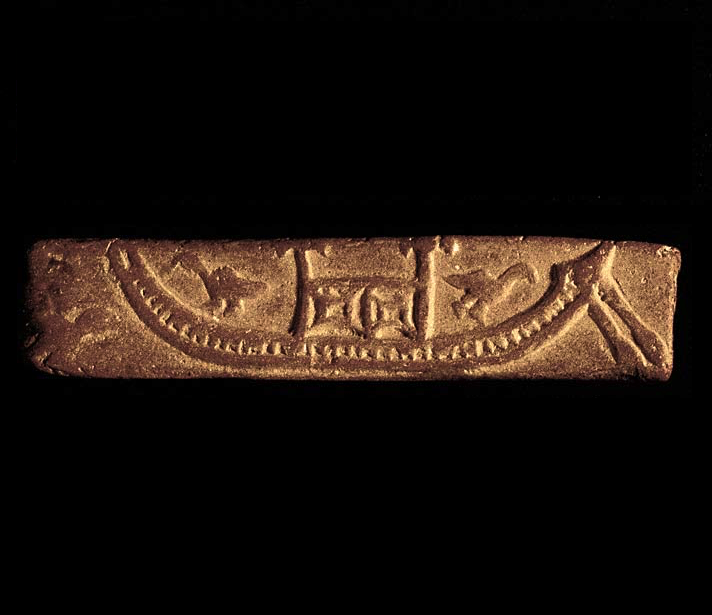
Can I propose another interpretation?
I would suggest that this is a symbolic depiction of the Indus Valley Flood season, Jul/Aug/Sep...And this symbolic depiction uses the same symbols, including animal and plant calendar markers, used in Mesopotamia of the same period, with the same meanings...Indicating what?
The water level of the Indus river rises from Feb/Mar, peaks in Jul/Aug, falls until Oct/Nov...Chart from this article.

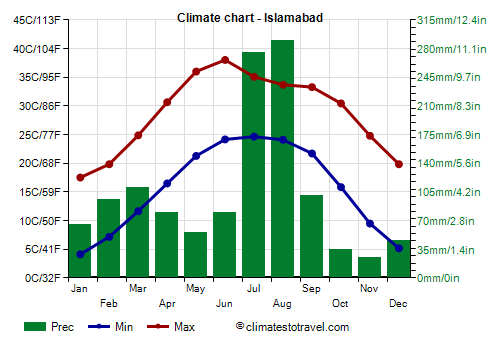
WHY BOAT AS SYMBOL OF FLOOD!?!?!?
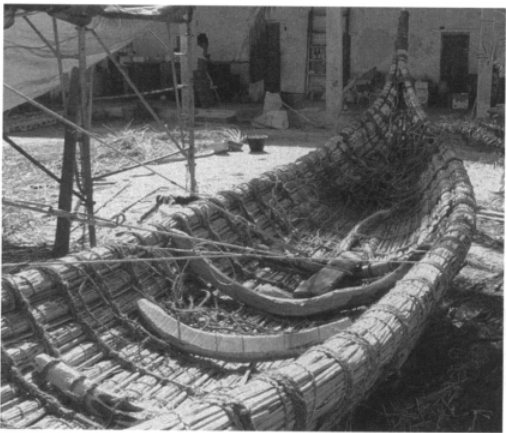
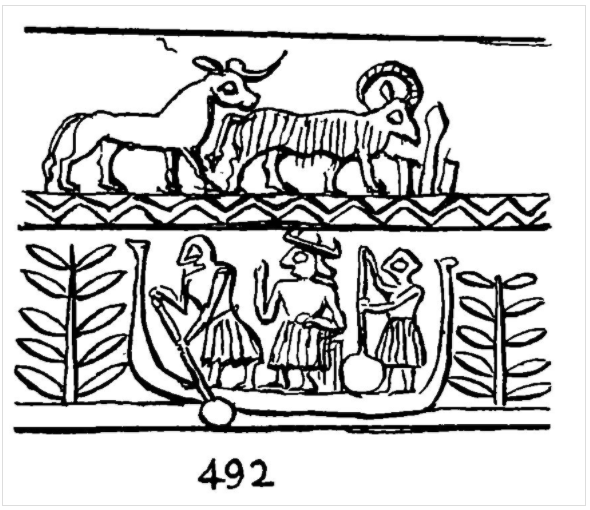
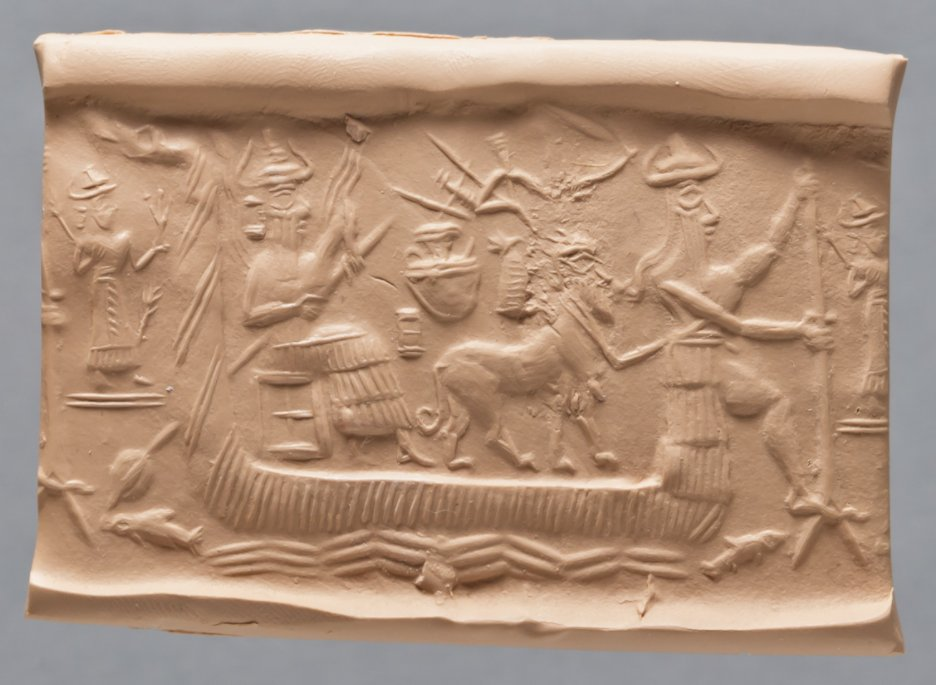
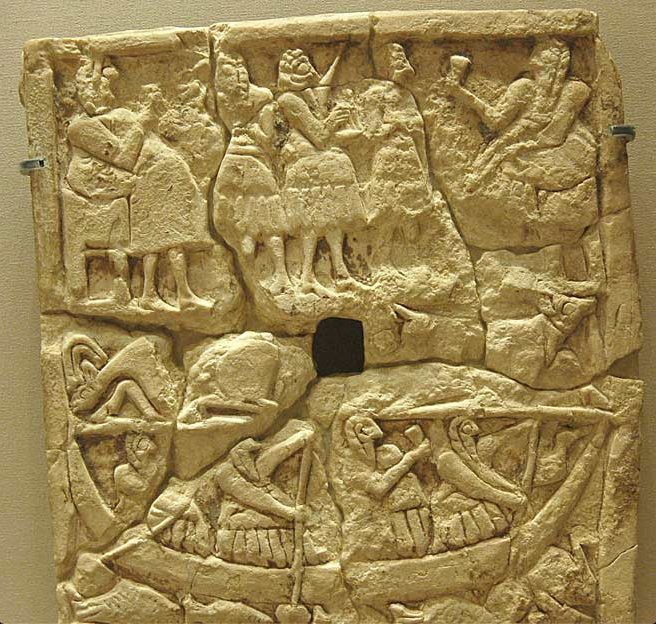
In Mesopotamia of the same period, boat was linked to Enki, the god of fresh water and annual flood. I talked about this in these posts: "A person in a little boat", "Feast plaque from Louvre", "Problems of Abzu", "Rain and flood", "Enki's little boat"

I think that this boat is a symbol for Indus River flood, which happens in Jul/Aug, is confirmed by the fact that the central hut has what look like date palm trees for corner beams...

Here is another tablet from Mohenjo-Daro (ca. 2300 BC) which shows the same kind of boat with the same kind of palm hut, where palms are more recognisable....

The two boat images are from harapa.com, great resources for Indus Valley artefacts
Evidence of dates cultivation is continually found throughout later civilisations in the Indus Valley, including the Mohenjo-Daro period from 2600BC...
The date harvesting season in Pakistan, including Indus River valley, is...Jul/Aug/Sep...

Palm tree as a plant calendar marker for Jul/Aug in Mesopotamia. Date harvest season starts in Jul/Aug, in Leo, when Lion (autumn) kills (ends) Bull (summer) and lasts until Oct/Nov. Rhomb is a symbol for a date fruit. I talked about this in my post "Lion killing bull under palm tree"...

Palm tree as a plant calendar marker for Jul/Aug in Arabia:
Copper plaque showing date palm full of dates, growing out of a lion standing on a pedestal. Dedication to the south Arabian moon god Almaqah, Sabaean, 1st c. BC - 2nd c. AD. British Museum. Date palm harvest starts in Leo...Jul/Aug 🙂

Palm tree as a plant calendar marker for Jul/Aug in Elam:
Elamite seal (Iran), ca. 11th–9th century BC. Met Museum, with description: "Cylinder seal with monster" 😞 Of course this is no monster. It's a lion, marking Leo, Jul/Aug, date palm harvest. I talked about this in my post "Cylinder seal with monster"...

See the Shamash cross above the lion? I talked about this solar symbol in my post "The cross of Shamash"...
Back to our boat tablet from Mohenjo-Daro. The two birds facing the opposite directions.

They are symbols of migratory (water) birds and their spring northward (starts in Feb/Mar, water level starts rising) and autumn southward (ends in Oct/Nov, water level stops falling) migrations. You can read about bird migration in Pakistan in this article...

In Mesopotamia of the same period, migratory gees were linked to Nanshe, who, like her father, was heavily associated with water and the flood...
Third Dynasty or Ur plaque depicting goddess Nanshe with geese.

In Sumerian mythology, Nanshe was the daughter of Enki (god of water) and Ninhursag (earth goddess). Why was Nanshe depicted with geese? Animal calendar markers...I talked about this in my posts "Nanshe" and "The foundation peg of the goddess Nanshe"...
But, but...How can we be sure that all these symbols describe Indus River in Jul/Aug and not a ship used by Meluhha (Mesopotamian name for Indus Valley) people to navigate from Indus valley to Mesopotamia? Which is what most people think this image depicts...
Cause most people have never seen the actual object from which this "tablet" (actually a panel) is part of. Here it is. It is a three sided prism, not a flat tablet...
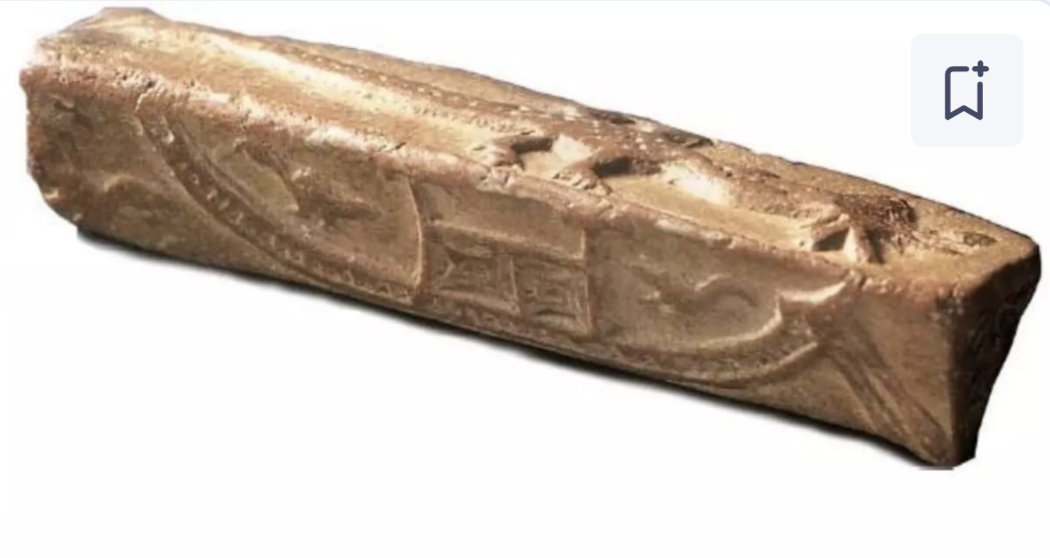
And the three panels depict

1. The boat with birds whose meaning we just analysed
2. Gharial, the only Indian river crocodile which only eats fish...VERY IMPORTANT!!!
3. An inscription in the Indus Script, no idea what it means
Why is Gharial so important? Cause it is a RIVER crocodile, and also an animal calendar marker for Jul/Aug, peak of the monsoon season.

These, and Indian other river crocodiles, hatch right at the start of the monsoon season, and the beginning of floods...

Which is why Varuna, the old Monsoon god, rides on a crocodile/Makara...

I talked about this in my posts "Makara" and "Yakshi"...
This crocodile was already used as animal calendar marker for Monsoon season in the Indus Valley during Mohenjo-Daro period.
Is this depiction not of a male warrior but of a female warrior, a Warrior Goddess actually, a Proto Durga, the killer of the buffalo Asura who scared the Devas shitless? From the post "Proto-Durga" with the analysis of this 3rd mill BC Harappan tablet...

That's it. What do you think? To read more about ancient animal and plant calendar markers, start here…Then check my twitter threads I still didn't convert to blog post...I am way way behind...