Showing posts with label Crocodile symbolism. Show all posts

Sunday, 21 September 2025

White rhino

A 2334-2154 BC cylinder seal depicting Indian elephants, rhinos and crocodiles, all animal calendar markers for monsoon season. 

Made somewhere in Indus Valley Civilisation and found outside of Uruk, ziggurat of Ur, in Akkad, during Saragon II era. Pic plate 61 from "Stratified cylinder seals from Diyala region"...

What does this all mean? Maybe animal calendar markers can help us figure this out. Again...

Indian crocodiles all hatch during the monsoon season...

It is because of this that crocodile is the vehicle of Varuna, the old rain god...

I talked about this in my posts "Makara", "Yakshi", "Maruts"...

BTW, we find Indian Crocodile as an animal calendar marker for the monsoon season during Indus Valley Civilisation. I talked about this in my post "Proto Durga" in which I analyse the scene depicted on this Harappan clay tablet with a "narrative scene"...

And in my post "Mohenjo Daro boat tablet" in which I try to answer the question: Why is the central hut of this flat bottomed river boat depicted oo this 2500–1750 BC Mohenjo-Daro tablet flanked by two date palm trees? 

In the Rigveda, Indra, the thunder and rain god, is associated with a white (cloud) elephant named Airavata...

Why? Indian elephants mate during Indian monsoon season...

This is another proof that Rig Vedas had to have been written in India proper, cause this link between rain gods and elephants makes no sense anywhere else...

I talk about elephant calendar marker in India in my posts "Musth", "Samantabhadra", "Modesty", "Ganesha"...

What about the Indian rhino? I never talked about this animal as an animal calendar marker before. These rhinos breed all year round. So their mating, birthing can't be used as animal calendar marker for monsoon season...

But what they do during monsoon season is that these usually solitary animals form large groups, which then together wallow in the mud. A lot. A lot more than during any other time of the year...

Which means that this wallowing during monsoon season can be used as an animal calendar marker for monsoon season...

So every animal on this strange Indus Valley Civilisation seal found outside of Uruk, ziggurat of Ur, in Akkad is an animal calendar marker for the rain monsoon season in India. Really cool find.

That's it. To read more about ancient animal and plant calendar markers, start here…Then check my twitter threads I still didn't convert to blog post...I am way way behind...

Saturday, 19 April 2025

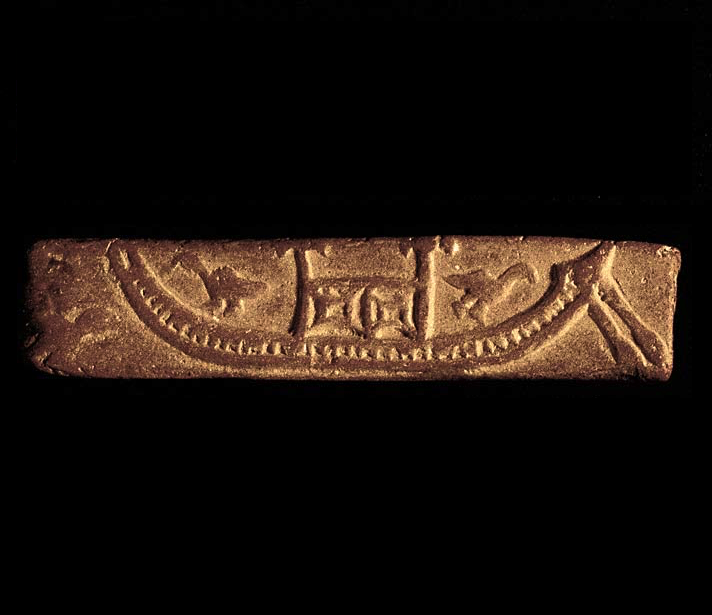
Mohenjo-Daro boat tablet

Mohenjo-Daro tablet, 2500–1750 BC, currently in the National Museum, New Delhi. It depicts a flat bottomed river boat with a central hut, "possibly carrying land-seeking birds for navigation". Land seeking birds? On a river boat? 

Can I propose another interpretation?

I would suggest that this is a symbolic depiction of the Indus Valley Flood season, Jul/Aug/Sep...And this symbolic depiction uses the same symbols, including animal and plant calendar markers, used in Mesopotamia of the same period, with the same meanings...Indicating what?

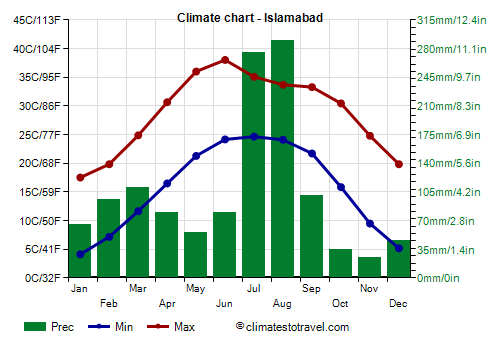
The water level of the Indus river rises from Feb/Mar, peaks in Jul/Aug, falls until Oct/Nov...Chart from this article.


So I would suggest that the boat here symbolically depicts the Indus River flood which happens in Jul/Aug/Sep, during the monsoon season...

WHY BOAT AS SYMBOL OF FLOOD!?!?!? 

In Mesopotamia of the same period, boat was linked to Enki, the god of fresh water and annual flood. I talked about this in these posts: "A person in a little boat", "Feast plaque from Louvre", "Problems of Abzu", "Rain and flood", "Enki's little boat"


I think that this boat is a symbol for Indus River flood, which happens in Jul/Aug, is confirmed by the fact that the central hut has what look like date palm trees for corner beams...

Here is another tablet from Mohenjo-Daro (ca. 2300 BC) which shows the same kind of boat with the same kind of palm hut, where palms are more recognisable....

The two boat images are from harapa.com, great resources for Indus Valley artefacts

Evidence of dates cultivation is continually found throughout later civilisations in the Indus Valley, including the Mohenjo-Daro period from 2600BC...

The date harvesting season in Pakistan, including Indus River valley, is...Jul/Aug/Sep...

Palm tree as a plant calendar marker for Jul/Aug in Mesopotamia. Date harvest season starts in Jul/Aug, in Leo, when Lion (autumn) kills (ends) Bull (summer) and lasts until Oct/Nov. Rhomb is a symbol for a date fruit. I talked about this in my post "Lion killing bull under palm tree"...

Palm tree as a plant calendar marker for Jul/Aug in Arabia:

Copper plaque showing date palm full of dates, growing out of a lion standing on a pedestal. Dedication to the south Arabian moon god Almaqah, Sabaean, 1st c. BC - 2nd c. AD. British Museum. Date palm harvest starts in Leo...Jul/Aug 🙂 

Palm tree as a plant calendar marker for Jul/Aug in Elam:

Elamite seal (Iran), ca. 11th–9th century BC. Met Museum, with description: "Cylinder seal with monster" 😞 Of course this is no monster. It's a lion, marking Leo, Jul/Aug, date palm harvest. I talked about this in my post "Cylinder seal with monster"...

See the Shamash cross above the lion? I talked about this solar symbol in my post "The cross of Shamash"...

Back to our boat tablet from Mohenjo-Daro. The two birds facing the opposite directions. 

They are symbols of migratory (water) birds and their spring northward (starts in Feb/Mar, water level starts rising) and autumn southward (ends in Oct/Nov, water level stops falling) migrations. You can read about bird migration in Pakistan in this article...

In Mesopotamia of the same period, migratory gees were linked to Nanshe, who, like her father, was heavily associated with water and the flood...

Third Dynasty or Ur plaque depicting goddess Nanshe with geese. 

In Sumerian mythology, Nanshe was the daughter of Enki (god of water) and Ninhursag (earth goddess). Why was Nanshe depicted with geese? Animal calendar markers...I talked about this in my posts "Nanshe" and "The foundation peg of the goddess Nanshe"...

But, but...How can we be sure that all these symbols describe Indus River in Jul/Aug and not a ship used by Meluhha (Mesopotamian name for Indus Valley) people to navigate from Indus valley to Mesopotamia? Which is what most people think this image depicts...

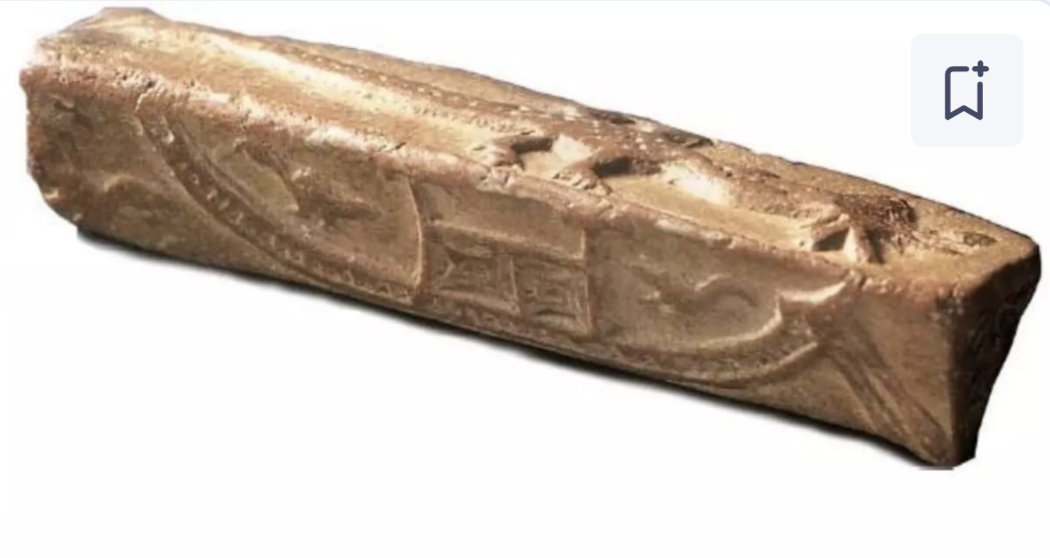
Cause most people have never seen the actual object from which this "tablet" (actually a panel) is part of. Here it is. It is a three sided prism, not a flat tablet...

And the three panels depict

1. The boat with birds whose meaning we just analysed

2. Gharial, the only Indian river crocodile which only eats fish...VERY IMPORTANT!!!

3. An inscription in the Indus Script, no idea what it means

Why is Gharial so important? Cause it is a RIVER crocodile, and also an animal calendar marker for Jul/Aug, peak of the monsoon season.

These, and Indian other river crocodiles, hatch right at the start of the monsoon season, and the beginning of floods...

Which is why Varuna, the old Monsoon god, rides on a crocodile/Makara...


I talked about this in my posts "Makara" and "Yakshi"...

This crocodile was already used as animal calendar marker for Monsoon season in the Indus Valley during Mohenjo-Daro period. 

Is this depiction not of a male warrior but of a female warrior, a Warrior Goddess actually, a Proto Durga, the killer of the buffalo Asura who scared the Devas shitless? From the post "Proto-Durga" with the analysis of this 3rd mill BC Harappan tablet...


That's it. What do you think? To read more about ancient animal and plant calendar markers, start here…Then check my twitter threads I still didn't convert to blog post...I am way way behind...

Saturday, 17 February 2024

Yakshi

2nd century BC relief of Yakshi, a nature spirit associated with water, trees and the fertility of the earth, standing on an elephant. Bharhut, Madhya Pradesh...


Why is Yakshi standing on an elephant? Cause rain/water = fertility...

Indian elephants mate during Indian monsoon season...This eventually lead to "elephant" becoming an animal calendar marker for "monsoon season"...

Which is why Indra, the thunder and rain god, rides on a white (cloud) elephant...

Articles about elephant calendar marker, India: "Musth", "Samantabhadra", "Modesty", "Ganesha"...

2nd century BC relief of Yakshi, a nature spirit associated with water, trees and the fertility of the earth, standing on Makara. Bharhut, Madhya Pradesh...

What is Makara and why is Yakshi standing on Makara? Cause rain/water = fertility...

Relief from the 199-100 BC stupa from Sanchi, Madhya Pradesh, India, depicting Makara, the "mythical being" and a vehicle of Varuna, the ex god of rain and water...Actually a complex animal calendar marker for monsoon season...Pic from: vmis.in

Makara has many forms, from a simple gharial, fish eating, crocodile, used as a mount by Varuna...

...to truly incredible composite beings. Like this one...

But interestingly, all the animals that form main Makara parts either mate or give birth or migrate during the monsoon season, and can be used as animal calendar markers for the monsoon season... I talked about Makara in my post "Makara"...

Makara is one of the best examples of how complex animal calendar markers are formed from overlapping reproductive behaviour of many different animal species...

And how they are then morphed into "mythical beings" linked to gods which control the part of the year these calendar marker once marked...

Also check this article about "Proto Durga", which talks about gharial crocodile as calendar marker, which probably predates Makara, and was the original vehicle of the rain god, before Indra arrived on his elephant...

Which is why Yakshi stands on Makaras...

Yakshas have intimate connection with (life giving) waters: "Yakshas control, not so much the waters as mere waters, but that essence in the waters which is one...with the seed (sperm) in living beings"...

Rain as semen of the Sky father which fertilises Earth mother an creates life...A common "mythological" theme in areas where we have dry and wet season...


Anyway, I think this is kind of interesting...To read more about ancient animal and plant calendar markers, start here…then check the rest of the blog posts related to animal calendar markers I still didn't add to this page, and finally check my twitter threads I still didn't convert to blog post...I am 9 months behind now...

Sunday, 17 December 2023

Proto Durga

A clay tablet from Harappa Wiki page with a "narrative scene"...We know (kind of) what is depicted on the tablet. But we have no idea what the meaning of the depicted scene is...Maybe animal calendar markers can help us understand what the narrator wanted to say...


Tablet description:

"A person, possibly a man, with hair tied in a bun on the back of the head, impales a water buffalo with a barbed spear...In Later Hindu rituals, the water buffalo sacrifice is associated with the worship of the goddess Durga..."

"...On this tablet, the sacrifice takes place in the presence of a priest or deity seated in yogic position. The seated figure wears bangles and a horned and plumed headdress..."

"...Above the head of the hunter is a gharial, a small species of crocodile with a narrow snout that was once common in the Ravi and Indus rivers, but is now almost extinct."

The tablet pic and description are from harappa.com...

That's it...So, what can animal calendar markers add to this? To understand the meaning of this scene we need to look at the climate in India and the lifecycle of the depicted animals: 

water buffaloes


gharial crocodiles

If we look at the climate in India, we can see that the year is divided into two parts: wet part (Jun-September) and dry part (October-May).

So how do the depicted animals fit into this climatic chart? So let start with water buffalo. Remember my post about Mahishasuramardini, The killer of the monstrous Mahisha demon? 

Here's the important bit:

"In the perpetual conflict between Devas and Asuras, in the battle between the gods and the demons, the Devas led by Indra (riding on an elephant) were defeated by Mahisha, the Buffalo demon..."

"...Dejected by their defeat, the Devas assemble in the mountains where their combined divine energies coalesce into goddess Durga..."

"...The newborn Durga, riding on a lion, led a battle against Mahisha, buffalo demon, and killed him. Thereafter she is named Mahishasuramardini, the killer of Mahishasura."

Sooooo... What does all this mean?

To understand this story we need to look at the animal symbolism found in it. Namely 

Water buffalo (bad) 

Asiatic Elephant and Asiatic Lion (good) 🙂


...And the local climate (did that already. phew 🙂)...

Indian elephants mate during Indian monsoon season...

Which is why Indra, the thunder and rain god, rides on a white (cloud) elephant...

Articles about elephant calendar marker, India: "Musth", "Samantabhadra", "Modesty", "Ganesha"

As for lions, Asiatic lions main mating season starts in Jul/Aug, which is why this time of the year is marked with Lion, Leo...This is also the peak of the monsoon season in India...


I talked about this first in this post "Musth".  I also talked about it in my post about "Ardhanarishvara", the union of Shiva and Parvati, which produces (the tree of) life and the river Ganges. 


This is actually a complex calendar marker for the peak of the monsoon season, Jul/Aug, where bull=summer=May/Jun/Jul meets lion=autumn=Aug/Sep/Oct...

And because it is the monsoon season that supports life in India, both Elephant and Lion are positive symbols in Indian mythology, and are ridden by good Gods/Godesses...Unlike the evil buffalo...

Why evil buffalo? Water buffalos, both wild and domesticated, are seasonal breeders in most of their range, and typically mate in Oct/Nov...Which is right at the beginning of the hot/dry part of the year in India...

This is the season of drought and death. 


Hence buffalo demon as a mount of Yama, the god of death...

I talked about it in my post "The bitch of the gods"...

So the above story about Durga, translated from myth to nature using animal calendar markers goes like this: 

Water buffalo mating season starts when elephant mating season ends...Mahisha, buffalo, dry season "defeats" (succeeds) Indra, elephant, wet monsoon season...

Spring and early summer droughts start...People (and Devas, Gods) start to despair. Gods assemble on the mountain (Himalayas start to heat up in Apr/May). And the updraft this creates starts sucking the moist Indian ocean air across India towards the mountains...

The Devas, assembled in the mountains create Durga, the Invincible one, the killer of Mahisha (The monsoon starts)...Durga fights Mahisha for a long time, until finally, she kills him while "riding on a lion" (in Jul/Aug, Leo, peak of the monsoon season)...

And this happens every year which is why this is a "perpetual conflict"...

Amazing...So is this what is depicted on the Harappan tablet? 

"A person, possibly a man (!!!), with hair tied in a bun on the back of the head, impales a water buffalo with a barbed spear..."

I think that the person killing the buffalo on the Harrapan tablet is actually a woman...Durga...Why do I think this? Have you ever seen this figurine from Mohenjo-daro

It is known as "The dancing girl of Mohenjo-daro"...More about her here:

Few interesting things about this girl: She is very young, very slim and has a bun on the back of the head (!!!). Just like the person empaling the buffalo on the Harappan tablet...

So, I think that the person killing buffalo on the Harappan tablet is a girl, most likely Durga...And that the dancing girl of Mohenjo-daro is not actually a dancing girl at all, but could be a depiction of a warrior girl, possibly even Durga...

So far so amazing...What about the crocodile? Gharial is one of three types of crocodiles that live(d) in India: gharials, muggers and salt water crocodiles...


Gharals being the only Indian crocodile species that exclusively eats fish...here is a tablet from Mohenjo-daro depicting a gharial with a fish in its jaws

Now remember my post "Makara", about the mount of Varuna, "a mythical being" which was sometimes (like on this 17th century illustration) depicted as a crocodile...

During the Vedic period, Varuna was "The Man", the Sky God who controlled "The Waters": sea, rivers, rain...As one would expect from a Sky god in India, where rivers are filled with the rain that arrives with the monsoon winds from the sea...


In Vedas, Varuna was also twinned with Indra, the Storm god, and together they are referred to as Indra-Varuna. In Rg Veda 4.42, Varuna explicitly states the connection between himself and Indra:

"I, Varuna, am king...I, Varuna, am Indra [too]"

Eventually, through some political machinations, Indra became the overall ruler of the skies and rain...And Varuna was officially relieved of his "water duties"...

But, the Vedic Varuna, is being revered even now as the God of Rain...

Check Makara post for more info...

So that would indicate that maybe crocodile has something to do rain too? Well of course...In my post about Makara, I explained that crocodile egg hatching occurs during June and July in gharials and muggers and July and August in salt water crocodiles.

Considering that the crocodile eggs incubation period is between 55 and 85 days, that means that the eggs are laid from around the beginning of summer, Apr/May...And the beginning of the monsoon season...

And as the crocodile mothers stay around their nests, and guard them ferociously, the sudden appearance of all these irritable crocodile mums on river banks is the sign that "Varuna the Rain God" is on his way...

Interestingly, on the Harappan tablet, the buffalo and the crocodile are facing the opposite directions...Buffalo (dry season) is departing (being killed) and crocodile (rain season) is arriving...

Ok...What about the horned dude? I think, based on his horns, which are narrow, like bull horns, and not wide like buffalo horns, that this is Shiva, the bull man I talked about in my post "Human-Bull hybrid" about this dude depicted on this Indus Valley civilisation seal from Mohenjo-Daro, dated to 2600-1900BC, now in National Museum of Karachi (inv NMP 50,214)

So that's it...What do you think? Please share it with others if you like it. It would mean a lot to me...

To read more about ancient animal and plant calendar markers, start here…then check the rest of the blog posts related to animal calendar markers I still didn't add to this page, and finally check my twitter threads I still didn't convert to blog post...I am 9 months behind now...