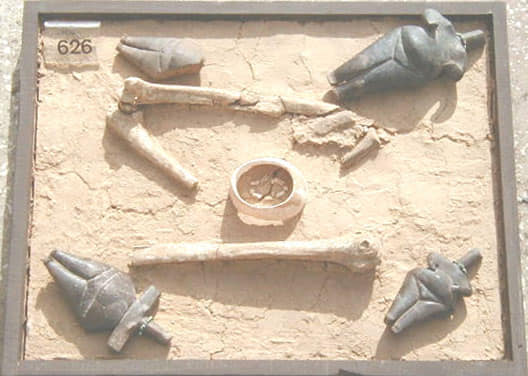
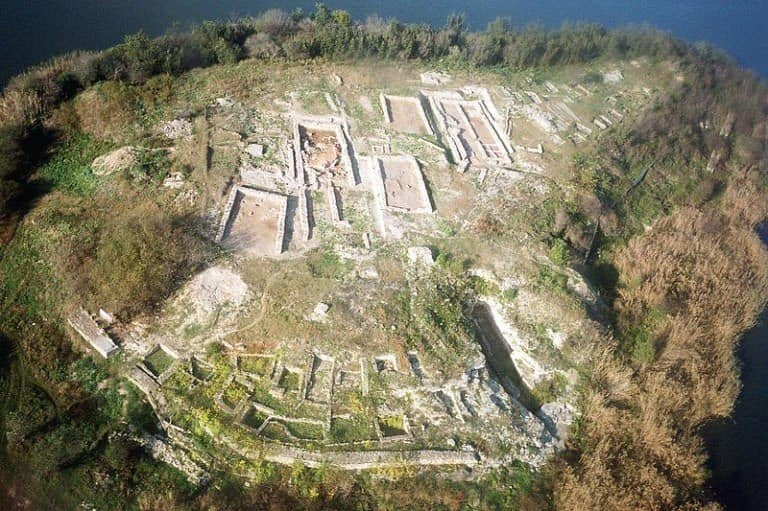
Ceramic figurines with bronze necklaces, found in the Durankulak settlement of the Late Neolithic Hamangia culture, which flourished in Dobruja (Romania and Bulgaria) during the period 5250-4500 BC. The people of this culture seem to have been immigrants from Anatolia...
The figurines were found together as a group...
Archaeologists also found figurines with bracelets...
And women buried with lots and lots of jewellery...BTW, all the figurines with jewellery were female...
Here are some examples of the jewellery found in the Hamangia culture graves...
Durankulak settlement on Golemija ostrov in Bulgaria consisted of rectangular wattle and daub houses with stone foundations...Not huts...
The same kind of houses (barns, cowsheds) which were until the 20th c still built in the Balkans, except the roof was covered by thatch...
Sources: "Hamangija culture", "Durankuluk"ARCHAEOLOGICAL COMPLEX DURANKULAK (Regular Excavations on Golemija ostrov Tell in 2018)
ARCHAEOLOGICAL COMPLEX DURANKULAK. Regular Excavations on Tell Golemija ostrov in 2020. (Presentation 2021)
NEOLITHIC SETTLEMENTS ON BALKAN a comparative study between Durankulak and Sitagroi
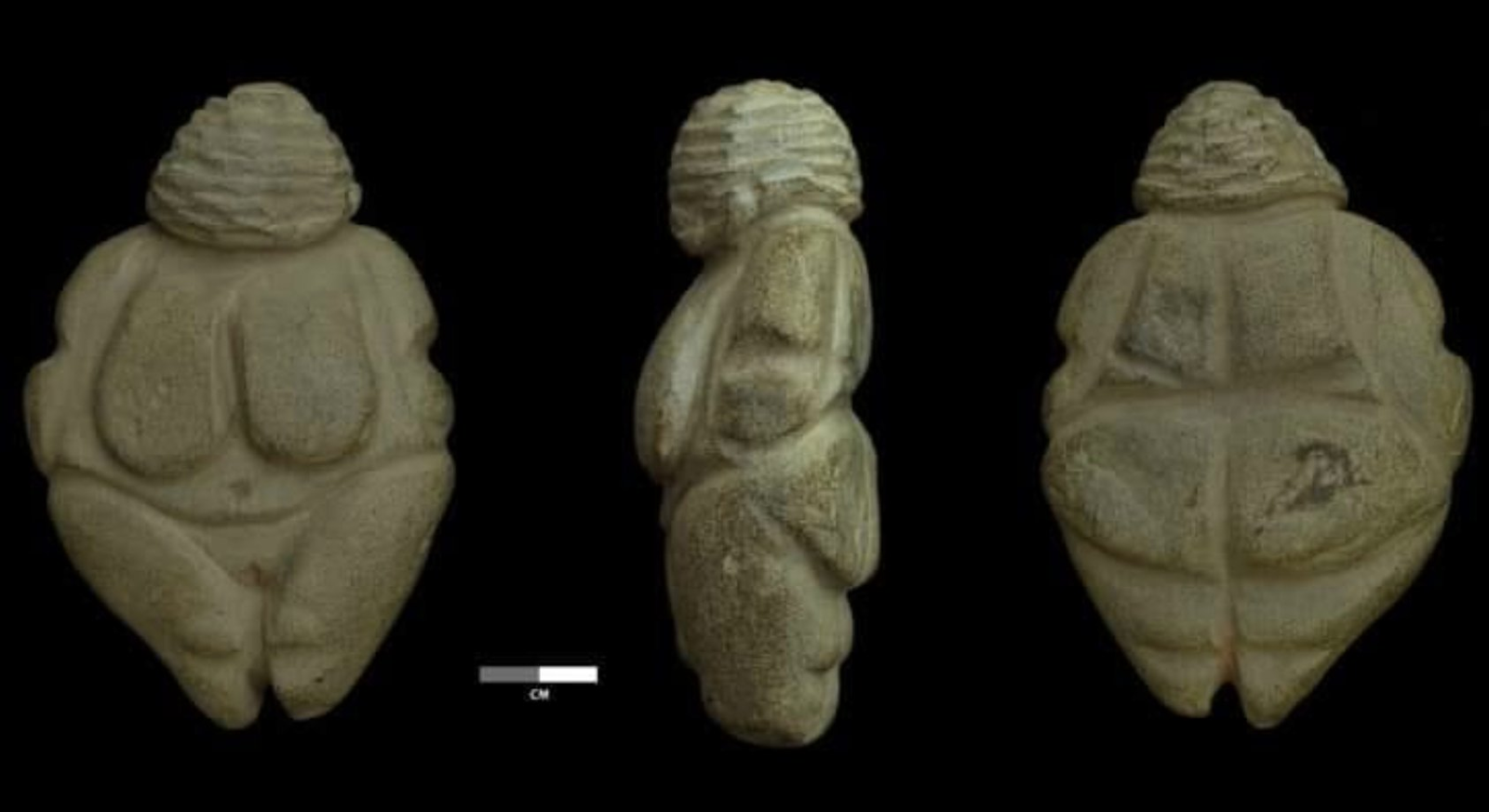
PS: These Neolithic Venus figurines are again faceless, with exaggerated sexual characteristics. Basically depicting the idea (goddess) of fertility. Just like Palaeolithic Venus figurines.
Pic: 17,000 years old Venus of Piatra Neamț, discovered on June 21, 2019, in the area of Piatra Neamț, Romania.
Talked about this in my posts "Palaeolithic Venus figurines", "The faceless one", "Motanka".
At the same time when Durankulak people made their faceless goddesses, a gynomorphic (woman like) figurine was made of "soil mixed with chaff and grain seeds" in Grčac, Serbia. by the people of the farming Proto-Starčevo culture, 6200-5500 BC. Direct symbolic link between earth, grain and female fertility. Basically, "Mother of Grain".
Articles about the Mother of grain in Europe, Central Asia, Mesopotamia, Iran, Levant: "Mother of grain", "Altyn Tepe mother of grain", "A person in a little boat", "Sabi Abyad venus", "Arjoune venus", "Mother of grain from Yarim Tepe", "Hathor grain pendants", "Cup of Nestor", "Sacred marriage on the threshing floor", "Mother of grain from Mari", "Baba, last sheaf of wheat"...
The fact that the people from Durankulak who made these Fertility (Mother Earth) figurines and then put necklaces and bracelets on them, the same type of jewellery worn by the local women, tells me the they have also already symbolically linked the the Earth fertility and female fertility. This symbolic link is still found in Europe, particularly in farming communities in the Balkans and Eastern Europe...
I talk about this in my article "Baba, last sheaf of wheat" and the linked articles...