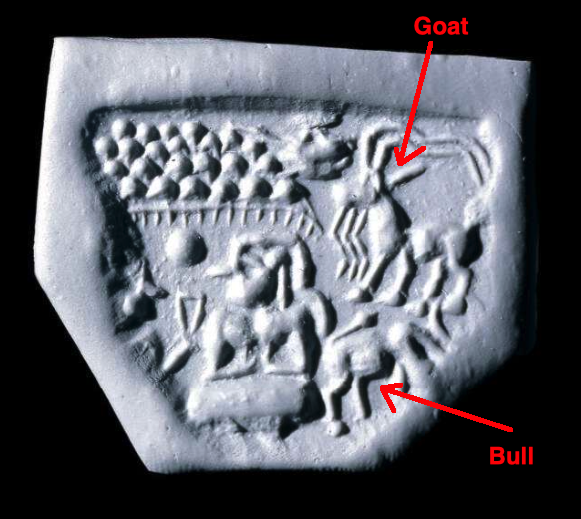
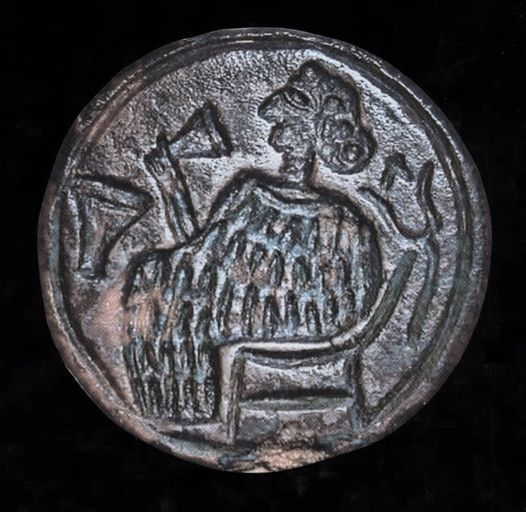
I would like to analyse the scene depicted on this Lapis lazuli seal, made between 2400BC and 2000BC in Eastern Iran. Currently in the British Museum.
It is actually quite amazing...
So what is depicted on this seal? Well, I think that this is a calendar, which depicts the wet season in Eastern Iran, using animal calendar markers: Goat, animal calendar marker for Oct/Nov and Bull, animal calendar marker for Apr/May...Let me show you why...
This is the map of Iran. On it I circled Eastern Iran and I underlined the 4 main cities in the region: Mashhad, Birjand, Kerman and Zahedan...
These are precipitation charts for these 4 main cities in Eastern Iran...
You can see that the wet season in Eastern Iran starts in Oct/Nov and ends in Apr/May...
Mating season of Ibex Goats starts in Oct/Nov...Which is why Ibex became animal calendar marker for Oct/Nov. And cause this is when the rains arrive to Western Asia and Eastern Mediterranean, Ibex there became The Goat of Rain...
I talked about symbolism of ibex goats in many of my posts, like
Europe:
"Pitys", "Goat in European culture", "Patera of Rennes"...
Levant:
"The tree of life/light", "Lachish animal calendar"...
Mesopotamia:
"Feast plaque from Louvre", "Green pastures", "Problems with Abzu", "Relief from Dur Sharrukin", "Goatfish"...
Iran:
"Flamingos from Susa", "Goat carrier", "Iranian goat of rain", "Strider", "A vessel from Tepe Hissar"...
In Iran in particular, Ibex Goat was the most depicted animal during Neolithic and Bronze Age...I talked about this in my post "Goat petroglyphs from Iran"...
So that's the Goat sorted...
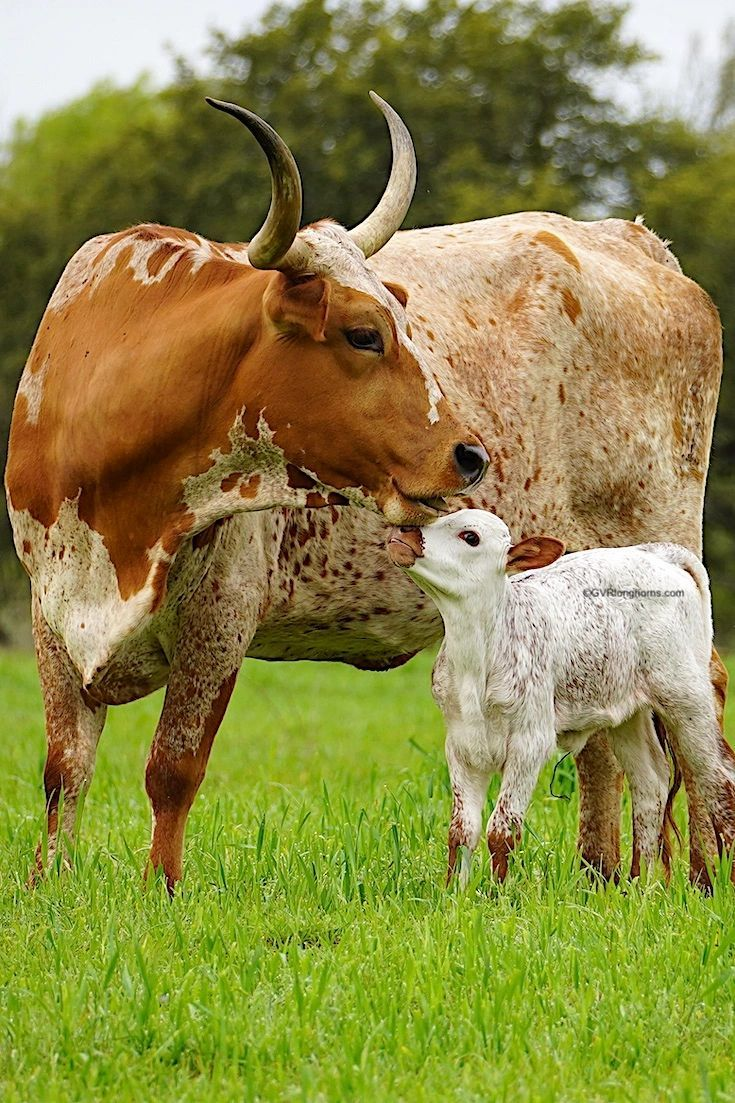
What about the Bull? Normally, as the animal calendar marker for Apr/May, the end of the wet season in Western Asian and Eastern Mediterranean, we find an Auroch bull or a calf.
You know, Taurus...Taurus here is "the old Taurus", an animal calendar marker, which only later became mapped to whatever constellation was rising with the sun during Apr/May, when constellations were first defined...
Taurus originally had nothing to do with stars. Taurus marked Apr/May, the beginning of the calving of Eurasian wild cattle. I talked about that in my posts "Ram and bull", "Cow and calf ivory", "Lotus and papyrus", "Bull carrying grannary", "Foundation peg of the goddess nanshe", "Cypriot stamp seals with cow and calf"...and many others...
I talked about this in my post "Feast plaque from Louvre" about this amazing object I discovered during the 5 hour long stroll I took with my son through the Mesopotamian section of the Louvre museum few years ago. Perforated votive limestone plaque, Mesopotamia (where?), ca. 2700-2650BC...
Now interestingly, the bull depicted on our Lapis seal is not Auroch...It's a Zebu...That's interesting. Zebu originates in India...From where it spread westward...I talked about this in this post "Zebu migrations"...
Because of its mating habits (it mates during the wet season in India), in the Indus Valley civilisation the zebu cattle was used as an animal calendar marker for the Kharif (wet season) Apr/May - Oct/Nov. I talked about this in my post "Kharif and Rabi seasons" about this amazing vessel from the Indus Valley civilisation...
So it seems that on our Lapis seal, it was the beginning of the mating season of Zebu cattle and not the beginning of the calving season of Auroch cattle, that was used as an animal calendar marker for the end of the rain season (Apr/May)...
Now let's see how my interpretation fits with the official description of the seal:
Two figures faced each other, one holding a cup...The pattern above the figures "may represent rain clouds and rain"...Ibex goat and Zebu bull depicted to the side...
See...
Rain is on ancient artefacts often depicted using dots. I talked about this already in my post "Goat of rain from Andros" about the Neolithic relief depicting the goat of rain surrounded by dots (rain drops) from the Cycladic island of Andros in Greece
Knowing what we know about the symbolism of the goat and the bull, I am 110% convinced that the pattern above the figures represent rain clouds and rain.
The makers of this seal even positioned one of the dots (rain drops) above the cup, to make it clear what the dots mean...
What about the "drinking from a cup" scene...Have a look at this: Seated female figure (goddess? ) drinking out of a very similar cup (goblet) sitting next to a tulip, bronze seal, late 3rd - early 2nd millennium BC, (BMAC), Afghanistan...
Now check the map of Iran. Our Iranian lapis seal was found in Eastern Iran...Next door to BMAC land...
In my post "Tulip goddess" about the BMAC Goddess with tulips seal, I explained that the goddess is the young spring earth, who just had her first period (snowmelt) and is drinking water (runoff)...
...while around here wild tulips flower everywhere...
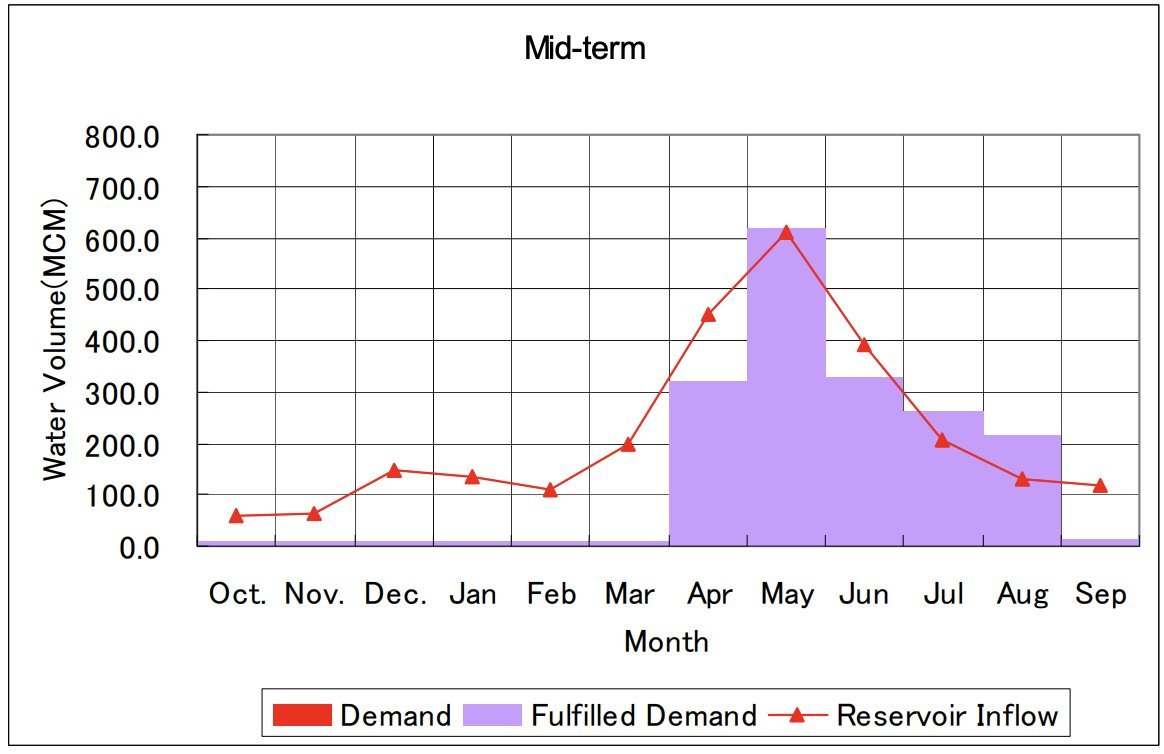
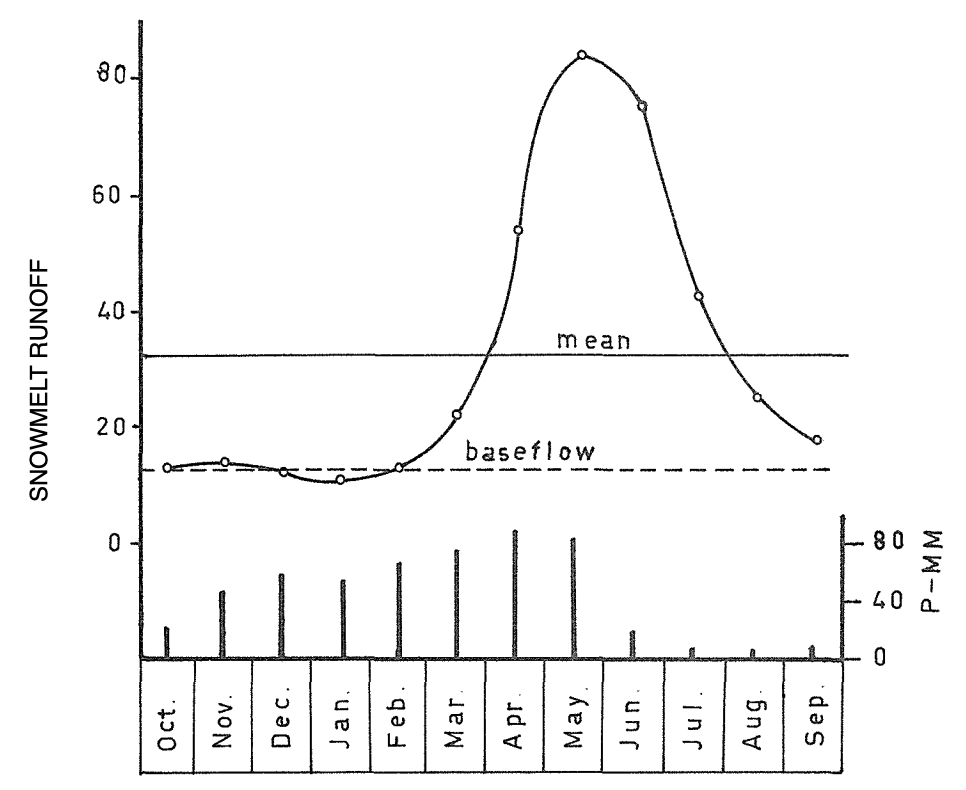
The two main rivers from Eastern Iran, Atrak and Helmand, are both fed by the rain and snowmelt. Their water discharge starts suddenly rising in Oct/Nov, it peaks in Apr/May, and it suddenly drops to nothing in Jun/Jul...
Also, the fact that our seal from Eastern Iran was made from Lapis Lazuli, The Water Stone, also points to the intended meaning of the seal scene: rain, filling our cups with fresh water between the mating of Ibex goats and mating of Zebu Cattle...
I talked about this lapis as the water stone in my post "Solar bull"....
That's it. To read more about ancient animal and plant calendar markers, start here…then check the rest of the blog posts related to animal calendar markers I still didn't add to this page, and finally check my twitter threads I still didn't convert to blog post...I am 9 months behind now...