Showing posts with label Poppies. Show all posts

Friday, 15 July 2022

Kubaba with grain and poppies

Very interesting: A drawing of a relief from the great staircase from the Luwian city of Carchemish. It depicts the storm god Tarhunt, holding an axe and vajra (lightning trident), leading the earth goddess Kubaba, holding grain and poppies...🙂 Sounds familiar?

The drawing is from this great article: "Building Inscriptions of Carchemish: The Long Wall of Sculpture and Great Staircase" by J. D. Hawkins

So why is this drawing interesting?

Here's Demeter holding grain and poppies

The reason why Kubaba and Demeter hold grain and poppies is that in Europe and Middle East, opium poppies harvest coincides with the beginning of the grain harvest...I talked about poppies harvest and poppies as a plant calendar marker in my article "Poppies"... 

Now check these articles about Demeter and Middle Eastern grain goddesses: "Demeter riding a panther", "Fertility goddess with poppies", "Sacred marriage on a threshing floor", "Jerusalem of gold"...Then have a look at this: 

The grain goddess follows the storm god...Why? Because in the area where Carchemish is located, without rain, the land ends up looking like this...No grains (or poppies)...


This is the climatic year in the area of Carchemish. You can see that the year is clearly divided into hot/dry half and and cool/wet half...


The hottest and driest part of the year is the end of Jul beginning of Aug. Leo...The time of death...Ruled by the god of death...Mot...Nergal...Another name for the destructive burning sun...I talked about this in my post "The oldest Arabic poem"...

The hottest, driest part of the year is marked by the lion animal calendar marker...Leo...The reason for this is that this is when the Eurasian lions main mating season starts...
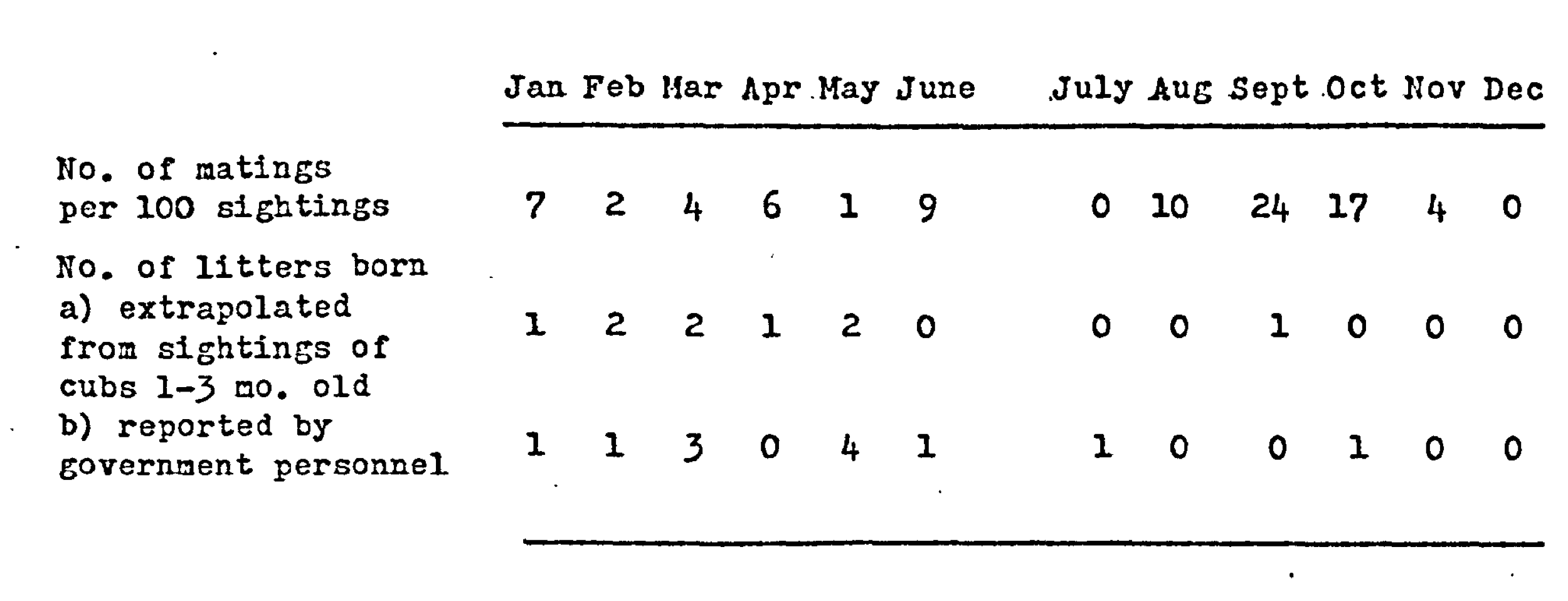

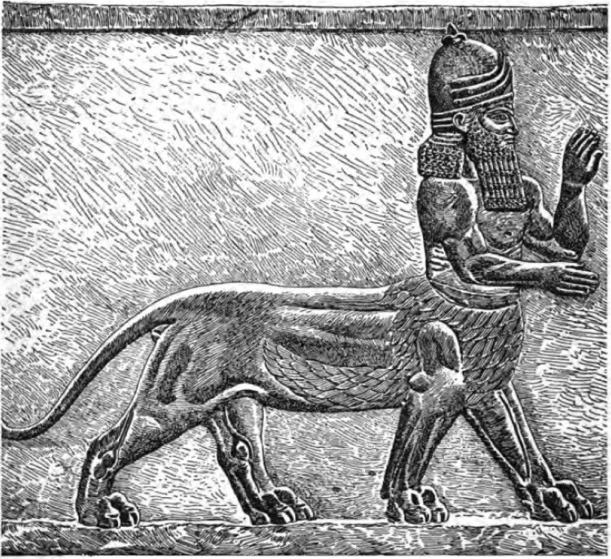
Which is why Nergal, the deified destructive burning sun, was depicted as a lion (man)...I talked about this in my post "Winged superhuman hero"...
This is the reason why in Carchemish we also find this relief depicting the above mentioned storm god killing a lion. The image is from this great article "Carchemish Å¡a kiÅ¡ad puratti" by Irene J. Winter 

The other guy helping the storm god is probably the local king, not another god...The role which later became the main role of local kings, who were "(storm) god's incarnation on earth"...I talked about this in my post "The king killing Angra Mainyu"...


Hope you enjoyed this...

To read more about ancient animal and plant calendar markers, start here…then check the rest of the blog posts related to animal calendar markers I still didn't add to this page, and finally check my twitter threads I still didn't convert to blog post...I am 9 months behind now...

Monday, 13 September 2021

Thunder poppies

In England, poppies were sometimes called “thunder flowers” because picking them was believed to trigger lightning... 

Beginnen donderwolken op te doemen, stook dan vlug uw donderbloemen (When clouds with thunder approach, burn then your poppies fast) - Dutch saying

In Flanders the local name for common (field, corn) poppies is "donderblomme", literally "thunder flower". In Wallonia this becomes "tonnoire", after "tonnerre" (thunder)...

In the past, people used to gather red poppy flowers and make bouquets from them. These bouquets were then brought to the church where they were blessed by a priest...

When a thunderstorm approached, people would burn the poppies on the altar of the church to ward of the damaging thunderstorm...

Why?

Poppies start flowering May. Which is the beginning of the thunderstorm season in continental Europe...And flower until the thunderstorm season is over. These pictures  show thunderstorm frequency in Europe per month...

What is interesting is that the beginning of May, the beginning of summer, is when wild Eurasian cattle, Aurochs, used to start calving. It is also interesting that the beginning of Aug, the end of summer, is when wild Eurasian cattle, Aurochs, used to start their mating...

I talked about this in my post "Ram and bull"...

Which is why bull was the symbol of summer...


I talked about this in my post "Symbols of the seasons"...

You can read more about the origin of zodiac symbols and their link to the annual lifecycles of the animals used as symbols in my posts about zodiac signs which are linked to this page about "Zodiac"...

Anyway, if you look at the above thunderstorm distribution map, you can see that thunderstorm season in continental Europe starts in May and ends in Aug...

And interestingly, it is in August that Serbs celebrated the victory of Perun (Slavic thunder god) over Veles (The great snake, Dragon, Symbol of drought)...They battled all summer (summer being the hottest part of the year and also the part of the year with most thunderstorms)...

And guess what Serbs did to celebrate that victory which falls at the beginning of the mating season of Aurochs, which was characterized by wild bull fights for females? Serbs organized (and still do) bull fights


I talked about this in my post "Alidjun"...

Oh and guess what else they do to celebrate the victory of the Thunder god, at the end of summer, which is symbolized by a bull? They kill and sacrifice a bull...


I talked about this in my post "Bull of Grom Div"...

This link between poppies (bulls) and thunder (gods) is not only a European thing...

Beginning of May falls in the middle of Taurus...Anatolian thunder god arriving on a bull and holding a trident as a symbol of thunder. Why? Because Taurus is the peak of the thunderstorm season in Anatolia...

I talked about this in my post about "Uluçinar stelae".

And sometimes the god standing on a bull is even carrying poppies...

I talked about this in my post "Poppy god"...

Saturday, 13 June 2020

Sun god in a boat


Another interesting seal. Akkadian, Tell Asmar. Description: "Sun god in a boat. On prow long-haired crowned figure with punting pole and human-headed lion, snake's head for stern, plow, vase and two objects above, fertility goddess beside boat, fish below" 

That's it???

Well no obviously...There are a lot of interesting details on this seal that definitely deserve some explanation...

I will start with the "fertility goddess beside boat". 


Well she has grain growing out of her and she is holding poppies...


Why?

Opium poppies were cultivated in Ancient Mesopotamia where they were known as "hul gil", meaning "joy plant" 🙂 So poppy harvest was an important annual event in Mesopotamia...Poppy harvest in Iraq starts in Apr-May. More in my article "Poppies and thunder gods"  

But why is "the fertility goddess", basically mother earth from which protrude ripe ears of grain, holding ripe poppies? Well because the poppy and grain harvests coincide in Mesopotamia. You can see that both barley (main Mesopotamian grain) and poppies harvests start in Apr-May...


The poppy and grain harvest season also coincides with the annual flooding in Mesopotamia which peaks in late April early May...Hence the reed boat...Here is the Euphrates flow table. The water levels suddenly peak in April and May, due to snow melt in Iran...


The reed boat represents summer, hence Sun god as the main passenger. Summer starts in Taurus, end of April, beginning of May, harvest time in Mesopotamia...

What about "snake stern"? 


Summer is the time of snakes, which is why snakes became symbols of sun's heat and summer. You can read more about the snake solar symbolism in my article "Enemy of the sun"...

So the boat of snakes, the boat of sun's heat, sun boat, summer...

Where is Sun god stirring the boat of summer towards? Well towards autumn...Which starts in Leo and is symbolised by a lion...Lion kills snake, summer ends, autumn begins... 


Hence the Sun god ferrying the lion in his boat. 


Towards autumn...

Which is when the first ploughing starts. 


At the end of the lion mating season, which starts in Leo and spans the whole of autumn 


Hence the Sun god is ferrying the plough with the lion. Is this a water jug? The fields are ploughed only after they are flooded to soften the soil...Also summer is the time of drought, the time without rain, the time when fresh drinking water becomes very precious...

That's all I have to say about that...Here is the link to the museum page for this seal. 

Saturday, 16 May 2020

Poppies

I came across this interesting artefact recently.


The artefact turns out to be from Urartu and is forehead part of the horse head gear. It is currently kept in Karlsruhe, Badisches Landesmuseum.


It was dated to c. 800BC

Urartu is a geographical region commonly used as the exonym for the Iron Age kingdom also known by the modern rendition of its endonym, the Kingdom of Van, centered around Lake Van in the historic Armenian Highlands (present-day eastern Anatolia).


The symbols depicted on this artefacts are very interesting indeed.

The "god", I presume it's a god, is riding on a bull. He is standing in the middle of (wearing) a flying winged disc, usually symbol for the sun and he has what looks like sun disc on his crown. And the whole metal thingy is shaped like a sun with rays pointing upward...

But he couldn't be a sun god.

Because there is only one god in Urartian pantheon which rides on a bull: Theispas the thunder god. He is basically the same god as the Hurian Teshub and Luwian Tarhunz...

And all these gods "ride on a bull" and cary a trident (symbol of lightning)...

And so does the guy on the above artefact. He rides on a bull and holds a trident in each hand...

Or does he?

Here is the close up of one of the "tridents":


To me this looks very very vey much like this: opium poppies...


But why would a storm god cary opium poppies?

Have a look at this:

The planting of poppies throughout the poppy growing regions of the Balkans, Asia Minor and Middle East takes place in the autumn, from September to December, depending on the locality...

If the plant survives the winter, it requires ample rain in between March and May.

The rainfall pattern in the Anatolian (Armenian) plateau

Here is the average precipitation in eastern Anatolian plateau, lake Van region, the land of Urartians and Hurians. The rain peaks in April.


In the rest of the Anatolian plateau, the land of the Hittites, the rain peaks in May.


Taurus Taurus (20 April – 21 May) covers the maximum rain, maximum thunderstorm season in both of these areas.

Which is why, I believe, Urartian Theispas, Hurrian Teshub, Luwian Tarhunz...All ride on a bull...


And cary tridents


Hmmm...Trident's you say...Why tridents? 

But Taurus doesn't only bring rain to Anatolian (Armenian) plateau. It also brings summer. 

As you can see in the above precipitation tables, the May-June is when the rains stop and the hot weather starts. Exactly what opium poppies need to flower and ripen:


I already wrote in my posts "Ram and bull" and "Symbols of the seasons", about the bull being the symbol of the summer.


The summer starts at the beginning of May, during wild Eurasian cattle calving season and ends at the beginning of August, during wild Eurasian cattle mating season...

Bull is the true symbol of summer...

And summer is the main opium poppy harvesting season:

In Turkey, opium poppy harvest season starts in May...
In Afghanistan, the opium poppy harvest season starts in late April early May...
In Iraq, the opium poppy harvest season starts in late April early May...
In Iran, the opium poppy harvest season starts in later April early May...


In the Balkans, the opium poppy harvest season starts in May...

These are stills from an amazing Macedonian documentary from 1955 called Rhythm And Sound. Showing poppy harvesting. 


You can find video here: part 1, part 2

Basically opium poppies are harvested during the summer, symbolised by the bull. The bull, or more precisely the guy on the bull, the pusher, brings the poppies...

So here are some questions:

1. Is the guy on the Urartian artefact the thunder god? I presume he is a god and not a stoned acrobat...
2. Is he carrying poppies to announce the beginning of the opium harvest season? Sort of: The pusher's here!!! The Thunder dude!!! It's party time!!!
3. Did the trident, the symbol of thunder gods, develop from poppies? 

What do you think?

Great source of information about the cultivation of poppies in the Balkans, Asia Minor and Middle East is this article entitled "Some Observations on the Cultivation of Opium Poppy (Papaver somniferum L.) for Its Latex" by A. D. Krikorian and Myron C. Ledbetter

What is very interesting as well is that apparently, opium poppies were "...most likely first cultivated for human use in Asia Minor or in the Balkans..." according to "Troubling Fields: The Opium Poppy in Egypt" by Joseph J. Hobbs

So the link between the poppies harvest, which starts right after the Thunder gods bring thunderstorms in Taurus, during the calving of the wild cattle, was very strong in the area from the beginning...