Showing posts sorted by relevance for query goat of rain. Sort by date Show all posts

Saturday, 23 October 2021

Combs from Tuva

Combs found in Tuvan burial ground Khemchik-Bom, Russia dated to 5th-4th centuries. BC. From this amazing resource (in Russian) "Язык звериных образов"

The right comb is one of the oldest examples of the so called Composite Animal Style...

The archaeologist who discovered the combs described the one on the right like this: it "...is a complex multi-figured composition, the central figure of which is a hoofed animal with the body of a mountain goat and the horns of a gazelle...

On the back of this animal lies the figure of a mountain goat, smaller in scale. The chest and part of the front leg of the central figure are inscribed in the outline of a rearing mountain goat...

In the composition, one can identify two more heads of mountain goats, one of which is inscribed in the contour of the head of a rearing goat, and the second in the croup of the central figure..."

The animals depicted on the combs are 

Siberian ibex (mountain goat)

Goitered gazelle (gazelle)

The mating season of both animals starts in November, at the beginning of winter, making them interchangeable animal calendar markers for beginning of winter and winter itself...This is what the composition on the right comb is trying to tell us...

In nature, ibex lives in the mountains and gazelle live in plains and steppe. So people who lived in the mountains or near mountains used Ibex as the winter calendar marker more. And people who lived in the plains and steppe used Gazelle as the winter calendar marker more...

But they are often found depicted together and in such a way as to point at their symbolic link. Like on this (I think Assyrian, but would love to know for sure) seal on which a winged goddess standing between two Bezoar goats and holding two Goitered gazelles...

These animal calendar markers originate in the Fertile Crescent. From there they spread with the first farmers all over the area where the climatic year was divided into dry and hot part (summer) and wet and cool part (winter)...

In all these areas, farmers used Ibex goats and Goitered gazelles as symbols not just for the beginning of winter, but for the beginning of the wet season, the most important event in the agricultural year...The marker for the beginning of the dry season being bull, cow & calf...

The reason why Ibex became calendar marker for the start of the wet season is because in East Anatolia, Levant, Cyprus, Crete, Naqada (Egypt), Arabia, Mesopotamia, Iran, Bactria...both the rain season and the mating season of Ibex goats and Goitered gazelles starts in Oct/Nov...


The rain season ends when Wild Eurasian cattle, Aurochs, start calving...In Apr/May, today known as Taurus, Bull, but originally marked with cow and calf...Like on this Mesopotamian seal showing two seasons: goat and bull (cow and calf) season...

In Tuva the climate is different. The main rain season is summer, not winter. 


Interestingly, we can see that snowfall and rainfall seasons are demarcated by Apr/May (Bull) and Oct/Nov (Goat). Because of the average temperature, which is above freezing during summer Bull-Goat and below freezing during winter Goat-Bull


I think this is the reason why Goat and Gazelle feature prominently on Tuvan artifacts. But I believe that the symbolism belongs to an imported ritual (belief) system, which came most likely from BMAC or Iran...

You can read about "The Goat of Rain" (Ibex) and its sidekick (Goitered Gazelle) in Bactria in my post "Fluffy"...

You can read about "The Goat of Rain" (Ibex) in Mesopotamia in my posts "Diadem of queen Puabi", "Pissing gazelles", "Larsa goat", "Assur", "Rain and flood"

You can read about "The Goat of Rain" (Ibex) and its sidekick (Goitered Gazelle) in Iran in my posts "Two headed dragon", "Goat petroglyphs from Iran", "Winged bull with ibex horns", "Strider", "A vessel from Tepe Hissar"

You can read more about "The Goat of Rain" (Ibex) in Crete in my posts "Goat riding thunder god", "Sanctuary rhyton", "Cornucopia"

You can read more about "The Goat of Rain" (Ibex) in Cyprus in my post "Goats and partridges"

You can read more about "The Goat of Rain" (Ibex and Markhor) in Egypt in my post "Markhor goat in Naqada"

You can read more about "The Goat of Rain" (Ibex and Markhor) in Levant in my post "Nahal Mishmar hoard"

You can read more about "The Goat of Rain" (Ibex) in Asia Minor in my post "Griffin killing lizard"

You can read more about "The Goat of Rain" (Ibex and Markhor) in Indus Valley in my posts "Seal with narrative scene", "Kharif and Rabi seasons"

Finally you can read more about "The Goat of Rain (Winter)" (Ibex) in Europe in my post "Goat in European culture" and the posts linked from this post...

To read more about ancient animal and plant calendar markers, start here…then check the rest of the blog posts related to animal calendar markers I still didn't add to this page, and finally check my twitter threads I still didn't convert to blog post...I am 9 months behind now...

Tuesday, 21 July 2026

Kuseh Gardani

Oh this is amazing. This image depicts a traditional Iranian "Kuseh Gardani" ritual, which is performed by men in times of drought or low rainfall...This image is from this site...

One man, chosen as the "Kuseh" (devil of drought), has his face blackened, wears horns (positioned in such a way to resemble ibex goat horns) and bells, and leads a procession through the village...

He stops at every house and collects some flour. After visiting all the houses, a large bread is baked from the collected flour and is shared between the villagers...

The ceremony is a symbolic performance of overcoming drought and seeking rain...

Unreal...Here is why:

Climate in Iran is divided (roughly) into hot, dry half (Apr/May - Oct/Nov) and cool, wet part (Oct/Nov - Apr/May)...


And the start of the wet season coincides with the start of the mating season of the ibex goats, mating season characterised by wild male goat fights for females...

Which is why ibex goat became associated with rain, and became "goat of rain", an animal calendar marker for the start of the rain season: When ibex goats start fighting the rain will start falling...

And which why ibex goat became the most depicted animal in Iran since Early Neolithic...

I talked about this in my post "Goat petroglyphs from Iran"...

Eventually, with the start of grain agriculture, when having rain at exact time at exact quantity became super important, people turned "goat of rain" into "god of rain with goat horns". It's easier to pray to gods than goats...

And so, local priests started wearing goat horns and playing the role of the goat rain god...

It is most likely that it was in Iran in the 9th mill BC when the goat of rain got anthropomorphised and turned into the god of rain with goat horns...

I talked about this in my post "Zavi Chemi Shanidar"...

"Kuseh Gardani" is a very very very very....distant echo of this...

And this:

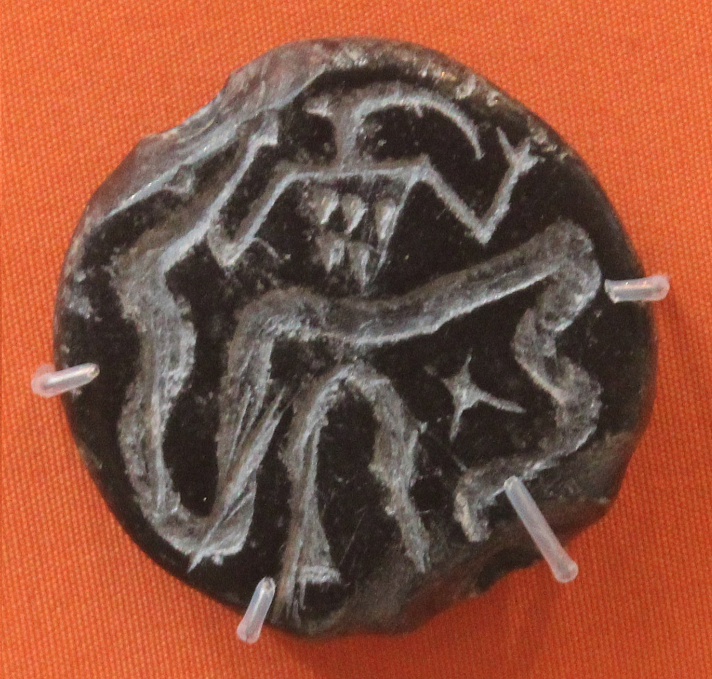
Stamp seals, Tepe Giyan, Iran, 5000-4000 BC...Anthropomorphised rain goat (god) dominating sun snake (dragon)...


I talked about this in my post "Master of the animals from Tepe Giyan"...

And this:

Elamite figurine from around 3000BC, depicting a man with goat horns (or a goat horns helmet, cap) and a goaty 🙂 How goat of rain became god of rain...


I talked about this in my post "Strider"

And this:

Article about this Bronze top for a standard. ca. 8th–7th century BC. Luristan, Iran...Two human figures with male Ibex goat ears and horns holding hands...Why? Same thing I guess...

I talked about this in my post "Dancing goat men from Luristan"... 

The rain brought by the goat of rain is what supports (the tree of) life in Iran. Which is why we see prancing ibex goats flanking the tree of life...

I talk about this in my post "Sassanian goats with the tree of life" where I analyse these two Sassanian wall relief slabs dated to the 5th-6th c. AD, depicting rampant ibex goats flanking "the tree of life"...

This again is an ancient symbol found in all the areas where ibex mating season overlaps with rain season...

As we can see, Iranian people still kind of remember that "ibex is linked to rain". But with the arrival of Islam, the (goat) "god of rain", became "devil of drought"...The one who (still) brings rain (and bread) if he is asked politely...

How cool is this? 

If you are interested in reading more about ancient animal and plant calendar markers, which are at the root of all our mythologies, start here…Then check my twitter threads I still didn't convert to blog post...I am way way behind...

Wednesday, 25 May 2022

Goats and tree of life from Çatalhöyük

Wall painting from a house in Çatalhöyük (7500-6500 BC) showing a fruit tree and ibexes/wild goats...From "Flora Unveiled: The Discovery and Denial of Sex in Plants" by Lincoln Taiz, Lee Taiz

Tree of life with ibexes, goats of rain? Most definitely...Why goats of rain?

Because Bezoar Ibex goat which live in the Çatalhöyük area, start their mating season in Oct/Nov. Their mating season is characterised by vicious male goat fights. The head banging can be heard from miles away, so it is difficult to miss...

And in Eastern Mediterranean, Eastern Anatolia, Middle East, Iran, Central Asia, this is when the rains arrive after hot dry summer and autumn...The rains that are source of life, arrive when Ibexes start mating...Hence goat of rain and tree of life...Çatalhöyük climate chart...

Goat of rain from Gobekli Tepe (9500-8000BC)..With zig zag line symbolizing flowing water...

In the area of Gobekli Tepe, the rains also arrive when ibex goats start mating, Oct/Nov...

Decorated stone vessel from Ayanlar Hoyuk (9000BC) with, again, goat of rain and zig zag lines...

Ayanlar Hoyuk (Urfa) climate chart...

Again the rains arrive when Ibex, goat of rain starts mating...

And so "The Goat of Rain"...

Eastern Mediterranean

Climate Crete


Articles that talk about the Goat of Rain in Eastern Mediterranean: "Pan, Goat of rain", "Goat riding thundergod", "Cornucopia", "Sanctuary rhyton", "Theseus ring"...

Middle East


Articles that talk about the Goat of Rain in Iraq: "A goat in a tree", "Scarlet ware goat", "Relief from Dur Sharrukin"...

Iran


Articles that talk about the Goat of Rain in Iran: "Anahita", "A vessel from Tepe Hissar", "Goat petroglyphs from Iran", "Dancing goatmen from Luristan"...

Central Asia


Articles that talk about the Goat of Rain in Central Asia: "Fluffy"...

To read more about ancient animal and plant calendar markers, start here…then check the rest of the blog posts related to animal calendar markers I still didn't add to this page, and finally check my twitter threads I still didn't convert to blog post...I am 9 months behind now...

Saturday, 10 May 2025

Rhubarb and Ibex

3rd mill BC cup made in Western Iran, by the people of the Jiroft culture. According to this paper by Maryam Rezghirad from the University of Tehran, "It depicts ibex goats and a tree of life". Here are some interesting excerpts from the text:

I'll answer all of the questions at the end.

Quote: According to "The History of Iran in Achaemenid Period (From the History Collection of Cambridge)" by Gershevitch: "This animal (Ibex) was once worshiped as the incarnation of human and herd fertility...

Me: Why?

Quote: Motifs of the goat have long been a symbol of water, rain, abundance and guardian of the moon... 

Me: Why?

Quote: According to "The Concepts of the Mithras and Moon in Pre-Historical Potteries" by Abdollahian: "Horned animals such as Ibex are the symbol of fertility due to their horns’ resemblance of the crescent"... 

Me: Why is moon linked with fertility?

Quote: "Zoroastians" by Mazdapour: "When the first people Mashya and Mashyana had grown out of a rhubarb plant, ibex protected them and suckled them. For this reason, the goat is the symbol of fertility and growth".

Me: Why rhubarb and Ibex? 

Answers:

To understand any of this, we need to look at the climate in Iran and Mesopotamia, the annual variation of the angle of the crescent moon in the sky over Mespotamia and Iran, annual lifecycle of Ibex goats and rhubarb. Don't forget rhubarb...

In Iran/Mesopotamia, rains arrive when Ibex goats begin to mate, in Oct/Nov...


The ibex mating season is marked by wild male goat head banging, the sound of which can be heard from miles away...Not something you would easily miss if you lived in the area...

As I said once before, all our mythologies are the result of the fact that people are very good at noticing patterns in nature while simultaneously being very bad at distinguishing between correlation and causation 🙂

In Iran and Mesopotamia the fact that the beginning of the ibex goats mating season announced the beginning of the rain season resulted in ibex goat becoming "symbol of water, rain, abundance...and fertility"...

Ibex became "Goat of rain"...Which is, to me, best depicted on this 5000-4000BC vessel from Tepe Hissar, Northeastern Iran...I talked about this in my post "Vessel from Tepe Hissar"...


I talked about symbolism of ibex goats as animal calendar markers for winter/rain season in many of my posts, like 

Europe:

"Pitys", "Goat in European culture", "Patera of Rennes"... 

Levant:

"The tree of life/light", "Lachish animal calendar"...

Mesopotamia:

"Feast plaque from Louvre", "Green pastures", "Problems with Abzu", "Relief from Dur Sharrukin", "Goatfish"...

Iran: 

"Flamingos from Susa", "Goat carrier", "Iranian goat of rain", "Strider", "A vessel from Tepe Hissar"...

And it is that rain, that supports (the tree) of life...Hence goats and trees of life for everyone in Eastern Mediterranean, Levant, Mesopotamia, Iran, Central Asia...The same climate, the same ibex annual lifecycle, the same mythology...I talked about this in my post "Bactrian Bronze Age menorah", in which I talked about this cool Bactrian bronze stamp, dated to 2400BC-1600BC...

It was in Iran where we find the earliest transition from Goat of rain to God of rain...Through a goat man...I talked about this in my post "Master of animals from Tepe Giyan", in which I talked about this cool "Master of Animals" stamp seal from Tepe Giyan, Iran, dated to 5000-4000 BC, and depicting the eternal struggle between the rain goat and the sun serpent/dragon...

Actually this transformation of the goat of rain into god of rain started much earlier, most likely in the 9th millennium BC...I talked about this in my post "Zawi Chemi Shanidar"... 

What about the link between the rain, fertility, moon and ibex goats? 

To understand this, we need to know that this rain, fertile moon, is not just any moon. Its the upward pointing crescent moon. Crescent moon points upwards only during the wet half of the year...

Which is why it became the symbol of the moon god Nana/Sin. The most important god in Mesopotamia...Also linked with rain, water and fertility...

I talked about this here in my post "Moon god Nana/Sin" in which I analysed this cool Old Akkadian Cylinder Seal, dated to 2294-2270 BC...

And so winter Ibex goat brings rain and winter moon catches it...Rain which makes plants grow...As depicted on this Sassanian gem stone...

Finally, rhubarb...According to this article the wild rhubarb grows in Iran between Apr/May and May/Jun. 


When it is picked by the locals and turned into delicious food, like "Khoresh-e Rivas" – Lamb Rhubarb Stew. Here's the recipe...

Now the wild rhubarb picking season coincides with the end of the rain season, and with the beginning of the ibex birthing season (Oct/Nov + 160 days gestation)...

Which means that the first mortals born out of the rhubarb plant could indeed be suckled by lactating ibex goats...

Fun...

That's it. To read more about ancient animal and plant calendar markers, start here…Then check my twitter threads I still didn't convert to blog post...I am way way behind...

Saturday, 13 June 2020

A goat in a tree


This is one of the two identical Sumerian figures excavated in Ur, in southern Iraq, dated to c. 2600–2400 BC...This amazing work of art, depicts a horned animal with wings (???) standing on his hind legs and nibbling leaves from a flowering tree. What is the meaning of all this?

First what horned animal is this? Originally people thought this was a ram... But today most people agree that this is a Markhor goat. 


Why was Markhor goat chosen to be depicted here? Surely not because it looks cool (not that he doesn't). Markhor is depicted here because Markhor mating season starts in November...

Which is important because? 

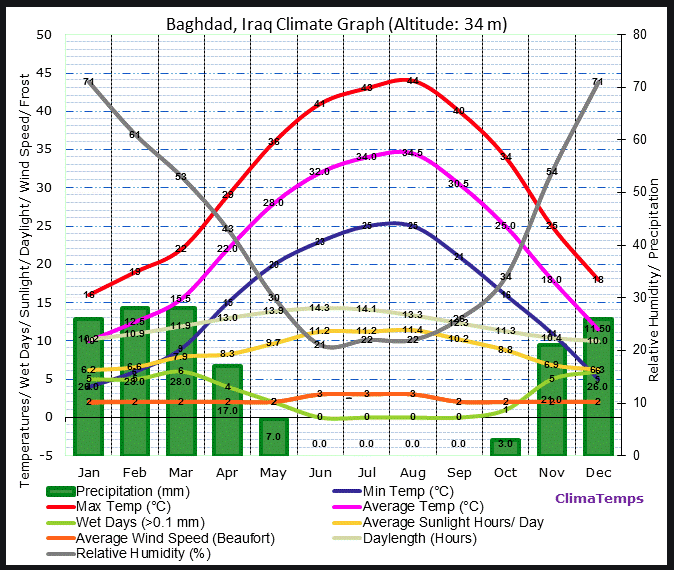
Because in Iraq the climatic year id divided into dry and wet part. And the wet part of the year starts in November...Right at the time when the Markhor goats start mating...Precipitation table Iraq.


So again, like in Eastern Mediterranean, Middle East, Arabia, Central Asia...Wherever rains arrive in Oct-Nov, we find goat worship...The Goat of rain...This rain is what allows life to flourish in these desert lands...Hence the Goat of rain nibbling on the Tree of Life...

But why wings? If they are indeed wings.... Maybe they are just stylised clumps of hair. Except that Markhor doesn't have any clumps of hair on his back, only around his neck...But ok let's allow for artistic freedom and say that these are not wings...

But if they were 🙂...

Well, at the exact time when the Goat of rain starts prancing around, certain types of Eurasian vultures start their mating rituals which involve synchronised flying...


I talked about this in my post "Double headed eagle". 

Looked from the ground this flying pair looks like this:


Which is where the symbol of the double headed eagle most likely comes from, why rain gods are associated with eagles and why this Goat of rain has vulture's wings...

Also adding wings on things makes them more "heavenly"...

But whether this goat has wings or not is not important...

In most of the lands where rains arrive in October-November, the Goat of rain is depicted as an Ibex goat...The same is true of Iraq...This relief on the side of a cosmetic vessel from Nippur shows exactly the same flowering Tree of life except the Goat of rain is Ibex...


Now here is something interesting...The range of the Markhor goat, has historically been Turkmenistan, Uzbekistan, Tajikistan, Afghanistan, Pakistan, and northern India...Which means that people in Mesopotamia could not have been able to observe them and associate them with rain...

Which opens the question: why and how do we find depictions of Markhor in Mesopotamia, which match exactly the depictions of Ibex, from the earliest times. Like on this Hassuna redware bowl, circa 5500 BC


This is a mystery...

(Dramatic pause) 😉

There is one place where we find lots of Markhor goats though...I mean the animal is the national animal of the place...And the mating season of the Markhor (Nov-Dec) announces the beginning of the maximum precipitation period (Dec)...This place is Balochistan, just next to Indus Valley...


And guess what we find In Balochistan? We find this: Mehrgarh Neolithic site (dated c. 7000 BCE to c. 2500/2000 BCE) built by farmers...To whom rain was very very important...And so they probably also worshiped the Goat of rain...In the shape of Markhor??? 


So any link between Early Sumerians and Mehrgarhans? The appearance  of the worship of Markhor goats in Mesopotamia where Markhors don't live certainly suggests that...

Well I would say we are possibly looking at common root of both Mesopotamian and Indus Valley civilisations...

PS, maybe the "wings" are not wings but a "stylistic depiction of Markhor goat hair"...Maybe, although I am not sure why would they use different colour...Anyway this doesn't change the meaning of the scene...

To read more about ancient animal and plant calendar markers, start here…then check the rest of the blog posts related to animal calendar markers I still didn't add to this page, and finally check my twitter threads I still didn't convert to blog post...I am 9 months behind now...