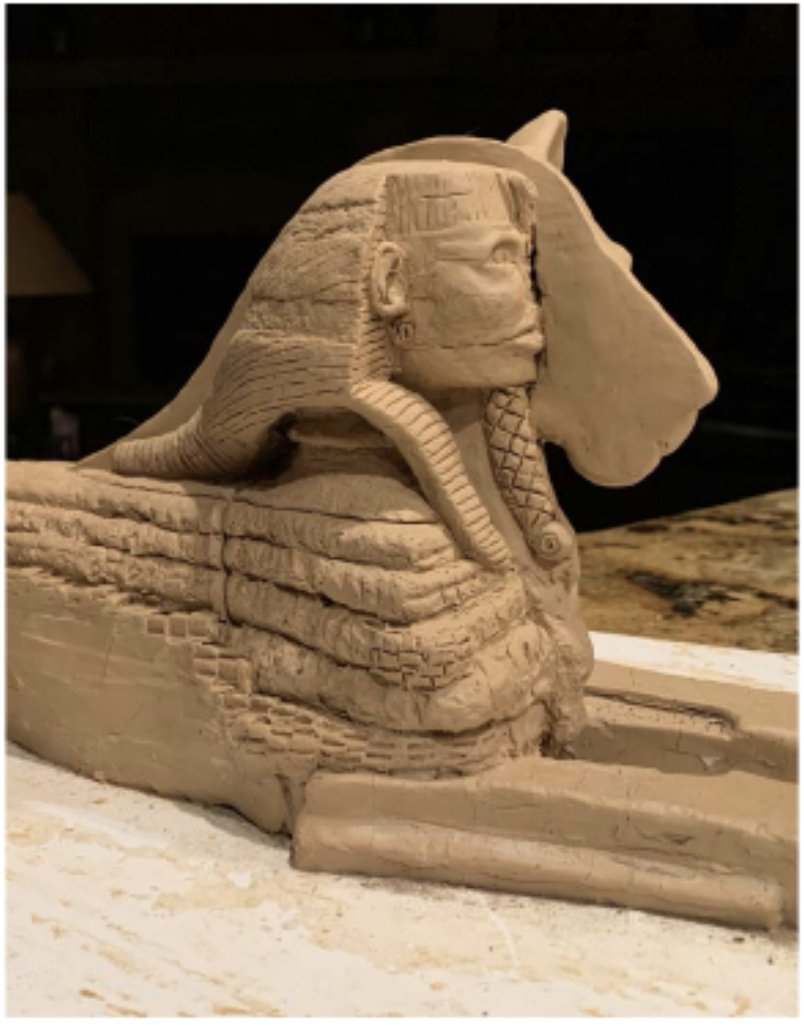
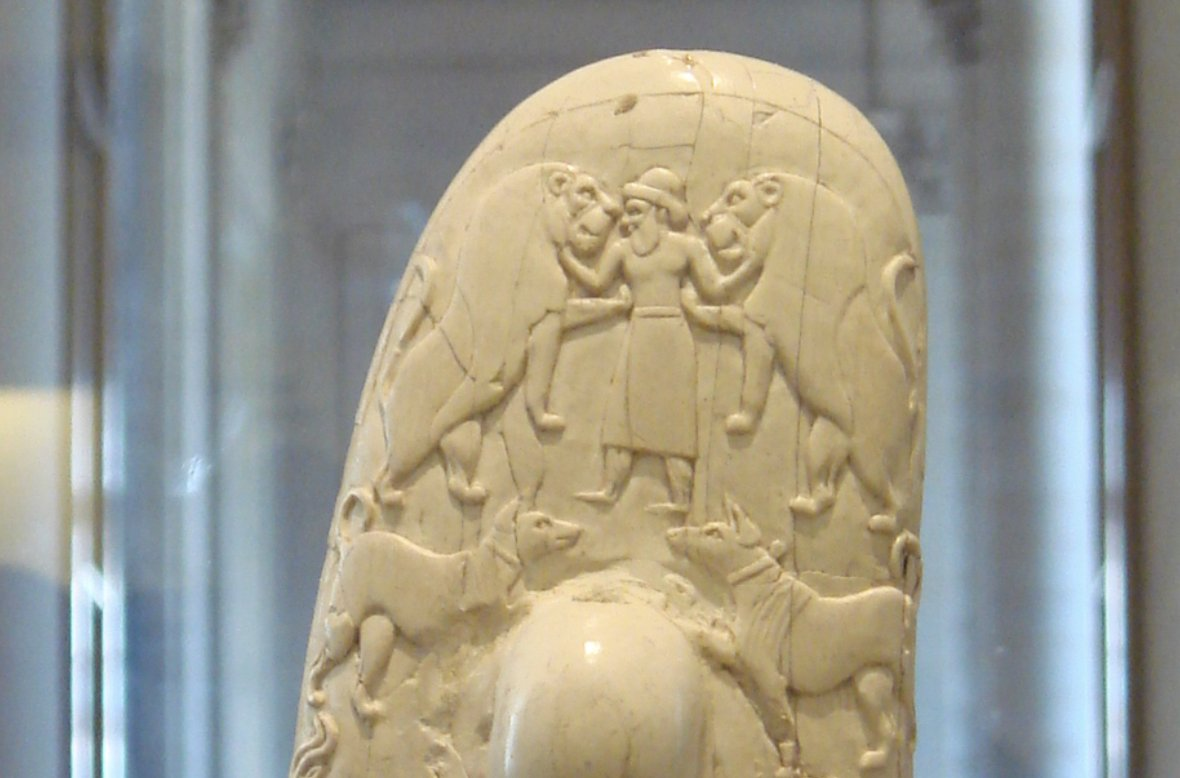
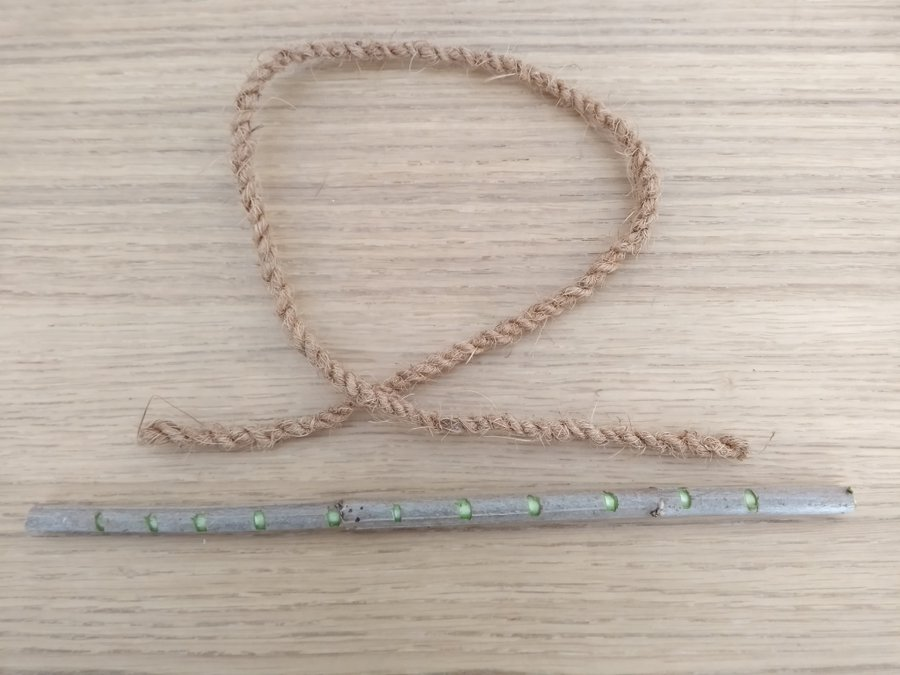
This 2,800 year old ivory was recently discovered in the old Hittite capital Hattusa, Turkey. According to excavation director Prof. Dr. Andreas Schachner, the engraving depicts "a Sphinx, a Lion, and two Trees of Life" and is a unique find.
That's it. That's it?
We don't know:
1. Where was this piece made?
2. What is the meaning of the depicted scene?
So...Let me try to propose the answers to these questions...
I never actually thought about the sphinx symbol before. Crazy I know. But better ever than never 🙂
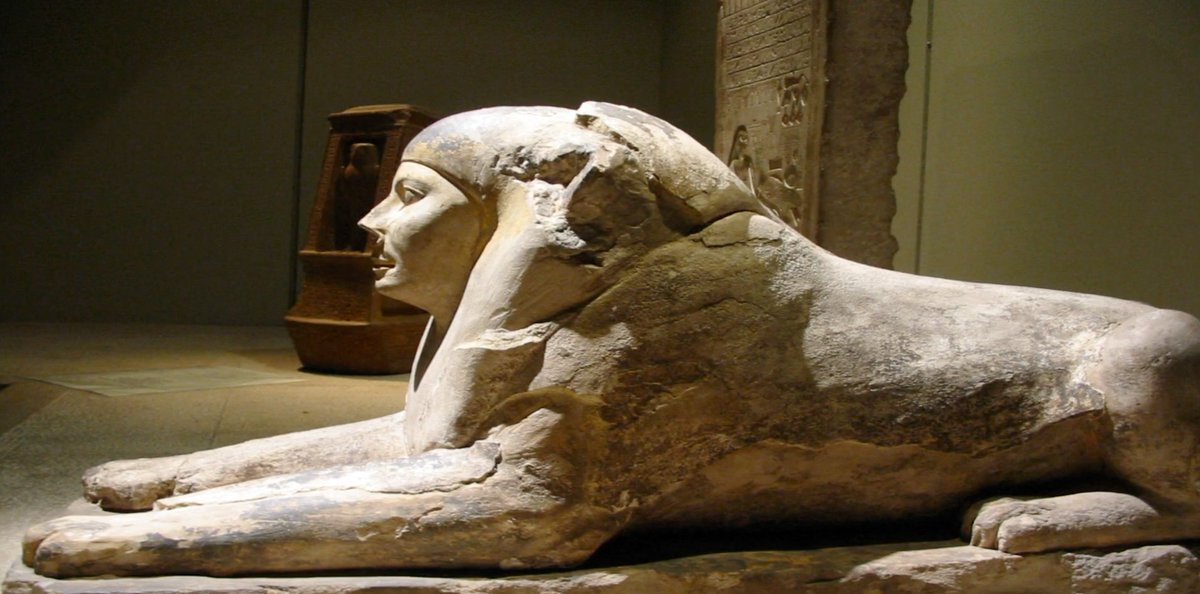
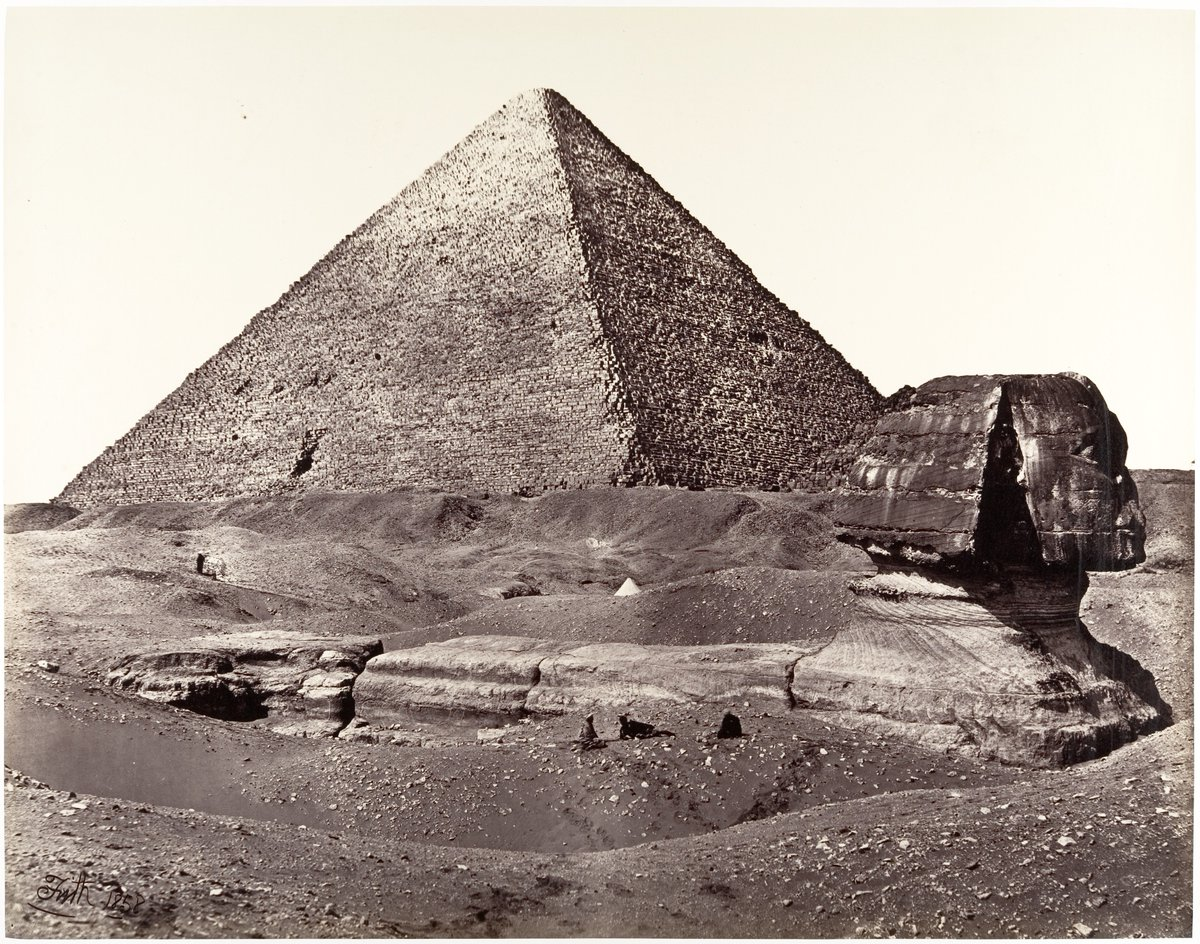
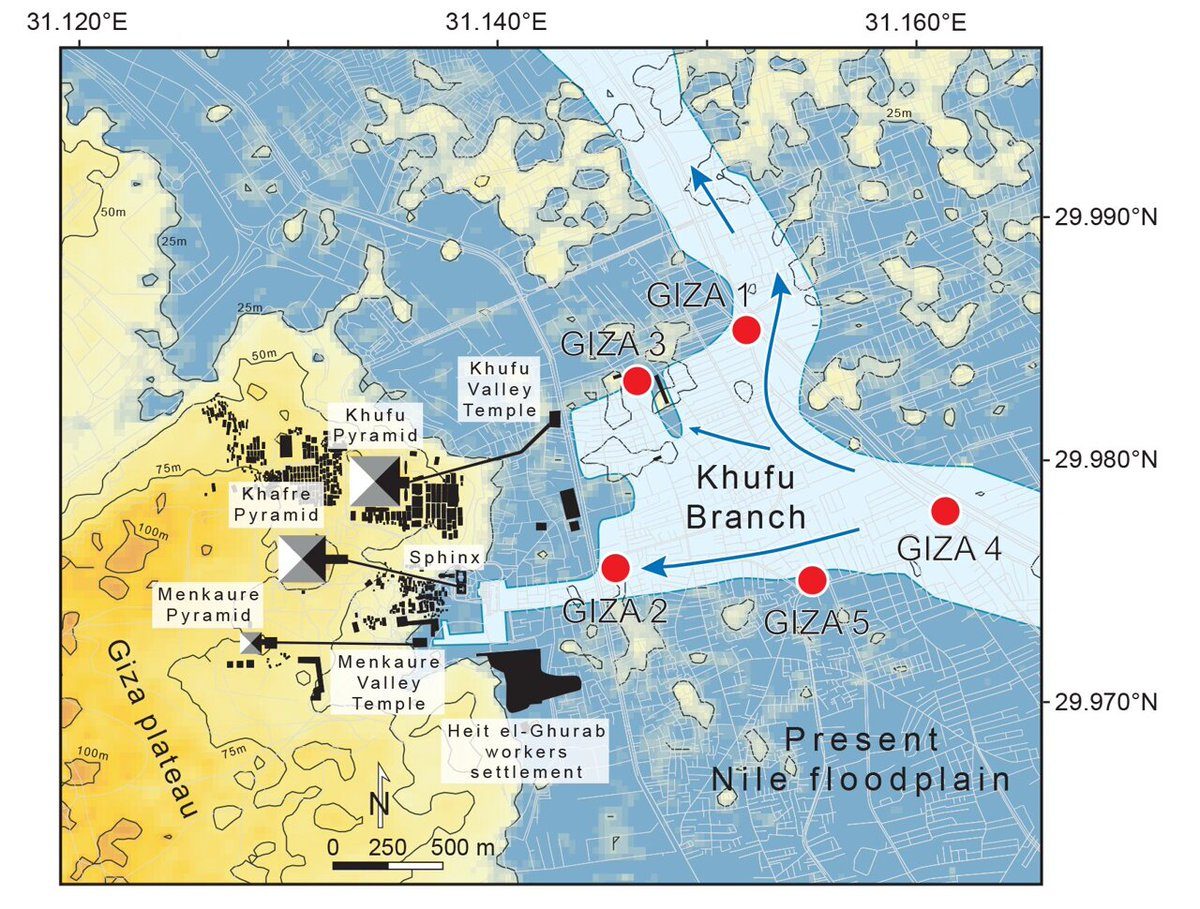
The oldest, largest and most famous sphinx is the Great Sphinx of Giza, situated on the Giza Plateau adjacent to the Great Pyramids of Giza on the west bank of the Nile River.
The Great Sphinx, which has a body of a lion and a man's face, was built around 2500BC by the Pharaoh Khafre of the 4th dynasty and it is believed that Sphinx face is that of the Pharaoh Khafre...
The Sphinx faces east. And right under its feet, archaeologists have discovered the oldest Ancient Egyptian solar temple, where the sun was worshipped as Khepri, the rising sun, Ra, the midday sun, and Atum, the setting sun.
According to "The Sun Temples of the Vth Dynasty: A Reassessment", during the Old Kingdom, "kingship assumed a solar trait which culminated with the building of the Giza Sun Temple, a place devoted to the celebration of...solar nature of the pharaoh who represented the only link between gods and people..."
Now, knowing this, it is very interesting that the Great Sphinx which stands over the sun temple, has a face of the Pharaoh Khafre, whose name means "He appears as Ra (Sun god)".
I would say that this was done to explicitly identify Pharaoh Khafre as the Living Sun God.
This would answer, apparently still unanswered, question: what was the original symbolic meaning of the Sphinx?
Common opinion is that Sphinx symbolises human triumph over wild nature.
But Egyptologist Alan Gardiner suggested that the Egyptian phrase, "shesep ankh Atum" (Living Image of Atum), which was associated with sphinxes, signified the pharaoh in the form of the primeval sun and creator god Atum.
In the Heliopolitan creation myth, Atum was the first god. Some say that he was the primordial mound which emerged from the primordial waters. Others say that he created himself as the first thing on the primordial mound after it emerged from the primordial waters.
Apparently, Pyramid Texts, Coffin Texts and the Book of the Dead state that "lion emerged from the primeval mass within the primeval waters before all other animals, and mankind".
Which would imply, as the Egyptologist Karol Mysliwiec pointed out, that it was Atum himself who appeared on earth as a lion. Hence Sphinx, a lion man, as the Living Image of Pharaoh as Atum...
Interesting, right?
But why did Atum appear as a lion? No one knows...Well actually I know...Animal calendar markers...
This is annual Nile flow rate chart. You can see that the flow peaks in Jul/Aug (Leo) resulting in the annual flood...
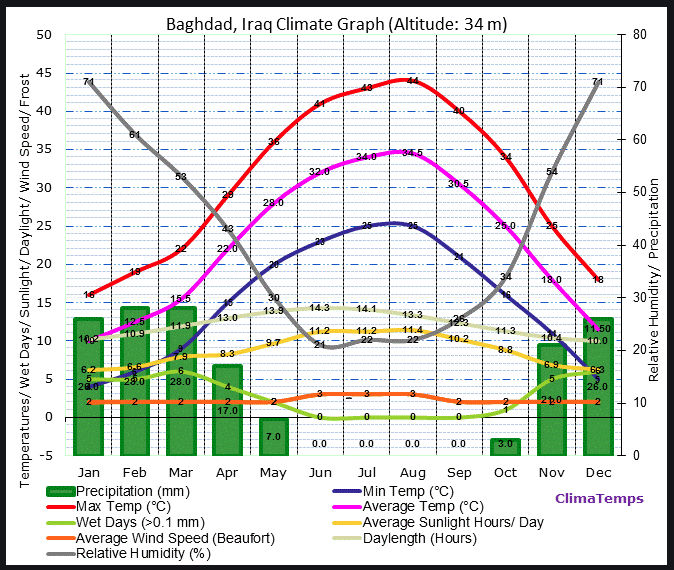
During the sunniest, hottest time of the year in Egypt (Cairo climate chart). And because it is the annual Nile flood that makes the life in Egypt possible, we have the Sun (god) being the creator of life...
Now in my post "Beautiful boy", about Nefertem, the Egyptian Beautiful Boy, originally a lotus flower at the creation of the world, who had arisen from the primal waters, I explained why I think that when Egyptians talk about "primal waters" or "primordial waters" from which their world emerged, they actually mean "annual Nile flood" without which Egypt wouldn't exist...
So Atum appearing out of the "primordial waters" as a lion just means fertile land appears out of the Annual Nile flood which starts in Jul/Aug, in Leo...
And because the Pharaoh is the "living life giving sun god", we end up with a Sphinx, a lion man, sun (god) in Leo...
BTW, this is also the time when the the god Osiris, the personification of the fertile black soil, gets resurrected, after being killed by god Set, the personification of the infertile red (desert) soil
In Egypt, agriculture depended not on rain, but on the annual Nile flood. And who was the god directly linked to the annual Nile flood that created the black (fertile) soil? Osiris. I talked about this in my post "Holy carp"...
Osiris with wheat growing from his body. From the coffin of Nespawershepi.
And because Osiris is "an ideal Pharaoh", and because Osiris likes wearing a false beard, Pharaohs wore false beards...I talked about this in my post "The beard of Osiris"...
Figurine of a bearded man by the Naqada I culture, 3800–3500 BC, from Upper Egypt...
But I am digressing...Jul/Aug is marked with animal calendar markers Leo (Lion) because this is when Eurasian lions main mating season used to start...It originally had nothing to do with constellations...
Asiatic lions mating season started in Jul/Aug and spanned the whole of Autumn (Aug/Sep/Oct)...
In the "THE ASIATIC LION: A study of ecology and behaviour" by Paul Joslin we can read that based on the observation of the large number of wild lions, the mating season of the Asiatic lions starts in August and lasts until October.
Which is why autumn starts in Leo (Jul/Aug). And why lion is the symbol of autumn...I talked about this in my post "Symbols of the seasons"...
Now here is a very interesting fact: Now extinct, North African lions have a completely different mating season from Eurasian lions. They mated in January...I talked about this in my post "Barebery lion", about this Roman mosaic, 2nd century AD, Tunisia, depicting Dionysus riding a lion...Great example how different reproductive cycles of different subspecies of the same animal, in this case Eurasian lion and African Barbery lion, change the meaning of the lion symbol.
This means that unless Eurasian lions once lived in Egypt, Ancient Egyptians could not have developed Leo animal calendar marker for Jul/Aug by observing local lions behaviour.
So what does this mean? It means that this animal calendar marker and the associate mythology was imported into Egypt from somewhere else, from a place where local lions did start mating in Jul/Aug...
That place is Mesopotamia...And guess who we find in Mesopotamia?
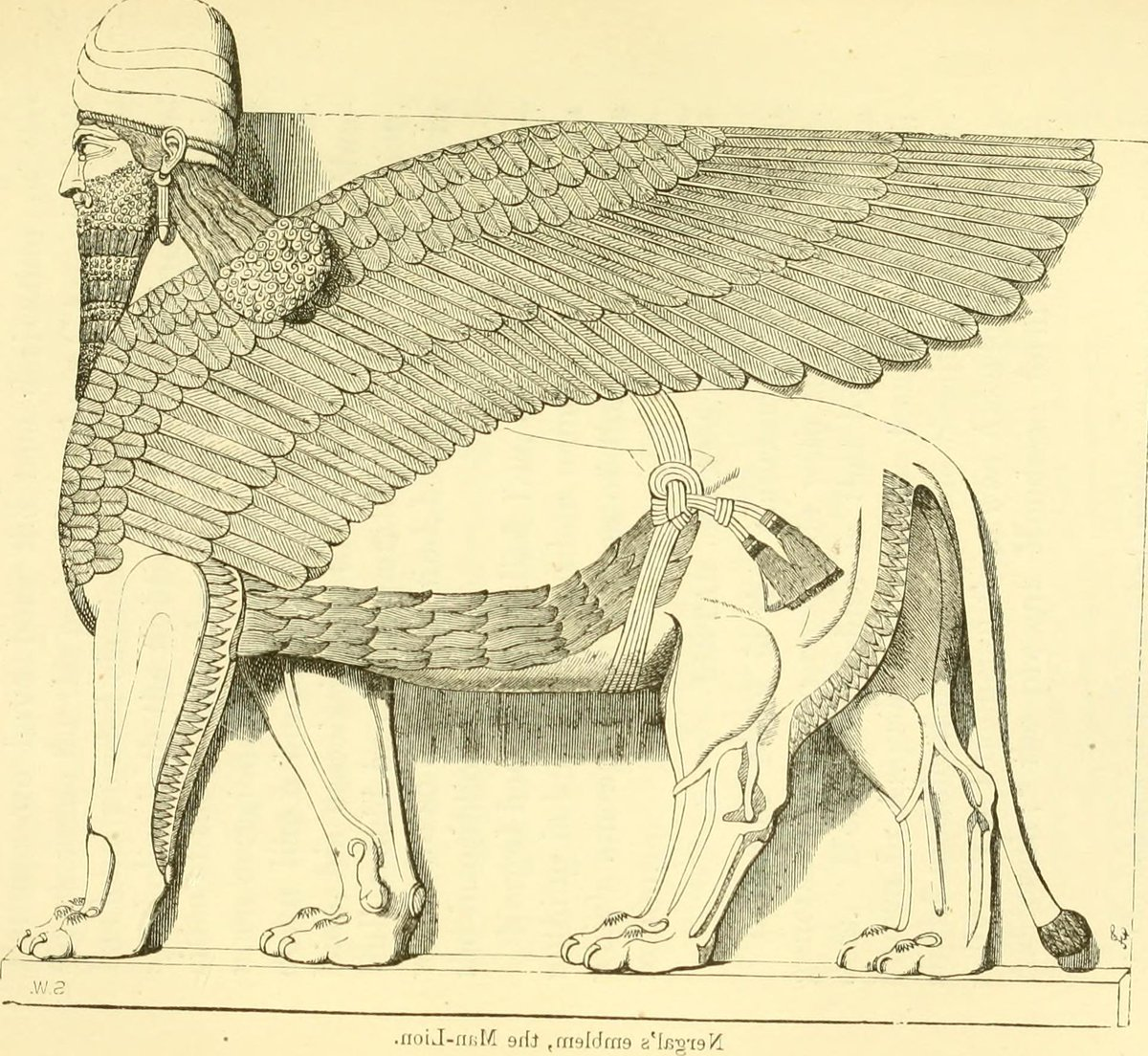
Nergal, the deified destructive "burning" sun, was depicted as a lion man, because Jul/Aug, Leo, is the hottest and driest part of the year in Mesopotamia...Talked abut him in my post "Winged superhuman hero"...
Well lion-man otherwise known as Sphinx...Except, because of the different hydrological situation, Jul/Aug is not just the hottest and driest time of the year, but also the beginning of the time period with the lowest water level in Tigris and Euphrates. The real time of death...
A lot has been written about Egypt - Mesopotamia relations Mesopotamians had a huge genetic and cultural influence on Early Egypt. Even I wrote about it in my post "Markhor goat from Naqada"...
Anyway, guess what's depicted on one of the most "Mesopotamian" objects found in Egypt, the so called "Gebel el-Arak Knife", Dated 3300–3200 BC, and found in Abydos, Egypt?
"King as master of animals fighting two lions" 🙂
This is kind of true. The king (dressed like early Mesopotamian Uruk culture kings) is depicted "in Leo" (between the lions)...
The most important duty of Mesopotamian kings was to oversee the building and maintaining of irrigation canals and dams.
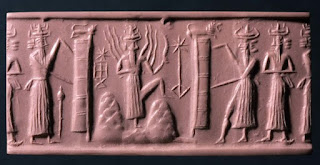
Sun God Utu/Shamash with sun (heat) rays emanating from his shoulders, standing in in an empty canal, in Leo (between the lions), the hottest, driest time of the year in Mesopotamia, and the time when canals were repaired, holding reed cutting knife...I talked about this in my post "Canals"...
It was irrigation which made grain agriculture possible in Mesopotamia and helped people defeat the destructive sun in Leo...Hence...
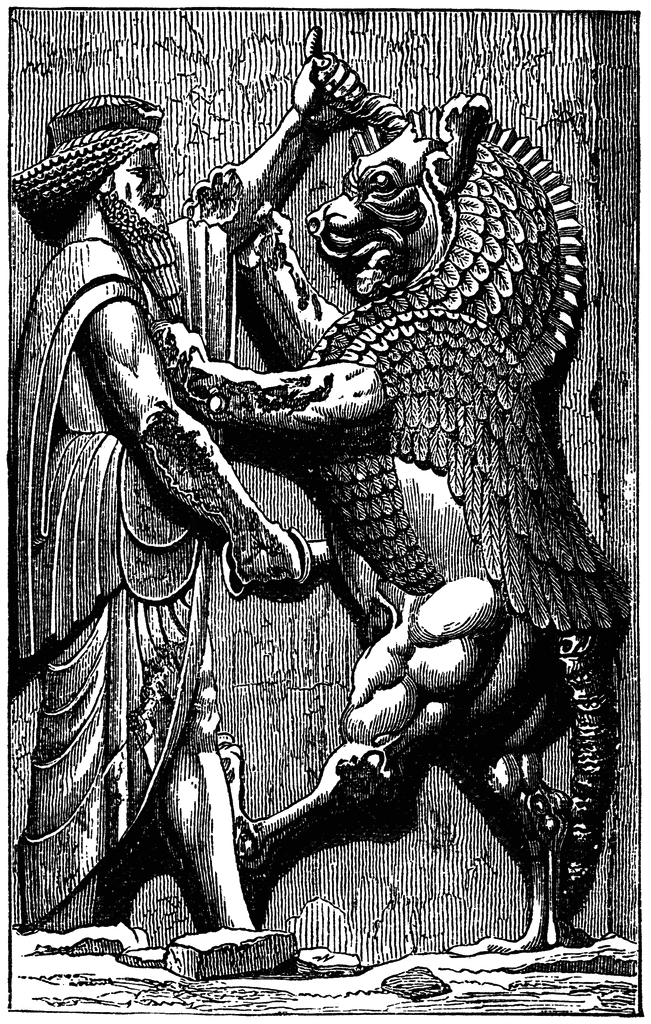
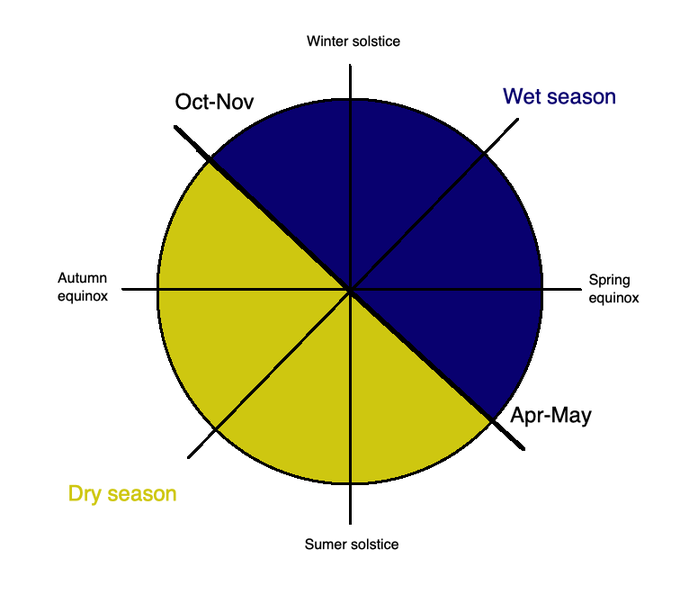
Why were Persian kings so obsessed with killing lions? Well they were't really killing lions. They were symbolically killing dry season...Which starts in Apr/May, Bull, peaks in Jul/Aug, Leo and ends in Oct/Nov, Scorpio/Eagle...I talked about this in my post "King killing Angra Mainyu".
As I already said, because of the different hydrology, in Egypt, the time between the lions, Jul/Aug, Leo, was not the time of drought, death, but the time of flood, life. Hence pharaoh was eventually depicted not fighting the lions, but being a lion...A Sphinx...
Which I why I think that Gebel el-Arak Knife and other depictions of kings fighting lions were made under the direct cultural influence from Mesopotamia, and predate the development of the local Egyptian "good lion-sun god = lion-pharaoh cult"...
BTW, in Mesopotamia the sun god was also the giver of life...But it was the sun in Taurus, the time when water levels peak in Tigris and Euphrates.
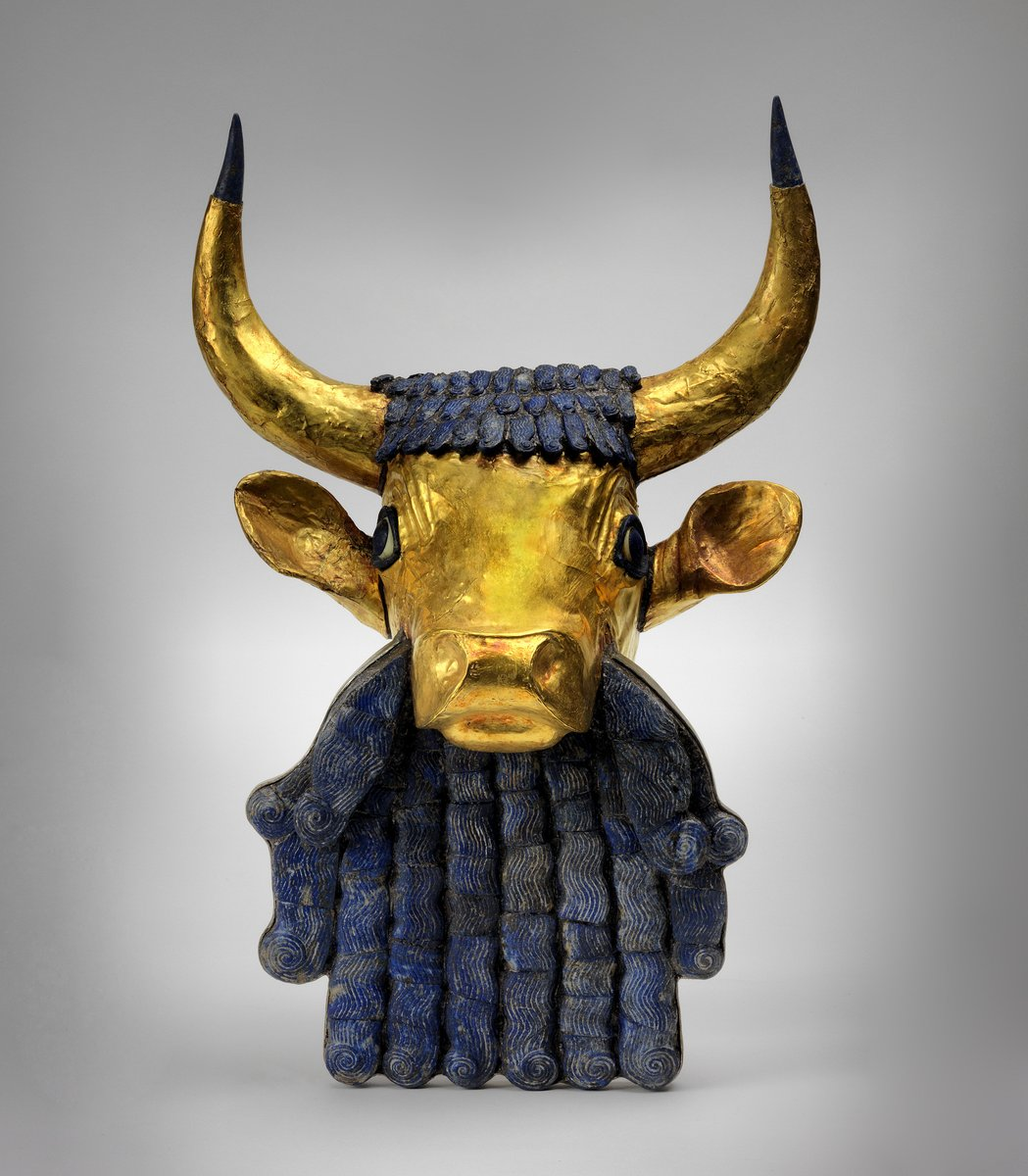
Mesopotamian god Utu/Shamash was depicted as a golden bull (Sun in Taurus) with flowing lapis lazuli beard (flowing water)...
Cause flood arrives there in Taurus...

I talked about this in many of my posts. For instance "Butt chewing"...
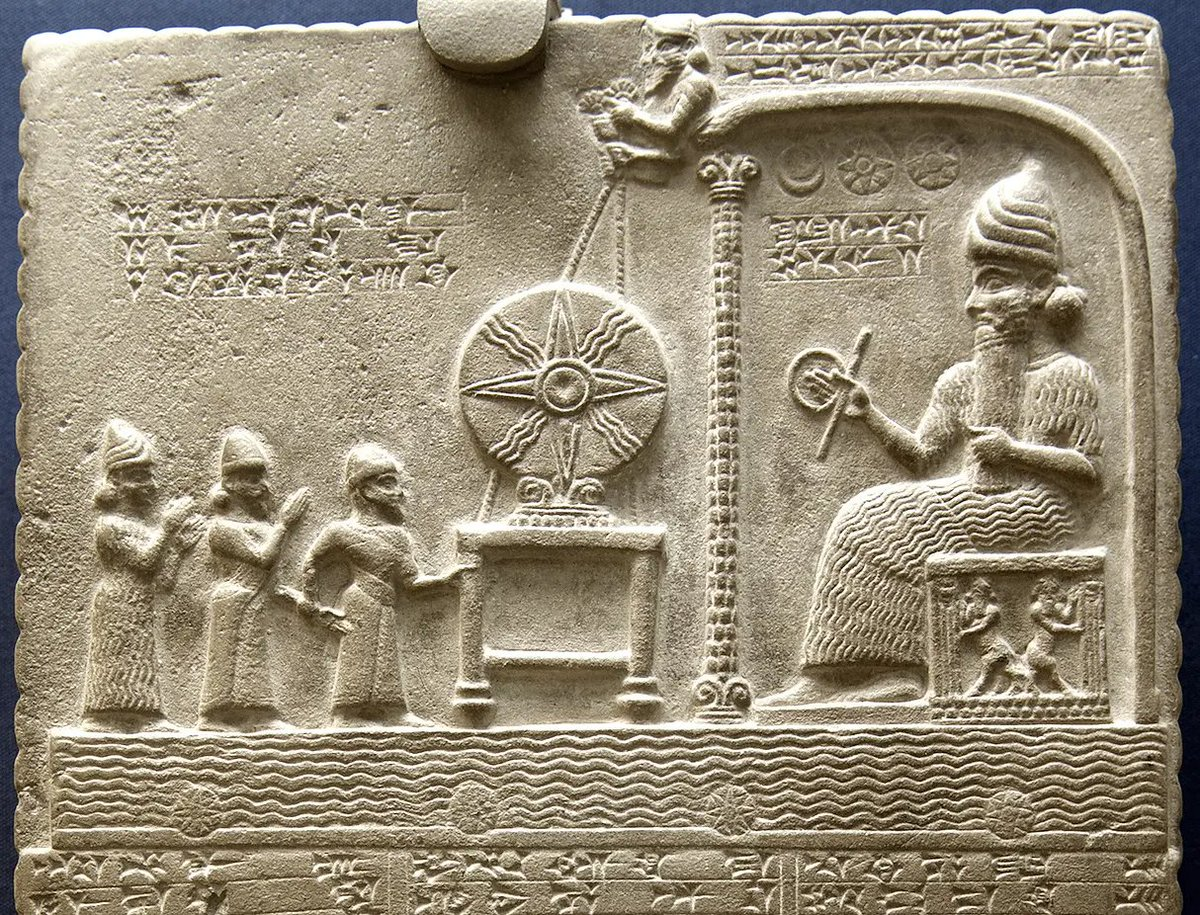
I talked about Shamash (sun) and his link to annual Tigris and Euphrates flood and Ankh in my post "Sun god tablet" in which I present detailed analysis of this 860BC-850BC Middle Babylonian limestone tablet known as "Sun god tablet"...
But I am digressing again...
Now, if lions in Egypt had a different mating season from the Eurasian lions, how did Mesopotamian people who arrived and settled in Egypt know that the annual Nile flood starts in Jul/Aug, Leo...
Enter Sirius, the one star that every old civilisation seem to have known, worshiped, tracked and used as a calendar marker.
During the time when Mesopotamian and Egyptian mythologies were formed, Sirius rose with the sun in Jul/Aug, in Leo, when Eurasian lions began their mating season...Hence in Mesopotamia we have a goddess of war and destruction associated with lions...
For those who will say "Ishtar was the morning star", yes she was, in Leo (Jul/Aug), when Sirius rose in the morning before the sun...Which is why Ishtar stands on a lion (with Shamash sun cross above the lion) and is known as "The Lioness of heaven"...
I know, I know, everyone believes that the star of Inanna/Ishtar was Venus. In my post "Inanna and Shukeletuda", through analysis of this famous poem, I explain in detail why I believe that this is in fact wrong...And why the star of Inanna/Ishtar is in fact Sirius...
In Egypt, Jul/Aug, Leo, is also the time of the "Eyes of Ra", murderous lioness war goddesses, like Sekhmet...I talked about this in my posts "Holy cow" and "Baboon"...
In Mesopotamia, the heliacal rising of Sirius marked the lowest water level in the Tigris and Euphrates rivers, the beginning of drought...It also marked the arrival of Nergal, the lion-god, the sun god of death...
In Egypt, the heliacal rising of Sirius marked highest water level in the Nile river, the beginning of the annual flood...It also marked the arrival of Atum/Ra, the lion-god, the sun god of life...
BTW...When our mythologies were made out of animal calendar markers, Sirius, the Dog Star rose with the sun in Jul/Aug, when mating season of the old dog breeds began...
I talked about the dog star in Egypt in my post "Dog days"...
I talked about the dog star in Mesopotamia in my post "Tishtrya"...
I talked about the dog star in India in my post "The bitch of gods"...
Why is this important? Cause on the Gebel el-Arak Knife, the king is standing not just between two lions (in Jul/Aug, Leo), he is also standing between two dogs (In Jul/Aug, Dog days)...When Dog Star Sirius (the eye of Ra???) rises with the sun (Ra)...
Sooooo...
Back to our original Hittite engraving...Well it makes the link between Sphinx and lion (Leo) obvious. In case this is still not obvious...
Hittite relief sculpted orthostat stone panel of Herald's Wall Basalt, Karkamıs, (Kargamıs), Carchemish (Karkemish), 900-700 B.C. Chimera. Anatolian Civilisations Museum, Ankara, Turkey.
I think that it was made under Egyptian influence, as in Egypt and not Mesopotamia lions (and lion-men, Sphixes) bring life (Trees of life)...
But the Spinx depicted on the engraving has wings, which Egyptian lion-man does't have, but Mesopotamian lion-man (Nergal) has...
So I wonder if this piece was made during the time when Mesopotamians ruled Egypt? Which is basically the exact time to which this Hattusa engraved ivory was dated to...And which is why we see Mesopotamian lion-man with attached Egyptian symbolism?
Anyway, that's it for today. Hope you enjoyed this. To read more about ancient animal and plant calendar markers, start here…then check the rest of the blog posts related to animal calendar markers I still didn't add to this page, and finally check my twitter threads I still didn't convert to blog post...I am 9 months behind now...
PS: It just occurred to me that the later Greek Female Sphinx as murderous keeper of secrets, could just be Sirius, "The Lioness of Heaven", "The Eye of Ra" under another name and guise...I might write another thread about this at some later stage...