Showing posts with label english. Show all posts

Saturday, 14 November 2015

Apples and berries

"An apple a day keeps the doctor away". This phrase was first recorded in the 1860s, when it is said to be an old saying from Pembrokeshire in Wales. The original phrase was, ‘"Eat an apple on going to bed, and you’ll keep the doctor from earning his bread." In the 19th century and early 20th, the phrase evolved to "an apple a day, no doctor to pay" and "an apple a days sends the doctor away," while the phrasing now commonly used was first recorded in 1922.

So what does this phrase actually mean? Well its clear isn't it. It means that eating an apple a day (one of these fruits on the picture below) is good for your health.


But if you have said "An apple a day keeps the doctor away" before the mid of the 17th century, the meaning of the phrase wouldn't have been so clear at all. This is because the word apple before the mid 17th century had a quite a different meaning.

The English etymological dictionary says this about the word apple:

apple (n.) - from Old English æppel meaning apple or any kind of fruit; fruit in general. In Middle English and as late as 17c., it was a generic term for all fruit other than berries but including nuts.

The fact that the word apple meant "all fruit other than berries but including nuts" is very interesting and could be the clue to the real etymologies of both the word apple and the word berry. 

Let me explain what I mean:

The English etymological dictionary says that the English word apple comes from Middle English appel, from Old English æppel, from Proto-Germanic *ap(a)laz, from Proto-Indo-European *ab(e)l, *h₂ébl̥, *h₂ebōl.

The words derived from this (obviously still not clear) PIE root are found in Celtic, Germanic, Baltic and Slavic languages and in Italic but not Latin or Ancient Greek:

Balto-Slavic: *āˀbōl

Lithuanian: obuolỹs
Latvian: ābols
Old Prussian: woble, wabelcke

Slavic: *ablo

South Slavic:
Slovene: jablo
West Slavic:
Old Czech: jablo
Old Polish: jabło
Slovak: jablo
Slovincian: jȧ̃blɵ

Other Slavic languges use diminutive of *ablo + ko

Old East Slavic: jablŭko, ablŭko, abloko
Belarusian: jáblyk
Russian: jábloko
Ukrainian: jábluko, jablyka
Old Church Slavonic: ablŭko
Bulgarian: jábǎlka
Macedonian: jábolko, jabolka
Serbo-Croatian: jabuka, jabuko
Slovene: jábolko
Czech: jablko
Polish: jabłko
Slovak: jablko
Upper Sorbian: jabłuko
Lower Sorbian: jabłuko

Celtic: *ablu-

Old Irish: uball
Irish: úll
Manx: ooyl
Scottish Gaelic: ubhal
Welsh: afal

Germanic: *aplaz

Old English: æppel
Scots: aipple
English: apple
Abenaki: aples
Yurok: ˀɹplɹs
Old Frisian: appel
Saterland Frisian: Appel
West Frisian: apel
Old Saxon: appel, appul, apl
Low German: Appel, Äppel
Plautdietsch: Aupel
Old Dutch: *appel
Dutch: appel
Afrikaans: appel
Xhosa i-apile
Unami: apëlìsh
Old High German: apful, aphul, afful
German: Apfel
Luxembourgish: Apel
Vilamovian: epuł
Yiddish: עפּל ‎(epl)
Old Norse: epli
Icelandic: epli
Faroese: epli
Faroese: súrepli
Norwegian: Bokmål: eple, Nynorsk: eple
Swedish: äpple
Old Danish: æplæ
Danish: æble
Gothic: aplus
Crimean Gothic: apel

Italic:

Oscan: Abella (the name of a city in Campania which Vergil calls malifera, i.e. "apple-bearing") - usually dismissed as a borrowing from a northern language and I would agree that this is true.

So all the Celtic, Germanic, Baltic and Slavic languages have the word for apple which is basically exactly the same. But interestingly, the English etymological dictionary says that "the exact relation and original sense of these words is uncertain"...


So what could have been the original sense of the root word of all these words and what was that root word anyway? Well to figure that out we need to think about why was apple the word that in Middle English meant "all fruit other than berries but including nuts".

Wiki page about the proposed PIE root for all these words says that there are several indications that the word for "apple" did not belong to the oldest layer of the Indo-European protolanguage because of these reasons:

1. the word is limited to the West Indo-European languages (except for Pashayi wālī, perhaps < Proto-Indic *abalikā-)
2. it contains the phoneme */b/, which had marginal distribution in PIE
3.  it somewhat resembles the South European word for "apple" (PIE or pseudo-PIE *méh₂lom: Latin "mālum" meaning apple, Ancient Greek μῆλον ‎(mêlon) and alternative Doric μᾶλον ‎(mâlon) meaning apple, any fruit from a tree).

Hittite cognate is ‎(šam(a)lu-, “apple”), which renders the original PIE form as *šamlu ‎(“apple”). The original cluster *-ml- remained as such in Anatolian but yielded *-bl- in the other IE languages with otherwise rare/non-existing phoneme */b/. Such a development is not attested anywhere else, however, and with the only sound that *h₂ébōl and ‎(šam(a)lu-, “apple”) have in common being */l/ the connection remains dubious. The Hittite word is furthermore identical to Hattic ‎(šawat, “apple, apple tree”) with the usual Hattic /t/ = Hittite /l/ correspondence, though it could easily be a borrowing from Hattic rather than vice versa.

In the end the wiki page says:

This all points that the word entered the Indo-European speech continuum some time after the dissolution of the parent language most likely as a borrowing from Semitic...

This is actually not "most likely".  No one really knows where the word apple comes from. That the word apple comes from Semitic languages is just a proposal put forward by Theo Vennemann (1998) in his article Andromeda and the Apples of the Hesperides where Vennemann attempted to link apple to Semitic, particularly, the South-Eastern Semitic languages of Ethiopia. After an introduction, sketching his the theory regarding the languages of prehistoric Europe north of the Pyrenees and the Alps, Vennemann proposed that the reconstructed IE *abal could be cognate with the modern Ethiopic Ge’ez ‚abāl, Tigrè habāl, Tigrinya ‚abal, Amharic abal and Gurage abal, allegedly meaning genitals. According to him, this word was used to mean apple in Semitic and it was borrowed into Germanic with this meaning. The meaning apple was subsequently lost in all Semitic languages except in the named Ethiopic ones where it was replaced, due to “an awkward metaphoric shift”, by a new one – genitals, via the association of the external form of apples with testicles. However Geʻez ʼabāl means “flesh, piece of flesh, member of body, member (of a community), limb, genitals, self, person” (thus Leslau 1989; basically following Dillmann 1865). Neither in Geʻez nor in other Ethiopic languages does it mean “apple”, or indeed any fruit. The semantic development flesh > genitals seems straightforward, so there is no reason to postulate a supposed older meaning “apple”.

I would argue that apple is definitely a very old Indoeuropean word and not the borrowing from Semitic languages. I would agree that the word probably developed when the steppe dwellers from eastern Europe arrive into Central European forests. I also believe that the root meaning of the word apple was "what fell off". But in order to understand how can word apple be derived from the verb to fall we need to look in more detail at edible plants which grew in Europe at the time when this word probably arose (the end of the 4th - beginning of the 3rd millennium bc, the arrival of the tumulus culture into Europe).   

Although not often thought of as a major center of crop diversity, the European continent harbors rich wild gene pools of many crop species. This is the list of the native European edible plant species. The list includs: many types of Oaks (Quercus), hazelnuts (Corylus), beech nuts (Fagus spp.), chestnuts (Castanea spp.); cereals, particularly oats (Avena) and rye (Secale); food legumes such as pea (Pisum) and lupins (Lupinus); fruit crops, such as apple (Malus), pear (Pyrus), plums and cherries (Prunus), grape vine (Vitis), raspberries and blackberries (Rubus), olive (Olea) and fig (Ficus); vegetables—including lettuce (Lactuca), carrot (Daucus), parsnip (Pastinaca), cabbage and other brassicas (Brassica), beet (Beta), celery, celeriac (Apium), leek (Allium), asparagus (Asparagus), salsify (Tragopogon), and artichoke (Cynara). The wild inventory is also very rich in the assemblage of pot herbs, condiments, and aromatic plants such as: caper (Capparis), mints (Mentha), marjoram (Origanum), lavender (Lavandula), thyme (Thymus), sage (Salvia), rosemary (Rosmarinus), mustards (Sinapis, Brassica), horseradish (Armoracia), water cress (Nasturtium), chives and leek (Allium), fennel (Foeniculum), caraway (Carum), that have their close wild relatives in Europe.

So these are the plants that our European ancestors had at their disposal in Late Neolithic and Early Chalcolithic times when we see the arrival of the first steppe Curgan people into Central Europe. If we look at these edible plants we see that some of them have edible roots and leaves (vegetables), some have edible seeds (cereals) and some have edible fruits and nuts and acorns. The last group of edible plants can be divided into two groups based on what happens with their ripe fruits, nuts or acorns. Basically we can divide these plants based on whether their fruits fall off when they are ripe or whether they stay on branches even when they are ripe.

All nut, oak and beech trees shed their nuts and acorns, meaning that they fall on the ground when ripe. 

Oak:


All heavy fruit trees with heavy fruits like apples, pairs, plums also shed their fruits, meaning that they fall on the ground when ripe. Sour cherries do the same while sweet cherries i am not sure about. 

Apple:


Plum:


All the fruit plants whose fruits stay on the branches even when they are ripe are the fruits we call berries. Here are some examples:

Blackberry:


Strawberry or earth berry as it was known in the past, as its Old English name was eorðberge meaning earth berry:


Blackthorn:


Hawthorn:


So all the nuts and acorns and all the fruits except berries fall off when they are ripe. Compare this with the old meaning of the word apple: "all fruit other than berries but including nuts". Do you think that this is a coincidence? I don't think so. I believe that this is the clue which will lead us to the original meaning of the root word from which the word apple developed. And I believe that this root word was Slavic word "pal" which has an English cognate"fall", as in fall of the branch when ripe. Basically all the fruits, nuts and acorns which fall of the tree when ripe were called "the ones that fall off". 

In Serbian we have the word "pal" which means fell. From this root we have these derived words:

"spal" (masculine) and "spalo" (neuter) meaning "fell off something"
"opal" (masculine) and "opalo" (neuter which is used for things like fruits, nuts, acorns) meaning "fell off something onto something", like fruit fell of the tree onto the ground. 
If you add "je", meaning it is, before "pal" you get "je pal" meaning "it fell".
If you add "je", meaning it is, before "opal" you get "it fell off the tree and on the ground".

In Serbian we also have word "bal" meaning to fell by force. From this root we have these derived words:  

"obal" meaning to knock down, to fell. 

In English this would be "of fall" today's fall off. Compare opal, obal and of fall with the all the above old words for apple, especially the oldest one. Do you see any similarity? Is it possible that the word for apple comes from the word to fall off? So lets see if this is possible based on old versions of the words for "fall". 


The English etymological dictionary says this about the word "fall":


fall (v.) - from Old English feallan (past tense feoll, past participle feallen) "to drop from a height; fail, decay, die," from Proto-Germanic *fallan (cognates: Old Frisian falla, Old Saxon fallan, Dutch vallen, Old Norse falla, Old High German fallan, German fallen, absent in Gothic), from PIE root  *pōl-, *spōl- ‎(“to fall”). Cognates: Armenian p'ul "downfall," Lithuanian puola "to fall," Old Prussian aupallai "finds," literally "falls upon"), Ancient Greek σφάλλω ‎(sphállō, “bring down, destroy, cause to stumble, deceive”).

This is very interesting for two reasons. Firstly the etymological dictionary shows that the old root for "fall" used to be "pol". Secondly it doesn't even mention the Slavic word "pal" as a cognate. Regardless this shows that fall (or the old version pol, pal) could have been the root of the word apple through o (of, od) + po(a)l = from + fell. Basically apple means any fruit, nut or acorn which falls off the tree when its ripe. 


Do you remember the Latin word "mālum" meaning apple and Ancient Greek μῆλον ‎(mêlon) and alternative Doric μᾶλον ‎(mâlon) meaning apple, any fruit from a tree? I believe that they also both come from the same root pal (fell). M, P, B, V, F are interchangeable consonants which all developed from the same undifferentiated MPBVF sound. All these consonants can be produced with you mouth in the same position and by slightly varying the pressure of your lips. This is why they are often change in various languages and dialects. People hear these sounds and reproduce them in different ways. Of course this is not a random change and is usually always the same as we go from one language to another. Like apple (Germanic) <==> ablo (Slavic). It is quite possible that in Ancient Greek and Latin pal, pol (fall, fell) became mal, mel through change P ==> M. So they would also then have the same meaning: fruits that fall off when they are ripe. This same root will explain the Hittite šam(a)lu can also be derived from this root as sa + pal = from + fell meaning: fruits that fall off when they are ripe. 

That it is possible to derive the etymology of the word for fruit from the act of falling off the tree when ripe, action associated with the fruit, can be seen from the etymology for the Latin word "poma" meaning apple which is nominative plural of "pomum" which means any type of fruit (applied to apples, cherries, nuts, berries, figs, dates, etc.) and a fruit tree.

This Latin word is said to be of an uncertain origin. Possibly from an obscure Mediterranean language, or an evolution of Old Latin roots *po-emo ‎(“picked off”), possible variants including *po-omo and *pe-omo.

The descendants are found in all Romanic languages and English where the words mean apple, fruit or tree:

Albanian: pemë
Aromanian: poamã
Catalan: poma
English: pome
French: pomme
Friulian: pome
Italian: pomo
Occitan: poma
Portuguese: pomo, poma
Romanian: poamă
Sicilian: pummu, puma
Spanish: poma
Venetian: pomo

So we see that the same logic was used in Latin for naming apples and all the other tree fruits based on the action related to fruit, this time the action of picking fruit. The only difference is that Latin doesn't distinguish between the fruit that falls and the fruit that doesn't.

I believe that the final proof that the word for apple was derived from the word for falling, can be found in Sanskrit:

स्वादुफल svAduphala = svadu + phala = sweet + fruit
फल - प्रभेद phala - prabheda = phala + prabheda = fruit + species
आताफल AtAphala
सेवफल sevaphala - seva (zeva) + phala = enjojment, reverence, worship, dear, precious... + fruit

So the Sanskrit word for fruit "phala" in Serbian literally means fell (feminine). Apple and all the other old Evroasian fruits are feminine words (all end in "a") in Serbian: jabuka - apple, kruška - pear, šljiva - plum, dunja - quince, trešnja - cherry, višnja - sour cherry, breskva - peach, kajsija - appricot, jagoda - strawbery, kupina - blackbery.... Interesting...So It is possible that this word is truly ancient and that is found in Eastern Indoeuropean languages as well in its oldest form. 

As a final proof that the word apple, meaning fruit which falls off the tree is derived from the word pal meaning to fall is this. In English the word fruit means "the sweet and fleshy product of a tree or other plant that contains seed and can be eaten as food."  In Serbian and other Slavic languages, the equivalent word is "plod" which comes from pal + od = fell + from = what fell from the plant. So fruit in Serbian is literally what fell off, from...Plod also means fetus. Now remember the word ber meaning to carry to bear and which in Serbian also means to pick up, to pluck. To bear also means to carry children literally to carry fetus, plod, a fruit of man’s loin...In Serbian and other Slavic languages the word for being pregnant is “b(e)remenit”. Look at Sanskrit “bhariman” meaning family. In the old times women gave birth standing up, crouching down or standing on all four like animals do. The lying on your back with your feet in the air birth is a very new invention. So in those olden days, the baby fell out of the woman’s womb, in the same way baby animals fall out of their mother’s wombs and they are picked up by the midwife or a husband or whoever is delivering the baby. Hence pal od = plod..The Serbian word "plodan" means fertile. The  word comes from plod = fruit + gives, has a lot, literally what gives, has a lot fruit and even more literally what gives, has a lot things that fall off...


Now lets have a look again at the old meaning of the word apple: "all fruit other than berries but including nuts". If apples  are all the fruits that fall when ripe and then you just have to pick them. If apples are all fruits and nuts (and acorns) except berries. If berries are fruits that don't fall off when they are ripe. If the word apple comes from the word for to fall off (opal, opol, obal). Is it possible then that the word berry comes from the word to pluck off? After all you have to pluck the berries off the branches to eat them because they don't fall of when they are ripe. Let's have a look at the word berry. 

English word berry has cognates in all Germanic languages:

Old English: berige
Middle English: beriye, berie
Scots: berie, bery, berrie, berry
English: berry
Old Saxon: beri, winber
Middle Low German: bere
Low German: Beer
Old Dutch: beri
Middle Dutch: bere
Dutch: bère, bèr (dialectal)
Old High German: beri
Middle High German: bere
German: Beere
Old Norse: ber
Icelandic: ber
Faroese: ber
Norwegian: bær
Swedish: bär
Danish: bær
Gothic weinabasi

When it comes to etymology of the word berry and its Germanic cognates


Berry from Old English berie, from Proto-Germanic *basjom which is of unknown origin.

Wiktionary says this:

From Middle English berye, from Old English beriġe, from Proto-Germanic *bazją' from Proto-Indo-European *bʰes- ‎(“to blow, chew, rub”). For the semantic development, compare Old Church Slavonic гроуша ‎(gruša, “pear”), from гроушити ‎(grušiti, “to break, destroy”); Latin pirum ‎(“pear”), from *peis- ‎(“to stick, pound”).

What wiktionary says is very interesting because again we have the name of the type of fruit being derived from an action performed on that fruit. But “to blow, chew, rub”???? What does blowing and rubbing have to do with berries? And why call only berries the chewy fruits? This makes no sense. What is the main thing that distinguishes berries from apples (other fruits, nuts and acorns)? The fact that they don't fall off the tree when they are ripe. So if you want to eat apples you wait until they fall off and then you know they are ripe and you can pick them up and eat them. But with berries you have to pluck them from their stems. If you can easily pluck them, they are ripe and can be eaten. So if there was an action that would define berry it is plucking. If there only was a word that means pluck and sounds like berry. Well there is. The English word bear which means to carry, to bear. This word comes from Middle English beren, from Old English beran, from Proto-Germanic *beraną, from Proto-Indo-European *bʰer-. This word has cognates in pretty much all Indoeuropean languages including Slavic languages and the meaning is always the same: to carry, to bear. But in Slavic languages this word has additional meaning: to pick up, to pluck off, to take.  In Serbian we have these words derived from the root "ber":

berač - fruit or vegetable picker. Implies that the fruits and vegetables are plucked off the plant.
berba - picking of fruits, vegetables and corn (maize). Corn (Maze), unlike other grains which are harvested by cutting, were originally harvested by plucking corn cobs off the plant.
branje, beranje - picking of fruits, vegetables and corn
Branje - (dialectic, Pobori, Montenegro) cooked green leafy vegetables, literally plucked leaves.

Now in Serbian, if someone asks you: "how do I collect the berries" and you want to tell him: "pluck them" you would say "beri" meaning "pluck them". 

I think that this is very interesting. It means that the word root "ber" had three meanings "to pick up, to pluck off, to take" which have been preserved only in Slavic languages. And that with this meaning the word berry means exactly what it should: the fruits you need to pluck of the plant, because they don't fall off when they are ripe. Did this meaning once exist in Germanic languages? Or was the word berry in Germanic languages somehow derived from the Slavic variant of the word bear which means not only to carry but also to pick up, pluck, pick off? 

So now we have apples, the fruits, nuts and acorns that fall when ripe and we have a possible etymology for the word apple from the verb to fall. And we have berries which are fruit that don't fall off when they are ripe, and we have a possible etymology for the word berry from the verb to pluck. 

I think this is very very interesting...What do you think?

Tuesday, 28 April 2015

Ri - to cut with something toothed

In this post I would like to talk about the development of the toothed (serrated) cutting implements and the words used to describe these implements and the actions performed with them. I started my investigation as a pure linguistic one. But this investigation lead me to discovery of how humans invented toothed (serrated) blades by literally making artificial jaws. What is amazing is that the word cluster from Serbian (Slavic languages) which describes these toothed tools and their use actually describes the way these tools were developed in Paleolithic, Mesolithic and Neolithic, through people imitating nature.

Here it goes.


In Slavic languages we have these words meaning to cut: Sek - ti and Riz, Rez - ti. The first word,  Sek - ti, comes from the root "sk" and means to cut with a smooth blade. There are large word clusters built on this root in both Irish and Serbian and I already wrote about this in detail in my post about the "People of the blade". This word cluster is based on an onomatopoeic root “sk” which makes it very old. The sound which a smooth blade makes when pulled across something in order to cut it is “sssssssk”, "sek".  Here you can hear sounds of flesh being cut with a blade. When you cut something off with a sudden hit of blade sound shortens to "tsk" or "tsak". Here you can hear sounds of chopping with a blade.

In this post I would like to talk about the other word for cutting, Riz (Rez) - ti, which comes from the root "r, ri, re, ro" and which means to cut with something toothed. 

r - sound made when you cut, rip, puncture with something toothed, like sharp stone or point or a blade which is not smooth, like a saw or a primitive stone blade like this one:


"rrrrrrrrrrrrr" is onomatopoeic sound of cutting with a toothed blade like a saw. This is the sound of a wood saw and this is the sound of a hack sow. "rrrrrrrrrrrrrrrr" is also a sound which is produced when we scratch or scrape over a rough, toothed surface.

"rrrrrrrrrr" is also the sound of growling. Growling means making a "rrrrr" sound while showing you teeth before you bite:


The word for growling in Serbina is "režati". What is interesting about the sound of režanje (growling) is that it is the sound "rrrrr" made in the throat ("grlo" in Slavic languages). You can hear this sound here. What is interesting is that the sound of resembles the sound of "režanje", growling, resembles the sound of "rizanje, rezanje", cutting with a toothed blade, saw. 

The official etymology of the word growl says that it comes from Middle English growlen, related to Middle Dutch grollen ("to make a noise, rumble, murmur, grunt, croak, be angry"; Dutch grollen (“to grumble”)), German grollen (“to rumble, be angry, bear ill will”), Old English grillan, griellan (“to provoke, offend; gnash the teeth”). But there is no further etymology provided. 

In Serbian we have word "grlen" meaning guttural, produced in the throat. The root of this word is word "grlo" meaning throat. In "grlo" meaning throat we find "grkljan" meaning larynx. When something gets stuck in your "grlo" throat is blocked or cut, you start to "krkljati" meaning to choke, wheeze. You can "grgoljiti" gurgle water in your "grlo" throat.  Grlo is actually a word built from all the base sounds which can be made by using your tong while it is rolling outward from the root to the tip: g - r - l. This is onomatopoeic description of human throat. Is "grlo" meaning the throat and rumbling "grlen" meaning guttural sound "rrrr" the root of all the above words? Is this where growl and gargle come from as well?

The growling dog is sounding a warning that it will bite. In Serbian the word for biting is "grizti, gristi".

gristi, grizti - to bite (after you growl as a warning). gristi = ga + ris + ti = it, him + cut + you
griz - sawdust, bits that fall off when wood is sawed. This gives us direct link between biting and sawing. This is extremely important for finding the origin of the word "rez" meaning to cut. 

Serbian word "režati" which means to growl, to show your teeth, to warn that you will bite (griz) is pointing to the fact that the original sharp toothed cutting implement used for "rezanje, rizanje" were jaws and teeth. In Slavic languages word for tooth is "zub". "Z" is the sound made using your teeth. And when you make sound "z" you bare your teeth. This is why zub is called zub. It is z + u + b = that makes z sound + in + gums (the b being the sound of toothles gums). 

You can see clear similarity between carnivore jaws and particularly canine, human and shark jaws and their ability to cleanly cut they pray in half and later human toothed cutting implements like saws.

Canine jaws with teeth


Shark jaws with teeth


Human jaws with teeth


The jaws are natural "sharp toothed" cutting implements. Here are some early human imitations:


People even used teeth (shark teeth) embedded into wood to create a cutting implement, which was literally an artificial jaw full of real teeth. For those of you who are wondering how you weaponise shark teeth, which are already regenerating, serrated meat knives at the business end of a streamlined, electric-sensing torpedo, here’s how. You drill a tiny hole in them, and then bind them in long rows to a piece of wood to make a sword. Or a trident. Or a four-metre-long lance. And then, presumably, you hit people really hard with them.

That’s what the people of the Gilbert Islands have been doing for centuries. Sharks are an ingrained part of their culture and their teeth have been an ingrained part of their weapons. Tiger sharks feature heavily – they have thick, cleaver-like teeth that can slice through turtle shells so they make a good cutting edge. But the weapons also include the teeth from spottail, dusky and bignose sharks (you can identify species from their teeth), and none of these actually live around the Gilbert Islands today.


 This is a modern version of the same tool, a saw:


Basically people noticed that jaws with teeth are good for cutting through hard things. They recognised a link between jaws teeth and cutting and then tried to create artificial jaws with teeth. This is why I believe that the oldest words for cutting with toothed implements have to be linked with words for biting. And this is exactly the case in Serbian where the word for growling (showing teeth) is "režati", the word for biting is "grizti" and the word for cutting with toothed implement is "rezati, rizati".

The Serbian word "rezati, rizati" has these cognates in other Slavic languages:

Old Church Slavonic рѣзати (rězati), Russian резать, Ukrainian різати (rizaty), Bulgarian режа (reža), Serbo-Croatian резати, Slovenian rezati, Czech řezat, Slovak rezať, Polish rzezać, Upper Sorbian rězać, Lower Sorbian rězaś.

On top of this in Serbian, Croatian and Bosnian we also have these words, which form a large cluster of words all related to the meaning "to cut the surface, to make groves, cuts, trenches... with something pointy (like a tooth) or toothed (like a jaw), or are directly linked to teeth" :

ri, re, ro - the root meaning cut, gauge, dig with something toothed, pointy. This is an onomatopoeic word derived from the sound "rrrrrr".

režati - to growl, to show teeth while making "rrrrr" sound
grizti - to bite
rez, riz - sharp blade
rezi, rizi - has a sharp taste
riz, ris, rez - a cut

rizati, risati, rezati, rozati, rosati, roškati - cut, engrave, gouge, draw. urizati, urezati - chisel. from u + rizati, rezati = in + cut
razrezati, razrizati - divide. from ras, raz + rezati = spread + cutrežanj - slicezarez, zariz, recka, ricka - cut mark, notch
riza, risa, reza - a cut line, a gouge

krezav - gappy (of teeth)
hrid - sharp rocks, cliffs 


rinati - work with a shovel or with pitch fork, with something pointy and sharp used for stabbing, poking
rinuti - to push, to gush, to stab, to stick a sharp object into something. "rinuti nož" stick a knife into someone. 
zarinuti - plunge, stick something sharp into something. 
porinuti - plunge, push into something, launch a missile, push a boat into water
rintati - hard work, probably digging soil or harvesting, agricultural work
porez, poriz - tax, the cut the state gets. 


grizlica - peptic ulcer, something that it eating at the lining of the stomach.
grinja - mites, ticks, moths. biting, gouging, hole making insects. grinja = ga + ri + na = it + cut + on
gagrica - moth = ga + grica = it + nibbles
grizina, grizlica, griznica - moth. from griz - bite, biting insect

The following two words are very interesting because they show that the full etymology of the English words "gristle", and "grits" come from Slavic "griz-ti" meaning to bite, to chew. 

griz - groats, grits. Wheat either whole or crushed, which needs to be chewed, milled. 
grizka, griska - cartilage, the chewy bits. 

gristle - From Middle English gristel, grystyl, from Old English gristel, gristle (“gristle, cartilage”), formed from a diminutive of Old English grist (“a grinding”), from Proto-Germanic *gredaną (“to crunch”), equivalent to grist +‎ -le. Cognate with Old Frisian gristel, gerstel (“gristle, cartilage”), Middle Low German gristel (“gristle”).

grist - From Middle English grist, gryst, from Old English grist, gyrst (“the action of grinding, corn for grinding, gnashing”), from a derivative of Proto-Germanic *gredaną (“to crunch”), from Proto-Indo-European *ghrēu- (“to rub, grind”). Cognate with Old Saxon gristgrimmo (“gnashing of the teeth”), German Griesgram (“a grumbler, a grouch, peevishness, misery”), Old English gristel (“gristle”). 

It all points to the fact that the original grinding was done in our mouths using our teeth to griz (bite, chew). 

There is also the English word "grisly". The official etymology says that it comes from Old English grislic (in compounds) "horrible, dreadful," from root of grisan "to shudder, fear," a general Germanic word (cognates: Old Frisian grislik "horrible," Middle Dutch grisen "to shudder," Dutch griezelen, German grausen "to shudder, fear," Old High German grisenlik "horrible;" of unknown origin; 

I believe that the word comes from "griz" meaning bite. An attack by a predator with bared teeth, biting and tearing people in bits will cause horror, fear, dread and will leave the site which is "grizli" basically half eaten carcass, horrible, dreadful looking site.

These next to words, found in Croatian and western dialects of Serbian are particularly important:

ris, risa - harvest, land given in dowry, cut
rista, risar - harvester, cutter. 
rištati, ristati - cut wheat, harvest (from ri(že) + šta + ti = cut + what + you)
risno - the time of harvest

The tool we all know is being used for cutting wheat is sickle.


We can see that the blade is smooth. So you would expect the words for the harvester and harvest to be derived from the root "sk", to cut with smooth blade. Instead we find that the Serbian words for the harvester and harvest are derived from the root "r" which means to cut with a toothed, serrated blade. Why?

A sickle is a curved, hand-held agricultural tool typically used for harvesting cereal crops or cutting grass for hay. The inside of the curve is the cutting edge, and is serrated. The farm-hand swings the blade against the base of the crop, cutting through the stems with a sawing action. The sickle was superseded in the nineteenth century by the scythe which was more comfortable and by mechanised combine-harvesters and tractor machinery. The reason why the wheat sickle blade was originally made serrated is that the serrated blades are more suitable for cutting dry and tough stems and are self sharpening by nature. Smooth sickles require constant sharpening and are only good for cutting wet and soft things like grass. This is an old iron wheat sickle from England. You can see that the blade is serrated.


The sickles my grandparents used in Serbia were also toothed, serrated. So the reason why "ris" and "risa" are the words for harvest and "rista" and "risar" are the words for harvester is because wheat sickles are toothed, serrated tools which produce "rrrr" sound when used to cut wheat stalks. This can help us to determine the true etymologies for the following words:

reap - to cut with a sickle, scythe, or reaping machine, as grain; to gather, as a harvest, by cutting. The official etymology says that the word reap comes from Middle English repen, from Old English ripan, reopan, from Proto-Germanic *rīpaną (compare West Frisian repe, German reifsen ‘to snatch’, Norwegian ripa ‘to score, scratch’), from Proto-Indo-European *h₁rep- ‘to snatch’ (compare Latin rapere ‘to seize, plunder’, Lithuanian aprépti 'to seize, embrace', Albanian rrjep ‘to peel, tear off’, Ancient Greek ἐρέπτομαι (eréptomai, “I feed on”)).

I actually believe that this word has the same etymology as the Serbian word "srp", meaning sickle. I believe that it comes from ri + po = cut + on, over, across. 

Serbian word "srp" meaning sickle is said to have this etymology: form Proto-Slavic *sьrpъ, from Proto-Indo-European *sr̥p-. Cognate with Old Church Slavonic срьпъ (srĭpŭ, “sickle”), Bulgarian сърп, Czech srp, Polish sierp; and with Latvian sirpis, Greek ἅρπη (ἅrpi). 

I believe that this word comes from s + ri + po =  with + cut + on, over = the thing you use to cut across. This is exactly what you do with the sickle, you use it to cut across the wheat stalks....

korist - gain. Could this word come from ko + ri + sto = like + cut + something = something we cut for ourselves or what is cut for us, our cut

Were sickles always toothed, serrated? They were. This is what we can read about the history of sickle

The development of the sickle in Mesopotamia can be traced back to times that pre-date the Neolithic Era. Large quantities of sickle blades have been excavated in sites surrounding Israel that have been dated to the Epipaleolithic era (18000-8000 BC). Formal digs in Wadi Ziqlab, Jordan have unearthed various forms of early sickle blades. The artifacts recovered ranged from 1 to 2 cm in length and possessed a jagged edge. This intricate ‘tooth-like’ design showed a greater degree of design and manufacturing credence than most of the other artifacts that were discovered. Sickle blades found during this time were made of flint, straight and used in more of a sawing motion than with the more modern curved design. Flints from these sickles have been discovered near Mt. Carmel, which suggest the harvesting of grains from the area about 10,000 years ago. 

Unfortunately I can't find any examples of these early sickles. I would be grateful to anyone who can provide me with the link to pictures showing these Mesolithic sickles. But we have examples of early neolithic sickles:


I remember seeing these pictures for the first time years ago and thinking "these sickles remind me of something". It only occurred to me what they reminded me of recently, while I was translating data about the early agricultural site Blagoting, from Serbia. You can read the full article about Blagoting here.

Blagotin is the early Starčevo  culture site, dated to late 7th millennium bc. The earliest feature of the site is a 2,5 meter deep sacrificial pit, around which the temple was later built. At the bottom of the pit archaeologists have found a ritually broken deer scull with separated mandibles positioned at a certain angle. I remember thinking that this seems to connect the Starčevo culture to the much older Paleolithic deer cultures of Europe from the time before the last Ice Age. Deer is also a very important symbol found in in many agrarian cultures which come after Starčevo cultures. This makes Starčevo culture a link between the Paleolithic Mesolithic Hunter gatherer cultures and Neolithic agrarian cultures. This could also be an indicator of the mixing between the local European hunter gatherers and the incoming Levantine farmers. It is possible that the Blagotin culture is a product of this mix. But then I went to look at the pictures of deer mandibles and I was shocked. Have a look for yourself:


Now have a look again at the early Neolithic sickles:


And now have a look at this deer bone sickle from USA:


Bone sickles for cutting grass, made from the lower jaw of deer, are found most commonly in central and western Oklahoma. Only one side of the jaw was used and this was lashed onto a wooden handle for service as a grass cutting tool. Actual examples of mounted specimens have been recovered intact from dry caves or rock shelters in the Ozarks area of Arkansas.

Were the deer mandibles, deposited as the first offerings in the temple in Blagotin actually deer mandible sickles? I believe so. I believe that this shows us that the "ri" meaning to cut with something toothed originally literally meant to cut with teeth, "griz" - ga + ri + z = it + cut + teeth = bite. Originally people didn't cut, they literally bit the wheat using real deer jaws. The first improvement was to replace the real teeth with sharpened stones and then to replace the jaw bone with wood handle...Through this proces "griz" - biting became "riz" - cutting with toothed implement.

Apart from cutting with something toothed we can also gouge, dig, scrape with something toothed. In Serbian we find that the words related to these actions are also based on the same root "ri".

riti - to cut the surface, to make groves, cuts, trenches, to gouge, make tunels... with something pointy, sharp, like a spade (which again looks like a tooth): 


This word has these cognates in other Slavic languages: Old Church Slavonic рити (riti), Russian рыть (ryt’), Belarusian рыць (ryc’), Old East Slavic рыти (ryti), Polish ryć, Upper Sorbian ryć, Czech rýt, Slovak ryť, Lower Sorbian ryś, Polabian råjě, Bulgarian рия (ríja), Macedonian рие (rie), Serbo-Croatian ри̏ти (rie), Slovene ríti, Old Church Slavonic рыти (ryti).


rilo - sharp pointy tool for making holes or gouges, snout, plow
ralo, ral, ralica, oral - plow, sharp pointy stick for making furrows, gouges in the ground. This is extremely important example of the mutation of middle "i" rilo into "a" in ralo (both meaning plow, tool for making gouges, furrows, paths), which is also found in Irish. 

Ranik, raonik, ralnik, ralo = plowshare

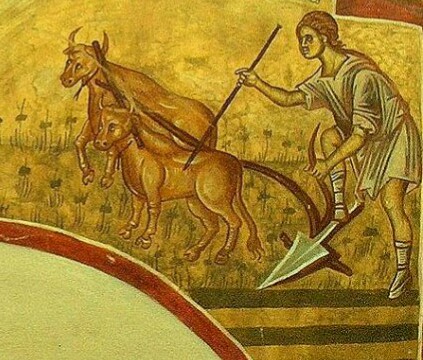
Here is a fresco from medieval Serbian monastery Dečani (14th century) depicting plowing using ralo (plow):


Here is a picture from Serbia (20th century) depicting plowing using ralo (plow):


These two pictures show the how tools and tool names survive for centuries and millenniums until they get replaced by better more cost effective tools. 

Rilica is protruding organ on heads of insects which bite, burrow, gouge skin, like in ticks called hypostome


Or a protruding organ on heads of insects which suck juices like bees, butterflies called proboscis...


From Latin proboscis, from Ancient Greek προβοσκίς "elephant's trunk,"??? In Serbian "probosti" means to puncture, to bore through, which is is exactly what these organs are for.

Rilica is a diminutive of rilo, rila, meaning something small pointy, sharp used for gouging, cutting, sticking into, poking, making holes...Something pointy used to cut a surface...

riljati - dig with a spade, cut the soil
riljač - spade
rana - wound. Probably from ri, ra + na = cut + on

rita - rag, ripped cut clothes. rita = ri + ta = cut, scraped, ripped + that, something

rnj, rnje - snout, what pigs use to gouge. From ri + nj = cut, gouge + with it = the thing with which you gouge. In Serbian the pig rije, ruje meaning it gouges the ground...

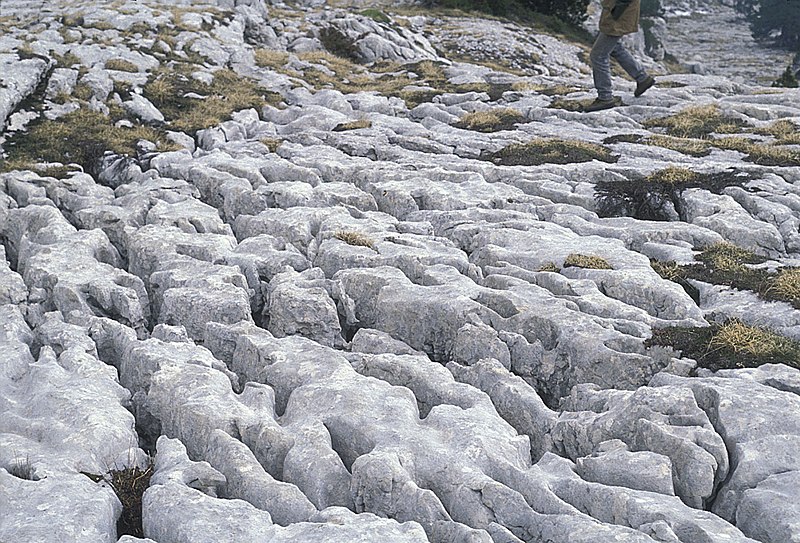
A very interesting word is word Krist meaning Karst, cut stony landscape.


The English word karst was borrowed from German Karst in the late 19th century. The German word came into use before the 19th century. According to the prevalent interpretation, the term is derived from the German name for the Kras region (Italian: Carso), a limestone plateau surrounding the city of Trieste in the northern Adriatic (nowadays, located on the border between Slovenia and Italy, in the 19th century part of the Austrian Littoral). Scholars however disagree on whether the German word (which shows no metathesis) was borrowed from Slovene. The Slovene common noun kras was first attested in the 18th century, and the adjective form kraški in the 16th century. As a proper noun, the Slovene form Grast was first attested in 1177, referring to the Karst Plateau—a region in Slovenia partially extending into Italy, where the first research on karst topography was carried out. The Slovene words arose through metathesis from the reconstructed form *korsъ, borrowed from Dalmatian Romance carsus. Ultimately, the word is of Mediterranean origin, believed to derive from some Romanized Illyrian base. It has been suggested that the word may derive from the Proto-Indo-European root karra- 'rock'. The name may also be connected to the oronym Kar(u)sádios oros cited by Ptolemy, and perhaps also to Latin Carusardius.


You can see that wiki says that "Ultimately, the word is of Mediterranean origin, believed to derive from some Romanized Illyrian base." However the word has full etymology in SerboCroatian: Krist, Karst = ka + r(i)s + t(o) = like + cut, chiseled, gouged + it 

What is interesting is that the only other language that has a large word cluster which is based on the "ri" root, meaning to cut with something pointy, toothed, is Irish. Have a look at these Irish words. You will see that most of the words are archaic words some of them not used any more. The words can be found in these dictionaries:


Foclóir gaedhilge agus béarla - compiled and edited by the Rev. Patrick S. Dineen.

Foclóir Gaeilge–Béarla (Ó Dónaill)

Etymological Dictionary of the Gaelic Language, MacBain, Alexander

The etymologies given using root "ri" are mine.

críadaire - peasantry.  "cré" means soil. "daire" is ending meaning man, person. Peasants dig, cut ground. críadaire = cré + ria + daire = soil + digging, cutting + person

riadaire, in phr. sean-riadaire, a cunning old fellow; also applied to beasts (Con.). From ria + daire = cut + person = cutting, crafty person.

riaghaim - I tear, rend, lacerate; gibbet, hang, crucify. ria + ga = cut + it, him

aimh- (amh-), neg. pref., un-, in-, dis-, not. 
aimríata ( 1 ríata) - unbroken (usu. of oxen, horses) 

This means that ríata means broken, cut, chipped, toothed. Comes from ri = to cut. ríata = ri + je + to = broken + is + that

riodán, -áin, pl. id., m., a woodworm. See readán. The worm which digs, tunnels, rije through the wood. Comes from ri = to cut.

riastáil, -ála, f., the act of turning sods in the marking off and preparation of grass-land for 
tillage; taking the surface off the furrows in the lazy-bed system of tillage; a severe cutting, a lacerating. Comes from ri = to cut.

riach - cut the surface, graze. Greek @Ge@'reíkw, tear, Lithuanian raiky/ti, draw a furrow, German reihe, row, English row.... Comes from ri = to cut.

riasail - tear asunder, riasladh, mangling, tearing asunder: *reik-so-, root reik, notch, break; Greek @Ge@'reíkw, tear. Comes from ri = to cut. Cognate with Serbian risa + ti, reza+ ti = cut into, cut off

All these words stem from the root "ri" meaning to cut, gauge, dig with something toothed, pointy, sharp. But that root does not exist in Irish. We do however have this word in Irish:

rinn, g. -e and reanna, pl. id., f. a point; sharpness; climax, intensity; the top of anything; line (of battle: acies); a promontory, a foreland, a headland; common in topography. From ri + on(o) = toothed, sharp and pointy + it. 

rinneach, -nighe, a., sharp, pointed, barbed. From ri + on(o) + je + ko = toothed, sharp and pointy + it + is + like.

rian - mark, path, power of movement. Comes from ri + na = cut, gouge + on
rianaigh - to mark, gouge, make path. Comes from ri + na = cutting, gouging + on

Ogham stones are an example of rian marks, marks gouged on the surface of the stone. 


rianta, p. a., marked out, arranged (of a place). Probably from cutting , gouging... Comes from ri + na + to, ta = cut, gouged + on + that 

rianughadh, -uighthe, m., act of marking. Probably by cutting, gouging... Comes from ri = to cut.

Here is the picture of the Offa's dyke. large linear earthwork that roughly follows the current border between England and Wales. The structure is named after Offa, the 8th century king of Mercia, who is traditionally believed to have ordered its construction. Although its precise original purpose is debated, it delineated the border between Anglian Mercia and the Welsh kingdom of Powys. In Ireland the example of such gouged in border is Black Pig's dyke. Both were made by gouging the land: rianta = ri + na + to, ta = cut, gouged + on + that 


risteal - a surface plough, used in the Hebrides, drawn by one horse and having a sickle-like coulter, Scottish ristle; from the Norse ristill, ploughshare, from rísta, cut. Comes from ri + tlo , tle = cut + land, soil.


These last four words are very interesting. Word rian has a variant "raon" meaning path, range, track, line. Word rianaigh has a variant raonach meaning having paths, routes...You can see how this forest path looks as if it was cut, gouged into the soil and vegetation:


Just like a furrow is cut into the soil with a plow:


Now remember Serbian Ranik, raonik, ralnik = plowshare. The tool that makes paths, lines, tracks, furrows....

In the end let's have a look at the Irish word "ri". 

rí (rígh), g. ríogh and rígh, d. rígh pl. ríghthe (in sp. l. ríghte), pl. ríogha (Kea.), gpl. ríogh; (Kea.), m., a king, a sovereign, a prince; as prefix, excellent, princely, as rí-fhear or rígh-fhear, an excellent man; tá sé go ríogh-mhaith, it s excellent.  

Wiktionary says that the Irish "rí" comes from Proto-Indo-European *h₃rḗǵs (“ruler, king”) which is said to come from h₃reǵ- which means "to straighten, to right oneself, right, just". I know this is what kings would like us to think they are, but I think that the root of these words is different. 

Is it possible that the word for king "ri, righ" comes from "ri" to cut, meaning the person who had right to cut, divide? If so is it possible that this word dates to the time of hunter gatherers, when the tribal leader was the one who cut the carcass of hunted animal, deciding who gets which piece of meat. Later on the tribal chief was the one deciding who gets which cut of the battle spoils and and in the end the who gets which cut of land. The role of the king, was always to divide, to give out cuts, to "ri" or "righ" = ri + ga = cut, divide + it. 

That this is the etymology of the word "Ri" can be seen from these Irish words:

riar - administer, manage, distribute. Comes from ri = to cut. ri + ar = the one that cuts, distributes.

riar, g. réir and -rtha, m., act of serving, attending, dividing, partitioning; division, allotment; tá riar a cháis aige, he has as much as he needs (Con.). Comes from ri = to cut. ri + ar = to cut, distribute.

frithríar, ríar - subsidy given by the chief to the tenant in return for the tenant`s riara, rents and services. Comes from ri = to cut. My cut, my percentage...

riar - will, division of property from brehon law. Comes from ri = to cut. We cut, divide everything...

riara - rent in brehon law. Comes from ri = to cut. In the old times person renting the land would work it and would keep all the produce from the land except for the agreed percentage, cut which he would give to the landlord as a rent...

riaraiste, g. id., m., arrears; r. cíosa, arrears of rent. Comes from ri = to cut. In the old times person renting the land would work it and would keep all the produce from the land except for the agreed percentage, cut which he would give to the landlord as a rent...

And from the etymology of the English word rich meaning wealthy. The official etymology says this:

The word rich comes from old English rice "strong, powerful; great, mighty; of high rank," in later Old English "wealthy," from Proto-Germanic *rikijaz (cognates: Old Norse rikr, Swedish rik, Danish rig, Old Frisian rike "wealthy, mighty," Dutch rijk, Old High German rihhi "ruler, powerful, rich," German reich "rich," Gothic reiks "ruler, powerful, rich"), borrowed from a Celtic source akin to Gaulish *rix, Old Irish ri (genitive rig) "king,"

The form of the word was influenced in Middle English by Old French riche "wealthy, magnificent, sumptuous," which is, with Spanish rico, Italian ricco, from Frankish *riki "powerful," or some other cognate Germanic source.

Old English also had a noun, rice "rule, reign, power, might; authority; empire." The evolution of the word reflects a connection between wealth and power in the ancient world.


This connection between the power and wealth lies in the fact that the power is the power to cut, distribute the wealth, to ri + ga = cut + it...

The English language has a lot more words based on the root "ri". And interestingly they all have full etymology in Slavic languages:

ridge - a long, narrow elevation of land; a chain of hills or mountains. the long and narrow upper edge, angle, or crest of something, as a hill, wave, or vault. the horizontal line in which the tops of the rafters of a roof meet. The official etymology says that this word comes from the Old English hrycg "back of a man or beast," probably reinforced by Old Norse hryggr "back, ridge," from Proto-Germanic *khrugjaz (cognates: Old Frisian hregg, Old Saxon hruggi, Dutch rug, Old High German hrukki, German Rücken "the back"), of uncertain origin. Also in Old English, "the top or crest of anything," especially when long and narrow. The connecting notion is of the "ridge" of the backbone. Spelling with -dg- is from late 15c.

Probably from the toothed appearance of the back bone vertibrae and the mountain ridges. Also possible cognate with Serbian hrbat - back, ridge and grba - hump, bump. 


rill - small brook, rivulet, furrow. The official etymology says that this word comes from or is related to Dutch and Frisian ril, Low German rille "groove, furrow, running stream," probably from Proto-Germanic *ril- (cognates: Old English rið, riþe "brook, stream," which survives only in dialects), a diminutive form from PIE root *reie- "to run, flow". I believe that the word is derived from "ri" to cut, gouge, make mark, furrow, ditch using a pointy tooth like instrument. Serbian riti, riljati - gouge land, rilo - what is used for gouging, making furrows.


river - early 13c. The official etymology says that this word comes from Anglo-French rivere, Old French riviere "river, riverside, river bank" (12c.), from Vulgar Latin *riparia "riverbank, seashore, river" (source also of Spanish ribera, Italian riviera), noun use of fem. of Latin riparius "of a riverbank". Gener lized sense of "a copious flow" of anything is from late 14c. The Old English word was ea "river," cognate with Gothic ahwa, Latin aqua (see aqua-). Romanic cognate words tend to retain the sense "river bank" as the main one, or else the secondary Latin sense "coast of the sea" (compare Riviera). Another direct cognate from Latin is rivus ‎(“stream”). Cognates  from other languages are Middle Irish rian ‎(“river, way”), Sanskrit ऋति ‎(ṛti, “course, way”), रीणाति ‎(rīṇāti, “causes to flow”) and Gaulish *Renos ‎(“that which flows”). The rivers cut, gouge their sides into the land like Sanskrit rti (riti, to gouge), Irish rian (ri unj = gouge in), Sanskrit rinati, Gaulish renos (push through, cut through), so I believe that this word also comes from the root "ri" to cut with something toothed, to gouge. In the case of river it is ri + v = cut, gouged + in. This is exactly what rivers do.


Interestingly in Serbian the words for river are "rika", "rijeka", "reka". The are all also based on the root "ri", "re" meaning to cut with something toothed, to gouge. rika = ri + ka =  ri + ga = cuts, scrapes + it. rijeka = rije + ka = rije + ga = gouges + it. reka = re + ka = re + ga = cuts + it....

rim - the upper or outer edge of an object. The official etymology says that this word comes from Old English rima "edge, border, verge, coast," as in særima "seashore," literally "rim of the sea," and dægrima "dawn," literally "rim of the day." Related to Old Norse rime, rimi "a raised strip of land, ridge," Old Frisian rim "edge," but with no other known cognates. I believe that this also comes from the toothed appearance of the coast when viewed from the sea. Probably from ri + mar = toothed, chiseled, gouged + sea.


rime - hoarfrost. The official etymology says that this word comes Old English hrim, from Proto-Germanic *khrima- (cognates: Old Norse hrim, Dutch rijm, German Reif). Old French rime is of Germanic origin. Rare in Middle English, surviving mainly in Scottish and northern English, revived in literary use late 18c. This is obvious if you have a look at the picture of the hoarfrost ans see how much it is "toothed"....


riot - 12th century. Originally meant debauchery, extravagance, wanton living.The official etymology says that this word comes from Old French riote (12c.) "dispute, quarrel, (tedious) talk, chattering, argument, domestic strife," also a euphemism for "sexual intercourse," of uncertain origin. Compare Medieval Latin riota "quarrel, dispute, uproar, riot." Perhaps from Latin rugire "to roar." Meaning "public disturbance" is first recorded late 14c. The meaning in English is I believe more linked to the word Ri meaning king and reffering to the way kings lived. The meaning dispute, quarrel, (tedious) talk, chattering, argument, domestic strife could be linked to the bearing of teeth and sharp noise which characterizes these situations.

rip - tear apart c. 1400.
rough water,  1775, perhaps a special use of rip. Originally of seas. The official etymology says that this word is probably of North Sea Germanic origin (compare Flemish rippen "strip off roughly," Frisian rippe "to tear, rip") or else from a Scandinavian source (compare Swedish reppa, Danish rippe "to tear, rip"). In either case, from Proto-Germanic *rupjan-, from PIE root *reup-, *reub- "to snatch." Meaning "to slash open" is from 1570s. Related: Ripped; ripping. Ripping is done with a sharp pointy object, like a hand, nails, sharp rock, a knife or teeth. I believe that the root for these words is not *reup-, *reub- to snatch but "ri" to cut with toothed object. The actual etymology is ri + po = cut + on, over, across.

ripple - early 15c, to crease; 1660s, to present a ruffled surface.
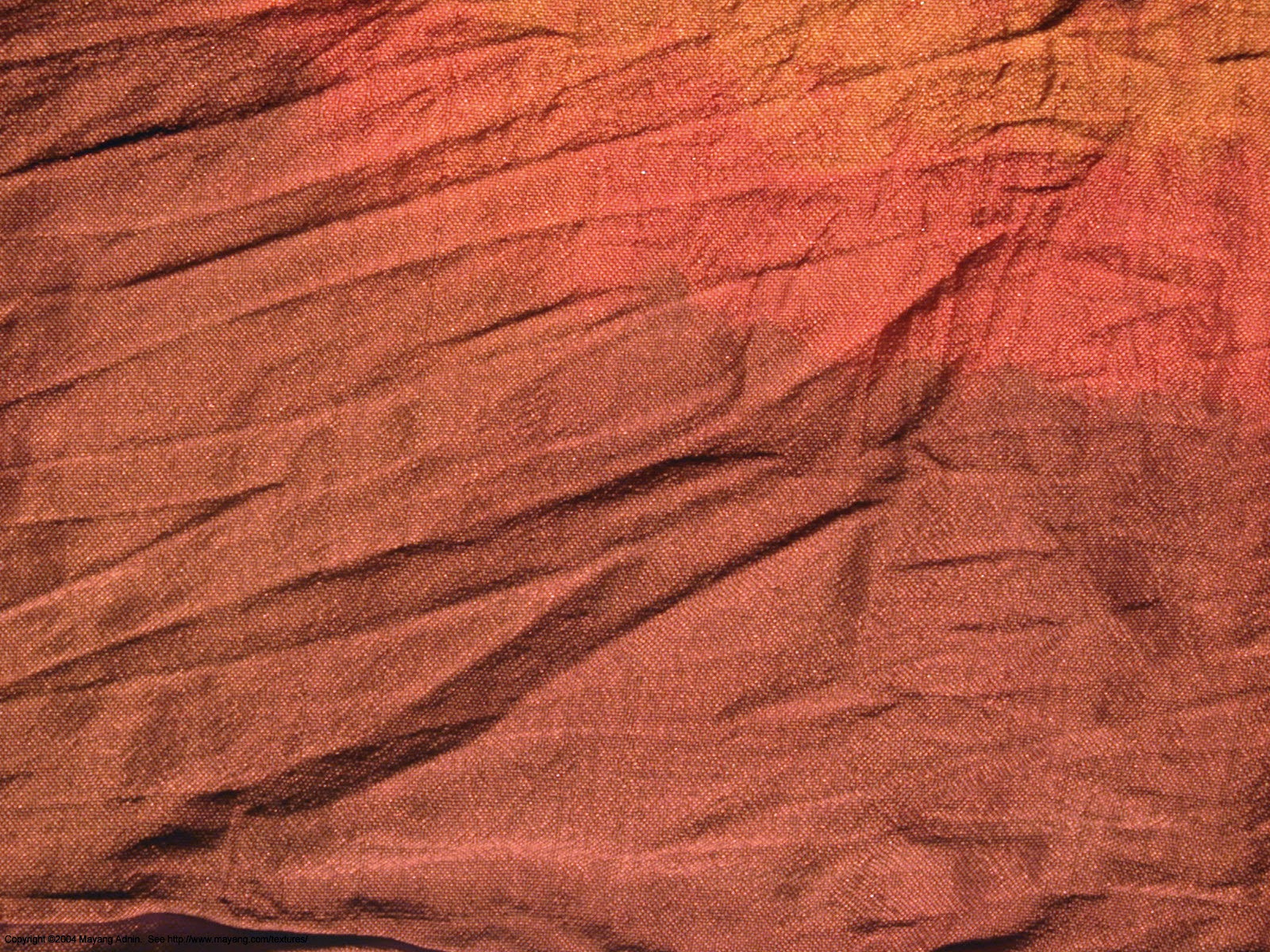
very small wave, from earlier meaning "stretch of shallow, rippling water", from verb to ripple. The official etymology says that this word is of unknown origin, perhaps a frequentative of rip (v.). Rippled surface is "toothed". We can see this clearly if we look at the picture of the rippled water or material. So I believe that the root of this word is also "ri" meaning toothed, choppy, serrated...The actual etymology is ri + po + le = cut, gouge + on, over + surface, particularly the horizontal and even more particularly water surface. 


rive - tear in pieces, strike asunder - c. 1200. 

riven - split, cloven, rent - c. 1300, past participle adjective from rive "to tear, rend." 
The official etymology says that this word comes from a Scandinavian source akin to Old Norse rifa "to tear apart" (compare Swedish rifva, Danish rive "scratch, tear"), from PIE root *rei- "to scratch, tear, cut" (see riparian). These words come from the same root "ri" meaning to cut, split with something pointy, toothed like a sharp stone, nail or a wedge. The actual etymology is ri + v = cut + into or ri + v + nj = cut + into + it.


rift - early 14c, a split, act of splitting. The official etymology says that this word comes from a Scandinavian source (compare Danish and Norwegian rift "a cleft," Old Icelandic ript (pronounced "rift") "breach;" related to Old Norse ripa "to break a contract" (see riven). If you look at the split material or a rift in the land you will see how much they resemble something that was gouged with something sharp tooth like like a plow or split with something toothed like a wedge. The actual etymology is ri + v + to = cut + into + that.


rivet - c. 1400. The official etymology says that this word comes from Old French rivet "nail, rivet," from Old French river "to clench, fix, fasten," possibly from Middle Dutch wriven "turn, grind," related to rive (v.). The English word may be directly from Middle Dutch. Again this comes from the shape of the old rivets, nails which were sharp toothed objects. The actual etymology is ri + v + to = cut, gouge, stick something like a tooth  + into + that (which is stuck into)


reef - rock ridge underwater. 1580s. The official etymology says that this word comes from riffe, probably via Dutch riffe, from a Scandinavian source such as Old Norse rif "ridge in the sea; reef in a sail". The most important characteristics of riffs is that they are sharp toothed rocks which can rip you and your boat to bits. So I believe that this word also comes from the root "ri" meaning to cut with a toothed point. The actual etymology is ri +  v = the toothed thing + in. Sharp rocks in water. 


Interestingly most of these words are said to have Scandinavian origin. 


So to conclude:

Serbian seems to have preserved the ancient root "ri" meaning to cut with something toothed, to gauge, chisel with something sharp and pointy like a tooth. Serbian has also preserved a large set of related derived words. 

How old are these Serbian words? I believe that they could be some of the oldest words preserved in European languages. The way the word cluster is built around the natural sounds related to showing teeth, biting, using teeth, suggests that this is the case. I believe that this word cluster is at least as old as Blagotin archaeological site, (7th millennium bc) and probably even older.

Irish has preserved the word "rinn", meaning a point; sharpness; climax, intensity; the top, tip of anything. Irish has also preserved a large set of words derived from the root "ri" meaning to cut with something toothed, to gauge, chisel with something sharp and pointy like a tooth. 

English also has many words based on the root "ri" which all seem to come from Scandinavian roots. 

The distribution of this word cluster suggest that this word cluster came to us from the ancient tribal languages of the I2a or maybe even older I haplogroup people..


How old are these words? I think that they could date to  Mesolithic or early Neolithic times.  I think that here we have a true linguistic fossil. What do you think?