Showing posts with label St Sava. Show all posts

Sunday, 27 July 2025

Thunder book

In the Annals from 1605, the Dubrovnik writer Jakov Lukarević says that Serbian kings Stefan Nemanja and Dušan "persecuted witches", whom he calls "evil women from Mount Hemo", and burned their book of magic, which was in Slavic tongue called Grominjak (Thunder book)...

That book probably had spells and rituals for affecting meteorological phenomena. St. Sava, in the "Zakonopravilo", condemns the magical summoning of hail, although he himself summons hail, in the story about the Hungarian king.

St Sava from Serbian folktales basically replaced Dabog, the old Serbian supreme god and took all his magical powers, including weather control...I talk about Dabog as both sun and rain god in two article "The last megalithic ritual in Europe" and "Weather stones" about the use of "weather stones" by Slavs to manipulate weather. Like here, where women raise Dabog's stone during drought to get cool and wet weather...


Another interesting bit here is that it is women who were always associated with rain (hail) storm rituals. 

Did you know that the sudden climate change which resulted in the medieval mini ice age was blamed on the weather controlling witches and was the excuse for the subsequent witch-hunt. I talked about this in my article "De Lamiis et Pythonicis Mulieribus" about the 1489 book "De Lamiis et Pythonicis Mulieribus" by Ulrich Molitor which talks about weather altering magic (witchcraft) performed by women...

This is an illustration from the book depicting "two witches conjuring up a destructive (hail) storm"...


In South Slavic folklore, cold, wet weather is "feminine"...Yin...

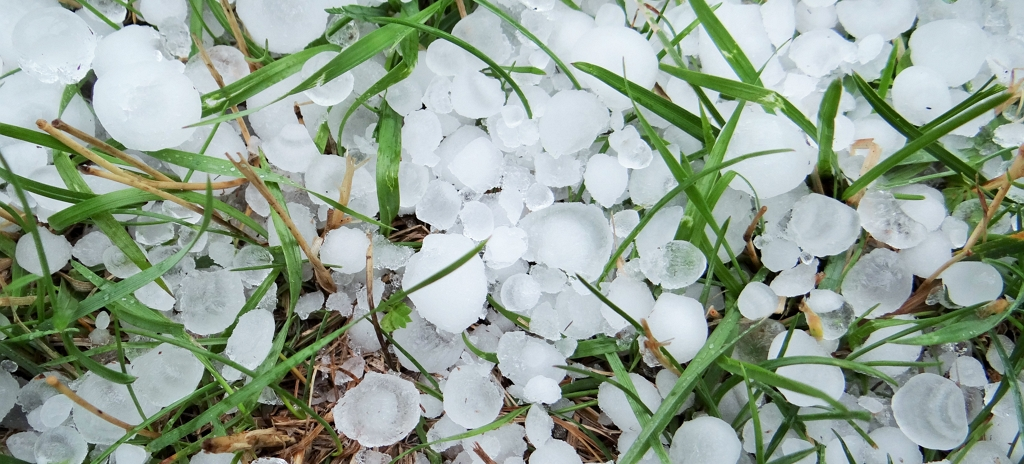
Which is why, in South Slavic folklore, it is a female dragon, ala, that brings hailstorms and unseasonably cold, wet weather during summer months, which destroys crops...I talked about this in my article "Pozoj"...
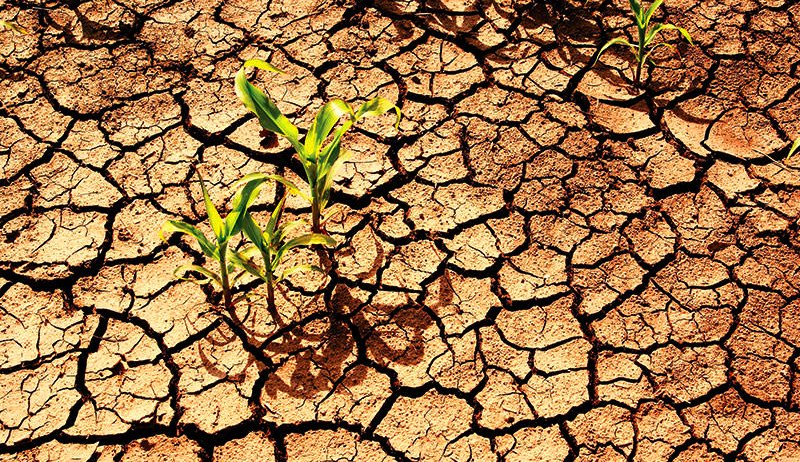
While male dragon, zmaj, brings hot, dry weather which brings drought, which destroys crops...Yang...I talked about this in my articles "Scaring off the dragon" and "Letnitsa treasure"...

Monday, 26 December 2022

Wolf moon

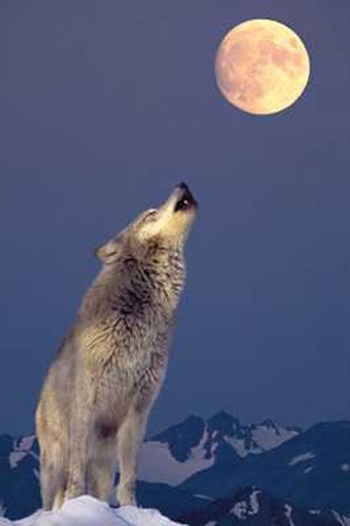
The January full moon is referred to as the "Wolf Moon," because traditionally, "wolves can be heard howling at the moon more this time of year". Why?

Cause wolves mating season starts in mid January.

MacBain's Gaelic dictionary says that period from mid January to mid February was once called "faoilleach", "faoillteach", Irish "faoillidh", "faoilleach"...From "faol", wolf, meaning "wolf-month". The month when wolves mate...

Anglo-saxons also called January "Wulf-monath" (meaning "wolf month"). For the same reason: wolves are much louder and more noticeable in January, which is when breeding season begins...

Interestingly, in Serbian tradition, 14th of January (Julian) or 27th of January (Gregorian) calendar, is the day of the Serbian patron saint, St Sava...

Who was known as "The wolf shepherd"...

St Sava's cult replaced the cult of the Serbian supreme god Dabog who was also known among other things as "Wolf Shepherd". Both originally Dabog and later St Sava were believed to be able to command the wolves who and when to attack, and whom not to attack...

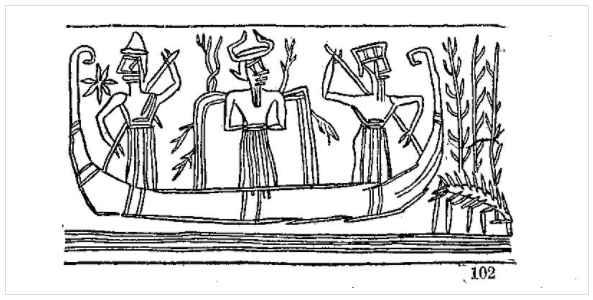
So remember how animal calendar markers are made? The fact that wolves mate during Jan/Feb, something that is hard to miss if you live in a wolf country, makes wolf a great animal calendar marker for Jan/Feb, the end of winter. Like in this Sumerian story: 

"When Enki set sail...against the lord a storm...arose...The waves at the bow of the boat rose to devour the lord like wolves and the waves at the stern of the boat were attacking Enki like a lion..."

All the animals in these scene are animal calendar markers for the beginning of the flood season in Mesopotamia, which starts when wolves mate (Jan/Feb) and ends when lions mate (Jul/Aug)...I talked about this in my post "Enki's little boat"...

Because of their mating season at the end of winter, wolves are used for creating composite "mythical animals", that represent winter...Like on this "Scythian" gold belt buckle depicting a "fight between a wolf and a snake"...Wolf is here depicted with boar tusks...Wild boar mate in Oct/Nov, beginning of winter, while wolves mate in Jan/Feb, the end of winter...In the world of animal calendar markers, this would mean "division of the year into winter (boar, wolf) and summer (serpent)"...I talked about this object in my post "Volf vs snake"...


When I originally posted the belt buckle article as a twitter thread
@Peter_Nimitz sent this reply:

Fascinating thread on animal calendars. Wonder if the wolf Fenrir & serpent Jormungandr are distant descendants of this mythology - compare the belt buckle to this Norse stave church with the serpent & the wolf...


Jörmungandr, the Great Serpent and Fenrir, the Great Wolf, are brothers...Brothers are usually used to specify that we are talking about two aspects of the same thing, in this case solar year: serpent (summer, heat) and wolf (winter, cold)...

Anyway, we started with "wolf moon is called wolf moon cause wolves like howling at it"...So let's finish with this...

The howling wolf. Wood with shell inlay, Southern Siberia, 3rd c. BC. Nomadic steppe art. Cleveland Museum of Art, Ohio, USA. 

I wonder if people, when they invented "old style" polyphonic singing, actually imitated wolf pack howling? I talked about this in my post "Ojkanje, the wolf singing"...

To read more about ancient animal and plant calendar markers, start here…then check the rest of the blog posts related to animal calendar markers I still didn't add to this page, and finally check my twitter threads I still didn't convert to blog post...I am 9 months behind now...