A late 3rd millennium BC seal found in the Hurian city of Urkesh located in northeastern Syria. Pic from "Dal profondo del tempo" by Giorgio Buccellati, one of many great Urkesh related resources found on urkesh.org...
What does it mean?
In the article we read: "...a representation of an act of worship. The two attendants, or priests, they just cut off the head of a young bull. The one on the left still holds the knife in his hand, while the one on the right holds it suspended the animal for the hind legs..."
"...The bull's head is placed at the base of a small palm tree trunk, with a jar on top...Does the seated woman mix something in a container - the blood of the sacrificed animal? "
What I think is depicted here is indeed an act of worship. Of alcohol...And Ishtar...Yes I think that is Ishtar sitting on that throne next to the date palm tree trunk...
You can read about the link between Ishtar and the date palm tree (the Mesopotamian Tree of Life) in "Western Asiatic Tree Goddess" by Irit Ziffer...
Here is one of the artefacts cited in this paper that shows this link between Ishtar and date palm. An Akkadian seal depicting Ishtar sitting on her lion throne, with worshippers standing in front of her, while people at the back are shown harvesting dates...
This seal can be found in "Die Entwicklung der Glyptik während der Akkad-Zeit" by Boehmer, R. M. published in 1965.
But what does this mean? What is the actual link between date palms and Ishtar...
Enter animal and plant calendar markers...
There is this girl, Inanna/Ishtar, who loves standing on lions? Why does she do this?
Well...standing on a lion means "In Leo"...(Jul/Aug)...
And you know how everyone thinks that Inanna/Ishtar "The queen of heaven", "The morning star" is Venus...Well, when this "mythology" was developed, Sirius rose before the sun, in Leo (Jul/Aug), pretending to be "the morning star"...I talked about her in my posts "Ninshubur", "Inana and Šukaletuda", "Under the blazing Sun Sirius"
In "A hymn to Inana as Ninegala" we can read "Inana, great light, lioness of heaven..."
Why is she "lioness of heaven"?
This, combined with Inanna's obsession with standing on lions only makes sense if she is Sirius, rising with the sun in Leo...
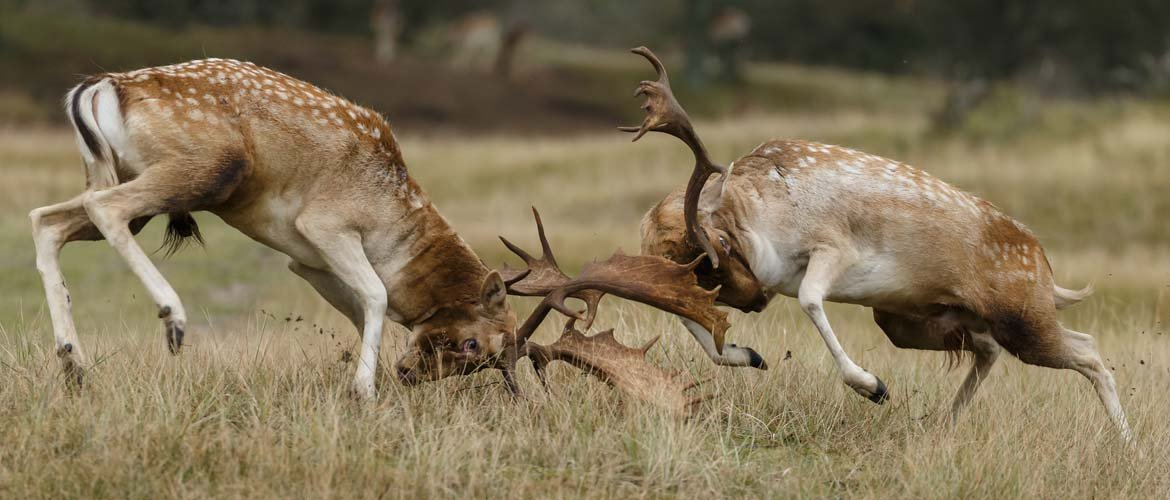
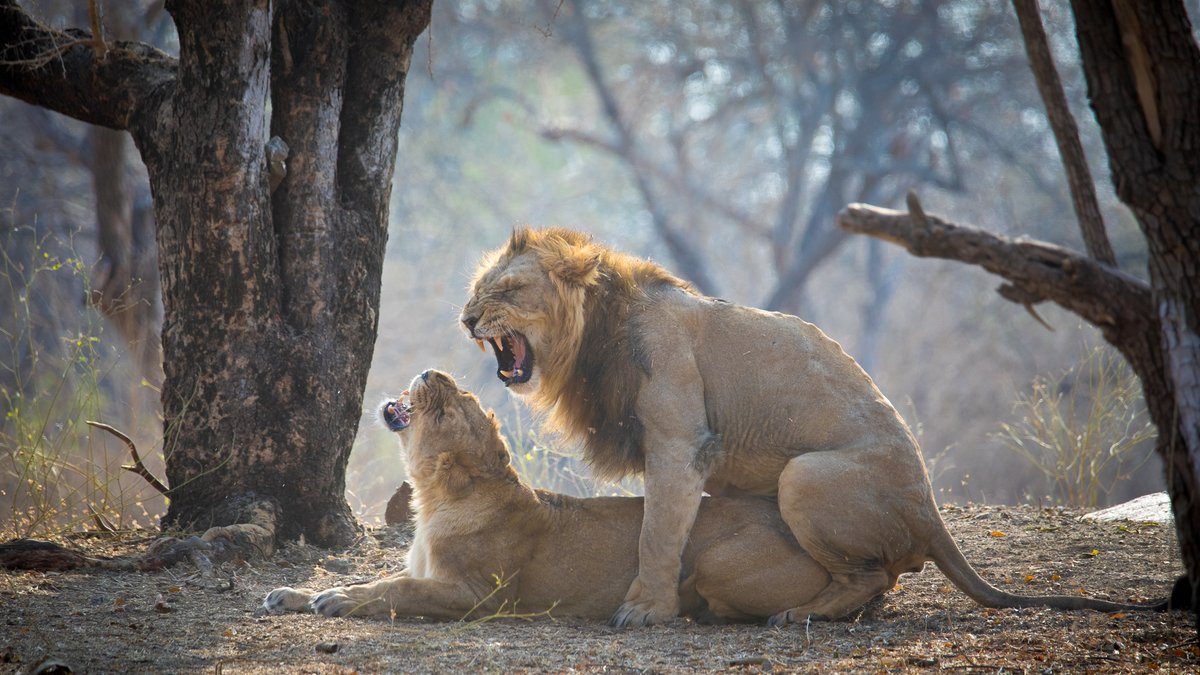
Leo here has nothing to do with constellation Leo...Well it didn't originally...Leo (Jul/Aug) marks the beginning of the main mating season of Eurasian lions...
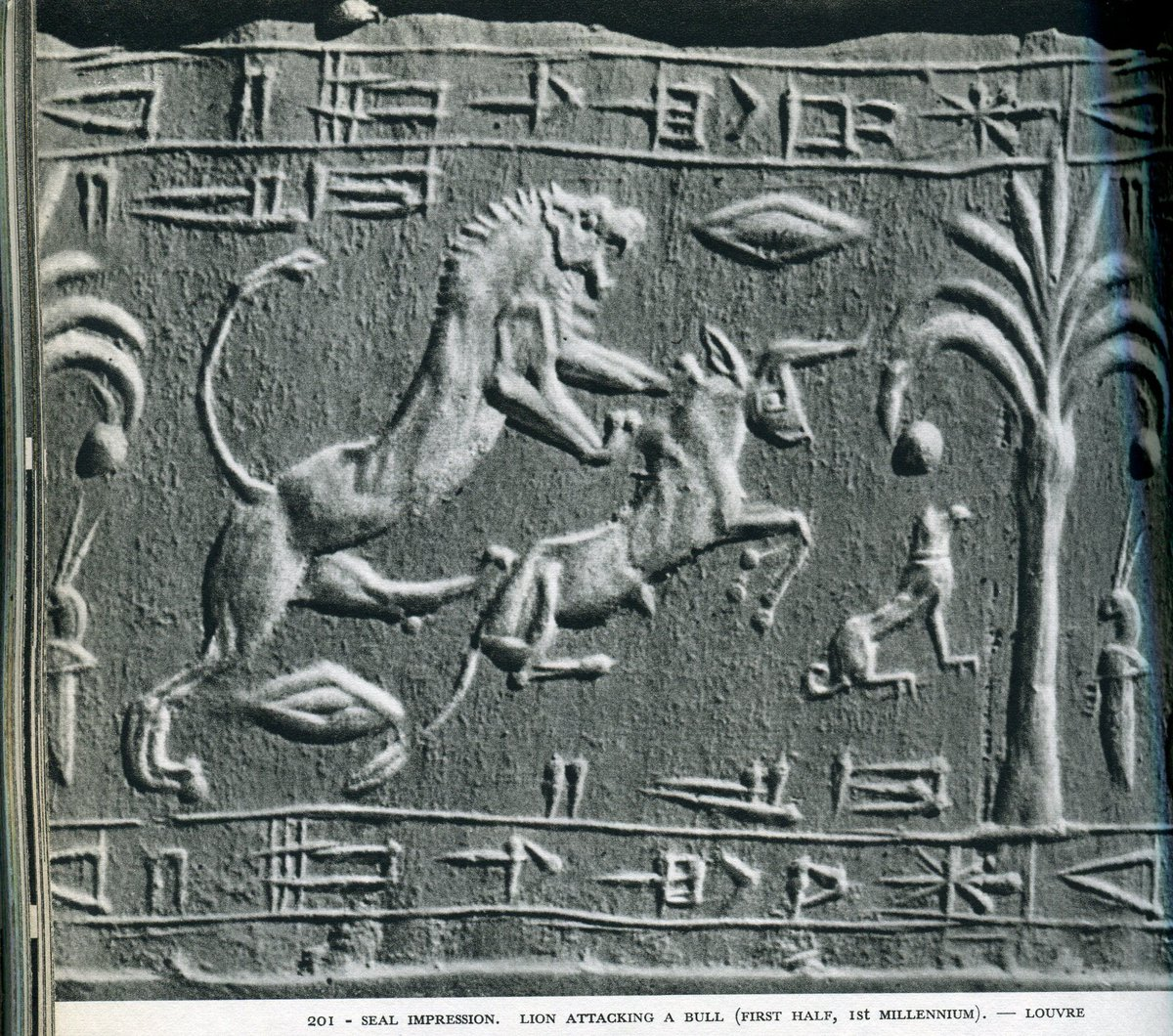
What does this have to do with date palms? When Leo (Jul/Aug) marks the beginning of autumn (Aug,Sep,Oct)...Which comes after summer (May,Jun,Jul)...Summer which starts in Taurus (Apr/May)...Hence Bull as symbol of summer and Lion as symbol of autumn...I talked about this in my post "Symbols of the seasons"...
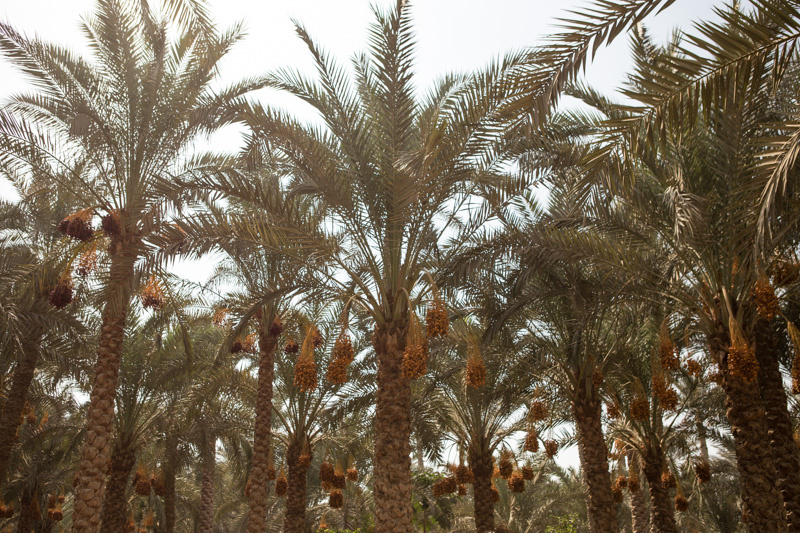
Date harvest season starts in Jul/Aug...In Leo...When Ishtar stands on lions (Sirius rises with the sun in Leo)...
When lion (autumn) kills (ends) bull (summer) it's time to harvest dates. You can read my analysis of this seal in "Lion killing bull under date palm"...
Taurus here has nothing to do with stars...It originally marked the beginning of the calving season of the Eurasian wild cattle (Apr/May)...I talked about this in my posts "Ram and bull", "Foundation peg of goddess Nanshe", "Cow and calf ivory"...
So the dates are harvested when the bull of summer dies...Hence the dead bull, from whose head a palm tree grows...Did Hurians marks this time of the year by actual bull sacrifices, I don't know. I personally think that this is a symbolic way to depict "the end of summer"...
Ok so we now know what the link between Ishtar and date palm tree and dead bulls is...But what is Ishtar mixing in the pot depicted in front of her? And why is there another pot depicted standing on top of the date palm tree trunk?
To find the answer to this questions we need to turn to drink...I am currently drunk, so it is fitting that I am writing about drink...
When you mention booze in ancient Mesopotamia, everyone thinks of beer, made from grain...
But there was another alcoholic beverage which was very popular in Mesopotamia, and which Sumerians called "The Juice of Life"...You can read about this in "The Date-Palm in Antiquity" by Paul Popenoe
We don't know how this drink was made. But we know that there are two different date alcoholic beverage: the date fruit drink and the date sap drink, so The Juice of Life is one of these two...
Date sap is tapped by cutting into the terminal bud and running the sap through a spout into a clay vessel. Around 10 litres of sap can be collected per day. And it takes about 6-8 hours to ferment the juice into 4%-5% alcoholic beverage...You can read about this in "Dates: Production, Processing, Food, and Medicinal Values"...
This drink is made throughout date growing regions of Asia and Africa even today. The sap can be extracted out of the tree year round, although the best time to do it is during dry season. Which in Syria is Apr/May - Oct/Nov...
But that doesn't match "the death of the bull of summer" animal calendar marker depicted on our seal...And would not explain what Ishtar is doing with the pot in front of herself...
Let's see how the date fruit drink is made...
In "Date beer: brew it like the ancient babylonians" we can read that:
"...Although the research literature tends to call date fruit drink “beer”, the beverage is actually closer to cider. It is produced from fruit and water and fermented using natural yeast in the dates..."
...The ancient Mesopotamians themselves have not provided us with an actual recipe for brewing date beer. However, we have a date beer recipe from antiquity, recorded by the pharmacologist Dioscorides in the first century CE..."
"...According to Dioscorides, date beer was brewed using crushed dates and water which were put into a cask and let ferment for ten days. On the eleventh day, the beverage was ready to be consumed..."
And so what I think is depicted on the Hurian seal is Ishtar (or whatever they called Goddess of the Palm Tree) pounding date palm fruit in a mortar with a pestle...Date fruit which is harvested "after the bull of summer dies"...
In order to produce date palm "Juice of Life" which is symbolically depicted by the beer drinking pot placed on top of the date palm trunk, where date fruit is found, symbolically depicting "the beer made out of the fruit of the date palm"...
Here is another seal from "Die Entwicklung der Glyptik während der Akkad-Zeit" by Boehmer, R. M. published in 1965 showing a seated god(?) drinking sitting under a date palm tree...Indication that what is being drunk is a date drink? The Juice of Life?
That's it...What do you think? All makes sense now?
To read more about ancient animal and plant calendar markers, start here…then check the rest of the blog posts related to animal calendar markers I still didn't add to this page, and finally check my twitter threads I still didn't convert to blog post...I am 9 months behind now...