Showing posts sorted by relevance for query snake. Sort by date Show all posts

Sunday, 26 January 2020

Enemy of the sun


Snake is in Slavic mythology described as "the enemy of the sun". As the protector of the sun, who saves the sun from the snake, we often find swallow.

In Serbia people believe that swallow saved the sun when snake tried to swallow it. In Bosnia people believe that the swallow hid one quarter of the sun under it's wing, to protect it from the snake. In Dalmatia people believe that once there were three or four suns in the sky and that the snake ate all but one, which swallow hid under its wing. Two "blind suns" which can sometimes be seen in the sky together with our normal sun are the ones which the snake ate. The one that heats us is the one that the swallow hid under its wing. The same legend exists in Montenegro where people believe that a huge dragon once sucked in two out of three suns which once existed. Dragon is just an old snake according to Slavic folklore.  


I talked more about the actual meaning of this legend in my post "Three suns".

There is also a story that once there were 9 rays on the sun, but that snake ate (sucked, drank) all but one. In Bulgaria people say that once snake bit the sun in the eyes when it bent down to drink water. Another version of this story says that the sun used to have two or more eyes, but that the snake "sucked" them all out.

Bulgarians believe that the sun celebrates the killing of snakes, because the snake sucked out one of sun's eyes. In Montenegro people say that every time a snake is killed, the sun happily exclaims "A dragon was killed".

Bulgarians believe that snakes eyes have magic affect on the sun. They say that the sun can't set unless the snake looks at it. In Poland people say that the sun would stop shining if the snake looked at it. This is because the snake's eyes can suck all sun's strength out. 

In Bosnia people believe that snake gets more poisonous if it often looks at the sun. The most poisonous are the snakes that look at the sun for nine days. God forbade snakes to look at the sun longer than nine days a year. A lot less poisonous are the snakes which look at the sun only six days a year. And even less poisonous are the ones which only look at the sun for three days a year. 9 days - 9 sunny months of the year comprising spring, summer, autumn? 

Ukrainians have a legend about a dragon which feeds on the sun, which is why the sun gets smaller and weaker as the year progresses. In Belarus people believe that snakes, while lying outside and sunbathing, actually sucking the sun's strength out, and that this is why the sun gets smaller and smaller as the summer progresses. You can again see the equating of snakes and dragons, who are just old snakes... The sun replenishes its strength during the winter when snakes are under the ground. 

This is why one should always kill a snake, or they will multiply so much that they will completely destroy the sun. 


The dead snake should be buried or hid in the deep shade so that sun doesn't see it. If the snake is not buried the sun will start to shine weakly and will start hiding behind the clouds, because it can't look at it's dead earthly enemy. The sun won't shine on a man who doesn't kill a snake for three days. People in Ukraine also believe that a dead snake should be hidden in a shade or buried so that it doesn't harm the sun in some way. Polish people believe that a dead snake should always be buried so that the sun can't see it. If the sun sees a dead snake it might get extinguished. Also if the sun sees a dead snake it will get sick and turn red. The sun will get sick and start crying, because the snake is poisonous. The setting sun is red if it had seen a dead snake which wasn't buried. If a live snake comes out of its hole to sunbath, the sun will get sick and get pale. In Pomerania people believe that snakes actually don't like looking at the sun. If a snake is lying still, staring at the sun, has gone mad.

There is also a belief, which is found in all Slavic countries from Baltic to Balkans, that if you kill a snake, it will twitch and jump around, even if you chop it in bits, until the sun sets.

In Bulgaria people believe that the snake bite wound should be exposed to the sun. In Poland people believe that the person who was bitten by a snake should be outside, in the sun, or he will get sick.

People in Ukraine and Poland believe that snakes once had wings and flew in the sky. But the sun burned their wings and they fell on the ground. 

There is a Polish legend that says that the solar eclipse happens because a dragon covers the sun with its body. 


There is also a Polish fairy tale it is a twelve headed snake which causes solar eclipse. Again we have equating of snakes and dragons. The motif of a dragon swallowing the sun can be found in all Slavic countries.

From all this we can see that snakes are symbol of sun's heat and dragons (old snakes) are symbol of late summer (old) sun's heat. 

Sunday, 21 April 2019

Apep

Today I would like to talk about snakes. And the sun. 

Apep or Apophis was the ancient Egyptian deity who embodied chaos. He was viewed as the greatest enemy of the solar deity Ra who as the bringer of light was seen as the upholder of order. This is why he was given the title Enemy of Ra.

Apep was seen as a giant snake or serpent leading to such titles as the Evil Dragon. Some elaborations said that he had a head made of flint.


The few descriptions of Apep's origin in myth usually demonstrate that it was born after Ra, usually from his umbilical cord. Combined with its absence from Egyptian creation myths, this has been interpreted as suggesting that Apep was not a primordial force in Egyptian theology, but a consequence of Ra's birth.

In his battles, Apep was thought to use a magical gaze to hypnotise Ra and his entourage, attempting to devour them whilst choking the river on which they travelled through the underworld with his coils.

But god Set, who always accompanied Ra on Atet (Solar barge) defended Ra and killed Apep with his spear.


The god Set was usually depicted as a man with a head resembling that of the sha, Set animal.

In ancient Egyptian art, the Set animal is usually depicted as a slender canid, resembling a greyhound or a jackal, usually with a long, slightly curved nose, and erect ears, squared at the tops, and a forked tail.


Set was often depicted carrying the so called "was" (Egyptian wꜣs "power, dominion") sceptre. It appears as a stylized animal head at the top of a long, straight staff with a forked end. Basically it was a stylised Set animal.


In one account, Ra himself defeats Apep in the form of a cat.


Egyptian believed that thunderstorms and earthquakes were caused by Apep managing to temporarily overwhelm Ra. They also believed that solar eclipses were caused by Apep managing to swallow Ra during the day. However Ra's defenders would quickly cut Apep's belly open and free Ra out, ending the eclipse within a few minutes.

Comparable hostile snakes as enemies of the sun god existed under other names (in the Pyramid Texts and Coffin Texts) already before the name Apep occurred. The etymology of his name ('pp) is perhaps to be sought in some west-semitic language where a word root "pp meaning 'to slither' existed. A verb root 'pp does at any rate not exist elsewhere in Ancient Egyptian.

Soooo. That's the story of Apep. How are we to understand all this?

Maybe this will help:

In Slavic languages the word for dragon "zmaj" is the masculine form of the word for snake "zmija". In Slavic mythology dragon is believed to be an "old male snake"... 

Snake is in Slavic mythology described as "the enemy"of the sun. As the protector of the sun, who saves the sun from the snake, we often find swallow. In Serbia people believe that swallow saved the sun when snake tried to swallow it. In Bosnia people believe that the swallow hid one quarter of the sun under it's wing, to protect it from the snake. In Dalmatia people believe that once there were three or four suns in the sky and that the snake ate all but one, which swallow hid under its wing. Two "blind suns" which can sometimes be seen in the sky together with our normal sun are the ones which the snake ate. The one that heats us is the one that the swallow hid under its wing. There is also a story that once there were 9 rays on the sun, but that snake ate (sucked, drank) all but one. In Montenegro people believe that a huge dragon once sucked in two out of three suns which once existed. In Bulgaria people say that once snake bit the sun in the eyes when it bent down to drink water. Another version of this story says that the sun used to have two or more eyes, but that the snake "sucked" them all out.

Bulgarians believe that the sun celebrates the killing of snakes. because the snake sucked in one of sun's eyes. In Montenegro people say that every time a snake is killed, the sun happily exclaims "A dragon was killed".

Bulgarians believe that snakes eyes have magic affect on the sun. They say that the sun can't set unless the snake looks at it. In Poland people say that the sun would stop shining if the snake looked at it. This is because the snake's eyes can suck all sun's strength out. In Bosnia people believe that snake gets more poisonous if it often looks at the sun. The most poisonous are the snakes that look at the sun for nine days. God forbade snakes to look at the sun longer than nine days a year. A lot less poisonous are the snakes which look at the sun only six days a year. And even less poisonous are the ones which only look at the sun for three days a year.

In Belarus people believe that snakes, while lying outside and sunbathing, actually sucking the sun's strength out, and that this is why the sun gets smaller and smaller as the summer progresses. The sun replenishes it's strength during the winter when snakes are under the ground. This is why one should always kill a snake, or they will multiply so much that they will completely destroy the sun. The dead snake should be buried or hid in the deep shade so that sun doesn't see it. If the snake is not buried the sun will start to shine weakly and will start hiding behind the clouds, because it can't look at it's dead earthly enemy. The sun won't shine on a man who doesn't kill a snake for three days. People in Ukraine also believe that a dead snake should be hidden in a shade or buried so that it doesn't harm the sun in some way. Polish people believe that a dead snake should always be buried so that the sun can't see it. If the sun sees a dead snake it might get extinguished. Also if the sun sees a dead snake it will get sick and turn red. The sun will get sick and start crying, because the snake is poisonous. The setting sun is red if it had seen a dead snake which wasn't buried. If a live snake comes out of its hole to sunbath, the sun will get sick and get pale. In Pomerania people believe that snakes actually don't like looking at the sun. If a snake is lying still, staring at the sun, has gone mad.

There is also a belief, which is found in all Slavic countries from Baltic to Balkans, that if you kill a snake, it will twitch and jump around, even if you chop it in bits, until the sun sets.

In Bulgaria people believe that the snake bite wound should be exposed to the sun. In Poland people believe that the person who was bitten by a snake should be outside, in the sun, or he will get sick.

People in Ukraine and Poland believe that snakes once had wings and flew in the sky. But the sun burned their wings and they fell on the ground. There is a Polish legend that says that the solar eclipse happens because a dragon covers the sun with its body. There is also a Polish fairytale which says that it is a twelve headed snake which causes solar eclipse. Ukrainians have a legend about a dragon which feeds on the sun, which is why the sun gets smaller and weaker as the year progresses. The motif of a dragon swallowing the sun can be found in all Slavic countries.

How should we understand all this? 

And why there are so many similarities between the Slavic and Egyptian stories about the sun and the snake?

The snake and the sun are intrinsically connected. 

Snakes come out of the underground when the air and soil get warm enough. They stay outside during the late spring, summer and early autumn and during that that time they are visible to people. 


This is why snake is the symbol of the sun's heat.  

In Egyptian mythology we find snakes wrapped around the sun disk on the head of the young Sun god Horus.


They are all around Amun-Ra


They have wings to symbolised their link with the supreme deity Ra 


And are called "the Uraei of goodness". You can read a lot more about the snakes in Egyptian mythology in the great book "The Serpent Myths of Ancient Egypt". 

But let me continue with the analysis of the snake-sun symbolic relationship based on Slavic mythology and see how it fits with the Egyptian one. 

The sun's heat is "young" week and beneficial at the end of spring, just before the summer starts. This is the good snake. The sun's heat is "old" strong and destructive at the end of summer, just before the autumn starts. This is the bad snake. Dragon, a heavenly being that breaths fire, the great old male snake, represents the burning heat of the Late Summer, Early Autumn, the "old sun", the sun which is threatening to turn everything into cinder. 


In Slavic Pre-Christian religion this dragon was Veles, the great horned snake, who "Stole heavenly cows from Perun". Basically he is the late summer heat which dries the land and the sky and causes draughts. You can read more about this in my post "Lion killing Snake" and my post "Two crosses".

Just enough sun is beneficial but too much sun is destructive. 
Just enough sun makes grain grow and creates order, but too much sun makes grain wither and burn and creates chaos. 

This is why Apep, the great snake, the dragon, the destructive sun, the creator of chaos is the enemy of Ra, the beneficial sun, the creator of Order. 

The great snake, the dragon, Apep, is the sun, is Ra in its destructive manifestation. This is why Apep is "a consequence of Ra".

The sun's heat increases all the way through the summer until we reach the hottest point of the summer, the 2nd of August. This point marks the end of the summer and the beginning of autumn, the end of the heating and the beginning of the cooling of the northern hemisphere. I talked about this in my post "Two crosses".


At that precise moment, The Great Snake, The Dragon, Veles (the summer heat) gets killed by Perun (autumn thunderstorms) whose weapon is lightning (spear). This day is celebrated in Serbia as Perun day. 

But the thing is, Perun and Veles are one and the same. This can be seen from the fact that on the 2nd of August (the end of summer beginning of autumn), the day when Serbs celebrate Perun's victory over Veles, Serbs celebrate the day of St Elijah the thunderer. St Elijah is the burning sun of the late summer, Helios. 

This is Helios


This is Elijah


Every year on his day he is about to burn the world to cinder. But he never does. Because  St Elijah is also the thunderer, the one who makes lightning and the one who rides on storm clouds. Which arrive right on time, to cool the earth down. You can read more about this in my post "Thundering sun god".

This what is represented by Set killing Apep. The sun Ra, its protector Set and sun's enemy Apep are one and the same...

Set scores a small victory over Apep every day when the evening kills the heat of the day. 
Set scores the big victory over Apep on the 2nd of August (the end of summer beginning of autumn) when he kills the heat of the summer and when the northern hemisphere starts cooling.

The 2nd of August,  (the end of summer beginning of autumn) falls in the middle of the zodiac sign Leo. This is why Ra kills Apep as great cat (Lion). 

This is also why we find the depiction of a lion headed deity (probably Pakhet or Pasht) killing great snake, dragon, on the above Set killing Apep scene.


Here is another depiction of Pakhet holding in one hand was staff (Set animal used to defeat Apep) and in the other hand two snakes. 


Interestingly, in Serbian mythology, St Elijah doesn't burn the world down, because every year, in the middle of Leo, during the Dog days, he gets "calmed down" by his wife "Ognjena Marija" (Fiery Mary). 


I wrote about this in my post Ognjena Marija

I talked about the symbolism of the "Lion killing snake" image in my post Lion killing snake

The 2nd of August, (the end of summer beginning of autumn), the hottest part of the year, the time when the great snake, the dragon is killed is known as Dog days. This is when Dog Star Sirius, rises before sun in the sky. Which is very interesting considering that Set, the Egyptian dragon slayer, the god of storms, is a dog faced deity...Knowing this, I wonder if the Set animal (dog really) has a forked tail because it is itself the "animal that ends the great snake, the dragon"???

Medieval standing stone from Ubusko, Hercegovina depicting dog fighting snake.


Just after the dog days and the slaughter of the great snake which choked the "river on which Ra's barge sailed", the Nile flooding reaches its highest level. This is still celebrated by Egyptians as an annual holiday for two weeks starting August 15, known as Wafaa El-Nil. 


The Nile always followed the same water rise and fall pattern. First indications of the rise of the river could be seen at the first of the cataracts of the Nile (at Aswan) as early as the beginning of June, and a steady increase went on until the middle of July, when the increase of water became very great. 

This is the beginning of Leo. 

The Nile continued to rise until the beginning of September, when the level remained stationary for a period of about three weeks, sometimes a little less. 

This is the end of Leo.

In October it often rose again, and reached its highest level. From this period it began to subside, and usually sank steadily until the month of June when it reached its lowest level, again.

Here is the The god Nilus or Hapimou encircled by the serpent...


From the dead dragon water, vegetation and life burst out...


What do you think about all this?

Tuesday, 23 April 2024

Snake dance

A member of the Hopi Snake Clan dancing with a snake in his mouth during the ceremonial Snake Dance, the final stage of the 16 days Hopi tribe religious ceremony held every two years in August...

You can see what the snake dance looks like in this documentary from 1913.

Hopi people who live in the Southwestern USA, regard snakes as their "brothers" and rely on them to carry their prayers for rain to the underworld, where the gods and the ancestor spirits, who control the rain, live.

Four days before the snake dance, the Snake priests leave their villages to gather snakes. The priests carry a digging sticks to dig the snakes out of their holes and snake whips, which are rods with two eagle feathers attached to them.

Once they dig the snakes out, they stroke them with the snake whip to make them straighten out and then grab them behind the head. They bring the snakes to the village where they are put inside the "kiva", sacred underground room, where they stay until the day of the snake dance.

On the day before the snake dance, a race is run across the plain and up the steep slope of the "mesa" (village) just before sunrise, symbolising the rain-gods bringing water to the village.

Then the members of the Antelope clan, who also participate in the ceremony, build a "kisi", a shallow pit covered with a wooden board, which represents the entrance to the underworld where the gods and the ancestors live.

At sunset of the day before the snake dance, the Snake and Antelope dancers dance around the plaza, stamping on the "kisi" board and shaking rattles to simulate the sounds of thunder and rain.

The Antelope priests dance with green vines around their necks and in their mouths, just as the Snake priests will later dance with snakes around their necks and in their mouths.

On the day of the snake dance, the snakes are washed in a large jar filled with water and herbs. Finally the snakes are gathered up in a bag, carried to the village plaza, and placed in the "kisi".

Then, each Snake priest reaches into the "kisi", grabs a snake, and they all dance around the village plaza with the snakes first in their hands and then in their mouths, "to symbolically pass their prayers for rain to the snakes".

Finally, one of the Snake priests makes a large circle of cornmeal on the ground. All the snakes are thrown into the circle, while women and girls scatter cornmeal on the wriggling reptiles.

Then the Snake priests grab the snakes, and run out of the village where the snakes are released to carry the prayer for rain to the gods and the ancestor spirits in the underworld, and to inform them that the Hopis still live in the old way of their ancestors.

Soooo...Very interesting...Remember my post "Horned serpent" about the Horned Serpent, whom Hopi believed to be the guardian of water and is associated with rain, thunder and lightning?


In the article I said that when I first saw the depiction of the Horned Serpent, I thought that this could be a depiction of an actual horned snake, the American horned rattlesnake (Crotalus cerastes).

In the article, I then explained why I changed my mind and why I believe that the Horned Serpent was a complex animal calendar marker for rain season an animal hybrid with: 

a body of a rattle snake 


and horns of the desert big horn sheep.

The thing is it is possible that the horns of the Horned Serpent are not (just) the horns of the desert big horn sheep. They could (also) be the horns of the pronghorn (false antelope)...

Arizona climate chart...

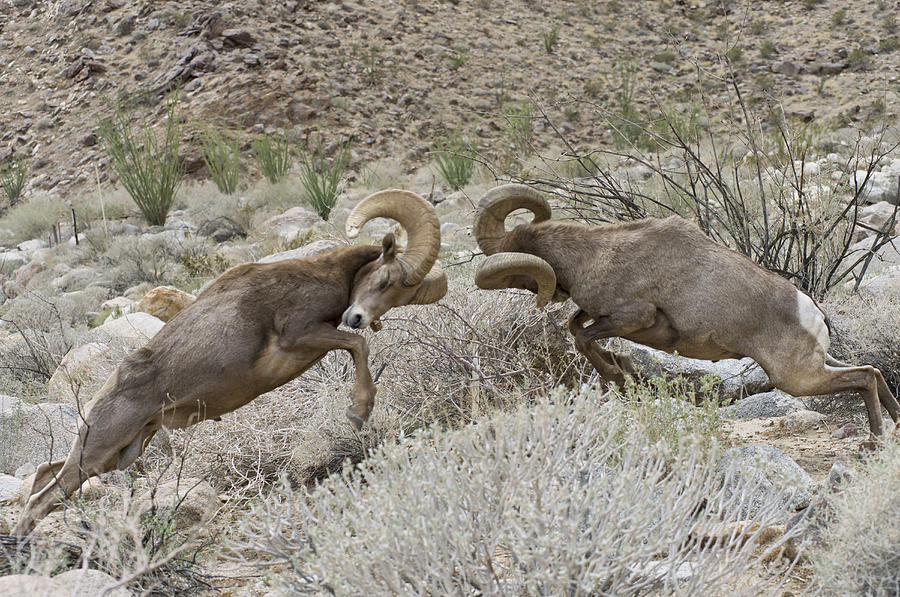
The desert big horn sheep mating starts in Jul and ends in Oct. During the rut, the rams charge at each other head-on crashing their horns together with tremendous bangs...Thundering bangs...So they are ideal calendar markers for the monsoon season....

In their southern range, the pronghorns mating starts  Jul and ends in Sep. During the rut, the bucks charge at each other head-on crashing their horns together with tremendous bangs...Thundering bangs...Ideal calendar markers for the monsoon season...Arizona climate chart...

And interestingly, it is the snake and antelope clans that perform the snake dance rain ceremony together. Why? There has to be the reason for it, albeit one that has been long forgotten...The reason we are now rediscovering...

Something else: Two depictions of the Hopi antelope katchina (spirit doll). You can see that one has horns that look like pronghorn horns and that the other one has horns that look like big horn sheep horns...So did Hopis consider both of these animals to be the same "spirit"?


Final proof that the Horned Serpent from the Hopi mythology was not an actual horned rattlesnake (Crotalus cerastes), is the fact that horned rattlesnakes are not used in the rain snake dance ceremonies.

The rattlesnake that is used is the Prairie Rattlesnake (Crotalus viridis). You can read more about it in this article which contains some early accounts of the snake dance ceremony 

One interesting thing about Prairie Rattlesnakes, is that this species usually mates between Jul and Sep...

And when rattlesnakes mate they dance...Amazing pics by Marc Perkins

And so, in August, the peak mating season of the dancing snakes, dancing big horn sheep and dancing pronghorn antelopes, and in the middle of the Monsoon season in the SW USA, the members of the  Antelope and Snake Clan dance for rain...

And the Horned Serpent, the guardian of the waters releases the life saving rain and refills the rivers and wells...

To read more about ancient animal and plant calendar markers, start here…then check the rest of the blog posts related to animal calendar markers I still didn't add to this page, and finally check my twitter threads I still didn't convert to blog post...I am 9 months behind now...

Saturday, 29 January 2022

Letnitsa Treasure

Here are some very interesting metal plaques from the so called "Letnitsa Treasure", a 4th c. BC Thracian hoard discovered near Letnitsa, Bulgaria...

This one depicts one of the most common themes from Balkan fairytales: a princess being kidnapped by a dragon...

What happens next in Balkan fairytales is that a prince goes looking for the princess to rescue her. There are several metal plaques in the "Letnitsa Treasure" depicting a mounted warrior, like this one for instance...

Eventually, the prince finds the princess, living quite surprisingly, not unhappily, with the dragon...

What happens next in Balkan fairytales is that the prince manages to persuade the princess to help him defeat the dragon, by tricking the dragon into revealing his weakness...Dragon killed, princess saved, everyone happy. Particularly the princess who is sitting on the prince's laps with his hand up her skirt 🙂...As depicted on this last plaque from the "Letnitsa Treasure"...

Now how do we know that this is a dragon? It looks more like giant snake...With a crown...

Slavic folk tradition related to snakes, which consists of huge number of beliefs, taboos and rituals, is one of the most interesting and most complex in the world. And extremely old...

In Slavic mythology snake is closely connected to two mythological creatures: the Snake King and the Dragon...

And actually the only way to understand the meaning of the beliefs and rituals related to snakes is to look at them in correlation with beliefs related to the Snake King and the Dragon. And the other way round...

The snake king is an old male snake which wears a crown or a jewel on his forehead and usually guards a treasure...And sacred knowledge...

Like "Nemušti jezik" from Serbian folk tales. A language that a man can use to communicate with all living creatures in the world. You can't learn this language. You can only get the knowledge of this language if a Snake king spits into your mouth...

I talked about this in my posts "Glaucos" and "Kassandra"...

It was also believed that the Snake king commanded all the other snakes and told told them who to bite and kill...

Slavs recognized male and female snakes and actually have different words for male and female snakes. Female snake is called "zmija, zmeja"... while male snake is normally called "smuk,  smok"... They were believed to be husband and wife or brother and sister...

What is interesting is that "smuk, smok" is another word for dragon, besides the most common word "zmaj, zmej", which is the masculine form of the word for snake "zmija, zmeja". In Slavic mythology dragon is believed to be an "old male snake"...

This is very interesting as it shows direct link between snakes and dragons and shows that Slavs believed that dragons were actually male snakes.

Slavs also believed that snakes were directly linked to the sun and that they fed off the sun's heat...I talked about this in my post "Enemy of the sun"...

In Poland, people believed that Snake king lives among the roots of an old Hazel tree. Every autumn he gathers all the snakes, who then slither up the tree to its branches "to see the sun for the last time" before they go under ground...

Snakes are solar animals. They are in our world when sun is in our world (hot part of the year) and they are in the underworld when sun is in the underworld (cold part of the year)...I talked about this in my post "The chthonic animal"...

Slavs weren't the only Europeans that believed this. Some "esoteric" dudes, the preservers of the "ancient knowledge" blah blah blah...did too. Vipera Pythia, c. 1651, by Marco Aurelio Severino...

Snakes are symbol of the sun and the sun's heat. They are also symbols of the beginning of summer, as vipers, the most common Eurasian snakes, start mating in Apr/May, beginning of summer...

And dragons, old snakes, are symbol of the old sun, destructive summer sun which burns the land and causes drought. Steals and guards water...Which is why in Slavic mythology, dragon, always breathes fire...

This is actually spelled out in Russian folklore. Nicholas Roerich, "Victory over Gorynych the Serpent". Gorynych means "the fiery one, the burning one", from gori (burns)...

And which is why in the past, during spring droughts, Serbs used to go to mountain lakes, on St George's day, and pray for rain on lake shores "to the dragons living in the lake who swallowed the rain"...

I talked about this in my post "Dragon who stole rain"...

There is actually a Serbian belief that "a snake got wings when it lived over 100 years, after which it flew away to live in lakes and waters"...Just like a Dragon...

This is in addition to the belief from Ukraine and Poland that snakes once had wings and flew in the sky. But the sun burned their wings and they fell on the ground. I wrote about this in my article about Slavic belief in the link between snakes and sun...

Now check this out: Another applique from the famous Thracian Letnitsa treasure, dated to the first half of the 4th c. BC, featuring a maiden (princess) with a three-headed dragon, a common motif from Balkan (and not just Balkan) Slavic fairy tales...

You can see that the dragon heads are depicted as snake heads, so this three-headed dragon is basically just a large three-headed snake...

This "dragon with snake heads" depiction is first found Mesopotamia, where according to their religious texts, summer lasted seven (hot) months...Which is why local dragon (dragon = symbol of summer), had seven snake heads (snake = symbols of sun's heat)...Oh, and look, we also have dragon killer(s) and the princess 🙂 I talked about this in my post "Seven headed dragon"...

We also find dragons depicted with snake heads in Bronze Age Bactria where dragons are literally depicted as snakes with wings:

This is my favourite Bactrian seal depicts a snake with two heads: a dragon (left) and a bull (right)...Symbolically equating dragon (summer sun) and bull (summer starts in Taurus) and linking both with the sun's heat, symbolised by a snake body...I talked about this in my post "Bactrian snakes and dragons"...


We find this same equating of dragons with bulls among Balkan Slavs. 

Christian and Muslim Serbs also sacrificed young girls at the lake under Trojan fortress on Pešter highland, to a three headed dragon, or in another version of the legend, to a water bull...I talk about this in my post "Water bull"...

Some people will say that none of these monsters is Zmaj but that they are Aždaja. However, Serbian Aždaja (Aždaya) or Aždaha is another name for a dragon, which comes from Azhi Dahāka, which comes from Aži (nominative ažiš) is the Avestan word for "serpent" or "dragon"...

I talked about this in my post "Snake god from Hatra":

Azhi Dahāka? Aždaha? Zahak? Arimanius? Ahriman? Angra Mainiu? Nergal? Dragon? Lion? Sun. Destructive sun of summer, which causes drought and death. 


Summer which starts in Apr/May, when vipers start to mate...Hence two snakes coming out of his shoulders. Also snakes are symbol of sun's heat. On this Bactrian seal we find this depiction of the Sun God with heat (sun) rays coming out of his shoulders, holding snakes...


And on this one, heat (sun) rays on one shoulder are actually replaced by a snake, explicitly equating the two as symbols...

Now, there is an interesting Slavic word "jar" which means young, green, spring...It is the root of the name of the Slavic sun god, Jarilo (pronounced Yahreeloh)...He is the life giving spring and early summer sun that brings back life to the frozen earth...Here is a depiction of Jarilo painted by Russian artist Andrey Shishkin...

Jarilo is the original Green Man...This is Zeleni Jura (Green Jarilo) walking the earth. Part of Jurjevanje, celebration of the spring return of Jarilo, Sun god, from the land of the dead...Bela Krajina, area inhabited by descendants of Serbians who migrated here during Turkish invasions of the Balkans. Today split between Croatia/Slovenia...

But the root "jar" can also mean "brightly burning" and "raging, furious"...

This means that Jarilo can also mean "The Scorcher", the life destroying burning sun of the late summer and early autumn...

Two suns, young and old, the life creator and life destroyer...In one...

Jurjevo, the celebration of the return of Jarilo, is today known as St George's day. St George is basically Christianised Jarilo...

Jurjevo is the celebration of the beginning of the summer, the domain of the sun...And dragons...Because as the summer goes on, and the sun gets hotter and hotter, snake, the symbol of sun's heat, grows older and older and eventually turns into dragon, the symbol of destructive sun's heat...

Jarilo, The Scorcher, The Dragon...To whom Serbs, sacrificed rams during droughts, on St George's day, with blood poured into the lake, for the dragon who stole rain...

Funny...

St George = Jarilo = Dragon...

By the way, Serbs believed that the Snake King, who is "An Old Male snake", The Dragon, also had a "green branch in his mouth"...

Interesting right? 

Snake King = Dragon = Jarilo = Green man...

By the way, the dragons who steal princesses in the Balkan fairytales usually live in palaces...They are kings...Snake kings...

I believe that Jurjevo, Jarilo's day, is at the same time the celebration of good spring sun and bad summer sun. The day of thanks for the spring and prayers for the summer...Anyway, on that day spring ends, summer begins...

And every year, on The Day of Jarilo, The Day of Dragon, the Young Spring Earth, Vesna, is "sacrificed" to the Young Sun, Jarilo (The Dragon). Spring (the princess) is "sacrificed" (it ends) so that Summer (The Dragon) can begin???

But wait, St George is a dragon killer!!! Well, what's the best way to Christianise Jarilo, The Sun, The Scorcher, The Dragon, than to turn it into it's opposite...The Dragon Killer...

Anyway, as I said, in AD Balkan Slavic fairytales, prince kills the dragon, gets the girl and lives with her happily ever after...Any BC myths like these?

BTW, this link between sun, snakes and dragons from Slavic mythology allows us to decipher meaning of snakes and dragons from other mythologies too...They are animal calendar markers. Snake is the animal calendar marker for the beginning of summer (Apr/May), when Eurasian snakes begin to mate. And dragon, the old snake, which was sometimes depicted as a lion with snake head(s), is the animal calendar marker for the end of summer (Jul/Aug), when Eurasian lions begin to mate, and snakes get old...

You can read more about snakes, dragons and lions in my posts "You will trample great lion and serpent", "Chimera", "Lion killing snake", "Jörmungandr", "Bactrian snakes and dragons", "Seven headed dragon", "Khafajeh vase", "Nude winged hero dominating snakes", "Winged superhuman hero", "Tiger and dragon", "Eagle snake struggle", "Wolf vs snake"...

More about ancient animal and plant calendar markers, start here then check the rest of the blog posts I still didn't add to this page, and finally to to @serbiaireland and check my twitter threads I still didn't convert to blog post...I am 9 months behind now...