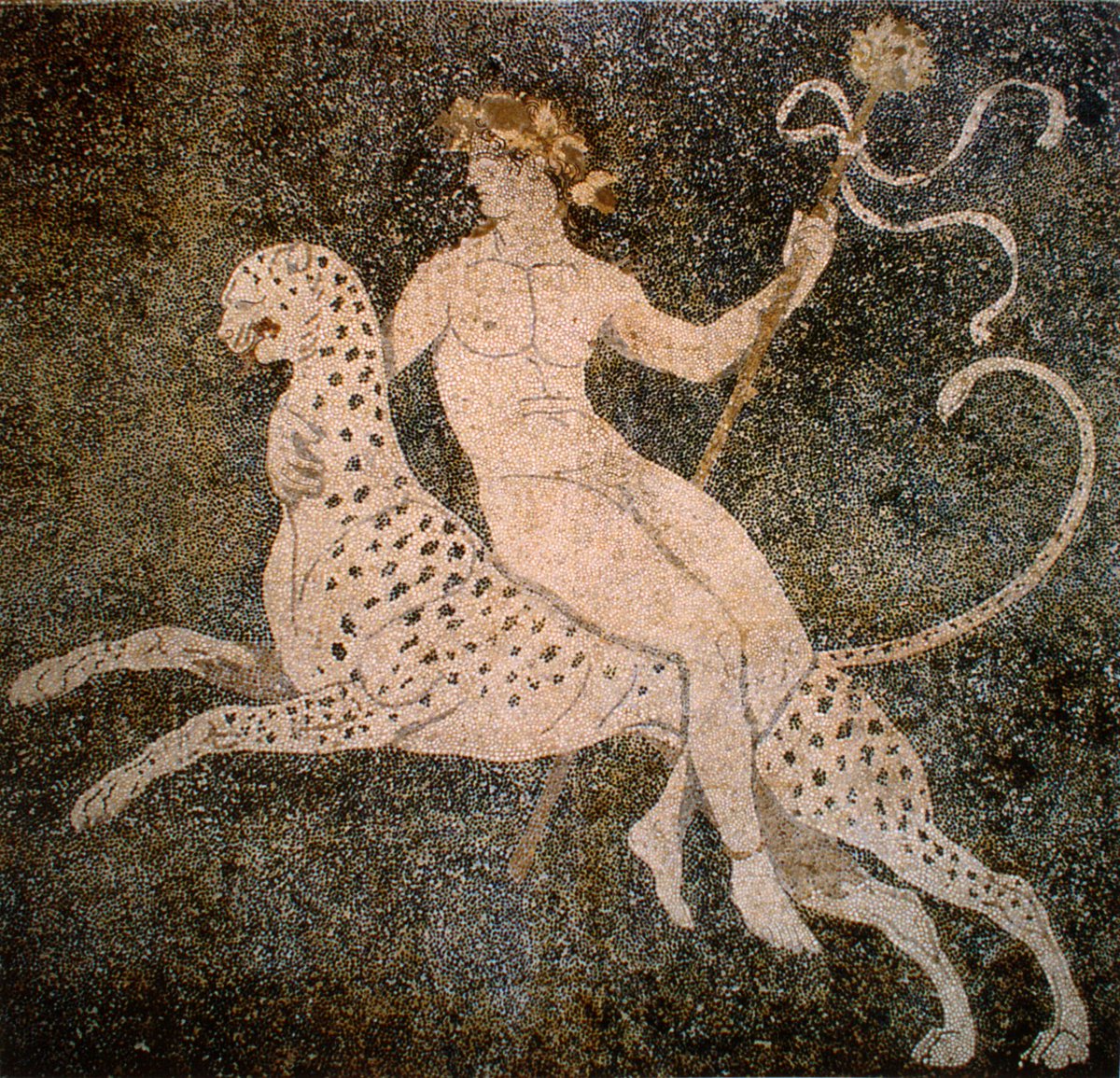
Showing posts with label Hare mythology. Show all posts

Saturday, 8 June 2024

Eagle killing hare

Silver Coin from Ancient Elis, Peloponnese. ca. 421-365 BC.

Obverse: An eagle killing a wild hare

Reverse: FA. Vertically standing stylized winged lightning bolt in an olive wreath.

Why eagle killing hare? Well here's something I learned today:

Apparently of all the eagles that live in Greece the biggest hare killers are golden eagles, whose favourite food are hares...
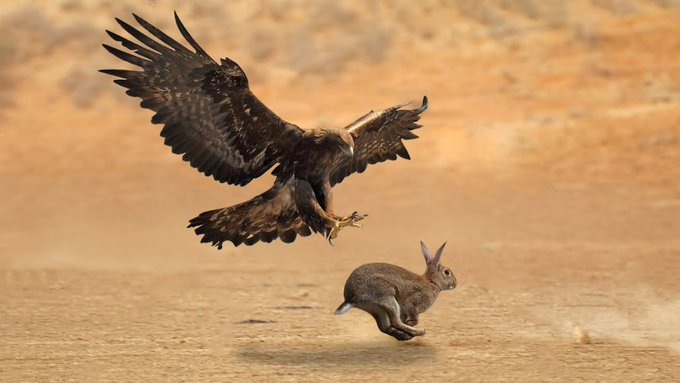
Interestingly, the breeding season of both golden eagles and hares overlap, meaning they are identical animal calendar markers. 

Golden eagle mating season is Mar/Apr. It is marked by  mad mating ritual flights, known as the sky dance...After which, they do the...you know...

The female lays 1-3 eggs. The incubation period is 41-45 days. This means that the hungry golden eagle chicks are born in Apr/May. They stay in the nest and are fed by their parents (baby hares, their favourite) for about 65 days...

Wild hare mating season is Mar/Apr. It is marked by mad mating (not ritual, real 🙂) fights between an unwilling female and a very very very much willing male... After which, if the male is lucky (or good enough fighter), they do the...you know...

The female gets pregnant with 3 or more babies. The gestation period is 41 to 42 days. Baby hares leave their hole within a week...Which means that from Apr/May the fields are full of baby hares, the favourite food of baby golden eagles... 

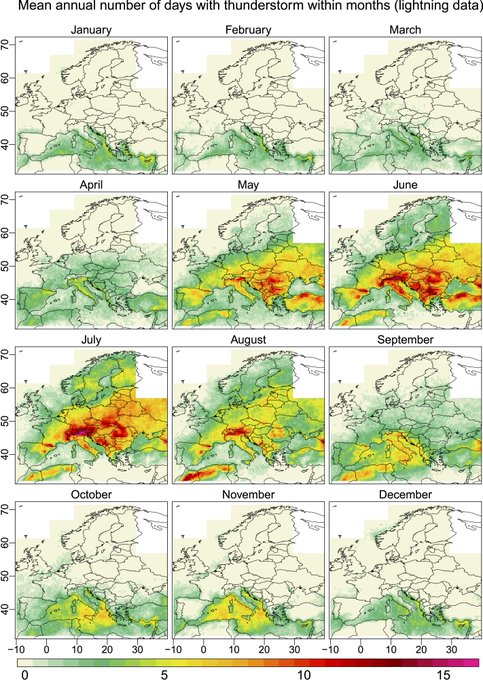
So if you were from Ancient Elis, the best time to see golden eagle killing hare scene was during the summer, starting from Apr/May until Jul/Aug...Which is the peak thunderstorm season in Peloponnese... 
Here is another coin from Elis, Peloponnese,  ca. 450-440 BC. 

Obverse: Eagle flying, grasping snake with its talons and its beak. 

Reverse: F–A. Thunderbolt with volutes above and wings below

Interesting. Why eagle killing snake?

Believe or not 🙂 this is another animal calendar marker for the thunderstorm season, Apr/May -  Sep/Oct, which is the only time when migratory snake eagles can be seen in Greece hunting snakes... 

I explained it all in this article "Eagle snake struggle".

It is interesting that both of these coins were issued by the same Ancient Greek city state. Deliberate use of animal calendar markers for thunderstorm season?

BTW, I was just reminded of this: Hittite imperial eagle...

The meaning of which we have just discovered, I think...

Two headed eagle normally means eagle mating/nesting season. 

Two hares (two of any animal) means hare mating/birthing season.

Look at the Hittite land in Anatolia in Apr/May...

PS: I talked about the meaning of two headed birds in these articles:

Archaeologists, anthropologists, art historians...studying ancient artefacts depicting animals, are still not sure what these animal symbols mean. And non of them thought to look at the depicted animal's lifecycle for clues...Bactria, 2500-1500BC. I talked about this in my post "Double headed eagle"...

Once I realised that the double headed eagle (vulture) marks Old World Vultures mating season, I checked if the double headed eagles (vultures) symbols from Central America had the same meaning (Vulture mating season). They do...I talked about this in my post "Golden eagles from Costa Rica"...

If double headed eagle (vulture) had the same meaning in different, completely unrelated cultures on different continents and different ages, I wondered if any double headed bird symbol would have the same meaning. Like this one from Easter Island. It does...I talked about this in my post "Birdman from Easter Island"...


To read more about ancient animal and plant calendar markers, which were the key to deciphering all this, start here…then check the rest of the blog posts related to animal calendar markers I still didn't add to this page, and finally check my twitter threads I still didn't convert to blog post...I am 9 months behind now...

Sunday, 3 January 2021

Maenads with hare

Detail from Athenian black-figure clay vase about 575-525 BC, made by Amasis Painter. It depicts Dionysos with a pair of attendant maenads...

There are few details on this image which deserve to be analysed, I think...The animals...Of course 🙂

One of the Maenads holds a hare by its ears and is presenting it to Dionysus...The other Maenad wears a leopard skin (dead leopard) around her waist. And is holding a stag by its front legs...

Is the choice of animals and their position in the scene random? The archaeologists who wrote the above depiction of the vase obviously thought so, as they didn't even mention the animals...

I think that these animals are all calendar markers, marking the beginning of spring...

I already talked about the link between Dionysus and leopards in two of my posts: "Leopard and tiger" and "Thyrsus" In the earliest depictions, Dionysus "rides on a leopard"...

Leopard marks the end of winter (Jan-Feb). Because its mating season starts in Jan-Feb...

Just like ibex goat marks the beginning of winter (Oct-Nov). Because its mating season starts in Oct-Nov...

This symbolic linking between ibex and leopard and winter originated in Central Asia and Mesopotamia, where winter is the rain season and the season of the resurrection, rebirth of nature after long dry summer and autumn... 

I talked about this in my post 

"A vessel from Tepe Hissar"

and

"Leopard and goat seal"

Now when a god "rides" on an animal, that means that whatever that god represents happens during that the time when that animal either mates or gives birth...

Originally Zeus rode on a goat...On Crete, where Zeus was also suckled by a goat, the rains arrive during wild goat mating season...Perun, Perkunas and Thor still do ride on goats...I talked about this in my post "Goat riding thunder god"...

In India Indra rides on an elephant...In India monsoon overlaps with elephant mating season...I talked about this in my post "Musth"...

Hittite storm god rides on a bull...In Central Turkey, the main rain and thunderstorm season overlaps with the calving of Aurochs...I talked about this in my post "Ulucinar stelae"... 

Slavic Sun god Svetovid rode on a white horse, which was sacred to him and was kept in his temples...Summer solstice is the peak of the wild horses mating season which is linked to the amount of daylight...I talked about this in my post "Svetovid"...

Ishtar (The Lady of heaven, Sirius) and all her later incarnations, ride on a lion...Because Sirius rises with the sun during Leo, the time when Eurasian lions main mating season starts...I talked about this in my post "Assumption of Mary"

It goes on and on...

The fact that Dionysus rides on a leopard is befitting to the god of death and resurrection of nature...In Europe...The nature dies at the beginning of winter, and gets resurrected at the end of winter...In the middle of the mating season of leopards, beginning of Feb...

Now I talked about Maenades and their link with the end of winter (death of leopard) in my post "Furious Maenad"

I proposed that their "fury" is a symbol for the sun's fire...The sun's fire and the reproductive fire...Which creates new life in spring...After the end of winter (death of leopard)...

Now back to the original image. Dionysus is not riding on a leopard...He has already arrived...The leopard is dead and its skin is pointing down, representing the end of winter, the end of leopard mating season (Jan-Feb)...

I think that's enough about leopards 🙂 

The hare is alive and is touching the hand of Dionysus with his front paw...Now hare is one of the main symbols of fertility...And Spring...Its mating season peaks in March (March hare), after the end of the leopard mating season (Jan-Feb)...I talked about hare reproductive cycle and its symbolism in my post "The winter spirit"...

So far so simple. Here is the really cool bit...

The deer, based on the spots, is the fallow deer...

This deer species which naturally originates in the area of the Fertile Crescent, was brought to Greece in antiquity, possibly by Persians, or even earlier by settlers from Anatolia...You can read more about it in this article...


Now here is something that I didn't know until I read this paper today: "Investigation of fallow deer (Cervus dama L.) population densities by camera trap method in Antalya Düzlerçamı EÅŸenadası Breeding Station". In it we can read that: 

"All wild fallow deer do have spots"


"Except for the winter months when they develop thick spotless coat"


The spots reappear in Spring...With new antlers...

Very interesting...

The Maenad is wearing dead leopard (winter has ended) is giving Dionysus a hare (spring has begun) while holding a spotted Fallow deer with antlers (summer, autumn)...


Mad...

I find this image infinitely more interesting now...What about you?


To read more about ancient animal and plant calendar markers, start here…then check the rest of the blog posts related to animal calendar markers I still didn't add to this page, and finally check my twitter threads I still didn't convert to blog post...I am 9 months behind now...