Showing posts with label Chinese archaeology. Show all posts

Saturday, 29 October 2022

Blue boy

In this post I will talk about the Chinese legend about the "Blue Boy". I think this legend identifies animal calendar marker behind the Chinese water dragon. The legend can be found in "Myths of China and Japan", page 80...


Here it goes (the important bit):

One day Wang Shuh, a herbalist, went out looking for the Red Cloud herb. He followed the course of a mountain stream on a hot summer day, and at noon sat down to rest and eat rice below shady trees beside the deep pool of a waterfall...

As he lay on the bank, gazing into the water, he was astonished to see in its depths a blue boy, about a foot in height, with a blue rush in his hand, riding on the back of a red carp, without disturbing the fish, which darted hither and thither...

In time the pair came to the surface, and, rising into the air, turned towards the east. Then they went swiftly in the direction of a wall of cloud that was creeping across the blue sky, and vanished from sight...

The herbalist continued to ascend the mountain, searching for the herb, and when he reached the summit was surprised to find that the sky had become completely overcast. Great masses of black and yellow clouds had risen over the Eastern Sea, and a thunder-storm was threatening...

Wang Shuh then realized that the blue boy he had seen riding on the back of the red carp was no other than the thunder-dragon. He peered at the clouds, and perceived that the boy and the carp had been transformed into a black Kiao (Jiaolong)...

He was greatly alarmed, and concealed himself in a hollow tree.  Soon the storm burst forth in all its fury. The herbalist trembled to hear the voice of the black thunder-dragon and to catch glimpses of his fiery tongue as he spat out flashes of lightning...

Rain fell in torrents, and the mountain stream was heavily swollen, and roared down the steep valley. Wang Shuh feared that each moment would be his last...

In time, however, the storm ceased and the sky cleared. Wang Shuh then crept forth from his hiding place, thankful to be still alive, although he had seen the dragon. He at once set out to return by the way he had come...

When he drew near to the waterfall he was greatly astonished to see the little blue boy riding on the back of the red carp, returning from the east and settling down on the surface of the pool. Soon the boy was carried into the depths and past the playful fish again...

Struck with fear, the herbalist was for a time unable to move. When at length he had summoned sufficient strength and courage to go forward, he found that the boy and the carp had vanished completely...

Then he perceived that the Red Cloud herb, for which he had been searching, had sprung up on the very edge of the swirling water. Stooping, he plucked it greedily...

The end...Of the important bit...

So this legend links several of my posts about the Chinese thunder folklore: 

First, the post about carps which transform into dragons whey jump over the waterfall at the "Dragon Gate"...

Second, the post about "White Thundercloud", which which is just another name for dragons which are in China linked with water and thunderclouds and which can cause violent storms...

Third, the post about Thunder God "Lei Kung" who (sometimes) rides on a dragon...

Basically here we have a "blue (colour of water) boy riding on a carp", carp being animal calendar marker for Apr/May, start of the thunderstorm season in China, cause this is when migratory carp go up rivers to mate...

Thunderstorm frequency in China...

The carp riding boy flies into "the wall of cloud coming from the east", the typhoon cloud front...

Typhoons arrive from the south east during the summer monsoon period...

The typhoon season in South China Sea starts in May, right after carp finishes mating, and "transforms into a dragon"...Typhoon frequency chart...

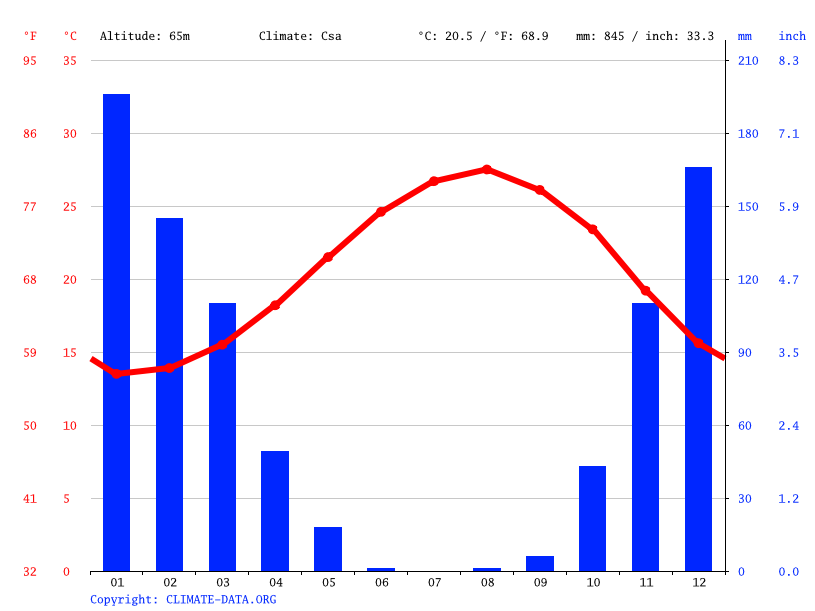
Which makes it obvious that "the blue boy on the carp" is no other than "the thunder dragon", dragon being animal calendar marker for the peak of the monsoon and thunderstorm season in China, Jul/Aug...Climate charts from 3 regions of South Eastern China...


I have linked carp, dragon and thunderstorms through analysing animal calendar markers present in the Chinese thunder folklore. This legend confirms that my analysis was correct...

Cool. But there is something in this legend which makes it very very very...cool...

The fact that during the thunderstorm, the boy and the carp transform into black Kiao (Jiaolong)...

Eeee, WTF is Jialong?

Kiao (Jiaolong) is "a type of dragon which lives in Yangtze River and is linked to heavy rains and thunderstorms"...

And this is cool why?

Kiao (Jiaolong) is is described as "a black scaly walking snake with four legs"...

Meet Yangtze River alligator also known as https://en.wikipedia.org/wiki/Chinese_alligator It's black, it's scaly, it looks like a snake with four legs, and most people agree that this animal was the origin of the Kiao (Jiaolong).

But why would alligator be linked to "heavy rains and thunderstorms"? 

Animal Calendar Markers derived from the mating or birthing season of depicted animal...

Chinese alligators reproduce during rain and thunderstorm season. They mate in Jun, nest in Jul/Aug, and hatch in Sep.
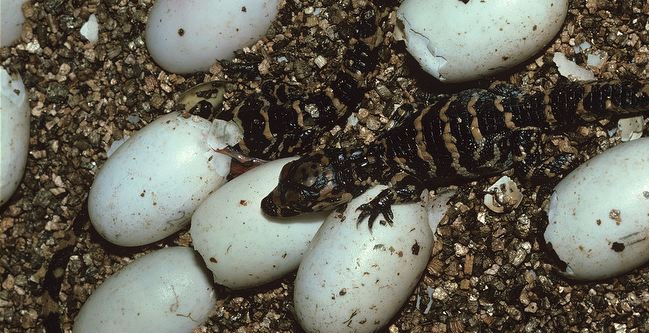
After the eggs are laid, the females stay to protect the eggs, meaning there are suddenly a lot of aggressive alligators on riverbanks during the peak of the rain and thunderstorm season...

Hence "dragons" linked with water, rain, thunderstorms???

Cool. But "the really cool bit" is: 

"Jiaolong" consists of: long (龍) meaning "dragon" and Jiao (蛟), meaning "flood"...Making Jiaolong "the flood dragon"...

Yangtze river peaks in Jul/Aug, when Yangtze alligators start to nest...

Hence flood dragon?

But I am unsure if it was Chinese Alligators who were the original flood dragons. 1105 CE Yuhu qinghua 玉壺清話 says people in the southern state of Wu called Jiaolong "fahong" 發洪 which means "swell into a flood" because they believed flooding resulted when Jiaolong hatched...

Now as I said, the peak flood season in Yangtse river (and other rivers in the South Eastern China) is Jul/Aug...Too early for Chinese Alligators. If only there was some other black scaly four legged snake like creature...There is. Actually there was...

According to Chinese records, starting from the Han dynasty, "A large, man-eating crocodile (presumably the saltwater crocodile) was once present throughout coastal southern China)"...

Remember, the herbalist Wang Shuh from our legend was scared shitless and "thankful to be still alive, although he had seen the dragon"...He wouldn't have been scared of the Chinese Alligators, cause they don't attack people. Man eating saltwater crocodiles on the other hand...

I don't know exactly when saltwater crocodiles which once lived in China hatched. We know that saltwater crocodiles nest during the wet season...Which is in China Apr/May to Sep/Oct...

But the data from Indian region of Eastern Ghats, where the wet season peaks at the same time as in Southern China says that "Hatching occurs during...July and August in salt water crocodiles"...

That is exactly when the flood peaks in China...So was the original terrifying, black, four legged, scaly, "flood dragon associated with rains and thunderstorms" from Chinese mythology, actually an ancient animal calendar marker based on now extinct Chinese Saltwater Crocodile?

Neolithic Yangshao culture  burial, discovered in Puyang, Henan Province, Northwestern China and dated to 4000BC...A person was buried between a dragon (on the east side, summer monsoon) and tiger (on the west side, winter monsoon)...I talked about this burial in my post "Tiger and Dragon"...

I guess there are parts of Chinese culture that didn't come from the steppe...

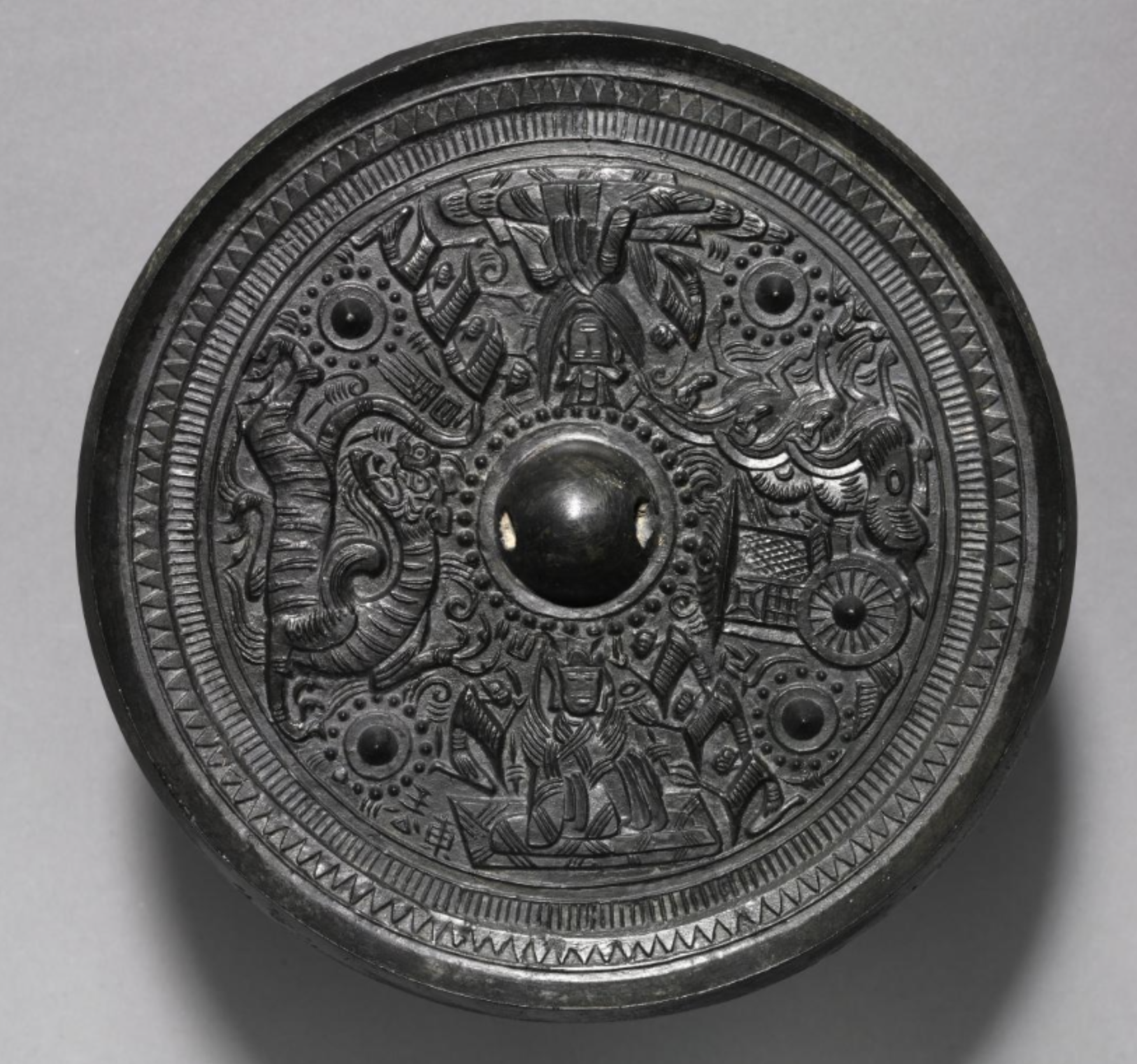
For those interested why tiger, symbol of yin, winter is placed on the west, not north and why dragon, symbol of yang, summer, is placed on the east, not south...As you can see, it's to do with the direction from which winter and summer monsoon winds blow in China...I talked about this in my post about this "Mirror with deities"...
To read more about ancient animal and plant calendar markers, start here…then check the rest of the blog posts related to animal calendar markers I still didn't add to this page, and finally check my twitter threads I still didn't convert to blog post...I am 9 months behind now...

Wednesday, 26 October 2022

The Dragon Gate

There is a Chinese legend about the The Dragon Gate located at the top of a Yellow River waterfall cascading from a legendary Longmen mountain... 

Every year many carp swim upstream against the strong river's current in an attempt to reach this waterfall and jump over it...

And the reason for that, the legend states, is that the Jade Emperor promised that those carp which could reach the Dragon Gate, and could leap over the waterfall, would turn into mighty dragons...

The transformation process is "quite dramatic". The moment the carp jumps over the gate, "clouds and rains would appear". Afterwards, "fire from the sky" would burn its tail and the carp would be transformed into a dragon...

Soooo...What does this all mean? Wanna guess? 🙂

Here's the philosophical explanation: 

The legend of the carps jumping and crossing over the Dragon Gate to transform into the dragon reminds us of the ability to resist hurdles and achieving success...

Carp is a tough fish that embodies perseverance and determination, can resist big currents in China's ancient Yellow River, swim upstream and rapidly jump above the tides "to reach the heaven", denoting great achievement in ones pursuit or high ambition...

Amazing...But what does this actually mean? What are the roots of this legend? Well, animal calendar markers of course...

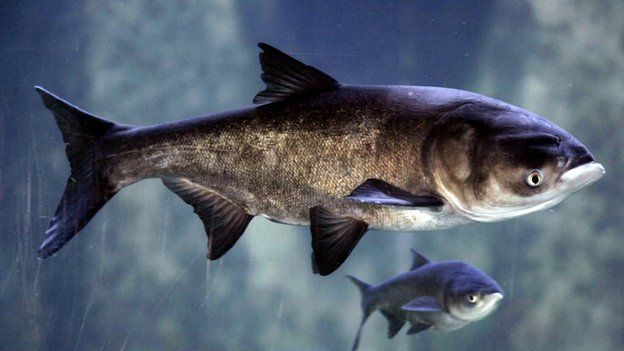
Meet Asian Silver Carp...A fish native to Chinese rivers, including Yellow River, which can grow up to 140 cm in length and can weigh up to 50 kg...

This type of carp is migratory, and from April, it swims upstream, to the upper reaches of the Yellow River for spawning...Not something easily missed if you are living next to or of the river...Cause this is what silver carp spawning looks like..

I think this explains why the jumping carp are such a popular motif in Chinese art. 

But why are they linked with dragons? And clouds and rain? And fire from the sky?

Dragon is a symbol of the sun and sun's heat during the hottest time of the year, Jul/Aug...In Western Asia, North Africa, Europe, Jul/Aug is also the driest part of the year...

The time of droughts...

Which is why in these parts of the world dragons breath fire, steal water and cause droughts and death...And we have all the thunder (and rain) gods chasing them away...


But in China, the hottest part of the year is also the wettest part of the year...Here's Yellow River area climate...

Xi'an

Zhengzhou

It is much the same in other parts of China...This is due to the fact that China is in the monsoon zone...


Hence in China, the dragons are associated with rain and thunder...They are basically animal calendar markers for the peak rain and thunderstorm season...

This is the annual distribution of thunderstorms in China. From "Decreasing trend in severe weather occurrence over China during the past 50 years"


The main thunderstorm season starts at the end of April...After the silver carp start swimming upstream and jumping up the waterfalls...

Hence the magic transformation of jumping carp (Apr/May) into dragon (Jul/Aug) which involves clouds, rain and thunder...See dragon spewing water...

Neat, right?

This is not the only place where we find carp mythology...I talked about this in my posts 

Europe: "When fishes swim up Danube"

Mesopotamia: "Carp surfer", "Utu and Enki", "Adda seal", "Goat fish"

Egypt: "Holy carp"

That's it...

To read more about ancient animal and plant calendar markers, start here…then check the rest of the blog posts related to animal calendar markers I still didn't add to this page, and finally check my twitter threads I still didn't convert to blog post...I am 9 months behind now...

Mirror with deities

Mirror with Deities, Chariot, and the White Tiger, China, Eastern Han dynasty, 100-200 AD...


The deities are The Queen Mother of the West - who is an embodiment of Yin (cold, dark, west) and The King Father of the East - who is an embodiment of Yang (hot, light, east)

These two are said to have created the humanity...

The Queen Mother of the West, representation of Yin (cold, dark, west) is associated with the tiger, the symbol of winter...Which is why the tiger is depicted on the mirror...

But no one knows why we have a chariot pulled by 4 horses supposedly associated with The King Father of the East, representation of Yang (hot, light, east)...According to the Cleveland museum of art...

So let me see if I can solve this mystery...

Apart from The King Father of the East, the Chinese also have The Dragon King of the East, also known as the Dragon God, who is a Chinese water and weather god...

Now if we look at the climate in the North Eastern China, where all these legends originate, the climatic year id divided into hot wet summer, and cold, dry winter...


Hot summer which is symbolised by a dragon (Yang) and cold winter which is symbolised by a tiger (Yin)...I explained why in my post about another "Eastern Han mirror"...

Ok, what does this have to do with horses on the original mirror? Remember my post about the "Three legged sun crows"? 

And the post about sun chariot pulled by "Longma", dragon horse?


Why dragon horse? Cause in China, the hot, wet season, when "dragon brings rain", coincides with the natural mating season of horses...Hence dragon-horse...

I talked about this dragons (and horses) in Chinese mythology in my posts "Chinese dragon", "Tiger and dragon", "Mythical beast from Xian"... 


So I think that knowing this, the chariot drawn by 4 horses is a perfect animal symbol for The King Father of the East, representation of Yang, hot, light...

BTW, doesn't all this reminds anyone of Helios... And this guy:

Depictions of the sun god in a horse drawn chariot. Silk paintings found in the funerary complexes at Dulan, Qinghai province, and Astana, Xinjiang province, China, dated to Tang dynasty (8th-9th century AD) 

So, nothing new and interesting here, right? 🙂 Well, until today, I could not understand why Yin was associated with the west and Yang was associated with the east...

Until I saw this thing: East asian monsoon blows hot from the south east during the summer, the time of (horse) dragon, Yang time, and blows cold from the north west during the winter, the time of tiger, Yin time...

Hence The Queen Mother of the West - who is an embodiment of Yin (cold, dark, west) and The King Father of the East - who is an embodiment of Yang (hot, light, east)...And tiger and horse drawn chariot...

That's it...

To read more about ancient animal and plant calendar markers, start here…then check the rest of the blog posts related to animal calendar markers I still didn't add to this page, and finally check my twitter threads I still didn't convert to blog post...I am 9 months behind now...

Friday, 21 October 2022

Monkey man mirror

I want to thank @realgavinlee for posting this pic of a very interesting, 1-3 C. AD Eastern Han Empire, bronze mirror. 

The mirror is decorated with repeated scenes of "a tiger following a goat" and "a dragon facing a monkey". Except these are not ordinary decorations...

These are animal calendar markers for 

winter -  "a tiger following a goat"


and 

summer - "a dragon facing a monkey"

Tiger (winter) and Dragon (summer) are found as two opposing symbols in China since Neolithic Yangshao culture. I talked about this in my post "Tiger and Dragon"..

The reason for this kind of symbolic division of the calendar year is because of the climate in the North Eastern china: The climatic year is divided into cold, dry winter (tiger) and hot, wet summer (dragon)...Xian climate. But the climate for the whole Han area is very similar.

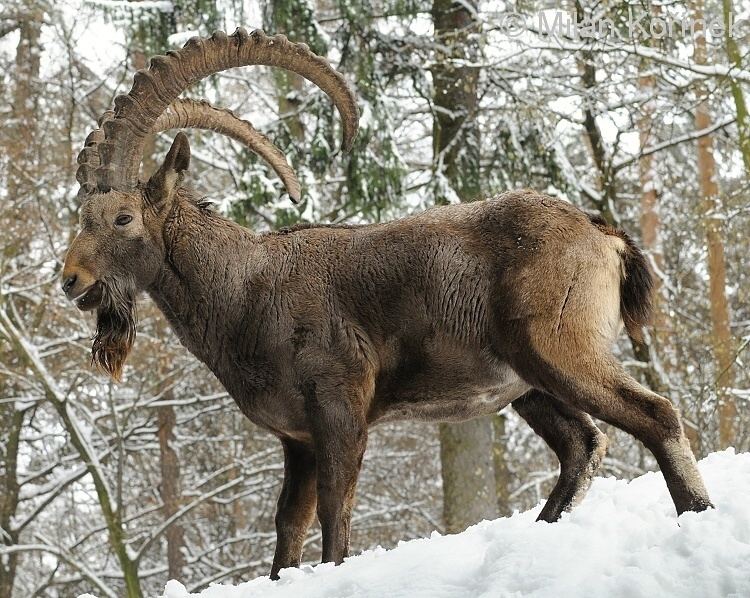
Ibex is a winter symbol because Siberian ibex, which lives in North Eastern China starts mating in Oct/Nov and mates throughout the winter...I talked about this in my posts "Tasmola talisman", "Combs from Tuva", "Mythical beast from Xian"...

Tiger is a winter symbol because the mating season of the Siberian / Amur tiger, which once lived in the North Eastern China, is Dec/Jan...Midwinter...I talked about this in my posts "Crouching tiger", "Leopard and tiger"...


Which is why "tiger" (Dec/Jan) follows (comes after) goat (Oct/Nov)...

Snake is the only true solar animal. It is in our world when sun is in our world (day and hot part of the year) and it is in the underworld when sun is in the underworld (night and cold part of the year)...Hence snake as a symbol of the sun and more specifically of sun's heat...

Now summer (Apr/May - Jul/Aug), the domain of the sun, starts with the beginning of the mating season of Eurasian viper snakes and ends with the beginning of the mating season of Eurasian lions...

Dragon is also a symbol of sun, and sun's heat during the hottest time of the year, Jul/Aug...Which is why dragon is just "an old snake which looked at the sun for a long time".  I talked about this in my posts "Letnitsa treasure", "Enemy of the sun", "The Chthonic animal", "Dragon who stole rain"...

Jul/Aug, Leo, is the time when Eurasian lions mating season starts...


And why dragon was depicted as lion with snakes heads...Or snake with lion's head...I talked about this in my posts "Seven headed dragon", "Bactrian snakes and dragons", "Winged superhuman hero", "Lion killing snake", "You will trample the great lion and the serpent", "Pegasus and Chimera"...

In Western Asia, North Africa, Europe, Jul/Aug is also the driest part of the year...

The time of droughts...


Which is why in these parts of the world dragons breath fire, steal water and cause droughts and death...

And we have all the thunder gods chasing them away...

But in China, the hottest part of the year is also the wettest part of the year...Xian climate again...

Hence in China, the fire breathing dragons bring rain...I talked about this in my post "Chinese dragon"...

According to the Chinese mythology, dragon was helped in its water fetching duties by Kui, a "one-legged mountain demon or rain-god, variously said to resemble a Chinese dragon, a drum made of a skin of a water ox with no horns, or a monkey with a human face".

At first I wasn't sure what the dragon was facing on the Eastern Han mirror, but have a look at this: 

Archaic oracle script symbol for "nao" (monkey)

Monkey from the Eastern Han mirror facing the dragon

The most common identification of this "monkey with the human face" is golden snub nosed monkey

Which is in China known as "Sichuan golden hair monkey" cause it lives in the mountains of Sichuan...Which was, I think, within the area of the core Han land...

Now I think it is interesting that the monkey is facing, stopping the rain bringing dragon...Why? Have a look at the climate in Sichuan...

The rain stops in October...And the mating season of the "Golden snub-nosed monkey" is...October...

Oh yeah. Why "one legged mountain monkey/dragon rain god"? Apparently no one knows..."The Confucianists, detested the idea that K'ui had only one leg..." Cause they couldn't explain it. Maybe because...

Or maybe because dragon, which is the symbol of the sun's heat during the hottest part of the year, late summer, is "just an old snake" which is the symbol of the sun's heat in general...And snakes only have "one leg", or none, depending how you look at it...

To see that I am not barking mad: Groot infers that the in "one-legged dragon" Kui, "which was amphibious, and caused wind and rain", "we immediately recognize the Dragon, China’s god of Water and Rain". Carr interprets this as "a crocodile-dragon with its tail seen as 'one leg'"

And, why was the thunder drum made from the hide of an "blue ox with no horns who comes out of the eastern sea"? Well, remember that the bull, ox, cow and calf, are animal calendar markers that mark the beginning of the calving season of the wild Eurasian cattle, Apr/May...I talked about this in my posts "Cow and calf ivory", "When Utu steps up into heaven", "Butt chewing", "Green Pastures", "Adda seal", "Elamite water bull", "Solar bull", "How grain came to Sumer"

Ox with no horns is a wild cattle calf...Which start being born in Apr/May...Which is when the summer monsoon winds arrive from the eastern sea carrying the clouds full of rain and thunder and lighting...Hence blue ox with no horns...


Oh BTW, I talked about the link between bull and dragon symbols in my posts "Water bull", "Bactrian snakes and dragons"...

So...This is it...As I said, a very interesting mirror indeed...

To read more about ancient animal and plant calendar markers, start here…then check the rest of the blog posts related to animal calendar markers I still didn't add to this page, and finally check my twitter threads I still didn't convert to blog post...I am 9 months behind now...