Showing posts with label Chinese mythology. Show all posts

Sunday, 27 November 2022

Snake eagles from Inner Mongolia

A gold plaque in a bird and snake pattern excavated from the Majiayuan cemetery in Zhangjiachuan, Gansu Province, China and dated to 5th-3rd century BC. Pic from: "Archaeometallurgical Studies in China: Some Recent Developments and Challenging Issues"

There is something very interesting about this image: how much it looks like this image:

Eagle-Snake struggle mosaic from the Emperor Justinian's palace, Istanbul...

This is actually a complex animal calendar marker for the thunderstorm season in Europe Apr/May -  Sep/Oct, when migratory snake eagles can be seen in Europe...I talked about this in my post "Eagle snake struggle"...

In the article about the mosaic from Istanbul, I postulate that this is the depiction of the fact that the hottest season in the Balkans (snake = sun's heat) is also the season of the thunderstorms (eagle = thunder)

This is depicted through the struggle between a Short-toed Snake Eagle (who is summer breeding visitor to Europe) and a snake (which is out during the summer)...

Is it possible that the above Plaque from Gansu also depicts he same thing: the hottest time of the year is also the time of the year with most thunderstorms, and, this is also the time of the year when Short-toed Snake Eagles can be seen fighting snakes?

Well...This is the climate in the Gansu region...

The climate (hottest time of the year is the rainiest, most thundery, time of the year) is the same in Inner Mongolia...Here is the climate chart for Xian...

I talked about it here in my article about the "Mythical Beast from Xian"...

And its the same climate (hottest time of the year is the rainiest, most thundery, time of the year) in Mongolia proper...

Now have a look at this picture. This is a distribution of thunderstorm frequency in China per month...From "Decreasing trend in severe weather occurrence over China during the past 50 years"...

You can see that the main thunderstorm season, with over 80% of all thunderstorms, starts in Apr/May...

I talked about this in my posts about Chinese thunder gods and thunder dragons: "Dragon gate", "The minister of thunder", "The son of thunder", "Lei Kung", "White thundercloud", "The gourd that saved humanity", "Blue boy"...

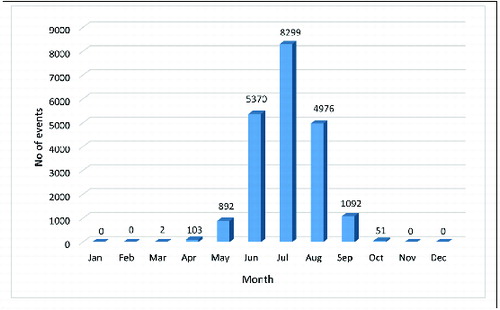
Guess what...This is annual distribution of thunderstorms in Mongolia...From "Lightning incidents in Mongolia"

Ok, so climate in the area where the eagle snake plaque was made fits: hottest time of the year (snake) is also the thunderiest 🙂 time of the year (eagle)...

What about snakes? And Short-toed Snake Eagles?

Well, snakes are cold blooded, so they are out only during the part of the year when the temperatures are above zero...So Mar/Apr/May - Sep/Oct/Nov...depending where you are, Northern China, Inner Mongolia, or Mongolia proper...

Which is exactly when migratory Short-toed Snake Eagles arrive to this part of Northern China, Inner Mongolia, Southern Mongolia to breed... 

Sources:

And so, just like in Southern Europe, the only time of the year when you can see the (mythical) battle between the rain (eagle) and sun (snake) is during the hottest (and rainiest) time of the year, Apr/May - Sep/Oct...

http://birdingmongolia.mn

https://birdingbeijing.com

I think this is kind of cool...

To read more about ancient animal and plant calendar markers, start here…then check the rest of the blog posts related to animal calendar markers I still didn't add to this page, and finally check my twitter threads I still didn't convert to blog post...I am 9 months behind now...

Saturday, 29 October 2022

Blue boy

In this post I will talk about the Chinese legend about the "Blue Boy". I think this legend identifies animal calendar marker behind the Chinese water dragon. The legend can be found in "Myths of China and Japan", page 80...


Here it goes (the important bit):

One day Wang Shuh, a herbalist, went out looking for the Red Cloud herb. He followed the course of a mountain stream on a hot summer day, and at noon sat down to rest and eat rice below shady trees beside the deep pool of a waterfall...

As he lay on the bank, gazing into the water, he was astonished to see in its depths a blue boy, about a foot in height, with a blue rush in his hand, riding on the back of a red carp, without disturbing the fish, which darted hither and thither...

In time the pair came to the surface, and, rising into the air, turned towards the east. Then they went swiftly in the direction of a wall of cloud that was creeping across the blue sky, and vanished from sight...

The herbalist continued to ascend the mountain, searching for the herb, and when he reached the summit was surprised to find that the sky had become completely overcast. Great masses of black and yellow clouds had risen over the Eastern Sea, and a thunder-storm was threatening...

Wang Shuh then realized that the blue boy he had seen riding on the back of the red carp was no other than the thunder-dragon. He peered at the clouds, and perceived that the boy and the carp had been transformed into a black Kiao (Jiaolong)...

He was greatly alarmed, and concealed himself in a hollow tree.  Soon the storm burst forth in all its fury. The herbalist trembled to hear the voice of the black thunder-dragon and to catch glimpses of his fiery tongue as he spat out flashes of lightning...

Rain fell in torrents, and the mountain stream was heavily swollen, and roared down the steep valley. Wang Shuh feared that each moment would be his last...

In time, however, the storm ceased and the sky cleared. Wang Shuh then crept forth from his hiding place, thankful to be still alive, although he had seen the dragon. He at once set out to return by the way he had come...

When he drew near to the waterfall he was greatly astonished to see the little blue boy riding on the back of the red carp, returning from the east and settling down on the surface of the pool. Soon the boy was carried into the depths and past the playful fish again...

Struck with fear, the herbalist was for a time unable to move. When at length he had summoned sufficient strength and courage to go forward, he found that the boy and the carp had vanished completely...

Then he perceived that the Red Cloud herb, for which he had been searching, had sprung up on the very edge of the swirling water. Stooping, he plucked it greedily...

The end...Of the important bit...

So this legend links several of my posts about the Chinese thunder folklore: 

First, the post about carps which transform into dragons whey jump over the waterfall at the "Dragon Gate"...

Second, the post about "White Thundercloud", which which is just another name for dragons which are in China linked with water and thunderclouds and which can cause violent storms...

Third, the post about Thunder God "Lei Kung" who (sometimes) rides on a dragon...

Basically here we have a "blue (colour of water) boy riding on a carp", carp being animal calendar marker for Apr/May, start of the thunderstorm season in China, cause this is when migratory carp go up rivers to mate...

Thunderstorm frequency in China...

The carp riding boy flies into "the wall of cloud coming from the east", the typhoon cloud front...

Typhoons arrive from the south east during the summer monsoon period...

The typhoon season in South China Sea starts in May, right after carp finishes mating, and "transforms into a dragon"...Typhoon frequency chart...

Which makes it obvious that "the blue boy on the carp" is no other than "the thunder dragon", dragon being animal calendar marker for the peak of the monsoon and thunderstorm season in China, Jul/Aug...Climate charts from 3 regions of South Eastern China...


I have linked carp, dragon and thunderstorms through analysing animal calendar markers present in the Chinese thunder folklore. This legend confirms that my analysis was correct...

Cool. But there is something in this legend which makes it very very very...cool...

The fact that during the thunderstorm, the boy and the carp transform into black Kiao (Jiaolong)...

Eeee, WTF is Jialong?

Kiao (Jiaolong) is "a type of dragon which lives in Yangtze River and is linked to heavy rains and thunderstorms"...

And this is cool why?

Kiao (Jiaolong) is is described as "a black scaly walking snake with four legs"...

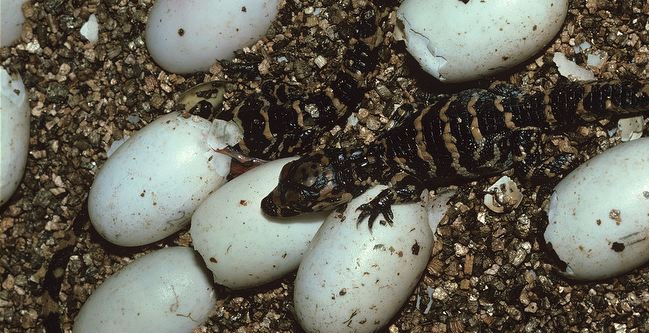
Meet Yangtze River alligator also known as https://en.wikipedia.org/wiki/Chinese_alligator It's black, it's scaly, it looks like a snake with four legs, and most people agree that this animal was the origin of the Kiao (Jiaolong).

But why would alligator be linked to "heavy rains and thunderstorms"? 

Animal Calendar Markers derived from the mating or birthing season of depicted animal...

Chinese alligators reproduce during rain and thunderstorm season. They mate in Jun, nest in Jul/Aug, and hatch in Sep.

After the eggs are laid, the females stay to protect the eggs, meaning there are suddenly a lot of aggressive alligators on riverbanks during the peak of the rain and thunderstorm season...

Hence "dragons" linked with water, rain, thunderstorms???

Cool. But "the really cool bit" is: 

"Jiaolong" consists of: long (龍) meaning "dragon" and Jiao (蛟), meaning "flood"...Making Jiaolong "the flood dragon"...

Yangtze river peaks in Jul/Aug, when Yangtze alligators start to nest...

Hence flood dragon?

But I am unsure if it was Chinese Alligators who were the original flood dragons. 1105 CE Yuhu qinghua 玉壺清話 says people in the southern state of Wu called Jiaolong "fahong" 發洪 which means "swell into a flood" because they believed flooding resulted when Jiaolong hatched...

Now as I said, the peak flood season in Yangtse river (and other rivers in the South Eastern China) is Jul/Aug...Too early for Chinese Alligators. If only there was some other black scaly four legged snake like creature...There is. Actually there was...

According to Chinese records, starting from the Han dynasty, "A large, man-eating crocodile (presumably the saltwater crocodile) was once present throughout coastal southern China)"...

Remember, the herbalist Wang Shuh from our legend was scared shitless and "thankful to be still alive, although he had seen the dragon"...He wouldn't have been scared of the Chinese Alligators, cause they don't attack people. Man eating saltwater crocodiles on the other hand...

I don't know exactly when saltwater crocodiles which once lived in China hatched. We know that saltwater crocodiles nest during the wet season...Which is in China Apr/May to Sep/Oct...

But the data from Indian region of Eastern Ghats, where the wet season peaks at the same time as in Southern China says that "Hatching occurs during...July and August in salt water crocodiles"...

That is exactly when the flood peaks in China...So was the original terrifying, black, four legged, scaly, "flood dragon associated with rains and thunderstorms" from Chinese mythology, actually an ancient animal calendar marker based on now extinct Chinese Saltwater Crocodile?

Neolithic Yangshao culture  burial, discovered in Puyang, Henan Province, Northwestern China and dated to 4000BC...A person was buried between a dragon (on the east side, summer monsoon) and tiger (on the west side, winter monsoon)...I talked about this burial in my post "Tiger and Dragon"...

I guess there are parts of Chinese culture that didn't come from the steppe...

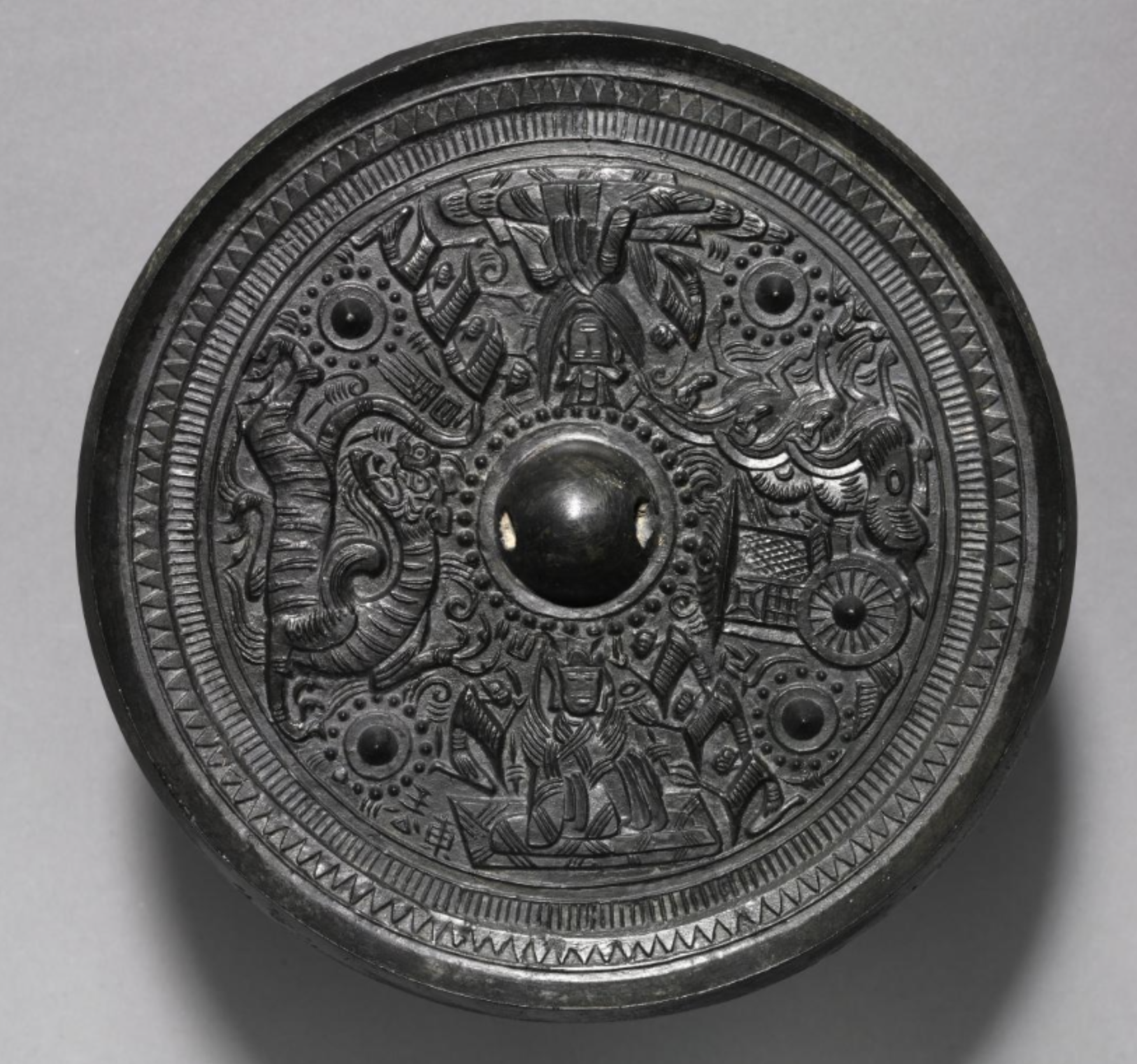
For those interested why tiger, symbol of yin, winter is placed on the west, not north and why dragon, symbol of yang, summer, is placed on the east, not south...As you can see, it's to do with the direction from which winter and summer monsoon winds blow in China...I talked about this in my post about this "Mirror with deities"...

To read more about ancient animal and plant calendar markers, start here…then check the rest of the blog posts related to animal calendar markers I still didn't add to this page, and finally check my twitter threads I still didn't convert to blog post...I am 9 months behind now...

Friday, 28 October 2022

The gourd that saved humanity

This is Lei Kung/Lei Gong, The Lord of Thunder from Chinese folk mythology...Again...

Did you know that he was the guy who caused "The flood"? You can read about it in "Chinese mythology A to Z"... 

The one that killed all the people except Fuxi and Nüwa, brother and sister who then became the progenitors of the new human race...


BTW, did you notice that they are holding a square and a compass...I wrote talked about this in my post about Father Sky and Mother Earth...And square and compasses, their symbols...I talked about them in my post "Square and compasses"...

Apparently the father of Fuxi and Nüwa, who is in some legends identified as Lei Gong himself, decided to catch Lei Gong and pickle him 🙂 And catch him he did, using a pitchfork, and he put him in a metal cage that hang under the roof...

The father then went to town to buy spices for pickling 🙂 and he told his kids not to give Lei Gong any food or water...Remember Lei Gong was a "bat like monster"...So the whole thing to me looks like something from Gremlins 🙂

Anyway, after Lei Gong begged them and begged them, the kids eventually did give him one drop of water. As soon as the water touched his lips, Lei Gong burst out of the cage with a terrifying bellow. See, Gremlins 🙂 Or Baš Čelik from Serbian fairytales...

The kids cowered in fear, but the god, instead of harming them, thank them for freeing him. Then he took out one of his teeth and gave it to the kids saying that if they plant it "it will grow into a gourd". And then he went off thundering and the rain started to fall...

The kids of course planted the tooth immediately to see what happens. And lo and behold, it immediately started to grown and soon turned into a giant gourd...

When their father came home, the place was already a swamp. WTF happened here? asked the father, and the kids told him everything. After hearing what happened, their father built a boat, got the kids and the gourd into the boat, put the kids into the gourd, and began to row...

The waters rose and rose and soon reached the heaven. The father of Fuxi and Nüwa started to bang on the heavenly door, begging the Lord of Heaven to end the rain and flood before they all drowned...

The Lord of Heaven, fearing that the flood will submerge the heaven itself, ordered the water god to get rid of the water...And so he did...But too fast. And so the boat fell to the ground, the father died from impact, and only Fuxi and Nüwa survived protected inside the gourd...

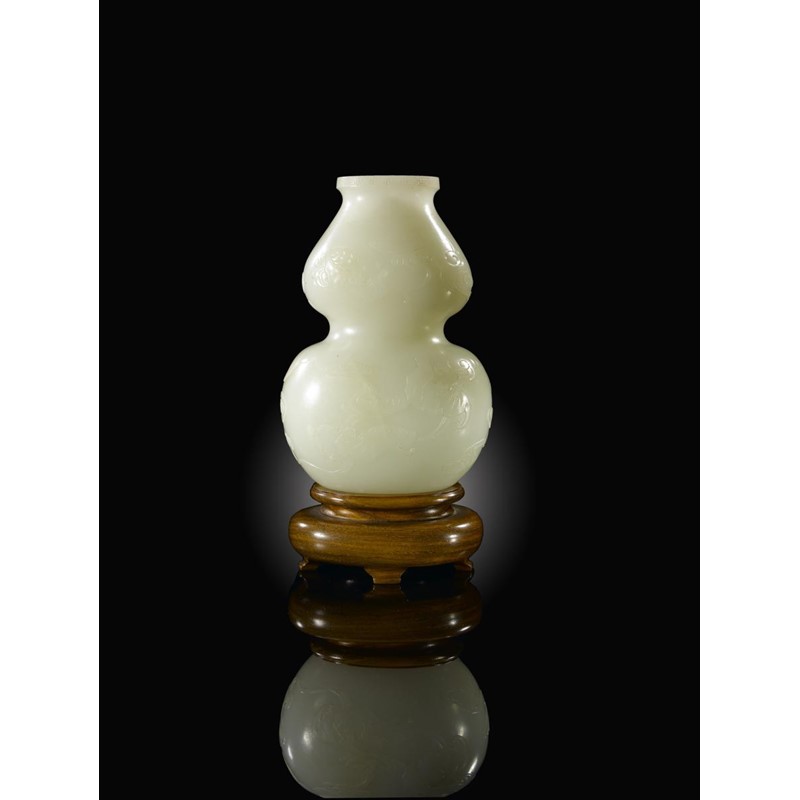
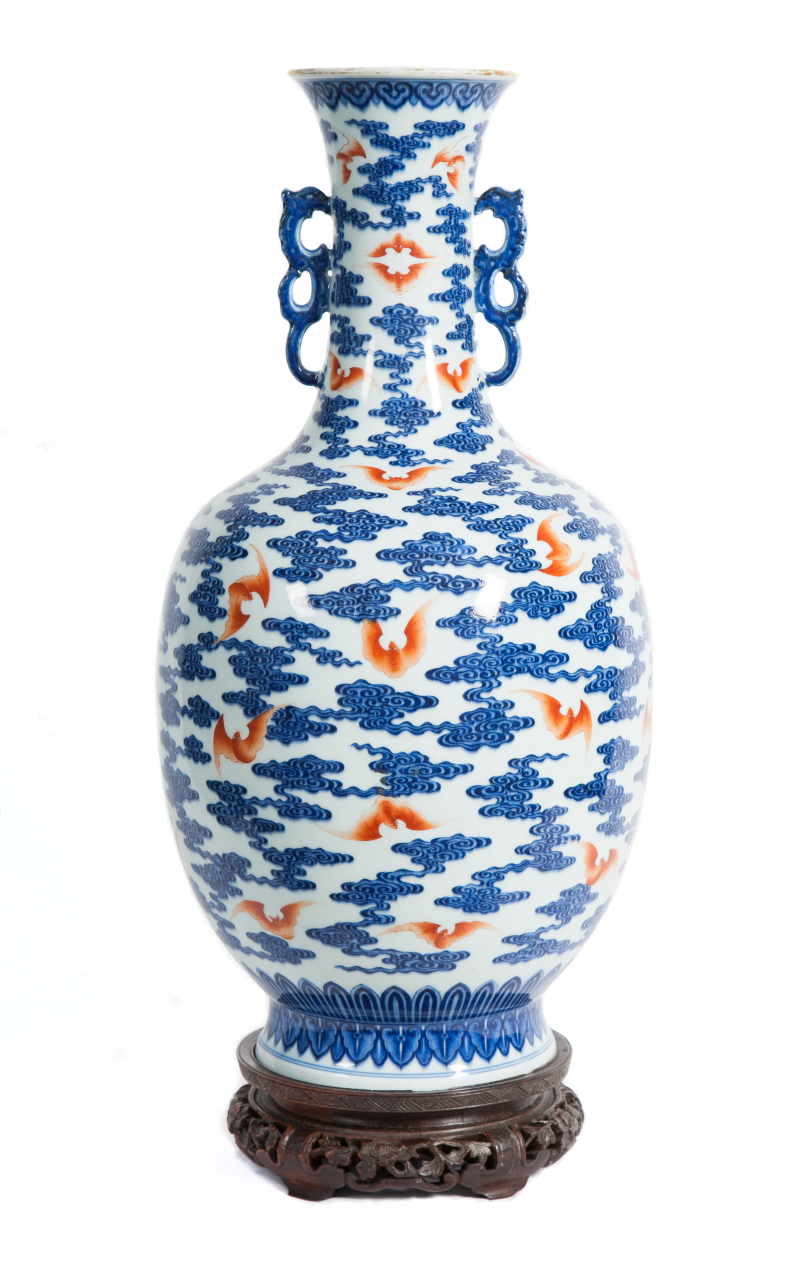
The rest is X-rated history...To me the interesting bit here is "the gourd"...Look, 18th c. Chinese white jade gourd-shaped vase with bats and clouds, Qianlong...


Hmmm...Bats, symbol of the peak of the rain season in China, and (rain) clouds...Maybe here would be a good place for you to take a detour and read through my earlier post about "Lei Kung (Lei Gong)", and all his mad animal and plant calendar markers...The important bit about bats:

What is the link between thunder (god) and bats? Temperate zone bat year is divided into two halves: active (Apr/May-Oct/Nov) and hibernation (Oct/Nov-Apr/May). The most noticeable event during the active period, bat swarming, starts in the middle of the active period, in Aug.

This is climatic year in China in Xian, Hunan, Sechuan...


And this is the thunderstorm frequency chart...

We can see that this is also the peak of the thunderstorm and rain season...So no wonder Thunder God was seen as the "bat like demon"...

But this post is about gourds...The bottle gourd, has a long history in China. Describing the way of life among Chinese farmers 3,000 years ago, the Pinfeng chapter of the Book of Odes relates: "In July, the gourds are in abundant supply, but by August, the season is over"

HA!!! When are gourds harvested? Jul/Aug. Right bang at the peak of the rain, thunderstorm and flood season in China...Caused by Lei Gong/Lei Kung, The Bat Dude...

Pickled bats? 🤮

That's it folks, that's all I have to say about The Lord of Thunder...

To read more about ancient animal and plant calendar markers, start here…then check the rest of the blog posts related to animal calendar markers I still didn't add to this page, and finally check my twitter threads I still didn't convert to blog post...I am 9 months behind now...

Lei Kung

Meet Lei Kung (Lei Gong), the Lord (God) of Thunder in Chinese folk religion, Chinese mythology and Taoism... 

He is usually depicted holding a chisel and a mallet.

Sometimes he is depicted holding a chisel and a mallet while standing on a drum...

And sometimes he is depicted holding a chisel and a mallet surrounded with a "necklace of drums"...

He uses mallet to strike the drum(s) which is how he makes thunder. According to the geographical book Shanhaijing 山海經 from the Han period 漢 (206 BCE-220 CE), the drum(s) were made from the skin of the "Kui", the "thunder beast"...

One of the depictions of the "thunder beast" was that it resembled a "monkey with a human face"...Interestingly, some descriptions of the Lord of Thunder also say that he "looked like a monkey, or that he had a human body and a head of a monkey"...

I talked about "Kui" in my post "Monkey man mirror", about this interesting Eastern Han Empire bronze mirror...


In this article, I proposed that the figure depicted together with the dragon, was a monkey.


A golden snub-nosed monkey... 

Now, I think that this could actually be Kui, or Lei Kung...Same thing really...

One thing I have to say is that maybe I was wrong when I said that the monkey was the animal calendar marker for the mating season of golden snub-nosed monkey, Which is in Oct, at the end of the rain and thunderstorm season in China...

Knowing now that The Lord of Thunder was imagined as a monkey or a human with a face of monkey, I think that whatever monkey animal calendar marker marked, it had to be linked to either the beginning (Apr/May) or the peak (Jul/Aug) of the thunderstorm season in China...

And, as mating peaks in the month of October, and gestation takes 6–7 months, the majority of the golden snub-nosed monkeys gives birth from in Apr/May...

Sudden appearance of mothers with babies is not something you can not notice...Right at the beginning of the thunderstorm season...Hence Thunder Monkey God???

"Kui" the "thunder beast" from whose skin the Yellow Emperor made the "thunder drum", was also described as a "one legged ox with no horns". Interestingly, in "Journal Of The North China Branch Of The R S A 1923 Vol Liv" we read that the Lord of Thunder was "sometimes depicted with cow's horns, although they were sometimes omitted"...

Considering the identical depictions of the Lord of Thunder and the "thunder beast", there's no wonder that Guo Pu 郭普, a Jin period 晉 (265-420) commentator to the Shanhaijing, explained that the thunder beast "Kui" was nothing else than the thunder god...

The "ox like thunder beast" and The Lord of Thunder with "cow's horns" fit well with early depictions of Qilin, the Chinese Unicorn, the mount of the Minister of Thunder, which very much resemble a winged bull...

I talked about Qilin in my post about "The Minister of Thunder"...


In it I explained that the reason why Thunder God(s) in China are linked to cattle, is because the main thunderstorm season in China starts in Taurus...

Taurus being the ancient animal calendar marker, found through out Eurasian and North Africa, since Neolithic, used to mark Apr/May, the beginning of the calving season of the Eurasian wild cattle...You can read more about the original meaning of Taurus in my post "Cow and calf ivory"...


Anyway, Shanhaijing also says that in Lake Leize 雷澤 (Zhenze 震澤, modern Taihu 太湖) there were dragon gods. They had the body of a dragon and the head of a human. They used their bellies as drums to produce the sound of thunder...

Dragon's in China are linked to rain and thunder...I wrote about this in my post "White thundercloud"...

And Lei Kung is sometimes depicted riding on a Dragon...

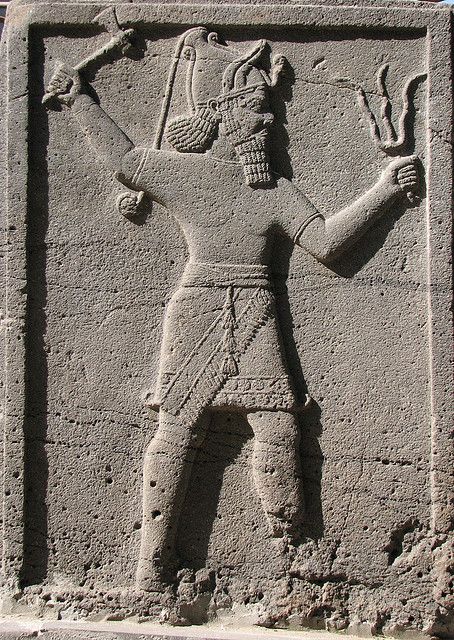
As you can see, The Lord of Thunder is sometimes depicted with an axe instead of a hammer...

Now axe has been linked with thunder gods in Eurasia since at Neolithic...This could have something to do with the fact that flint, the material early axes were made of, produces sparks when struck...I talked about this in my post "Kataibates"...

Now I wonder how far back can this link between thunder gods and stone axes be found in China...

My friend @realgavinlee posted the pic of this Neolithic Yangshao culture pot "decorated" with a fish and a stone axe...

Why? You don't use axes to kill fish...But fish, carp, is directly linked with rain and thunder in China...I talked about this in my post "Dragon gate"...

So is this a symbolic depiction of the link between thunderstorm season and carp?

Anyway, if you haven't noticed by now, The Lord of Thunder has a beak...And wings...And claws...Apparently these are raptor beak, wings and claws, "which resemble those of the Indian divine bird Garuda"...

But actually I believe that these are beak, wings and claws of a cockerel...Apparently, Lei Kung was "sometimes depicted with a cock’s head, wings and claws"...

There is a legend that can be found in the book Sanjiao soushen daquan 三教搜神大全. dating from the Ming period 明 (1368-1644), that "explains" why the Lord of Thunder would look like a cockerel:

A man was preparing a chicken as a meal for his mother. Suddenly he was slain by a thunder strike, whereupon he transformed into a divine cock, that was no one else than the Master (Lord) of Thunder, Lei Kung.

Straight our of Marvel comics 🙂

The real reason why The Lord of Thunder, was depicted as a cockerel is because of the China's latitude and the reproductive cycle of wild chickens, which is governed by the amount of sunlight, and at China's latitude starts when the thunderstorm season starts, in Apr/May...

I wrote about this my post about "The Son of Thunder", the guy who was either Lei Kung's son, or Lei King's alter ego...


He was born out of an egg, and liked to hide inside hens...For some reason...

Now about the wings, the early descriptions say that The Lord of Thunder had "leathery bat wings"...

There is even a Taoist legend that says that "after many days of meditation, Deng Bowen suddenly turned into a bat like demon, The God of Thunder". You can read about it in "China: A Religious State"...

What is the link between thunder (god) and bats? Temperate zone bat year is divided into two halves: active (Apr/May-Oct/Nov) and hibernation (Oct/Nov-Apr/May). The most noticeable event during the active period, bat swarming, starts in the middle of the active period, in Aug.

This is climatic year in China in Xian, Hunan, Sechuan...


And this is the thunderstorm frequency chart...

We can see that this is also the peak of the thunderstorm and rain season...So no wonder Thunder God was seen as the "bat like demon"...

BTW, did you know that in China, "bats flying in clouds" is a symbol of prosperity...I wonder why? 🙂 18th c. Chinese Imperial Vase with Bats and Clouds...

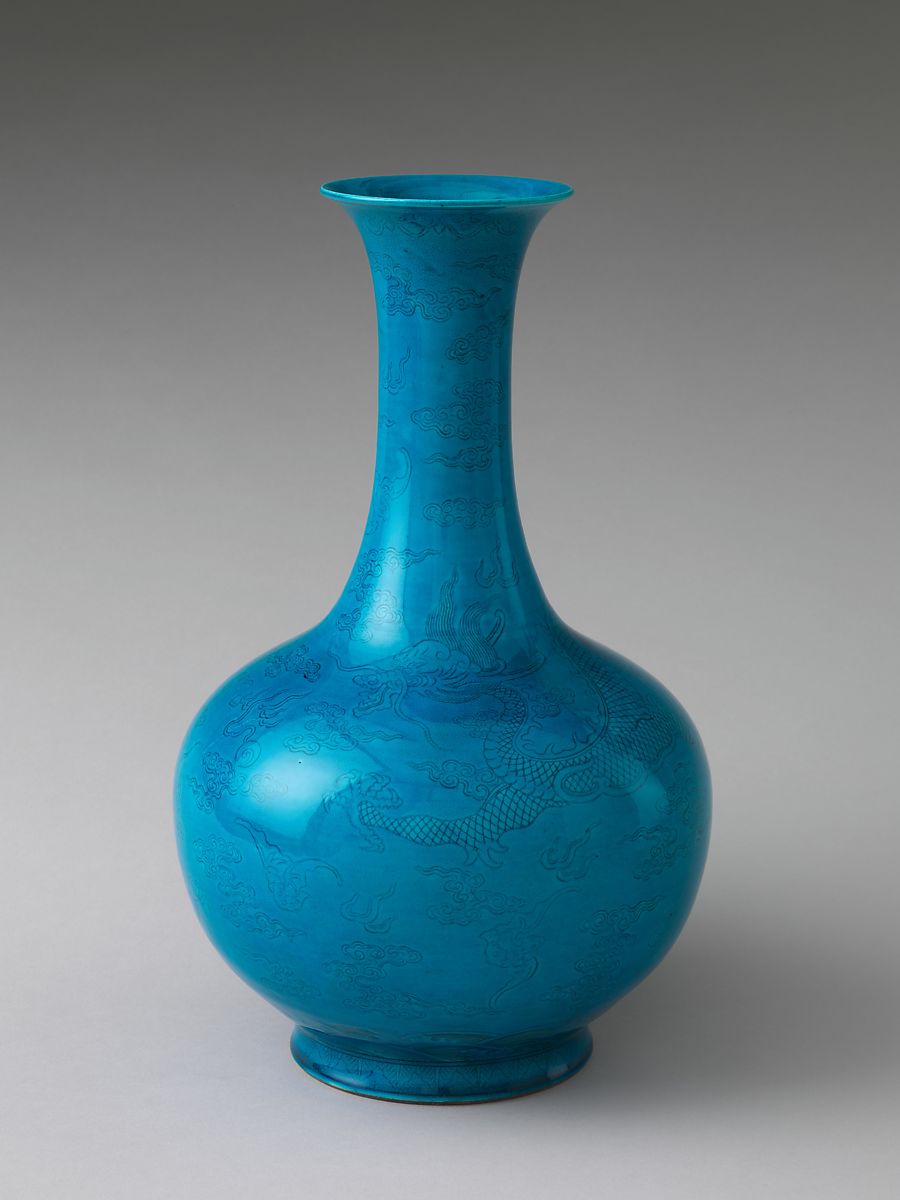
And I guess "bats flying in clouds with dragons" is even more auspicious...17th c. Vase with Dragons and Bats amid Clouds...

Now there is another animal that the Lord of Thunder was imagined as: pig. Sources from the Tang period describes him as a creature with the "appearance of a pig"...

Now there are two possible explanations for this, from the animal calendar markers point of view. First is the obvious one: this has something to do with the mating or birthing of wild boar...

Wild boar mates during the winter, Nov-Jan...Hmmm....And wild boar piglets are born between March and May...The rain and thunderstorm season in China starts in Apr/May...

So I think that here we are looking at the pig animal calendar marker marking peak wild boar birthing season...Lots of little piglets everywhere...Important in a place where we believe pigs were domesticated...By presumably catching piglets and raising them in captivity...

And considering that this invasion of piglets coincides with the beginning of the rain and thunderstorm season, we have Thunder god looking like a pig...Simple...But...

But there is another possible explanation for the "Thunder god has a head of a pig" statement...And it has nothing to do with pigs, but with bats...Remember, The Lord of Thunder was a "bat like demon"...Left, bat head, Right, wild boar head...

This is a website that lists all the bat species living in China...How many have heads that look like pig's heads?

Is it possible that this "looks like a pig" is a misunderstanding, misinterpretation of looks like a bat? Or am I just seeing things?

Anyway, Lei Kung (Lei Gong) started his life as a mortal and only became the God of Thunder after eating a magic peach (apricot) after which he grew wings and got supernatural strength...

You can read about it in "29 Chinese Mysteries"...Just like "The Son of Thunder", his alter ego...

Makes no sense, right? Well, as I explained in my post about "The Son of Thunder", apricots and peaches picking season starts in May, beginning of the thunderstorm season...And the time when bats emerge from hibernation...

Anyway, once the Lord of Thunder acquired his powers, he became a strongman, tasked by the Jade Emperor to punish people who have committed crimes, so to scare people shitless into being good...You can read about this in "Waiting for a Thunderbolt"... 

For a comic relief (but not just for that), I will paste here a brilliant retelling of a story about the Jade Emperor and the Lord of Thunder, from the site entitled "Fuck Yeah, Chinese myths!" 🙂 It's a classic:

One day, the Jade Emperor was chillin’ in Heaven and he was all, “Hmm, I think I totally gotta check out what’s goin’ on in the world, 'cause I have to like, totally make sure that no one is bein’ a douche.”

But when he saw what was happenin’ on earth, he was like, so freakin’ pissed 'cause errbody was bein’ a douche to one another.

The worst part was, he saw two robbers robbin’ stuff from a travelling salesman, and he was like, “K, that’s it. I’ve had enough with this shit. Lei Gong! I totally summon you!”

Lei Gong was all, “Wassup Chief?” And when he heard what had happened, he was really pissed off too. The sky turned black and Lei Gong used his hammer and chisel to warn the robbers, but it wasn’t enough.

Then, he used his iron spear which shot out electricity and killed them. All the peeps saw, and they were like, scared shitless and didn’t dare rob from anyone else no more.

And so Lei Gong was patrolling the city, striking villains down, doing his thang, and he saw this woman throw a bowl of rice into a ditch. 

And Lei Gong was upset 'cause this woman was so clearly wasting food, and he struck her dead. That was the end of that, right? Wrong!

See, Lei Gong made a big mistake. The woman who threw out the rice wasn’t throwing out rice at all - she was throwing out the husks of rice, which was pretty useless anyway.

In fact, this woman was a really filial daughter-in-law, and she was drinkin’ rice husk soup or somethin’ 'cause the rice that was previously in the soup was given to her mother-in-law to eat as porridge!

The Jade Emperor was all, “Lei Gong, dude, seriously - you gotta check this stuff out before you strike peeps down, man!”

Lei Gong was all, “Yeah, I know. Sorry.”

“Don’t worry, I got this,” the Jade Emperor said, and he swept his hand, and the girl Lei Gong killed was in front of them! To compensate for Lei Gong’s blunder, she became his wife and was called Dian Mu or the Goddess of Lightning.

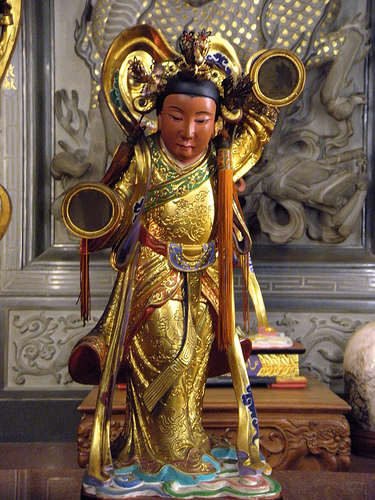
Dian Mu was bestowed with the power of lightning. She made lightning with the two mirrors she held in her hands. And to prevent Lei Gong from making more mistakes, she would use her lightning flashes to brighten up errything.

This let her husband have a proper look at who he should strike, and then thunder would soon follow.

Aaaaaand this is why lightning comes first before thunder.

The end....

That's how you retell mythological stories...

Now this last bit about Dian Mu "being killed by Lei Gong after throwing rice husk" is very interesting...

In the main rice growing areas of China, rice harvest spans Jun, Jul, Aug, Sep...This is the peak of the rain and thunderstorm season...


In this paper "Variation of Rainfall Over South China Through the Wet Seasonwe can read that in Southern China, according to the agricultural calendar, which hasn't changed for thousands of years, the first rice harvest took place during the rainfall dip, at the end of Jun...

Rice harvest is followed by threshing and winnowing, separation of husks from seed...After which the husks are thrown away...

And so it is possible, that the story about Dian Mu being killed by overzealous Lei Kung, while she was throwing rice husks into the river, is another, this time plant calendar marker for the thunderstorm season...The domain of The Lord of Thunder...

That's it for now. Hope you enjoyed it...

To read more about ancient animal and plant calendar markers, start here…then check the rest of the blog posts related to animal calendar markers I still didn't add to this page, and finally check my twitter threads I still didn't convert to blog post...I am 9 months behind now...