I would like to give full analysis of this seal and improve the official interpretation of this artifact found on the BM site.
So let's go:
The seal is called "Adda seal" because the cuneiform inscription identifies the owner of the seal as Adda, who is described as "dubsar" (scribe). The word "dubsar" is very interesting indeed. I wrote about it in my post "Scribe"
The official interpretation of the scene depicted on the seal says that:
"The figures can be identified as gods by their pointed hats with multiple horns"
Fair enough...
"A hunting god (full-face) has a bow and an arrow (?) over his shoulder; a quiver with tassel attached hangs on his back"
No identification of the god provided...
"On the left hand mountain stands a small tree and Ishtar...winged and armed... She is holding a bush-like object, probably a bunch of dates, above the sun-god's head"
No mention of the lion...No explanation why is she holding dates above the sun god's head...
"The sun-god Shamash with rays, holding a serrated blade, is just beginning to emerge from between two square topped mountains"
This is usually interpreted as "sun at dawn cutting its way through the Zagros mountains"...I will explain why this is not the case...
"The water god Ea/Enki stands to the right with one foot placed on the right hand mountain"
Why? Actually it becomes obvious when you realise that these are not mountains...
"He stretches out his right hand towards an eagle, probably the Zu bird who stole the tablets of destiny"
What about the snake that the eagle holds in its beak? I don't think this is Zu, and I will explain why soon...
"A bull lies between his legs and streams of water and fish flow from his shoulders"
Why is bull lying between Ea/Enki's legs? Why are fish swimming inside of the streams towards Enki? So many animal symbols there which are not explained...
"Behind him [Ea/Enki] stands his two-faced attendant god Usimu with his right hand raised"
Why is Usimu two-faced? No explanation...
Soooo...Where do I begin...By first stating that all the things depicted on this seal are calendar markers...And they are all chronologically ordered on the solar year circle from right to left. Except one, which is out of place...
And a lot of them we know from before. Well if you read my blog and my twitter threads that is...So I will first point at these well known 🙂calendar markers. I will fix them on the calendar year, and that will enable us to identify the other, until now yet undeciphered calendar markers...
So first I will talk about Shamash/Utu...The scene depicted on this seal is not "sun at dawn cutting its way through the Zagros mountains". It is "sun in an empty irrigation canal during the hottest and driest time of the year, Jul/Aug"...In Leo...Like on this seal...
This is when canals are extended and repaired. Shamash/Utu is holding a serrated knife used to cut reeds, which have the best building and water resistance qualities in Aug...See the reed bundles on both sides of the canal? I talked about this in my post "Canals"...
I would suggest that you read this article too, "Shamash young and old", in which I talk about diametrically opposed roles of young and old Shamash/Utu when it comes to water in Mesopotamia. Young sun releasing the waters and Old sun taking it away...
So once we know what the central image represents, and what time of the year it marks (Jul/Aug), we can turn to Ea/Enki...
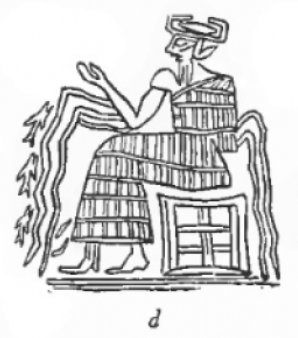
As I explained in my article "Shamash young and old", Enki is the god of the source of fresh water...And the source of Tigris and Euphrates...Which is why he is usually depicted with two streams of water (rivers) pouring out of him...
Ea/Enki is also the god of flood...Not "The flood"... Just the annual flood of the Tigris and Euphrates. The most important natural event in Mesopotamia...I talked about it in my post "Enki's little boat"...
This flood peaks during Apr/May...In Taurus...
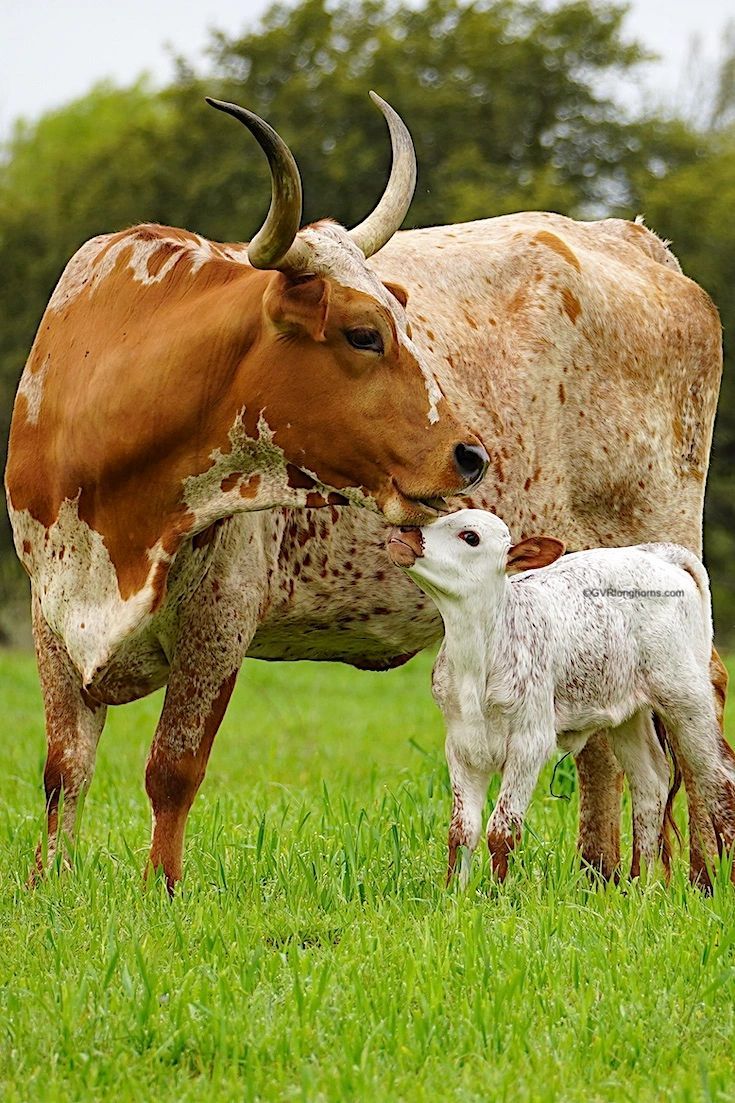
Which is why we see bull depicted between Ea/Enki's legs...BTW, Taurus marks Apr/May because this is when wild Eurasian cattle used to start calving...
I talked about this in my posts "Rain and flood" and "Ram and bull"...
So why is fish swimming upstream towards Ea/Enki? They do BTW, on all the depictions of Ea/Enki...Here is another one
Because the upstream mating migration of giant Mesopotamian carp coincides with the peak of the flood.
I talked about it in my post "Goatfish"...About this guy, the "symbol of Enki/Ea"...
The guy Enki/Ea likes standing on...

Oh what about the eagle with a snake in its beak? This is another animal calendar marker that marks the peak of the annual flood...
This eagle is Short-toed Snake-eagle. It is found throughout the Mediterranean basin, into Russia and the Middle East, and parts of Asia...
This eagle is a summer visitor to Iraq where it nests in Apr/May. In Taurus...At the peak of Enki's flood...
Hence eagle with the snake in its beak landing on the hand of the god of flood, Ea/Enki, who is standing on a bull...While fish swim towards him...See, it all fits...
This fixes Ea/Enki, as a calendar marker for Apr/May...Oh yeah, and he is not standing on a mountain. He is standing on a bank of a dried out irrigation canal...Why? Cause it's dry...
The flood of Ea/Enki completely subsides by Jul/Aug, hence empty irrigation canals...Which is what Ea/Enki standing on one bank of the canal represents: flood, peaks in Apr/May ends in Jul/Aug...
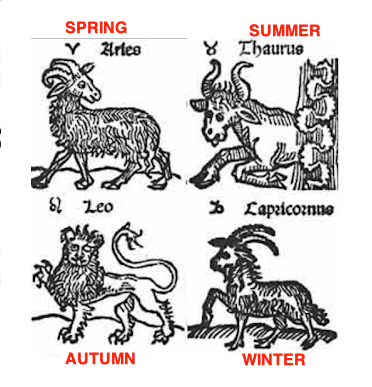
So Ea/Enki stand on one side of the empty irrigation canal, while Ishtar/Inanna stands on the other side of the canal. Holding bunch of dates...Why? Because Jul/Aug, when Lion (Autumn) kills (ends) Bull (Summer), is when you are supposed to start picking dates. I talked about this in my post "Lion killing bull under date palm"...
But why is Ishtar/Inanna, of all the gods and goddesses, the one holding dates? Cause she is also the goddess who likes posing on lions...You know, lion, Leo, Jul/Aug...Time to pick dates and such stuff...
But why is she posing on lions? Cause she is Sirius, the star who when this seal was made, was rising before the sun In Leo, pretending to be "the morning star"..."The queen of heaven"...I talked about this heavenly girl in my post "Ninshubur"...
And here we come across one thing that is out of place on this seal...The lion...The lion should stand between Ishtar and the dude with the bow and arrow...But I guess they put it where they put it so that they can fit it under the end inscription...
Why do I think that lion should be next to Ishtar/Inanna? Well, Leo, marks the beginning of the main mating season of the Eurasian lions, which spans the whole of Autumn (Aug/Sep/Oct)...
Which is why lion was in the past the symbol for this season, just like bull was the symbol of summer (May/Jun/Jul). I talked about this in my post "Symbols of the seasons"...
As autumn, the lion season, starts in Leo, Jul/Aug, when Shamash/Utu is busy chopping reeds in canals and Ishtar/Inanna is busy picking dates, Lion should be next to the Ishtar/Inanna's side of the dried out irrigation canal...
Autumn is the time of droughts in Mesopotamia...Which is what the bare tree next to Ishtar/Inanna represents...The time of the year ruled by Nergal, the destructive sun, who was symbolised by a lion, or man lion. I talked about him in my post "Winged superhuman hero"...
This season of death ends when the first rains arrive...And these rains are brought by Ninurta/Ningirsu...The old storm god, the old god of rain...The same guy, depicted here with a bow, killing the blazing sun...I talked about him in my post "King killing Angra Mainiu"...
Did you know that in Sumerian myths, Ninurta/Ningirsu, the archer rain god who is armed with a bow and arrow wears a rainbow as his crown/tiara...Of course, cause the only time you would see a rainbow is when it rains...
By the way, the rains arrive to Mesopotamia in Oct/Nov...And right after the first rains is when the plowing and sowing of the grain fields takes place...Which is why it is Ninurta/Ningirsu who is depicted on this seal giving people a plough...
He is sitting on a throne, behind which we can see a mountain and an ibex goat. Why? Because in Mesopotamia, ploughing is done after the first rains, which arrive in Oct/Nov, when Ibex, Goat of rain, climbs to the mountain tops and starts mating...
Which is why Ibex goat became the most depicted and respected animal in Mesopotamia...I talked about this in my post "Goat carrier"...
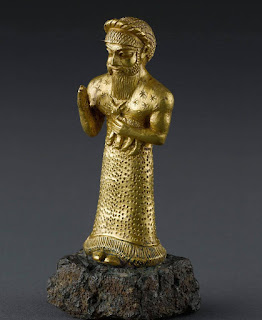
So if we know that autumn (Aug/Sep/Oct), the lion season, starts with Ishtar/Innana and Shamash/Utu in the form of Nergal, and ends with Ninurta/Ningirsu, then lion on this seal should have been depicted between Innana/Ishtar and Ninurta/Ningirsu...
But sometimes I wonder if the makers of these seals really knew what they were depicting, or were they copying already ancient, by then to them meaningless images...
Sooo, that's it...
Hey!!! What about the Two-Faced Usimu, the attendant of the god Ea/Enki...
Ahhh yes...This is the really cool bit...🙂 As opposed to all I said so far
To figure out what he represents, lets order all the calendar markers on the solar year from right to left:
1. Ea/Enki (Apr/May)
2. Shamash/Utu and Ishtar/Inanna (Jul/Aug)
3. Ninurta/Ningirsu (Oct/Nov)
And Usimu, the attendant of Ea/Enki is the one that stands before the god Ea/Enki, the one that introduces you to the god Ea/Enki...
So who is he? What does he represent?
As I said already, all the thinks depicted on this seal are calendar markers. and Usimu is not an exception...
Now remember this dude? The two faced Janus. The guy that at the same time looks to the past and to the future...The god of the new beginnings and of the new year! I talked about him, what his deeper meaning is, and his strange name in my post "Janus"...
Usimu is also two faced...Could he be the calendar marker for the new year???
Mesopotamian New Year, fell within the month called Nisan which covered the period Mar/Apr...
Let's see: Mar/Apr (Usimu) is just before Apr/May (Ea/Enki)...So Usimu indeed stands before Ea/Enki...He indeed introduces us to Ea/Enki. I mean this is IS really cool. The idea of the two headed god of new year, Janus, actually existed in Mesopotamia in the 3rd millennium BC...
He is indeed a calendar marker too...And a calendar marker which is correctly chronologically placed on the Adda seal before Ea/Enki...Which makes this seal absolutely incredible...Everything fits, everything conforms to the calendar marker theory...Apart from the stupid lion 🙂
Sooooo...That's it...From right to left:
1. Usimu (Mar/Apr)
2. Ea/Enki and his menagerie (Apr/May)
3. Shamash/Utu and his knife and Ishtar/Inanna and her figs (Jul/Aug)
4. Ninurta/Ningirsu and his bow (Oct/Nov)
True gem indeed...
I hope you enjoyed this...I know I did...
PS: I wonder if @britishmuseum guys will consider changing the seal description after this thread? I doubt it...


.jpg)






.jpg)

.png)