Showing posts sorted by relevance for query date palm. Sort by date Show all posts

Monday, 4 March 2024

Date beer

A late 3rd millennium BC seal found in the Hurian city of Urkesh located in northeastern Syria. Pic from "Dal profondo del tempo" by Giorgio Buccellati, one of many great Urkesh related resources found on urkesh.org... 


What does it mean?

In the article we read: "...a representation of an act of worship. The two attendants, or priests, they just cut off the head of a young bull. The one on the left still holds the knife in his hand, while the one on the right holds it suspended the animal for the hind legs..."

"...The bull's head is placed at the base of a small palm tree trunk, with a jar on top...Does the seated woman mix something in a container - the blood of the sacrificed animal? "

What I think is depicted here is indeed an act of worship. Of alcohol...And Ishtar...Yes I think that is Ishtar sitting on that throne next to the date palm tree trunk...

You can read about the link between Ishtar and the date palm tree (the Mesopotamian Tree of Life) in "Western Asiatic Tree Goddess" by Irit Ziffer...

Here is one of the artefacts cited in this paper that shows this link between Ishtar and date palm. An Akkadian seal depicting Ishtar sitting on her lion throne, with worshippers standing in front of her, while people at the back are shown harvesting dates...


This seal can be found in "Die Entwicklung der Glyptik während der Akkad-Zeit" by Boehmer, R. M. published in 1965. 

But what does this mean? What is the actual link between date palms and Ishtar...

Enter animal and plant calendar markers...

There is this girl, Inanna/Ishtar, who loves standing on lions? Why does she do this? 


Well...standing on a lion means "In Leo"...(Jul/Aug)...

And you know how everyone thinks that Inanna/Ishtar "The queen of heaven", "The morning star" is Venus...Well, when this "mythology" was developed, Sirius rose before the sun, in Leo (Jul/Aug), pretending to be "the morning star"...I talked about her in my posts "Ninshubur", "Inana and Šukaletuda", "Under the blazing Sun Sirius"

In "A hymn to Inana as Ninegala" we can read "Inana, great light, lioness of heaven..." 

Why is she "lioness of heaven"? 

This, combined with Inanna's obsession with standing on lions only makes sense if she is Sirius, rising with the sun in Leo...

Leo here has nothing to do with constellation Leo...Well it didn't originally...Leo (Jul/Aug) marks the beginning of the main mating season of Eurasian lions...
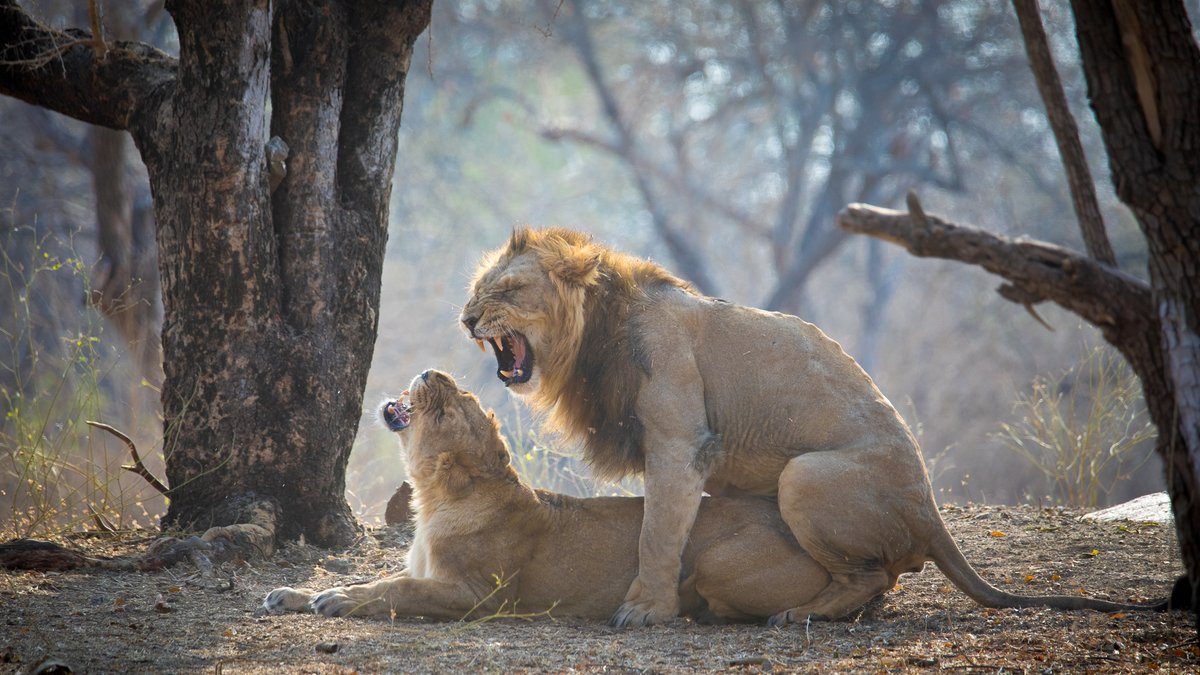


What does this have to do with date palms? When Leo (Jul/Aug) marks the beginning of autumn (Aug,Sep,Oct)...Which comes after summer (May,Jun,Jul)...Summer which starts in Taurus (Apr/May)...Hence Bull as symbol of summer and Lion as symbol of autumn...I talked about this in my post "Symbols of the seasons"...

Date harvest season starts in Jul/Aug...In Leo...When Ishtar stands on lions (Sirius rises with the sun in Leo)...

When lion (autumn) kills (ends) bull (summer) it's time to harvest dates. You can read my analysis of this seal in "Lion killing bull under date palm"... 
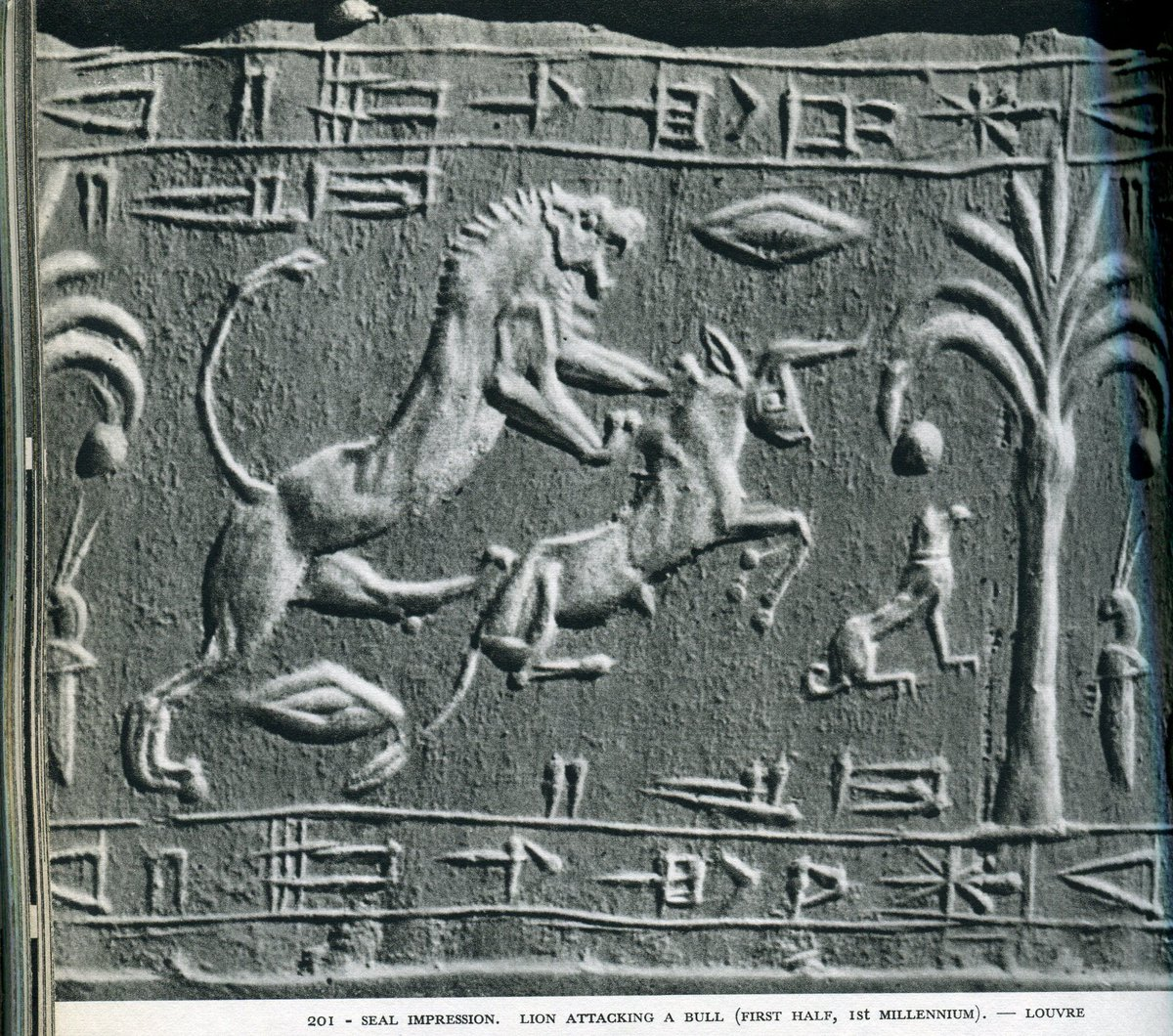
Taurus here has nothing to do with stars...It originally marked the beginning of the calving season of the Eurasian wild cattle (Apr/May)...I talked about this in my posts "Ram and bull", "Foundation peg of goddess Nanshe", "Cow and calf ivory"...

So the dates are harvested when the bull of summer dies...Hence the dead bull, from whose head a palm tree grows...Did Hurians marks this time of the year by actual bull sacrifices, I don't know. I personally think that this is a symbolic way to depict "the end of summer"...

Ok so we now know what the link between Ishtar and date palm tree and dead bulls is...But what is Ishtar mixing in the pot depicted in front of her? And why is there another pot depicted standing on top of the date palm tree trunk?

To find the answer to this questions we need to turn to drink...I am currently drunk, so it is fitting that I am writing about drink...

When you mention booze in ancient Mesopotamia, everyone thinks of beer, made from grain...

But there was another alcoholic beverage which was very popular in Mesopotamia, and which Sumerians called "The Juice of Life"...You can read about this in "The Date-Palm in Antiquity" by Paul Popenoe

We don't know how this drink was made. But we know that there are two different date alcoholic beverage: the date fruit drink and the date sap drink, so The Juice of Life is one of these two...

Date sap is tapped by cutting into the terminal bud and running the sap through a spout into a clay vessel. Around 10 litres of sap can be collected per day. And it takes about 6-8 hours to ferment the juice into 4%-5% alcoholic beverage...You can read about this in "Dates: Production, Processing, Food, and Medicinal Values"...

This drink is made throughout date growing regions of Asia and Africa even today. The sap can be extracted out of the tree year round, although the best time to do it is during dry season. Which in Syria is Apr/May - Oct/Nov...


But that doesn't match "the death of the bull of summer" animal calendar marker depicted on our seal...And would not explain what Ishtar is doing with the pot in front of herself...

Let's see how the date fruit drink is made...

In "Date beer: brew it like the ancient babylonians" we can read that: 

"...Although the research literature tends to call date fruit drink “beer”, the beverage is actually closer to cider. It is produced from fruit and water and fermented using natural yeast in the dates..."

...The ancient Mesopotamians themselves have not provided us with an actual recipe for brewing date beer. However, we have a date beer recipe from antiquity, recorded by the pharmacologist Dioscorides in the first century CE..."

"...According to Dioscorides, date beer was brewed using crushed dates and water which were put into a cask and let ferment for ten days. On the eleventh day, the beverage was ready to be consumed..."

And so what I think is depicted on the Hurian seal is Ishtar (or whatever they called Goddess of the Palm Tree) pounding date palm fruit in a mortar with a pestle...Date fruit which is harvested "after the bull of summer dies"...

In order to produce date palm "Juice of Life" which is symbolically depicted by the beer drinking pot placed on top of the date palm trunk, where date fruit is found, symbolically depicting "the beer made out of the fruit of the date palm"...

Here is another seal from "Die Entwicklung der Glyptik während der Akkad-Zeit" by Boehmer, R. M. published in 1965 showing a seated god(?) drinking sitting under a date palm tree...Indication that what is being drunk is a date drink? The Juice of Life?

That's it...What do you think? All makes sense now?

To read more about ancient animal and plant calendar markers, start here…then check the rest of the blog posts related to animal calendar markers I still didn't add to this page, and finally check my twitter threads I still didn't convert to blog post...I am 9 months behind now...

Wednesday, 6 May 2026

Sabean bulls and lions

Copper plaque showing date palm full of dates, growing out of a lion standing on a pedestal. Dedication to the south Arabian moon god Almaqah, Sabaean, 1st c. BC - 2nd c. AD. British Museum. Date palm harvest starts in Leo...Jul/Aug 🙂 More in: https://oldeuropeanculture.blogspot.com/2021/10/lion-killin-bull-under-date-palm.html

I posted this a while ago and came across it yesterday while looking for something and while rereading it I noticed that the plaque was dedicated to the Moon God...

Veneration of the Moon God came to Arabia from Mesopotamia/Iran where Moon God Sin was the most important god of the pantheon. I explained why in my article "Mon good Nana Sin" about this amazing 2294-2270 BC Old Akkadian Cylinder Seal. This is an amazing seal, because it confirms something I suspected for a while, but wasn't 100% sure until now: why was the moon god so important to the people from Ancient Mesopotamia...

In short, for the lazy ones, I postulated that the god Sin was the god of the "Wet moon", upward pointing crescent moon, the moon of the wet, cool, half of the year (rain season) in Mesopotamia, Oct/Nov-Apr/May...

This is symbolically depicted using animal calendar markers on this Neo Babylonian, 625-539BC, blue chalcedony pyramidal stamp seal with a goat-fish with a rhomb before it and a crescent moon above it. I presented the fool symbolic analysis of this seal in my post "Chalcedony seal"...


For the lazy ones, Goatfish, the sacred animal of Enki, is a complex animal calendar marker for the wet season in Mesopotamia...Between the mating season of wild goats and the mating season of giant Mesopotamian carps...I talked about this in my post "Goatfish"...


Rhomb symbolises the womb of the Mother of Grain (Inanna/Ishtar) which produces food when "the seed of the Sky Father" (rain) fertilises her. I talked about this in my post "Rhomb"...


Rhomb is also a symbol for a date fruit. Date harvest season starts in Jul/Aug, in Leo, when Lion (autumn) kills (ends) Bull (summer) and lasts until Oct/Nov. I first encountered this symbol when I talked about date harvest in my post "Lion killing bull under date palm", but at that time I didn't know what rhomb means...

And Inanna/Ishtar was directly linked to the date palm precisely because the date harvest started in Jul/Aug, Leo...I will explain why later...

The rain season in Saba peaks in Jul/Aug, in Leo...Which was also the time when Sabaeans made pilgrimages to Almaqah's temple in Ma'rib to ask for his blessing of water...

Here is something interesting: Almaqah is commonly considered a moon god, but apparently that is not cool any more, at least according to Britanica:

"Garbini and Pirenne have shown that the bull's head and the vine motif associated with him [Almaqah] may have solar and Dionysiac attributes..."

"...He [Almaqah] was therefore a male counterpart of the sun goddess Shams / Ishtar / Isis, who was also venerated in Saba, but as a tutelary goddess of the royal Egyptian dynasty".

Eeeee???

Istanbul, Museum of the ancient Orient. Relief showing the standard bucrania with stylised greenery between the horns, two dragons and the desired result of the myth and its ritual, that is, the transformation of the sacrificed bull into sprouting vegetation/fertility...


Eeeee??? 

In ancient South Arabia, Almaqah, the moon god, was associated with bulls, which were considered sacred animals. Bulls were offered in sacrifice, and their heads "were linked to Almaqah's worship".

No one of course has any idea why and how...

Now look at this: As I said already, palm tree is a plant calendar marker for Jul/Aug, when Lion (autumn) kills (ends) Bull (summer). 

What is the best way to depict a dead bull? I guess like this: A Roman mosaic featuring a lion with the head of a bull, found on the floor of one of the Terrace Houses at Ephesus, Turkey...

I already talked about the meaning of the bull head in combination with a palm tree in my article "Date beer" about this 3rd millennium BC seal found in the Hurian city of Urkesh located in northeastern Syria..


Now remember Sabaeans made sacrifices to Almaqah in Jul/Aug, in Leo...When rains arrive to Yemen. Rains that make plants grow out of the cut off bull's head...

Oh, and grapes harvest in Yemen starts in Aug...After the bull's head is cut off...

BTW, those dragons depicted on both sides of bull heads. They are not there randomly. Jul/Aug, Leo, is the time of fire breathing dragons...Since (at least) Sumerian times. I talked about this in my post "Seven headed dragon", in which I explained why the dragon depicted on this Tell Asmar seal, dated to 2200 BC, has lion body and 7 snake heads.

For the lazy ones, cause snake is the symbol of sun's heat, there were 7 summer months in Mesopotamian calendar, and the hottest part of summer was Jul/Aug, Leo...

I talk about dragons in various Eurasian mythologies in many of my blog articles...

As for Ishtar (and her twins from Arabia and other parts of Eurasia), she is also associated with lions...I talked about it in my post "Silver seal from Gonur Tepe" in which I talk about this cool Silver seal from Gonur Tepe, Turkmenistan, dated to late 3rd-early 2nd mill BC. Depicting a winged goddess riding on a lioness...

For the lazy ones, Ishtar was the deified Sirius, which rises with the sun (morning star) in Leo, Jul/Aug, the hottest time of the year. Which is why she is depicted standing on a lion with the sun above lion's head and is known as "The Lioness of heaven"...


I wrote many articles where I explained why "The morning star" is Sirius and "morning star" is Venus and how they are related and how they differ and why Inanna/Ishtar was originally definitely Sirius. You can start with "Sirius the mother of Venus". 

For the lazy ones, you know how everyone thinks that Inanna/Ishtar (Morning Star) is Venus and how I think that it was originally Sirius, and only later became Venus?

Well, it seems that Ancient Egyptians preserved the proof of this switch in their myths about Sopdet:


Sopdet, the personification of Sirius, was the consort of Sah, the personification of Orion. And their child was Sopdu, the personification of Venus, "Lord of the East" (Venus as morning star)....

For the Ancient Egyptians, the most important annual event, annual flood, which irrigated the land made it fertile, was linked to lions and lionesses...And Sirius...

I talked about this in my articles "Sphinx" and "Giza lioness" in which I give full symbolic analysis of the Sphinx mythology and its origin as Leo, animal calendar marker for Jul/Aug, the start of the peak of the Nile flood... 

All in all, very interesting...And suddenly few things I looked at before now make a lot more sense. Like this fresco from the house of M. Gavius Rufus in Pompei. The ruling Dionysus with the thyrsus, with Apollo/Helios in corona radiata, Aphrodite and other deities...

With dead bull's head, bucrania, at his feet...When does the grape harvest start in Greece/Italy? In Aug...After the bull's head is cut off...

And this 2nd c. AD Roman mirror of the goddess Diana from Art Institute, Chicago, depicting Diana sitting on a rock before a garlanded altar with a small herm, her quiver nearby...And chained bucrania which everyone seems to ignore cause they have no idea what to make of it...

Diana is Roman version of Artemis, the TWIN sister of Apollo. They are both linked with lions and Leo, Jul/Aug...When Lion of autumn kills the bull of summer. Hence the dead bull's head...

Apollo is directly linked with lions and sun in Leo, Jul/Aug. As a matter of fact Jul/Aug was the month dedicated to Apollo. 

IONIA. Miletos. Circa 340-325 BC. Drachm. 

Front: Laureate head of Apollo. 

Back: Lion with eight-pointed star above

This coin confirms my hypothesis that Apollo was Sun in Leo...Basically, Greek version of Mesopotamian Nergal...

I explain why this is the case in these articles:

1. "Palil". About "Palil" a nickname of Nergal, the terrible, burning, destructive sun of Jul/Aug, Leo...And about the origin of the name Apollo and its meaning...

2. "Lord of the flies". About Nergal and Apollo as "The lords of the flies"...And about Jul/Aug, Leo, being the peak of the fly and fly born diseases season in Northern Hemisphere...

3. "Lions of Delos". About the Lions of Delos, the burning destructive sun in Jul/Aug, Leo, and the fact that both Nergal and Apollo are linked to lions. 

4. "Apollo and dolphins". About Jul/Aug, Leo being the "best time to sail in Eastern Mediterranean", and the link between dolphins and Lions...and Apollo...

5. "Marble throne of Apollo". About snakes (symbols of sun's heat), dragons (symbols of burning sun's heat) and terrible sun gods, Nergal and Apollo who are dragons themselves...

6. "Apollo and Python". About why Python followed Apollo after his birth? Cause snakes are solar animals...According to the Delphian tradition, Apollo was born on the 7th day of the month of Bysios (Jan/Feb)

7. "White raven". About the black and white raven legend which is found in both Nergal and Apollo mythology, Egyptian vultures and the twins that guard the gates of hell. And some other weird stuff...

8. "Threshing floor of Apollo". About the threshing floors as solar observatories/temples, about the threshing floor of Apollo from Delphi, about Jul/Aug, Leo, being the holy month of Apollo, and about solar bonfires...

9. "Apollo the great archer". About why Apollo was the terrible "far shooting" archer...About arrow and bow constellation from Mesopotamia, Ishtar, Sirius, and Jul/Aug, the season of Perseid meteor shower...

10. "Apollo Sminthius". About Apollo his arrows that cause plague and peak infectious diseases season, Jul/Aug

11. "Apollo - Resheph". About how the transformation of Nergal into Apollo went through an an intermediary, Syrian god Resheph...

Artemis, the Greek Ishtar, was also linked with lions and was even called "lioness among women" by Hera. 

Boeotian stele, 7th c. BC, representing a "Potnia Theron", (Sketch) Athens, National Museum. Pic by Julianna Lees. 


I talked about this in my article "Silver seal from Gonur Tepe" and in the articles linked from it...

Anyway, that's it for today. I hope the above Sabaean artefacts now make a bit more sense...

If you are interested in reading more about ancient animal and plant calendar markers, which are at the root of all our mythologies, start here…Then check my twitter threads I still didn't convert to blog post...I am way way behind...

Saturday, 19 April 2025

Mohenjo-Daro boat tablet

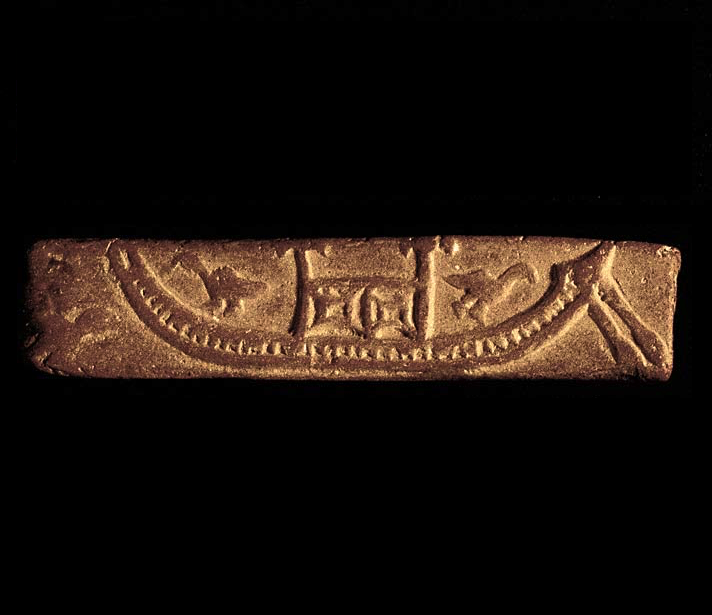
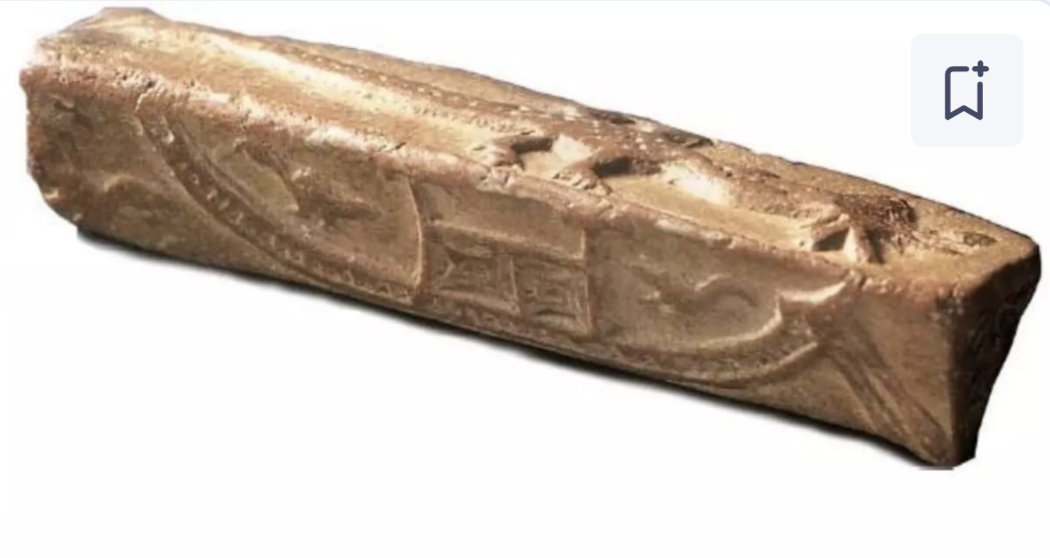
Mohenjo-Daro tablet, 2500–1750 BC, currently in the National Museum, New Delhi. It depicts a flat bottomed river boat with a central hut, "possibly carrying land-seeking birds for navigation". Land seeking birds? On a river boat? 

Can I propose another interpretation?

I would suggest that this is a symbolic depiction of the Indus Valley Flood season, Jul/Aug/Sep...And this symbolic depiction uses the same symbols, including animal and plant calendar markers, used in Mesopotamia of the same period, with the same meanings...Indicating what?

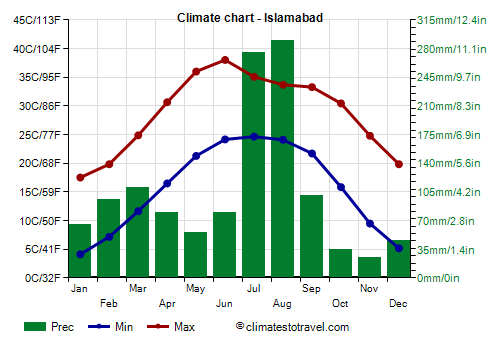
The water level of the Indus river rises from Feb/Mar, peaks in Jul/Aug, falls until Oct/Nov...Chart from this article.


So I would suggest that the boat here symbolically depicts the Indus River flood which happens in Jul/Aug/Sep, during the monsoon season...

WHY BOAT AS SYMBOL OF FLOOD!?!?!? 

In Mesopotamia of the same period, boat was linked to Enki, the god of fresh water and annual flood. I talked about this in these posts: "A person in a little boat", "Feast plaque from Louvre", "Problems of Abzu", "Rain and flood", "Enki's little boat"


I think that this boat is a symbol for Indus River flood, which happens in Jul/Aug, is confirmed by the fact that the central hut has what look like date palm trees for corner beams...

Here is another tablet from Mohenjo-Daro (ca. 2300 BC) which shows the same kind of boat with the same kind of palm hut, where palms are more recognisable....

The two boat images are from harapa.com, great resources for Indus Valley artefacts

Evidence of dates cultivation is continually found throughout later civilisations in the Indus Valley, including the Mohenjo-Daro period from 2600BC...

The date harvesting season in Pakistan, including Indus River valley, is...Jul/Aug/Sep...

Palm tree as a plant calendar marker for Jul/Aug in Mesopotamia. Date harvest season starts in Jul/Aug, in Leo, when Lion (autumn) kills (ends) Bull (summer) and lasts until Oct/Nov. Rhomb is a symbol for a date fruit. I talked about this in my post "Lion killing bull under palm tree"...

Palm tree as a plant calendar marker for Jul/Aug in Arabia:

Copper plaque showing date palm full of dates, growing out of a lion standing on a pedestal. Dedication to the south Arabian moon god Almaqah, Sabaean, 1st c. BC - 2nd c. AD. British Museum. Date palm harvest starts in Leo...Jul/Aug 🙂 

Palm tree as a plant calendar marker for Jul/Aug in Elam:

Elamite seal (Iran), ca. 11th–9th century BC. Met Museum, with description: "Cylinder seal with monster" 😞 Of course this is no monster. It's a lion, marking Leo, Jul/Aug, date palm harvest. I talked about this in my post "Cylinder seal with monster"...

See the Shamash cross above the lion? I talked about this solar symbol in my post "The cross of Shamash"...

Back to our boat tablet from Mohenjo-Daro. The two birds facing the opposite directions. 

They are symbols of migratory (water) birds and their spring northward (starts in Feb/Mar, water level starts rising) and autumn southward (ends in Oct/Nov, water level stops falling) migrations. You can read about bird migration in Pakistan in this article...

In Mesopotamia of the same period, migratory gees were linked to Nanshe, who, like her father, was heavily associated with water and the flood...

Third Dynasty or Ur plaque depicting goddess Nanshe with geese. 

In Sumerian mythology, Nanshe was the daughter of Enki (god of water) and Ninhursag (earth goddess). Why was Nanshe depicted with geese? Animal calendar markers...I talked about this in my posts "Nanshe" and "The foundation peg of the goddess Nanshe"...

But, but...How can we be sure that all these symbols describe Indus River in Jul/Aug and not a ship used by Meluhha (Mesopotamian name for Indus Valley) people to navigate from Indus valley to Mesopotamia? Which is what most people think this image depicts...

Cause most people have never seen the actual object from which this "tablet" (actually a panel) is part of. Here it is. It is a three sided prism, not a flat tablet...

And the three panels depict

1. The boat with birds whose meaning we just analysed

2. Gharial, the only Indian river crocodile which only eats fish...VERY IMPORTANT!!!

3. An inscription in the Indus Script, no idea what it means

Why is Gharial so important? Cause it is a RIVER crocodile, and also an animal calendar marker for Jul/Aug, peak of the monsoon season.

These, and Indian other river crocodiles, hatch right at the start of the monsoon season, and the beginning of floods...

Which is why Varuna, the old Monsoon god, rides on a crocodile/Makara...


I talked about this in my posts "Makara" and "Yakshi"...

This crocodile was already used as animal calendar marker for Monsoon season in the Indus Valley during Mohenjo-Daro period. 

Is this depiction not of a male warrior but of a female warrior, a Warrior Goddess actually, a Proto Durga, the killer of the buffalo Asura who scared the Devas shitless? From the post "Proto-Durga" with the analysis of this 3rd mill BC Harappan tablet...


That's it. What do you think? To read more about ancient animal and plant calendar markers, start here…Then check my twitter threads I still didn't convert to blog post...I am way way behind...