Friday, 23 August 2024

Minoan dolphins fresco

This is the famous Minoan "dolphins fresco" from Knossos, Crete, dated to 1500BC...

Why is it important do determine what type of dolphins were depicted on this fresco? 

Spoiler: animal calendar markers...πŸ™‚

In my post about the strange dolphin attacking ibex goat Minoan seal, I talked about different types of dolphins that live in Mediterranean sea

Here they are again...


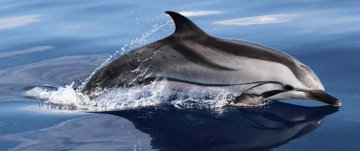
So which one of these dolphins was depicted on the above Minoan fresco? I would say that we can pretty much immediately discard the Bottlenose dolphin because of the color...

The other two look quite similar. But if we look at the central line, on the dolphins depicted on the fresco, we can see that the only dolphin that has the same feature is the Stripped dolphin.

Add to that that the Stripped dolphin is the most abundant dolphin species in the Mediterranean, I think that the dolphins depicted on the Minoan fresco are the Stripped dolphins.

Yeeeey! Now what?

Well as I said in my post "Minoan spring fresco" about the Minoan swallows fresco, these animal depictions should be treated as animal calendar markers...

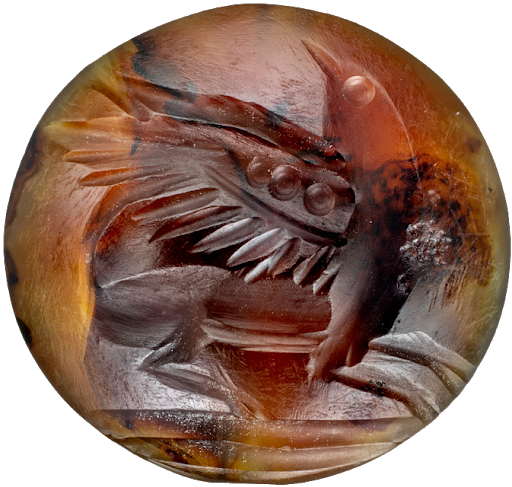
Well, here is a very interesting Minoan sealstone discovered at Akrotiri, Thera, and dated to the 18th c. BC. It depicts a griffin suckling a dolphin...


The pic of the seal is from "Thera, Pompeii of the Ancient Aegean" by Christos Doumas. 

The pic of the seal drawing is from "Minoan Sacrificial Ritual" by Nanno Marinatos.

The author of the "Minoan Sacrificial Ritual" paper says this about this seal: "The dolphin's speed, size and intelligence must have impressed Minoans who attributed special powers to it and made it companion to the divinity in similar manner as the lion and the griffin..."

Hmmmm...Is there anything else that could connect dolphins, lions and griffins...Could these all be animal calendar markers pointing a the same time of the year maybe?

I think so...Animal calendar markers mark the time when the depicted animal either mates, gives birth or rarely, migrates, goes to hibernation...

Let's check our real and imaginary animals mating seasons... πŸ™‚

Have a look at this:

Common bottlenose dolphin (Tursiops truncatus) May - Aug, peak Jun/Jul

Short-beaked common dolphin (Delphinus delphis) May - Sep, peak Jul/Aug

Striped dolphin (Stenella coeruleoalba) Jul - Oct, peak Sep

So, the striped dolphin mates from beginning to the end of autumn (Jul/Aug - Oct/Nov)...Which means that it could be used as a calendar marker for beginning of autumn, Jul/Aug (beginning of its mating season) or for autumn in general (Jul/Aug - Oct/Nov)...


What about lions? I think we are in luck here...The main mating season of Eurasian lions starts at the beginning of autumn, Jul/Aug and spans the whole of autumn, (Jul/Aug - Oct/Nov)...
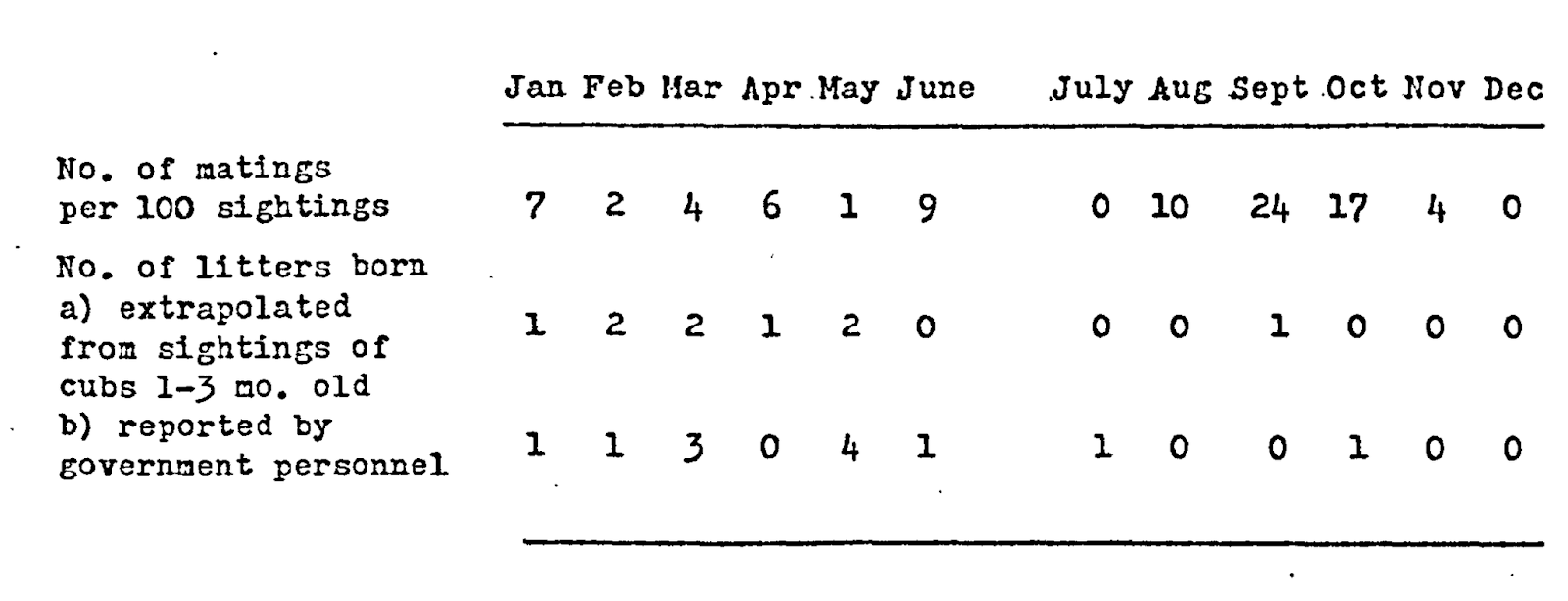

Which is why lion is used as an animal calendar marker known as Leo, which marks Jul/Aug. And why lion is the symbol of autumn in general (Jul/Aug - Oct/Nov)...I talked about this in my post "Symbols of the seasons"...

What about griffins? Eeeee, I can hear you say...Griffin!!! Mythical monster!!! Not a real animal...Actually griffin is not a mythical animal, but a complex animal calendar marker for autumn (Jul/Aug - Oct/Nov). Minoan griffin (there are different griffins)πŸ™‚


Minoan griffin consists of 

Lion, animal calendar marker known as Leo, marks Jul/Aug, cause the mating season of Eurasian lions starts in Jul/Aug...

Vulture, animal calendar marker known as Eagle, marks Oct/Nov, cause the mating season of Eurasian vultures starts in Oct/Nov
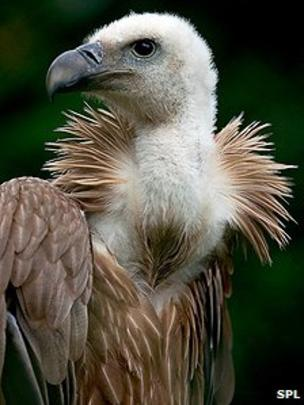
This is an ancient symbol for autumn, and I talked about it in my post "Origin of griffins" which contains symbolic analysis of this Proto-Elamite seal, dated to 3000 BC and depicting a griffin, followed by ibex goat, or goitered gazelle...


So all three of these real or imaginary animals can be used as animal calendar markers for autumn (Jul/Aug - Oct/Nov).

So why would Minoans care about any of this? I think Hesiod can answer this question. Writing in the 8th century BC, he says that:

"Fifty days after the solstice, 

when the season of wearisome heat is come to an end, 

is the right (best) time for men to go sailing"

This is at end of July beginning of August. In Leo...At the beginning of the mating seasons of lions and striped dolphins...And griffins πŸ™‚

This is the time when Romans celebrated the Neptunalia. Apparently the authorities are not sure why Romans celebrated Neptune at exactly that time of the year. I will let authorities ponder this further... 

Here I will propose that maybe Minoans also celebrated sea god in Leo...

Here is another amazing Minoan fresco. It is known as "Minoan Admirals Flotilla Fresco", and was found Akrotiri, Thera (Santorini) and was dated to c. 1613 BC. It shows a flotilla sailing out of the harbor as part of some kind of celebration...

This is a restored detail of this fresco showing the admiral's ship. You can see that the hull of the ship is decorated with lions and striped dolphins...Why? 

In "Minoan Sacrificial Ritual", professor Nanno Marinatos tries to explain this decoration like this:

"Let us now look at some representations where the dolphin can be designated as an aggressor by virtue of analogy, because it is shown together with other predatory animals. On the major ship of the fleet...there appear emblems of aggression: lions and dolphins."

"The association of the two would be problematic, were it not for the observation made above, that the dolphin is itself a hunter which makes it equivalent to a lion. Thus, the two animals represent aggression in two domains, the land and sea."

Hmmmmm, well you could argue that...But maybe these two animals are depicted together because this flotilla is part of the Minoan version of Neptunalia...Celebration of the Minoan sea god, whatever his name was...

Which takes place in Leo, at the beginning of autumn, at the beginning of the mating season of both Eurasian lions and striped dolphins...And griffins πŸ™‚ At the best time to sail the Mediterranean sea...

That's it. To read more about ancient animal and plant calendar markers, start here…Then check my twitter threads I still didn't convert to blog post...I am way way behind...

Thursday, 22 August 2024

Horned animal attacked by a dolphin

A very very strange Minoan seal. "Horned animal attacked by a dolphin". Seal now in Berlin. AGDSII, No. 57...

I came across this seal in the paper "Minoan Sacrificial Ritual" by Nanno Marinatos. Here is what she says about this remarkable object:

"The most surprising of all animals represented as predators [on Minoan seals] is the dolphin. Here we are not merely moving into the realm of the fantastic, but of the improbable as well."

"Because the dolphin, a marine mammal (certainly a fish in the Minoan classificatory system) is represented as actually attacking horned animals!"

"The paradox here is so blatant that scholars of Minoan art have tried to find alternative explanations and designate the dolphin as a fish-monster. Yet the evidence [that this is a dolphin] is unmistakable."

End of quote...

So how are we to understand this? Through animal calendar markers...I already talked about dolphin as a calendar marker for the warm, dry half of the year in Mediterranean in my post "Coin from Byzantion" about this coin:

THRACE, Byzantion C. 340-320 BC. Heifer standing on dolphin; trident head below raised foreleg...Why? Well it's all about climate which determines the sailing season in Eastern Mediterranean, and lifecycles of wild Eurasian cattle and dolphins...

The reason why dolphin became an animal calendar marker for hot part of the year, is because dolphin mating and calving season in Mediterranean spans period May-Oct. And because dolphin gestation is about 12 months, the birthing season overlaps with the mating season. Both mating and birthing take place in the shallows, and is therefore easily observable by people living and fishing along the coast. 

The mating periods for the three main dolphin types in Mediterranean are:

Common bottlenose dolphin (Tursiops truncatus) May - Aug, peak Jun/Jul

Short-beaked common dolphin (Delphinus delphis) May - Sep, peak Jul/Aug

Striped dolphin (Stenella coeruleoalba) Jul - Oct, peak Sep

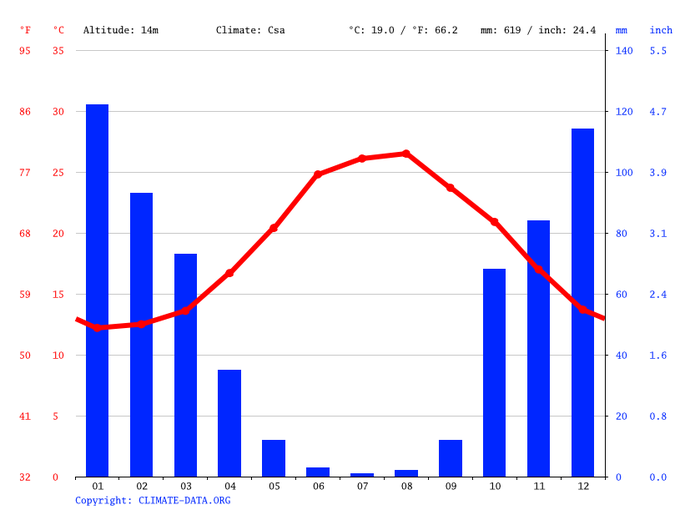
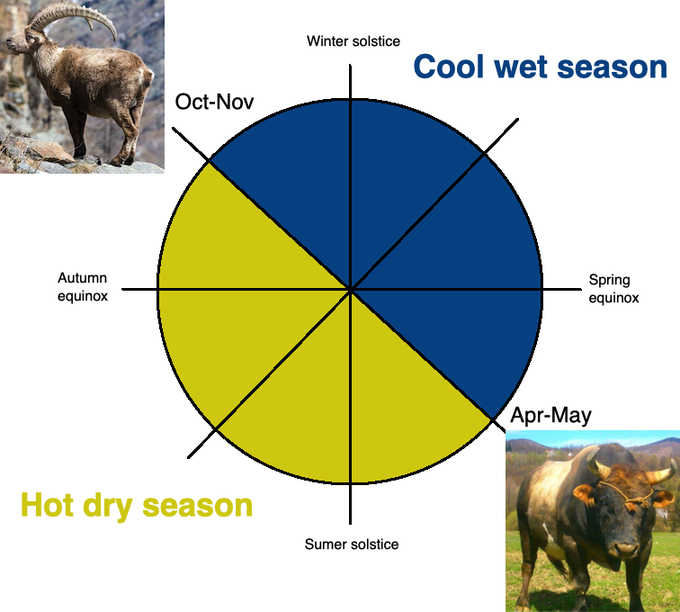
This is climate in Crete...The climatic year is divided into hot and dry half (Apr/May - Sep/Oct) and the cool and wet half (Sep/Oct - Apr/May)...

The beginning of the hot dry season coincides with the beginning of the calving of the wild cattle (Apr/May) and the beginning of the cool wet season coincides with the beginning of the mating of the wild goats (Oct/Nov)...


I talked about this goat/bull dualism in Minoan art in my posts: "Goat riding thunder god", "Minoan bull sacrifice", "Theseus ring"...

Anyway, because it looks like it is "the virile goat who brings rain", in Minoan Crete we find The Goat of Rain associated with winter, rain, water, vegetation and the tree of life...I talked about this in my post "Goat riding thunder god"...


This is also why we see Ibex goats depicted with vegetation growing out of their backs (actually out of the water which falls as rain and snow during winter which is heralded by the beginning of the Ibex mating season). I talked about this in my post "Theseus ring"...

I further talked about the link between ibex goats, mountains, Minoan mountain sanctuaries, winter, rain and water in my post "Sanctuary rhyton"..

This rhyton was discovered in the palace of Zakros, the most isolated of all the Minoan Palaces and was dated to 1550-1500 BC. The decoration on the rhyton depicts a "mountain sanctuary". Were these mountain sanctuaries centres of Ibex "goat of rain" cult? 


So...Back to the "dolphin attacking ibex goat (the horned animal is ibex goat)" seal. Knowing all this stuff now, how can we interpret this "crazy scene"?

The beginning of the hot dry season coincides with the beginning of the mating of the dolphins (Apr/May) and the beginning of the cool wet season coincides with the beginning of the mating of the wild goats (Oct/Nov)...


Dolphin, symbol for the hot, dry season (May/Oct) follows (attacks) ibex goat, symbol for the cool, wet season (Nov/Apr)...

That I might be onto something here can be seen from this other seal also found in the "Minoan Sacrificial Ritual" paper: 

"Horned animals, bucranium, plant and dolphin". Seal now in the British Museum. CMS VII, 111.

You can see how the two goats, two symbols of cool wet half of the year (Oct/Nov - Apr/May), which are linked with vegetation, are opposed by bull and dolphin, two symbols of the hot, dry half of the year (Apr/May - Oct/Nov)


Dolphins and bulls are linked together, just like on this coin:

THRACE, Byzantion C. 340-320 BC. Heifer standing on dolphin; trident head below raised foreleg...Why? Well it's all about climate which determines the sailing season in Eastern Mediterranean, and lifecycles of wild Eurasian cattle and dolphins...I talked about this in my post "Coin from Byzantion"...


Will write more about dolphins in Minoan art soon. 

In the meantime more Minoan and Mycenaean related articles: "Cornucopia", "Abduction of Persephone", "Painted eggs from Knossos", "Goats and partridges", "Saffron", "Origin of saffron"

Interestingly, this Ibex goat vs Fish/Bull symbolic dichotomy is also found in Mesopotamia...

I talked about this in my posts "Goatfish" and "Goatfish with ram head"...

And in my post "Feast plaque from Louvre"


That's it. To read more about ancient animal and plant calendar markers, start here…Then check my twitter threads I still didn't convert to blog post...I am way way behind...

Saturday, 17 August 2024

Minoan Bull Sacrifice

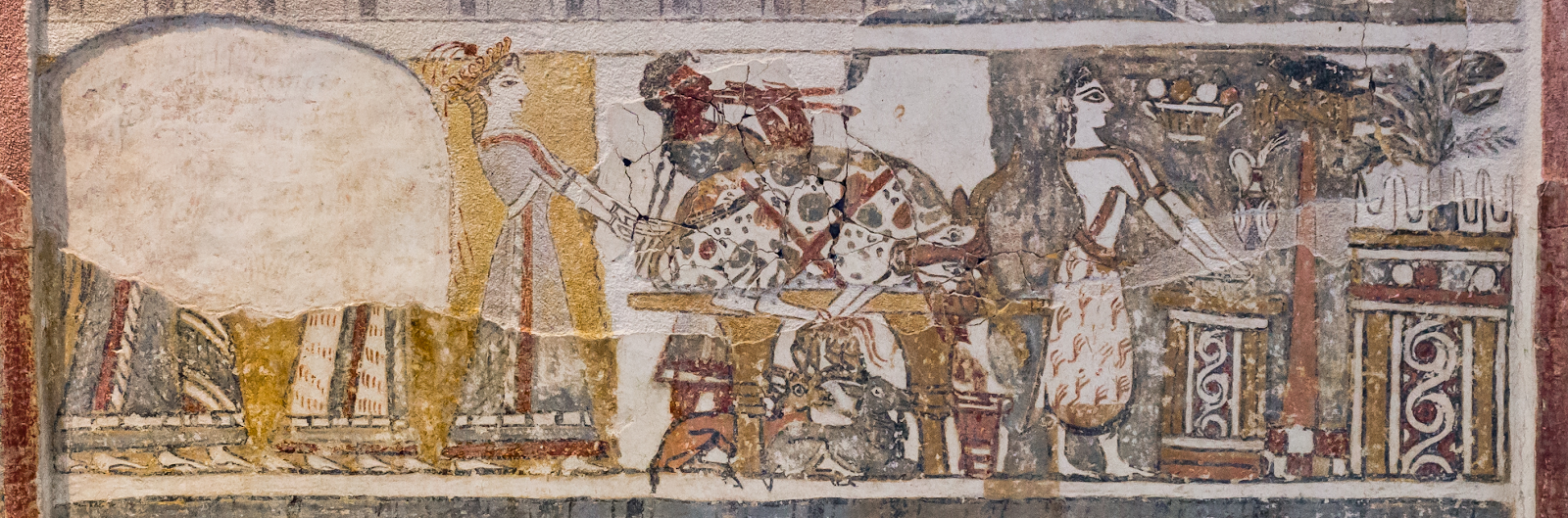
This is the bull sacrifice scene from the Minoan Hagia Triada Sarcophagus, a late Minoan limestone sarcophagus, dated to around 1400 BC, excavated from a chamber tomb at Hagia Triada, Crete in 1903 and now on display at the Heraklion Archaeological Museum, Crete, Greece.

As far as I know, all the scenes depicted on this sarcophagus are interpreted as "funeral offerings". This particular scene is interpreted as: "...an offering table on which lies a trussed bull...blood...coming from the bull’s neck and pouring into a vessel next to the table. Beneath the table are two small goats, possibly awaiting a similar fate..."


 "In some ways what we see on...sarcophagus is simple to understand: women and men...making sacrifices and preparing the deceased for burial before his tomb. However, looking more deeply, many questions remain. How is it to be read?"

So how indeed is this to be read? 

I personally don't think this is a depiction of a funeral sacrifice at all...Here is why: 

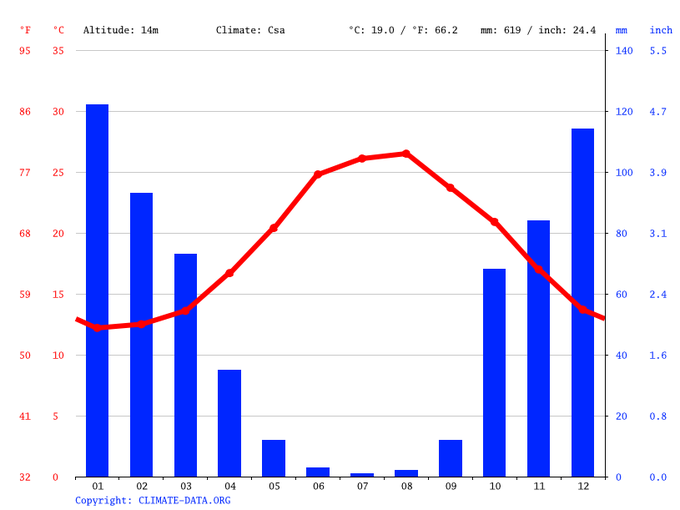
This is climate in Crete...The climatic year is divided into hot and dry half (Apr/May - Sep/Oct) and the cool and wet half (Sep/Oct - Apr/May)...

The hot and dry half starts when the calving of the wild Eurasian cattle used to start, so it's marked by animal calendar marker Bull...

The cool and wet half starts when the mating season of Cretan Ibex starts, so it's marked by animal calendar marker Goat...

So, does killing of the bull, with goats under the table, symbolise the end of the dry season and the beginning of the wet season? A very big deal in Crete...Hence all the leafy green vegetation at the altars everywhere...

The death of the bull brings the rebirth of nature...

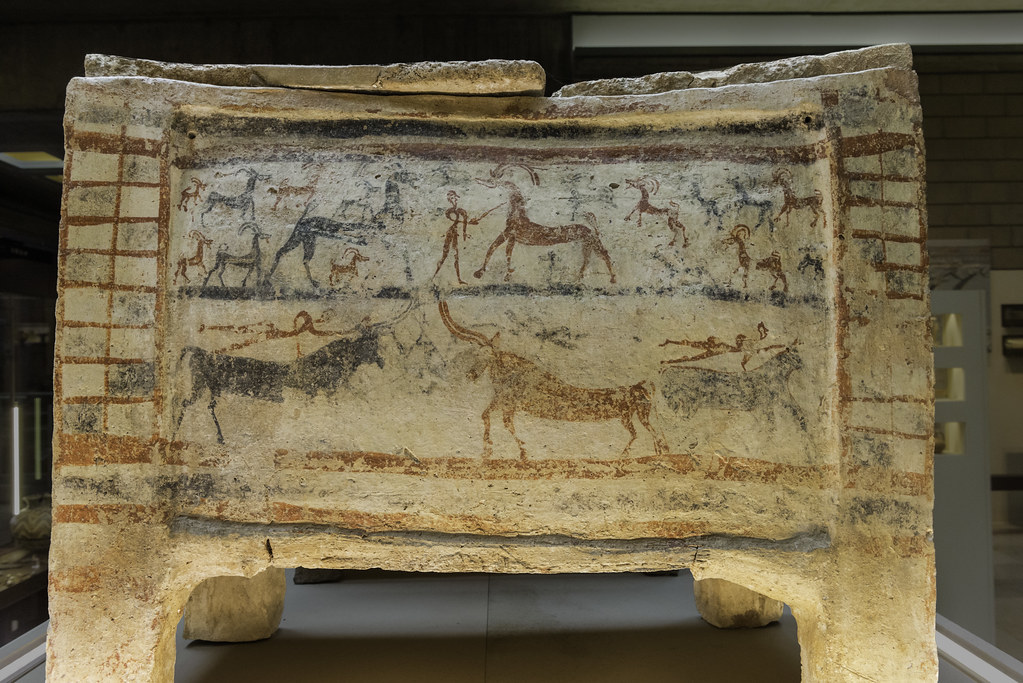
I first talked about the climate in Crete and goat and bull as calendar markers in my post "Goat riding thunder god". In this post I talked about this larnax, a type of small closed coffin, box or "ash-chest" often used as a container for human remains. It was found in Mycenaean Tanagra cemetery which was dated to 14th - 13th century BC...


And it was definitely developed under huge Minoan influence. This can be seen from the fact that the bottom part of the panel depicts bull leaping, favourite "past time" of the Minoans. I would say that this activity was a religious ceremony performed during the bull part of the year, summer. In the top panel we see Ibex goat hunt. I would say religious ceremony performed during the goat part of the year, winter.  The main question here is why was this panel divided like this? And why were these two scenes depicted separated like this?

I then talked about this bull/ibex duality in my post "Theseus ring" about two, officially, Mycenaean, but I think Minoan, rings, one depicting bull leaping and the other depicting a sacrifice made to an ibex. 


Now the priestess which performs the bull sacrifice stands in front of an altar which stands in front of a shrine topped with "bull horns of consecration" from which a tree (of life) grows. 

I talked about "bull horns of consecration" temples for the first time in my post "Sanctuary rhyton" where I analysed the scene depicted on the so called "Sanctuary Rhyton" from Zakros, Crete, Greece, dated to the Late Bronze Age, 1550-1500 BC.


The scene depicts a so called "Peak Sanctuary", a mountain top temple, one of many discovered on Crete, whose purpose and dedication is unknown. I proposed that this image actually explains that these mountain top temples were linked with the worship of the "goat of rain"...


You can see that the ibexes, whose mating, which takes place on mountain tops during the peak of the rain season on Crete, are depicted sitting on, what I proposed is, a cistern fool of water, depicted by swirling spirals. 

I talked about them as being the symbol for swirling, running, moving water in my post "Tuna boats" about Cycladic "frying pans".

Quite a lot of these Cycladic frying pens have depictions of boats as part of the decoration...Like this one...A boat depicted among the swirling spirals representing waves, or moving, running water...And right above the bow of the boat there is always a depiction of a fish...Which would suggest that Cycladic boatsmen were fishermen...

Now the same swirling spirals are depicted on the sides of the sacrificial altar and the shrine from the Hagia Triada sarcophagus...Swirling, running, water...


Do you see a jug standing on the altar? Jug with water? Holy, rain, water?

And do you see the basket of fruit above the altar? These could only be oranges, lemons, pomegranates...All winter, rain season, fruit...


Oh are these saffron crocus flowers depicted on the priestess's skirt? 


Like these depicted on a famous saffron gatherers Minoan fresco?


Like these depicted on the skirts of these figurines found in Knosos?


Saffron crocus flowers and is harvested at the beginning of the rain season in Crete...


Interestingly, between the altar and the shrine stands a pole with double headed axe topped by a bird...


In my post about the Mountain Sanctuary, I proposed that the depicted birds are migratory birds, which fly over Crete southward just before the beginning of the rain season, and fly over Crete northward just after the end of the rains season. Thus serving as animal calendar markers for the rain season. 


Now no one knows what the double axe means in Minoan context. We know that it was an important sacred symbol, but not what it meant. But in contemporary Levant and Anatolia, double axes were symbols of the thunderbolt. The double-axe is associated with the Hurrian god of sky and storm Teshub and his Hittite and Luwian counterpart Tarhun. Both are depicted holding a triple thunderbolt in one hand and a double axe in the other hand.

For instance


I talked about this Ugarit seal in my post "Mystery seal"...

So, I would say that the bull sacrifice scene from the Hagia Triada sarcophagus suggest that the Minoan double axe topped by a bird, next to a mountain sanctuary shrine is also a symbol of thunder and rain.

But, I can hear archaeologists shouting, in Crete the double axe only accompanies goddesses, never gods...

Well, If you read my posts about Minoan culture and religion, you will see that I have linked goddess to the rain season (winter, cool, wet, yin, female, goat) and god to the sun season (summer, hot, dry, yang, male, bull)...

Here are these articles, check for yourself: "Goat riding thunder god", "Sanctuary rhyton", "Cornucopia", "Saffron", "Origin of saffron", "Theseus ring"...

So the double axe can be a symbol of thunder and rain and be associated with goddesses only...

A sacrifice of a bull (summer, hot, dry, yang, male) to the double axe (thunder and rain)  standing in front of a shrine symbolising a mountain (goat of rain) sanctuary from which a tree of life grows, now makes a lot of sense...Right?

BTW, I don't think the goats are going to be sacrificed...They are not tied...

That's it. To read more about ancient animal and plant calendar markers, start here…Then check my twitter threads I still didn't convert to blog post...I am way way behind...

PS: I just looked at the other 3 sides of this sarcophagus. There is a lot more to be said about it. Soon.