Showing posts with label Pan. Show all posts

Monday, 29 July 2024

Fighting men in hairy trousers

Fighting men in hairy trousers from Guimiliau Church, Brittany. A short article about the evolution of my idea of how God Pan was created...

When I first saw this relief, I immediately thought that these guys were shepherds wearing trousers made from sheep or goat skin. Like the ones this shepherd is depicted  wearing on a medieval fresco from Serbia. 

"Racka" (pronounced "ratzka" meaning Serbian, from medieval name for Serbs: Raci) sheep depicted on the fresco called "The birth of Jesus" from the Serbian monastery Pećka patrijaršija c. 1346...I talked about this type of sheep in my post "Racka sheep"...

Shepherds from Eastern Serbia, 20th Century, still wearing the same trousers...

But then someone pointed to the fact that the two hairy legs dudes from Brittany actually seem to have hooves...So then I started wondering were these really just shepherds, or...

So I remembered how in my post "Pan" I asked: "Is this what the Greeks turned into Pan, the god of the mountain wilds, shepherds, flocks?"

In Greece the worship of Pan began in Arcadia which was always the principal seat of his worship. Arcadia was a district of mountain people, culturally separated from other Greeks.

Shepherd deity, the protector of flocks would be imagined by shepherds like a shepherd, dressed the way shepherds dress, which includes the fleece trousers.

If you didn't know what you were looking at, you could be forgiven for thinking that you were looking at a man with goat legs when you saw one of these highland shepherds for the first time in a distance...

And this is how myths are made...

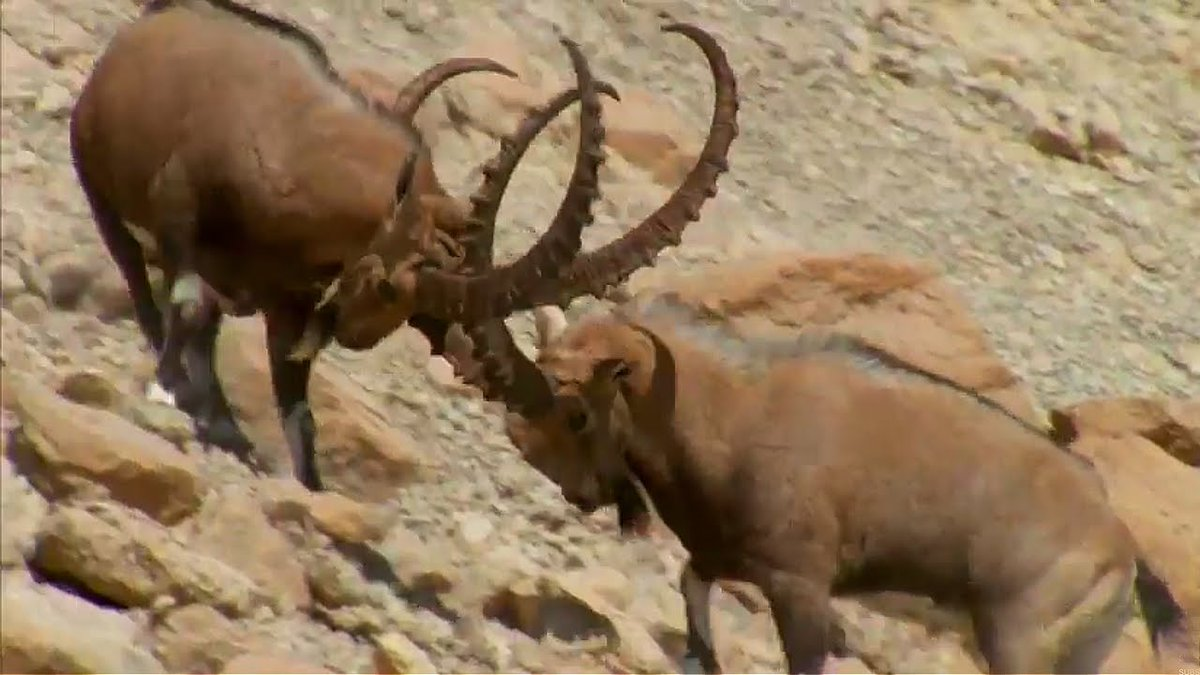
But then I learned about Ibex goats and the ferocious, loud male fights for females which take place every winter on mountain tops.

And so I thought, maybe this is the origin of the Pan legend?

These wild goats are huge, and when standing on their hind legs they tower over any human. And if you didn't know what you were looking at, you could be forgiven for thinking that you were looking at a huge men (gods) with goat horns and goat legs...

Finally, I learned about Animal Calendar Markers, which were created from the mating or birthing seasons of animals to mark the time of the year when these reproductive events take place...

Like the Animal Calendar Marker "goat", which marks "Oct/Nov" because in Eastern Mediterranean/Western Asia, where this calendar marker first appeared, Ibex goats start mating in Oct/Nov...

Now in Eastern Mediterranean/Western Asia, Oct/Nov is the beginning of the rain season. And because every year the rains arrived when ibex goats started their mating season, to the local people ibex goat became an animal calendar marker for the beginning of the rain season...


And soon, ibex goats became mythical goats of rain which flanked the tree of life, like on this Bactrian bronze stamp, dated to 2400BC-1600BC...I talked about this stamp in my post "Bactrian bronze age menorah"...


And then these mythical goats of rain were turned to mythical gods of rain with human bodies and goat heads. Like this one from Tell Brak, dated to 3800-3600BC. I talked about this stamp seal in my post "Goat petroglyphs from Iran"...

I talked about symbolism of ibex goats in Iran, Mesopotamia and Levant in many of my posts, like: 

Iran: 

"Flamingos from Susa", "Goat carrier", "Iranian goat of rain", "Strider", "A vessel from Tepe Hissar"...

Mesopotamia:

"Feast plaque from Louvre", "Green pastures", "Problems with Abzu", "Relief from Dur Sharrukin", "Goatfish"...

Levant:

"The tree of life/light", "Lachish animal calendar"...

Eventually, this deified goat arrived to Greece, where it became known as Pan...The goat god of wild, green nature...I talked about this in my post "Pan goat of rain"... 

I also talked about symbolism of ibex goats in Europe in:

"Pitys", "Goat in European culture", "Patera of Rennes"... 

And then, we arrive to Zeus, the bringer of rain, who once "rode on a goat". What do you get if you clothe Zeus in a goat skin? Holy Ibex Goat, the bringer of rain, of course...

Figurine from Cyprus, depicting Ba’al/Zeus riding a Goat (600-400 BC).  From my post "Goat riding thunder god"...

For more about ancient animal and plant calendar markers (which were the key used for decoding all this stuff), check these blog posts oldeuropeanculture.blogspot.com/search?q=%22an then check my X threads I still didn't convert to blog post. I am way behind...🙂

Sunday, 19 May 2024

Eros riding ibex

Ancient Greek gold earring, c. 4th-3rd c. BC. A winged Eros, riding an Ibex goat and holding a Thrysus staff, symbol of Dionysus...


Sold by Christies 

Full of animal and plant calendar markers pointing to Oct/Nov, beginning of winter...

So let's start with Ibex goat. Across their range, Ibex goats start mating in Oct/Nov...At the beginning of winter...And they announce that to the world by loudly banging their heads...Not something you can easily miss...

In Eastern Mediterranean (Crete, Cyprus, Levant), Mesopotamia, Central Asia, Iran), where climatic year is divided into hot dry half and cool wet half, Oct/Nov is also the beginning of the cool wet half of the year. 

The time when the first rains arrive...

Crete


Levant


The rains which bring rebirth of nature...

Officially: "Golden ring depicting goat sacrifice", Mycenaean, 1500BC. I don't think so. Ibex was in Minoan, and later Mycenaean culture linked to rain season and regeneration of nature. This could be sacrificing to the Goat (of rain), not of a goat...I talked about this in my post "Theseus ring"...

The observed overlap between the beginning of the Ibex goat mating season and the arrival of the rains, turned Ibex goat into The Goat of Rain...I talked about this in my post about this Neolithic vessel from Tepe Hissar, Iran


Which is why in Iran, Ibex goat is one of the most depicted animals...

And one of the first deified animal calendar markers...I talked about this in my post "Goat petroglyphs from Iran"...


As for Europe, what do you think Pan is? Ever thought why Pan is "The Old God"...Pan riding a goat. Boscotrecase, Italy, 45–50 CE, plaster and pigment, The Bible Lands Museum, Jerusalem

I talked about this in my post "Pan, god of rain"...

Here is Pan depicted with Dionysus on a sarcophagus fragment, Ashkelon, ca. 1st–3rd century CE, marble, Israel Antiquities Authority...The god of resurrection welcomes the arrival of the Goat God...

Why do you think cornucopia was originally an actual goat horn which belonged to Amalthea, the Ibex goat that suckled infant Zeus (god or rain) on Crete...Goat of rain suckled God of rain...Cool...Dionysus and Plutos with cornucopia...

I talked about this in my post "Cornucopia"...

More about deified goat of winter (and rain) in Europe can be found in my post "Goat in European culture"

Ok...That's goat sorted...It is an animal calendar marker that points to Oct/Nov...What else is there that points to Oct/Nov, beginning of winter? 

Thyrsus, the staff of Dionysus...I talked about it in my post "Thyrsus"


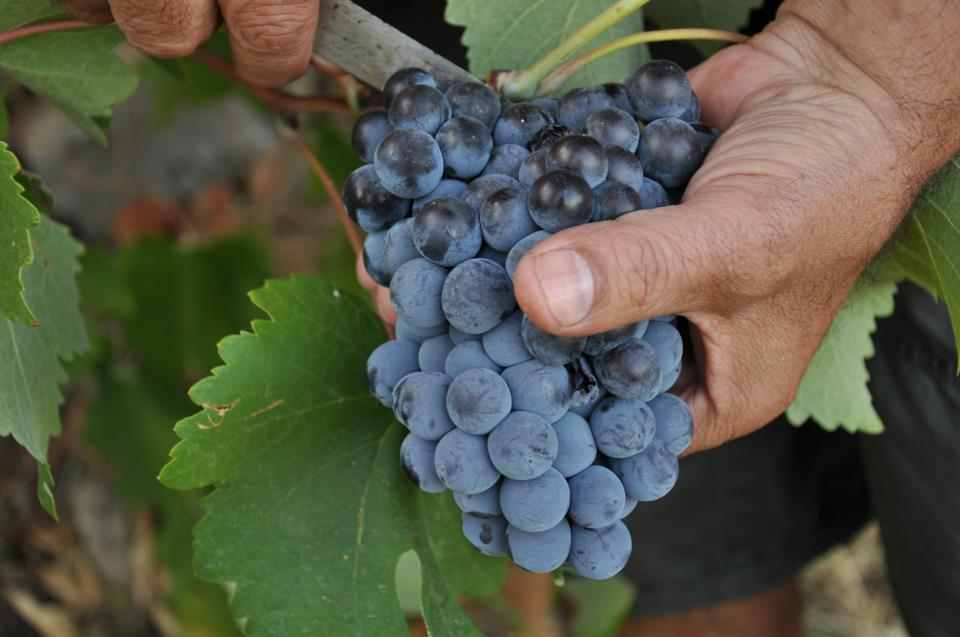
Thyrsus stick was made from a stalk of a giant fennel. It had a pine cone stuck to its top. The stick was then wrapped with ivy and grape vines...

In Ancient Greek mythology, when Prometheus stole fire from Zeus, he brought it to people by hiding it in the hollow stalk of the giant fennel...

Here he is, with fennel torches...

So am I wrong to think that the Thyrsus fennel stick symbolizes the power of Zeus, thunder (and rain) god? I mean, fire stolen by Prometheus was the product of Zeus's lightning...

And as I said, in Eastern Mediterranean (Crete, Cyprus, Levant), Mesopotamia, Central Asia, Iran) the Goat (sorry God) of rain arrives in Oct/Nov...

So a lightning fire stick...Wrapped with grape vines...Grape vines without grapes...You know how Dionysus is a god of wine...Which is made after the grape harvest...Which lasts from Aug to Oct...

So grape vines on the Thyrsus staff of Dionysus mark the end of the grape harvest Oct/Nov...And beginning of wine making...And the time when saffron crocuses, another symbol of winter, start flowering...I talked about this in my post "Crocus fairy"...

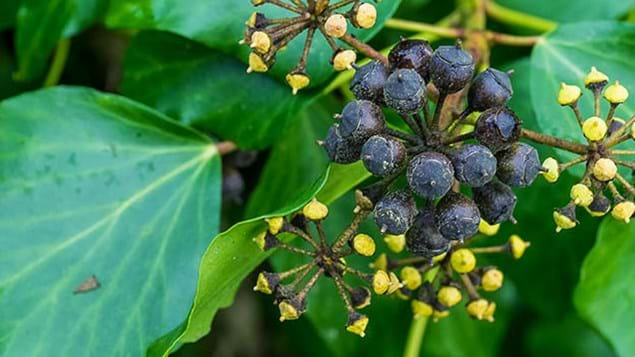
So a lightning fire stick...Wrapped with grape and ivy vines...Ivy with fruits...See these little dots between the ivy leaves? I talked about this in my post "Furious maenads"...

Interestingly, Ivy flowers in September to November, after the grapes are harvested, and its fruits ripen in November to January...So the ivy fruit season spans the whole of winter. The time of Dionysus...I talked about this in my post "Woman and pitcher"...


So a lightning fire stick......Wrapped with grape and ivy vines...And topped with a pine cone...Pine cones which are ripe and ready to harvest from Oct/Nov... I talked about this in my post "Eagle dude from Aleppo"...

So I think that all this would make Thyrsus a very good symbol of the arriving winter rain season...The season of Dionysus...Which in Eastern Mediterranean (Crete, Cyprus, Levant), Mesopotamia, Central Asia, Iran) brings resurrection of nature...

Which is also the time when Ibex goats have loads of sex...Minoan seal depicting mating ibex goats...

Here is a good article talking about the link between goats and Dionysus, "Patera of Rennes", which analysis the Dionysia scenes depicted on this beautiful Roman gold bowl dated to c. 210 AD. found in France and currently kept in the Bibliothèque nationale de France...


Oh, and why is it Eros who is riding on an ibex goat and holding a thyrsus? Apparently, the Orphics thought that Dionysus was an incarnation of the primordial Eros, the first ruler of the universe...Is this why?

2nd century AD Roman marble sculptured of Dionysus and Eros...


To read more about ancient animal and plant calendar markers, start here…then check the rest of the blog posts related to animal calendar markers I still didn't add to this page, and finally check my twitter threads I still didn't convert to blog post...I am 9 months behind now...

Sunday, 28 April 2024

Pitys


The pine is sacred to Pan because when he pursued the nymph Pitys, she turned herself into a pine tree to escape. In this version of the myth, Pitys had chosen the love of Boreas, god of the north wind, over his rival Pan.

Very very interesting story. From the animal and plant calendar markers point of view...

Let me explain what I mean. 

Boreas was the Greek god of winter as well as the god of the north wind...

Winter starts in Oct/Nov (21st of Dec is midwinter for a reason)...

Oct/Nov is marked by the "Old Capricorn", the Goat of Rain. Because this is the time when male ibex goats start their ferocious mating fights...

And because the wet season in Eastern Mediterranean, Levant, Central Asia, Mesopotamia, Iran starts when ibex goats start mating, ibex goat became an animal calendar marker for the beginning of the rain season...


The anthropomorphisation of the Goat of Rain into God of rain associated with goats started in Neolithic Iran. I talked about this in my post "Goat petroglyphs from Iran". Goat Dude from Tell Brak, dating to c. 3800-3600 BC

Eventually, this goat dude arrived to Europe as Pan.


Pan, who has the hindquarters, legs, and horns of a goat. Whose skin is Pan carrying? Is this "Αιγις" (Aegis),  the goat skin which Zeus carried from Crete?

It just occurred to me. What do you get if you clothe Holy Zeus, the bringer of rain, in goat skin? Holy Ibex Goat, the bringer of rain, of course...

Figurine from Cyprus, depicting Ba’al/Zeus riding a Goat (600-400 BCE):

From my post "Goat riding thunder god"...

Because it marks the beginning of the winter, the goat also became goat of winter...Post "Krampus", which explains the link between Mountain Ibex Goats, Capricorn zodiac sign, Yule Goat, Krampus and all the other Christmas related goat characters and masks


Hence the goat of winter causing frostbites

Serbian fairytale: "I am the life-giving goat, skinned yet not skinned, slaughtered yet not slaughtered, roasted yet not roasted, eaten yet not eaten. My teeth are like stakes, I will bite you in half..."

Scandinavian Yule Goat with long sharp teeth...From my post "Tanngnjostr and Tanngrisnir"...


An illustration by Yuri Vasnetsov from 1956 entitled "Goat". It depicts the scene from Slavic folklore in which goat (of winter) brings spring (basket with flowers) and summer (baby goat).

Anyway, this page, "Goat in European cultures", is a jump page with links to articles about goat animal calendar marker embedded into European mythology, folklore and astrology...

Enough about goats. Oct/Nov is also when pine nut harvest starts in Eastern Mediterranean and Western Asia...Hence pine as plant calendar marker for the beginning of winter and the cool/wet half of the year...


Pine nut harvest season

And so...Back to our story. The goat of winter and the god of winter are fighting over a nymph. A nature spirit...And it turns into a pine tree, the plant calendar marker for the beginning of winter...

How cool is this?

To read more about ancient animal and plant calendar markers, start here…then check the rest of the blog posts related to animal calendar markers I still didn't add to this page, and finally check my twitter threads I still didn't convert to blog post...I am 9 months behind now...