
Full analysis:
First, I don't think this is a female figure...Judging my the big boner and the big muscles, this is a male figure...
Second, I don't think these animals are cattle...Judging by the horns, these are wild water buffaloes...

Third, I don't think this is an Achaemenid cylinder seal. I don't think Persians depicted naked heroes on their seals...So hmmm, hmmm and hmmm about the description.
But there is something really interesting about the scene depicted on this seal: a man riding two buffaloes...
The same scene can be seen every year in the southwestern Indian state of Karnataka...
I am talking about Kambala, the annual buffalo race which takes place between Nov and Mar...

I think that the race most likely originally only took place in Nov, because this is the time right after the kharif rice harvest season, and just before the rabi rice plowing and planting season...Check the rice agricultural calendar for India...
BTW, If you are wandering what kharif and rabi seasons are, check this article out...
Depiction of the Kharif (wet) season (May to November) and the Rabi (dry) season (November to May) through animal and plant calendar markers on an Indus Valley civilisation vase...I talked about this in my post "Kharif and Rabi season"...

Interestingly, the water buffalo is an ideal animal calendar marker for marking the end of the kharif (wet) season and rabi (dry) season. This is because buffaloes are seasonal breeders in most of their range, and typically bread starting from Oct/Nov...


It is the wet season that brings life and prosperity to India, which are in Indian mythology attributed to devas. This is why buffalo, the animal calendar marker which marks the beginning of the dry season, became "buffalo demon", the enemy of devas...I talked about this in my post "Proto Durga" about this clay tablet from Harappa with a "narrative scene"...

Now if we look at the climate in Mesopotamia, where our buffalo rider seal was made.

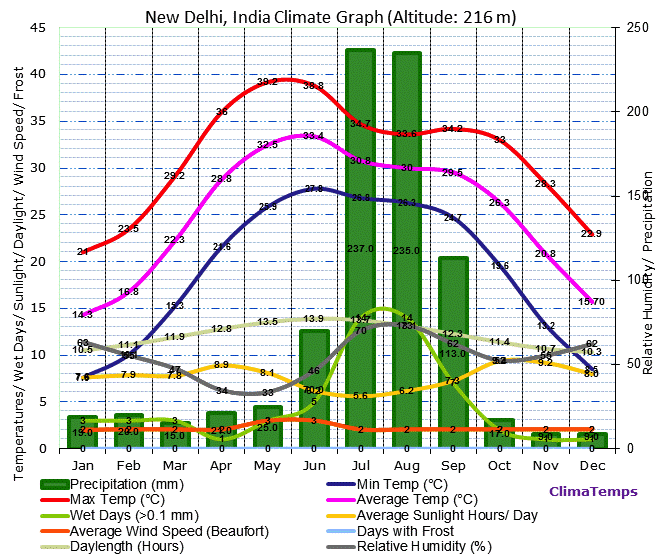
Because water buffalos mating season starts in Oct/Nov, at the start of the rain season, buffalos are on Mesopotamian seals used as animal calendar markers for the beginning of the wet season...


BTW, it is the similarity between this Akkadian seal and the original buffalo rider seal, that makes me doubt very much if the original seal is Achaemenid seal at all...
The jar the buffalos are drinking from is the same jar held by Enki/Ea, the god (of the) the source of the rivers Tigris and Euphrates. It symbolically represents Abzu, the source of Tigris and Euphrates...Which is said to be (where) Enki (resides)...

And that source are the mountains north and east of Mesopotamia...Check this article and the linked articles for more info about Enki, who is (in) Abzu, the source of all sweet water...
Why did so many Mesopotamian "Supreme" gods have an attribute "The Great Mountain"? Cause they all wanted to be Enki...But there is only one Enki, who is (in) Abzu, "place that is a big mountain"...All the others are just imposters...I talked about this in my post "The great imposter"

Back to buffalo as an animal calendar marker. The calendar marker is derived from the time buffalos mate. Which is always at the same time, from Oct/Nov. But because of the opposite climates in Mesopotamia and India, opposite mythological meanings got associated with buffalos...
So, Zoroaster said that "daevas" were "wrong" or "false" gods that should be rejected...Were Iranian "daevas" actually Indian "devas"? And if so, what could have turned devas (good guys) into daevas (bad guys)??? Well, the opposite climate of course...I talked about this in my post "Devas vs Daevas"...

Finally, lets get back to our original seal.
And the comment from @another_barbara: The buffalos are in fact standing on a muddy field - just like the etymology of the word kambala says. Kambala is derived from 'Kampa-Kala ' the word 'Kampa' is related slushy, muddy field...And the fields get slushy, muddy in Mesopotamia when the rains arrive...In Oct/Nov...When buffalos start to mate...
To read more about ancient animal and plant calendar markers, start here…then check the rest of the blog posts related to animal calendar markers I still didn't add to this page, and finally check my twitter threads I still didn't convert to blog post...I am 9 months behind now...


