Showing posts with label Horned Serpent. Show all posts

Tuesday, 23 April 2024

Snake dance

A member of the Hopi Snake Clan dancing with a snake in his mouth during the ceremonial Snake Dance, the final stage of the 16 days Hopi tribe religious ceremony held every two years in August...

You can see what the snake dance looks like in this documentary from 1913.

Hopi people who live in the Southwestern USA, regard snakes as their "brothers" and rely on them to carry their prayers for rain to the underworld, where the gods and the ancestor spirits, who control the rain, live.

Four days before the snake dance, the Snake priests leave their villages to gather snakes. The priests carry a digging sticks to dig the snakes out of their holes and snake whips, which are rods with two eagle feathers attached to them.

Once they dig the snakes out, they stroke them with the snake whip to make them straighten out and then grab them behind the head. They bring the snakes to the village where they are put inside the "kiva", sacred underground room, where they stay until the day of the snake dance.

On the day before the snake dance, a race is run across the plain and up the steep slope of the "mesa" (village) just before sunrise, symbolising the rain-gods bringing water to the village.

Then the members of the Antelope clan, who also participate in the ceremony, build a "kisi", a shallow pit covered with a wooden board, which represents the entrance to the underworld where the gods and the ancestors live.

At sunset of the day before the snake dance, the Snake and Antelope dancers dance around the plaza, stamping on the "kisi" board and shaking rattles to simulate the sounds of thunder and rain.

The Antelope priests dance with green vines around their necks and in their mouths, just as the Snake priests will later dance with snakes around their necks and in their mouths.

On the day of the snake dance, the snakes are washed in a large jar filled with water and herbs. Finally the snakes are gathered up in a bag, carried to the village plaza, and placed in the "kisi".

Then, each Snake priest reaches into the "kisi", grabs a snake, and they all dance around the village plaza with the snakes first in their hands and then in their mouths, "to symbolically pass their prayers for rain to the snakes".

Finally, one of the Snake priests makes a large circle of cornmeal on the ground. All the snakes are thrown into the circle, while women and girls scatter cornmeal on the wriggling reptiles.

Then the Snake priests grab the snakes, and run out of the village where the snakes are released to carry the prayer for rain to the gods and the ancestor spirits in the underworld, and to inform them that the Hopis still live in the old way of their ancestors.

Soooo...Very interesting...Remember my post "Horned serpent" about the Horned Serpent, whom Hopi believed to be the guardian of water and is associated with rain, thunder and lightning?


In the article I said that when I first saw the depiction of the Horned Serpent, I thought that this could be a depiction of an actual horned snake, the American horned rattlesnake (Crotalus cerastes).

In the article, I then explained why I changed my mind and why I believe that the Horned Serpent was a complex animal calendar marker for rain season an animal hybrid with: 

a body of a rattle snake 


and horns of the desert big horn sheep.

The thing is it is possible that the horns of the Horned Serpent are not (just) the horns of the desert big horn sheep. They could (also) be the horns of the pronghorn (false antelope)...

Arizona climate chart...

The desert big horn sheep mating starts in Jul and ends in Oct. During the rut, the rams charge at each other head-on crashing their horns together with tremendous bangs...Thundering bangs...So they are ideal calendar markers for the monsoon season....
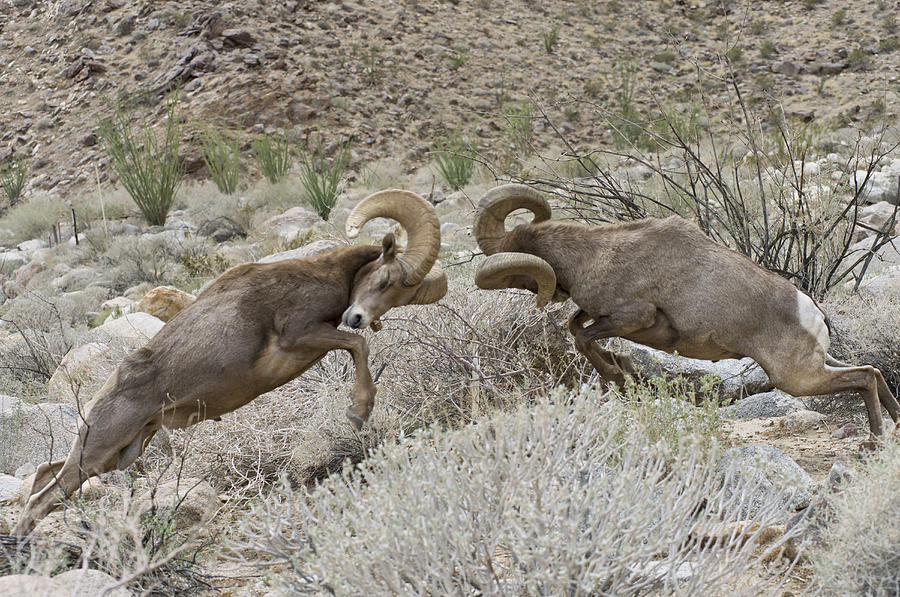
In their southern range, the pronghorns mating starts  Jul and ends in Sep. During the rut, the bucks charge at each other head-on crashing their horns together with tremendous bangs...Thundering bangs...Ideal calendar markers for the monsoon season...Arizona climate chart...

And interestingly, it is the snake and antelope clans that perform the snake dance rain ceremony together. Why? There has to be the reason for it, albeit one that has been long forgotten...The reason we are now rediscovering...

Something else: Two depictions of the Hopi antelope katchina (spirit doll). You can see that one has horns that look like pronghorn horns and that the other one has horns that look like big horn sheep horns...So did Hopis consider both of these animals to be the same "spirit"?


Final proof that the Horned Serpent from the Hopi mythology was not an actual horned rattlesnake (Crotalus cerastes), is the fact that horned rattlesnakes are not used in the rain snake dance ceremonies.

The rattlesnake that is used is the Prairie Rattlesnake (Crotalus viridis). You can read more about it in this article which contains some early accounts of the snake dance ceremony 

One interesting thing about Prairie Rattlesnakes, is that this species usually mates between Jul and Sep...

And when rattlesnakes mate they dance...Amazing pics by Marc Perkins

And so, in August, the peak mating season of the dancing snakes, dancing big horn sheep and dancing pronghorn antelopes, and in the middle of the Monsoon season in the SW USA, the members of the  Antelope and Snake Clan dance for rain...

And the Horned Serpent, the guardian of the waters releases the life saving rain and refills the rivers and wells...

To read more about ancient animal and plant calendar markers, start here…then check the rest of the blog posts related to animal calendar markers I still didn't add to this page, and finally check my twitter threads I still didn't convert to blog post...I am 9 months behind now...

Saturday, 11 March 2023

Rain cloud

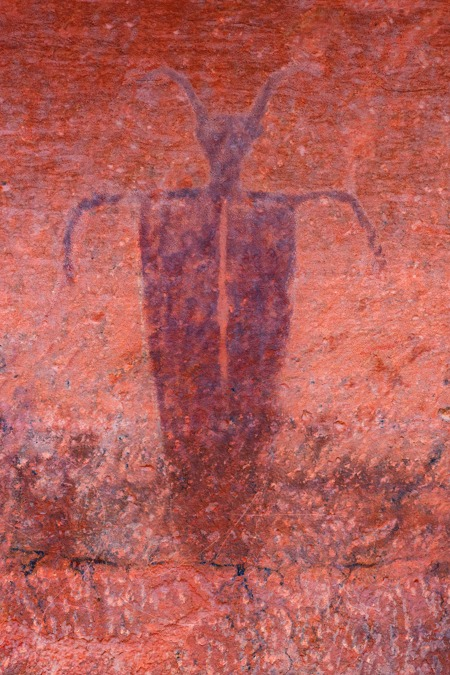
A "mysterious" creature depicted on the rocks of North Eastern Arizona.  Holbrook area. Pic by Mike Davenport...

Mysterious...Not really...It's our old friend, the Big Horned God of Rain and Grain, with his holy animal, the Big Horn Sheep...

I wrote about this god in my post "Alosaka"...

He is basically a deified Desert Big Horn sheep, an animal calendar marker, marking the mating season of these wild sheep (Jul-Oct), which coincides with the Southwestern Monsoon season...


This is climate chart for Arizona...That spike you see in Jul/Aug/Sep is the monsoon...Only the most important annual event, the one that makes grain (maize) agriculture (and life) possible in Arizona...

So that explains the god's horns and the sheep. But what about the polkadots "dress" the god I wearing? Is this just fashion statement, or is this a symbol as well?

Now this dude is the god of grain, maize to be more precise. If you wanted to symbolically depict that, you could depict the god's body as a maize ear... Polkadots being maize seeds...


This dude is also s god of rain...And a common way of depicting rain is a rain drops, coming out of a rain cloud... Polkadots being raindrops...

The monsoon in Arizona is characterized by localised heavy downpours, called "micro bursts" or "rain bombs", and which have exactly the shape of the "polkadots dress"...

Which is why rocks in the South West of the USA are covered with mysterious legless creatures, which are linked with Big Horned sheep, or Horned snakes...

I talked about these dudes in my post "Horned serpent"...

So if you wanted to depict a "rain and grain" god, a "polkadots", maize ear/rain downpour shaped "dress" is a perfect symbolic choice. I think...

Here is another deified rain bomb cloud with bighorn sheep hornsAn amazing petroglyph from Utah, USA. Pic by Wayne David. 


To read more about ancient animal and plant calendar markers, start here…then check the rest of the blog posts related to animal calendar markers I still didn't add to this page, and finally check my twitter threads I still didn't convert to blog post...I am 9 months behind now...

Tuesday, 7 March 2023

Horned serpent

Horned Serpent petroglyph, Barrier Canyon, Utah, USA...Pic by Brian C. Lee.

When I first saw this image, I thought that this could be a depiction of an actual horned snake. The only horned snake that lives in Southwestern USA is American horned rattlesnake (Crotalus cerastes).

But it is images like this, of a horned humanoid figure standing over a snake with no horns that made me believe that the horned serpent depicted on the ancient American petroglyphs is not a depictions of a horned rattlesnake, but something else entirely. Pic by "Nine Mile the Third".

In this article I will explain why "mythological" horned serpents of the Indian tribes of the South West of the USA isn't mythological at all. It is actually real...complex animal calendar marker. 

The horned serpent is an animal hybrid

with a body of a rattle snake

and horns of the desert big horn sheep

So what's it all about? Well let's first have a look at the mythology of the horned serpent.

The horned serpent is believed to be the guardian of water and is associated with rain, thunder and lightning. Its wavy curves symbolise flowing water...and its depictions are most often found on river canyon walls...Pic by "Nine Mile the Third"

Sooo...Rattle snake-Big Horn sheep hybrid guarding water...Why? What does it mean? Well to understand this, we need to have a look at the climate in the Southwest of the USA and the annual lifecycle of Rattlesnakes and Big Horn sheep...

This is climate chart for Arizona...

That spike you see in Jul/Aug/Sep is the monsoon...Only the most important annual event, the one that makes corn agriculture (and life) possible in Arizona...And the rest of the Southwest...

In my post "Alosaka" about the Hopi Indian "god of agriculture and rain", I explained that he had Big Horn Sheep horns because the mating season of these wild sheep, characterised by violent ram fights, coincides with the Southwestern Monsoon season...

And so the Big Horn sheep became animal calendar marker for the Southwestern Monsoon season: 

When are the rains going to arrive father?

When Big Horn sheep start banging their heads my son...Now shut up and go to sleep...🙂

Eventually this animal calendar marker became deified...And we ended up with the Rain god with Big Horn sheep horns...To whom people could pray for rain...It's kind of hard to pray to a sheep...

So this solves the horn part of the horned snake, mythological being associated with rain, thunder and lightning, the protecter of flowing water...BTW, a lot of the canyons where horned snake petroglyphs were found are dry, except during monsoon season...So let's have a look at the reproduction lifecycle of Rattlesnakes...Cause animal calendar markers most often mark mating and birthing period of the depicted animal...

In the Southwest of the USA, Rattlesnakes are active between Mar/Apr and Oct/Nov.

But they are most active during the monsoon season (Jul/Aug/Sep). In just a few short months, they need to shed their skin (at least once), give birth, find mates, mate...

Which makes Jul/Aug/Sep the most likely time to be bitten by a rattlesnake...

I don't think that this would have gone unnoticed by the local hunters/gatherers/corn farmers...

Soooo...The monsoon thunderstorms arrive when Big Horn sheep and Rattlesnakes start mating/giving birth. What do you think? Is this why in Southwestern USA we find "horned serpent" as the guardian of water associated with rain, thunder and lightning? 

I think so...

BTW, the horned snake from the original tweet is just a part of a larger petroglyph panel, depicting a the "spirit" (???) with horned snake (guardian, bringer of water) on one side and the sun on the other. As opposing forces??? Or just to emphasise that the wettest part of the year in in Southwestern USA is also the hottest time of the year??? Pic by Randy Langstraat.

This petroglyph is one of many made during the archaic period (6000 BC - 100 BC)...Here is another one from that period. I love the horned snake with hands spewing water (rain)...Oh, and there is another "spirit" (???) there too...Pic by Randy Langstraat.

Apparently no one knows what these "ghost" like creatures with "tails" could be...Well, the monsoon rain storms, which arrive with the "horned snake", look like this...Hmmm..."ghost" like creatures with "tails"???

Maybe this petroglyph panel, also from the archaic period (from Thompson, Utah) depicts just such rainstorm? Compare this image to the above pic of monsoon clouds spewing water onto the dry ground...Pic by Calvin J. Hamilton.

In the middle of this panel is this horned dude, with what look like Big Horn sheep horns. Just like our Hopi friend Alósaka, the Big Horn sheep god of grain and rain, whom I mentioned earlier...

The Utah horned dude also has no legs, and looks like one of those monsoon downpours...Which apparently have a name: microbursts...or...rain bombs...Like this spectacular one...

Downpours which create flush floods and fill the rivers with water...Like this flush flood in White Canyon, Utah. And he has what looks like flowing water pouring out of his shoulders...Hmmm...

And next to the horned rain cloud dude is a horned snake...The guardian (bringer) of rain...Which arrives in Jul/Aug...In the 7th moon after winter solstice...Keep this in mind...Now look at this petroglyph...A horned snake with 6 horns and a rattle...Pic by Michael Fuller.

Apparently, no one knows what this means...Maybe each horned snake represents on moon and the rattle means thunder...And this all together means "the horned snake brings rains after 6 moons counting from the winter solstice"??? What do you think? Makes sense?

Monsoon rains which are brought by the horned snake in Jul/Aug, end the drought, caused by the summer sun in May/Jun. Look at this: petroglyph at Los Lunas site, depicting shielded warrior (with sun shield) engaged in combat with horned serpent...Pic by W. C. "Bill" Porter.

Oh BTW, in case you wander if this horned snake has Big Horn sheep horns, it does. Just reversed for some reason. This article shows all different ways Big Horn sheep were depicted, on Southwestern petroglyphs. 

Normal horns example

Reversed horns example 

Pic by Maarten van Hoek.

I could go on and on, but I think this is enough for everyone to get the point...What we are looking at are complex animal calendar markers for Monsoon season in the Southwest...

Animal calendar markers which were developed by the "archaic people", nomads, who lived from hunting large and small game animals, and collecting and processing wild plants...

They occupied the Southwest of the USA from approximately 8,000 years ago until the introduction of corn agriculture about 2,000 years ago...The earliest examples of their art appear in Utah, in and around the Canyonlands National Park...

BTW this is climate graph from the area of Utah where these cloud dudes with horned snakes first appeared. The precipitation peak starts Jun/Jul, peaks in Aug, and ends in Sep/Oct...From "Climate of the Central Colorado Plateau, Utah and Arizona: Characterization and Recent Trends"

Interestingly, the corn farmers continued using the same animal calendar markers...What does this tell us about cultural continuity in the area? I think a lot...

These animal calendar markers were developed locally, in the area, and were used by local people, hunter/gatherers who later became farmers. They were not imported from any other part of the world where we find animal calendar markers. And I found them everywhere I looked so far. 

Like everywhere else, these animal calendar markers are an inevitable product of the process in which hunter gatherers turn into farmers...

Hunter gatherers knew everything about plants and animals...And if those animals do the same thing every year, at the same time, then you can use them as calendar markers...

As agriculture become more and more important, and people start depending on it more and more, the animals related to the most important annual agricultural events (like monsoon rains) become more and more important. To the point where they become deified...

And turned into gods...As I said, you kind of look stupid praying to a Big Horn sheep for rain...So you pray to a God of rain with Big Horn sheep horns...Makes much more sense...

And this seems to have happened everywhere...And I believe totally independently...It's just the way we are...

Anyway, I hope you enjoyed reading this article. I did certainly enjoyed researching it and writing it...

To read more about ancient animal and plant calendar markers, start here…then check the rest of the blog posts related to animal calendar markers I still didn't add to this page, and finally check my twitter threads I still didn't convert to blog post...I am 9 months behind now...