Showing posts with label Hopi. Show all posts

Tuesday, 23 April 2024

Teocintle

This is what early domesticated corn (maize) looked like. It was domesticated from the plant "teocintle" (meaning "grass of the gods" in Náhuatl), most likely by the native people of Guerrero, Mexico, around 8000 years ago...

On this picture you can see two small cobs of teocintle on the left, and two cobs with mixed genetics that are developing towards corn on the right...


My article "Resurrection of the maize god" about animal and plant calendar markers found in the Mayan legend about the resurrection of the corn (maize) god, which is depicted on this plate...

When the vultures start dancing, it is time to plant your corn (maize)...Article "Golden eagles from Costa Rica" about the meaning of the gold "Double Headed Eagles", made in Costa Rica between 700 and 1530 AD by people of Diquis culture...

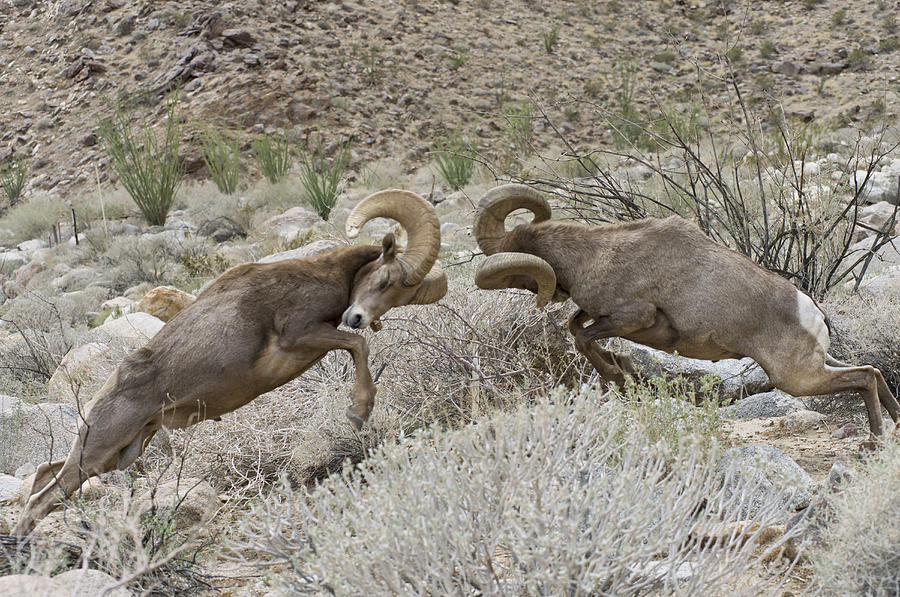
When the big horn rams start fighting for ewes, the rains will arrive and the the corn will germinate and grow...Article "Alosaka" about Alósaka, Horned Corn (Maize) God of the Hopi Indians from the SW USA. 

If you wanted to symbolically depict the god of rain (which arrive when big horn rams start fighting for ewes), who is also the god of corn/maize (which depends on this rain to grow), how would you do it? Like this maybe? A "mysterious" petroglyph, Arizona. More in my article "Rain cloud". 

When snakes start dancing, the rains will come to help corn (maize) grow...Article "Snake dance" about Hopi Indians snake dance from SW USA.


Snake dance

A member of the Hopi Snake Clan dancing with a snake in his mouth during the ceremonial Snake Dance, the final stage of the 16 days Hopi tribe religious ceremony held every two years in August...

You can see what the snake dance looks like in this documentary from 1913.

Hopi people who live in the Southwestern USA, regard snakes as their "brothers" and rely on them to carry their prayers for rain to the underworld, where the gods and the ancestor spirits, who control the rain, live.

Four days before the snake dance, the Snake priests leave their villages to gather snakes. The priests carry a digging sticks to dig the snakes out of their holes and snake whips, which are rods with two eagle feathers attached to them.

Once they dig the snakes out, they stroke them with the snake whip to make them straighten out and then grab them behind the head. They bring the snakes to the village where they are put inside the "kiva", sacred underground room, where they stay until the day of the snake dance.

On the day before the snake dance, a race is run across the plain and up the steep slope of the "mesa" (village) just before sunrise, symbolising the rain-gods bringing water to the village.

Then the members of the Antelope clan, who also participate in the ceremony, build a "kisi", a shallow pit covered with a wooden board, which represents the entrance to the underworld where the gods and the ancestors live.

At sunset of the day before the snake dance, the Snake and Antelope dancers dance around the plaza, stamping on the "kisi" board and shaking rattles to simulate the sounds of thunder and rain.

The Antelope priests dance with green vines around their necks and in their mouths, just as the Snake priests will later dance with snakes around their necks and in their mouths.

On the day of the snake dance, the snakes are washed in a large jar filled with water and herbs. Finally the snakes are gathered up in a bag, carried to the village plaza, and placed in the "kisi".

Then, each Snake priest reaches into the "kisi", grabs a snake, and they all dance around the village plaza with the snakes first in their hands and then in their mouths, "to symbolically pass their prayers for rain to the snakes".

Finally, one of the Snake priests makes a large circle of cornmeal on the ground. All the snakes are thrown into the circle, while women and girls scatter cornmeal on the wriggling reptiles.

Then the Snake priests grab the snakes, and run out of the village where the snakes are released to carry the prayer for rain to the gods and the ancestor spirits in the underworld, and to inform them that the Hopis still live in the old way of their ancestors.

Soooo...Very interesting...Remember my post "Horned serpent" about the Horned Serpent, whom Hopi believed to be the guardian of water and is associated with rain, thunder and lightning?


In the article I said that when I first saw the depiction of the Horned Serpent, I thought that this could be a depiction of an actual horned snake, the American horned rattlesnake (Crotalus cerastes).

In the article, I then explained why I changed my mind and why I believe that the Horned Serpent was a complex animal calendar marker for rain season an animal hybrid with: 

a body of a rattle snake 


and horns of the desert big horn sheep.

The thing is it is possible that the horns of the Horned Serpent are not (just) the horns of the desert big horn sheep. They could (also) be the horns of the pronghorn (false antelope)...

Arizona climate chart...

The desert big horn sheep mating starts in Jul and ends in Oct. During the rut, the rams charge at each other head-on crashing their horns together with tremendous bangs...Thundering bangs...So they are ideal calendar markers for the monsoon season....

In their southern range, the pronghorns mating starts  Jul and ends in Sep. During the rut, the bucks charge at each other head-on crashing their horns together with tremendous bangs...Thundering bangs...Ideal calendar markers for the monsoon season...Arizona climate chart...

And interestingly, it is the snake and antelope clans that perform the snake dance rain ceremony together. Why? There has to be the reason for it, albeit one that has been long forgotten...The reason we are now rediscovering...

Something else: Two depictions of the Hopi antelope katchina (spirit doll). You can see that one has horns that look like pronghorn horns and that the other one has horns that look like big horn sheep horns...So did Hopis consider both of these animals to be the same "spirit"?


Final proof that the Horned Serpent from the Hopi mythology was not an actual horned rattlesnake (Crotalus cerastes), is the fact that horned rattlesnakes are not used in the rain snake dance ceremonies.

The rattlesnake that is used is the Prairie Rattlesnake (Crotalus viridis). You can read more about it in this article which contains some early accounts of the snake dance ceremony 

One interesting thing about Prairie Rattlesnakes, is that this species usually mates between Jul and Sep...

And when rattlesnakes mate they dance...Amazing pics by Marc Perkins

And so, in August, the peak mating season of the dancing snakes, dancing big horn sheep and dancing pronghorn antelopes, and in the middle of the Monsoon season in the SW USA, the members of the  Antelope and Snake Clan dance for rain...

And the Horned Serpent, the guardian of the waters releases the life saving rain and refills the rivers and wells...

To read more about ancient animal and plant calendar markers, start here…then check the rest of the blog posts related to animal calendar markers I still didn't add to this page, and finally check my twitter threads I still didn't convert to blog post...I am 9 months behind now...

Saturday, 14 May 2022

Alósaka

How the hell did I end up here? When I was at school, my two most hated subjects were history/archaeology and biology...And yet today I will talk about animal calendar markers in the Alósaka cult of the Arizona's Hopi tribe.  

Pic Binoche et Giquello

The above figurine is a rare representation of Alósaka/Muyingwa, two aspects of the (supreme?) being or deity of the Hopi Kachina pantheon: the God of Germination and God of Growth of Corn...

There is also possibility that Alosaka and Muyingwa were two brothers (soon to see why this is important) and not two aspects of the same god. In any case, he/they lived in the Underworld and was/were the one(s) who made the seeds sown by the Hopi germinate and grow...

This two-horned deity was associated with rain. The symbols on the cheeks and at the base of the two horns are rain clouds. The long black hair at the back of the mask symbolises the curtains of heavy rain that this spirit is supposed to bring to irrigate the fields...

Alósaka/Muyingwa was the main god of the Aaltu (Two-Horned Priests) sect or secret/sacred society...Photograph by H.R. Voth, from the "Book of the Hopi" by Frank Waters 

Pic H.R. Voth

During the religious ceremonies, these guys wore Headdress of Alósaka, like this one: Basket head cap with a twine and two imitation horns of rawhide leather. Previous S.N. Los Angeles collection (not further specified)...

Pic by unknown (to me) author...

These ceremonial headdresses with fake leather horns were supposed to help the priests to personify either the horned god Alósaka, or the animal from whom the god borrowed his horns: the Desert Big Horn sheep...

Pic by Andrew Barna

Some ceremonial headdresses of the Two-Horn priests of Alósaka were actually made with real Big Horn sheep horns, like this one kept in the College of Eastern Utah Prehistoric Museum...


Pic by Tim Riley

Both Horn God Alósaka (or his Two-Horned priest wearing Desert Big Horn sheep horns headdress) and Desert Big Horn sheep were found depicted on petroglyphs from the Hopi area. 


Pic by Moki John

Danny Rodman

Soooo...What's all this about? Why do we have a horned god, a deified Desert Big Horn sheep, associated with rain and corn? 

The answer is animal calendar markers...

Now, animal calendar markers are ancient calendar markers derived from the annual mating (most often) or birthing or migrating or hibernating habits of the animal in question...

In this case that animal is Desert Big Horn sheep...Their mating season is Jul–Oct. During that time, desert bighorn sheep, which normally live in separate ram and ewe bands, get together in big mixed herds to party baby!!! 🙂

Well every really good party with loads of horny guys all going for the best girl, eventually ends in fighting...Desert Big Horn rams are no exception. They charge at each other head-on crashing their massive horns together with tremendous impact...And bang...

Pic by Anthony Mercieca

Now this is not something you can miss if you lived anywhere near...Every year at the same time you would start hearing mighty crashing of ram's horns...And so this part of the year became known by Hopis as "the time of the Big Horn Rams"...

This would have been just a very very annoying time of the year, when everyone walked around with cheese in their ears (🙂) if something else very very very very important didn't happen at the same time...

To understand what I am talking about, let's first have a look at the climate in Arizona...That spike you see in Jul/Aug/Sep is the arrival of monsoon rains...Only the most important annual event, the one that makes corn agriculture (and life) possible in Arizona...


Soooo...The Big Horn rams start banging their horns and spilling their semen at the same time when the sky god starts banging his thunder drums and spilling his heavenly semen, rain...

Pic by mdesigner125

What do you think, how long did it take for Hopis to associate Big Horn Rams with the arrival of rain and to somehow magically correlate these two events? To turn Big Horn Ram into The Ram of Rain? And then to turn The Ram of Rain into The Ram Horned God of Rain?

BTW, you can see here why Alósaka/Muyingwa could have been one Big Horned God with two faces or two "brothers" Big Horned Gods...It takes two Big Horned Rams to produce the thundering sound that brings rain...🙂

So why would The Rain God also be The God of Germination and Growth of Corn? The Hopis relied on rains to grow corn, practicing dry farming in desert valleys that stretch between the mesas...No rain, no corn...

Pic by American Indian Magazine

Because of the temperatures in the area, the corn planting in Hopi country may some years start as early as April, but most corn goes into the ground in late May and early June...You can read more about Hopi corn agriculture here 

Pic David Wallace

Corn seeds germinate after about 2 week, and the new corn seeds (cob) start forming after about 10 weeks...Now in order for corn to develop cobs it needs water and sunshine...Which is exactly what The Big Horned God provides when Big Horned Rams start banging their heads...


Pic World Wheel Community

Soooo....There you have it...


I will finish this article with this ceremonial Alósaka screen. Just to add a cool plant calendar marker to the cool Animal calendar marker...

The pic is from "The Alósaka Cult of the Hopi Indians" by J. Walter Fewkes...

The entire middle screen is taken up by the depiction of the Horned God, Alósaka, holding in his right hand a cob of corn...A triple rain cloud symbol is depicted above god's head...So far so The Big Horned God of rain and corn...Nothing new...

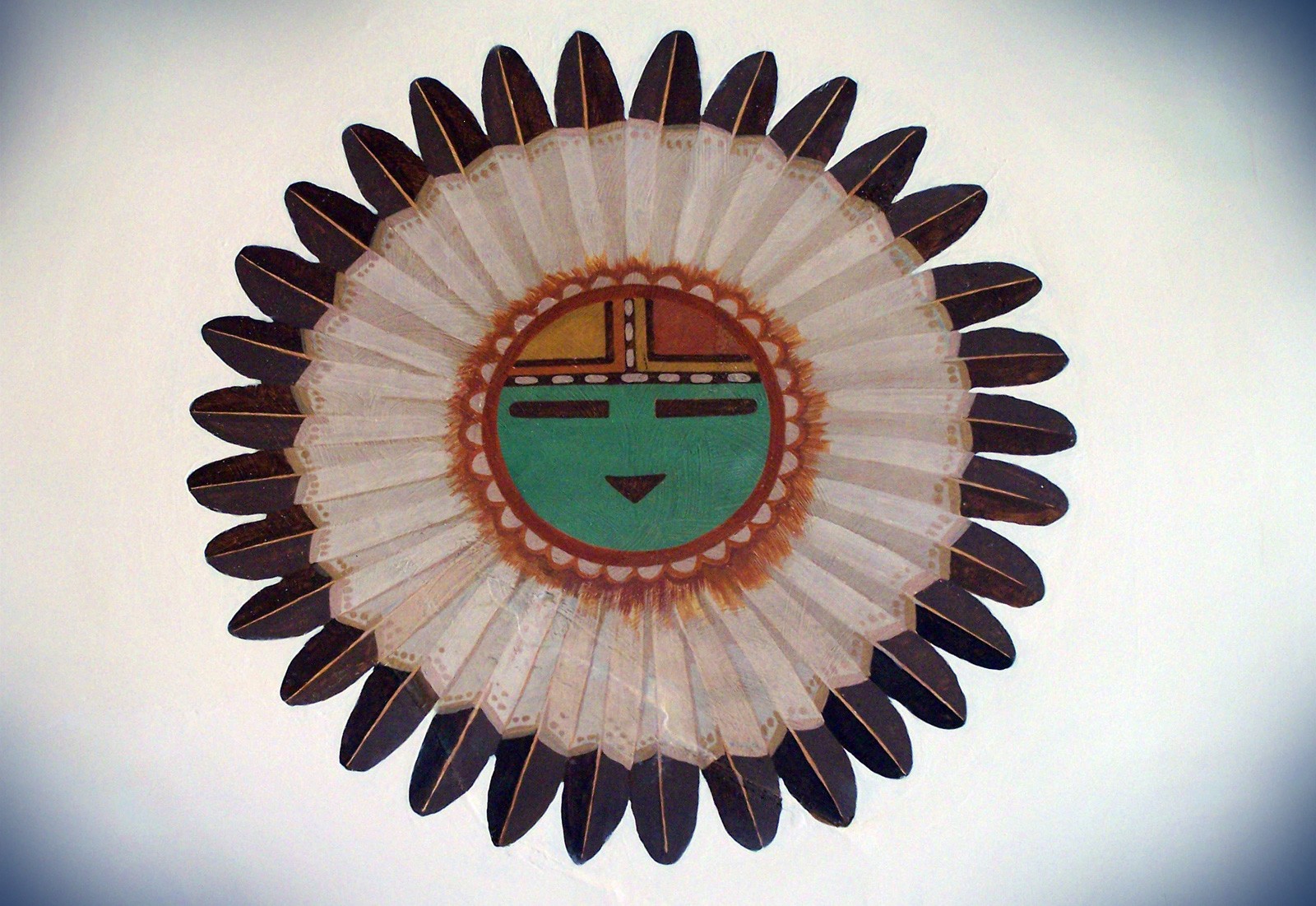
In the lower left corner is the symbol of the sun...This guy minus feathers...

Pic Fred Kabotie

Why? Cause the sunniest, hottest time of the year is also the wettest, the rainiest time of the year...Hence the constant confusion whether the supreme Hopi god was sun or rain god...

On each side of the screens are attached four artificial flowers. And on the right side of the screen, is what??? Well, J. Walter Fewkes didn't know...Let me see if I can help identify this "mysterious" 🙂 object...

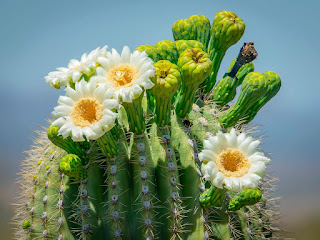
Ever heard of Saguaro cactus? Only the most recognisable thing from the Hopi land...Is the Horned God, Alósaka looking at a cactus? And if so, why would the God of Grain be looking at a cactus while holding a corn cob?

Pic by Learn more every day

Saguaro flowering begins around the last two weeks of April, and peak flowering occurs during the last week of May through the first week in June. 

Pic by unknown (to me) author

Pic by unknown (to me) author

Saguaro flowering is triggered by winter rain as well as the increased day length, and warmer temperatures of spring.

This is exactly when Hopis planted their corn...For corn to germinate, it needs soil soaked with water and warm temperature...Exactly what Saguaro cactus needs to start flowering...Hence Corn god looking at a cactus surrounded with flowers?

To read more about ancient animal and plant calendar markers, start here…then check the rest of the blog posts related to animal calendar markers I still didn't add to this page, and finally check my twitter threads I still didn't convert to blog post...I am 9 months behind now...

But you can start here, with "The Goat of Rain" from Iran...Why goat of rain? Cause: 

Ibex goats...

Pic by unknown (to me) author

in Iran start banging their heads in Oct/Nov...

Pic by Cheryl Ann Quigley

at exactly the same time when rain (god) arrives in that part of the world...

Which is why Ibex goat is the most depicted animal in Iran...

Pic by Bradshaw foundation

And we find dudes walking around Iran with caps with Ibex horns...

Pic by Met Museum

But before someone start talking about "Ancient Trans-Oceanic connections" and such stuff, I don't think that these two examples of Big Horned gods is a result of any such connection...It is an inevitable product of the hunter gatherers turning into farmers...

And farming needs some kind of calendar to tell you when to plough, when to sow, when to reap...A calendar which is in tune with the local climatic and vegetative cycle...

Now these hunter gatherers didn't know stars and such stuff to create stellar calendars...What they knew were plants and animals...And if you have animals that do the same thing every year, at the same time, then you can use them as calendar markers...

As agriculture become more and more important, and people start depending on it more and more, the animals related to the most important annual agricultural events become more and more important. To the point where they become deified...

And turned into gods...With characteristics of the original animal calendar markers animal...Or with the original calendar markers animal as their sacred animal...And this seems to have happen everywhere...And I believe totally independently...

It is just the way our brains work...It seems...

PS:

From "The Distribution of Rock Art Elements and Styles in Utah" by KENNETH B. CASTLETON, DAVID B. MADSEN