Showing posts with label Fish symbolism. Show all posts

Sunday, 6 April 2025

Vishap stones

I was re-reading my article about the mysterious (Early Medieval???) Glavica hill cemetery in Montenegro, which contains some very strange fish shaped slab tombstones...

So I googled "fish shaped stones" and this popped out:

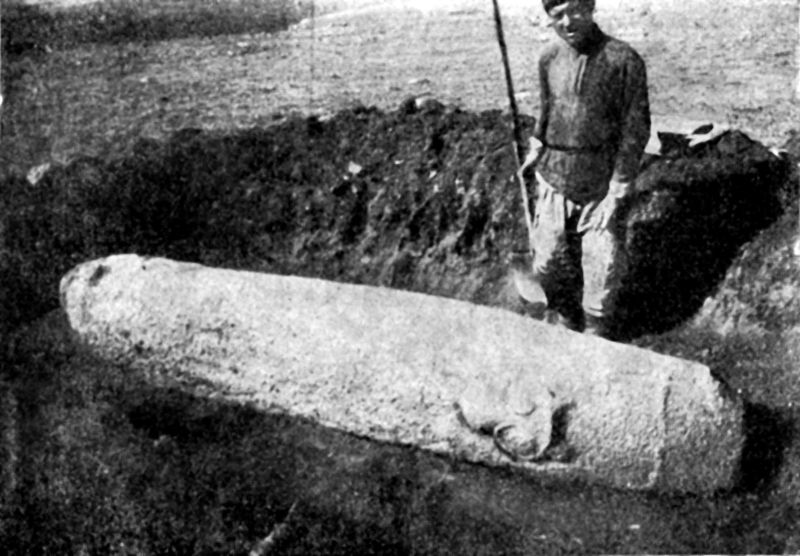
This weird looking thing is one of many so called "dragon stones" from Armenian highlands. The local Armenians used the term vishap stone and the local Kurds and Turks used the term azhdahak stone, both words meaning dragon....

The large majority of these monumental decorated stone stelae are found in Armenia around the lake Sevan. Few are also found in Turkey, South Georgia and Azerbaijan. You can read more about it here.

They were first documented in 1909. In this article we can read that:

"During excavations in Garni, N.Ya. Marr heard stories from local residents about vishaps, some kind of stones, images of snakes and dragons, lying high in the mountains. To clarify this information, N.Ya. Marr and Ya.I. Smirnov undertook a trip to the mountains..."

"...And indeed on one of the indicated locations they discovered stone statues, which once stood upright, but were at some point in the past knocked down and and ended up being covered with earth, so that many of them had to be dug up..."
This is a great video about the dragon stones from the Karmir Sar site by Dr Arsen Bobokhyan...Here are few interesting bits:

A lot of the Vishap stones originally stood in centres of circular structures made of stones, and were found toppled over them.

Earliest possible date for Vishaps construction, based on the bones found under the base of one of the stones is around 5000BC. Latest date for the knocking down of vishaps, based on the analysis of the organic remains found under fallen stones is around 1000BC.

There are indication that at least some of the Vishap stones were still venerated well after Christianity arrived to Armenia, as some of them were Christianised, as late as the 13th century AD

Based on their shape and iconography, three main classes of dragon stones have been identified:

Stones carved like a fish.

Stones carved as if a hide of a bovid had been draped or spread on them.

Stones which are carved like a fish, but with a bovid hide draped on it. And birds.
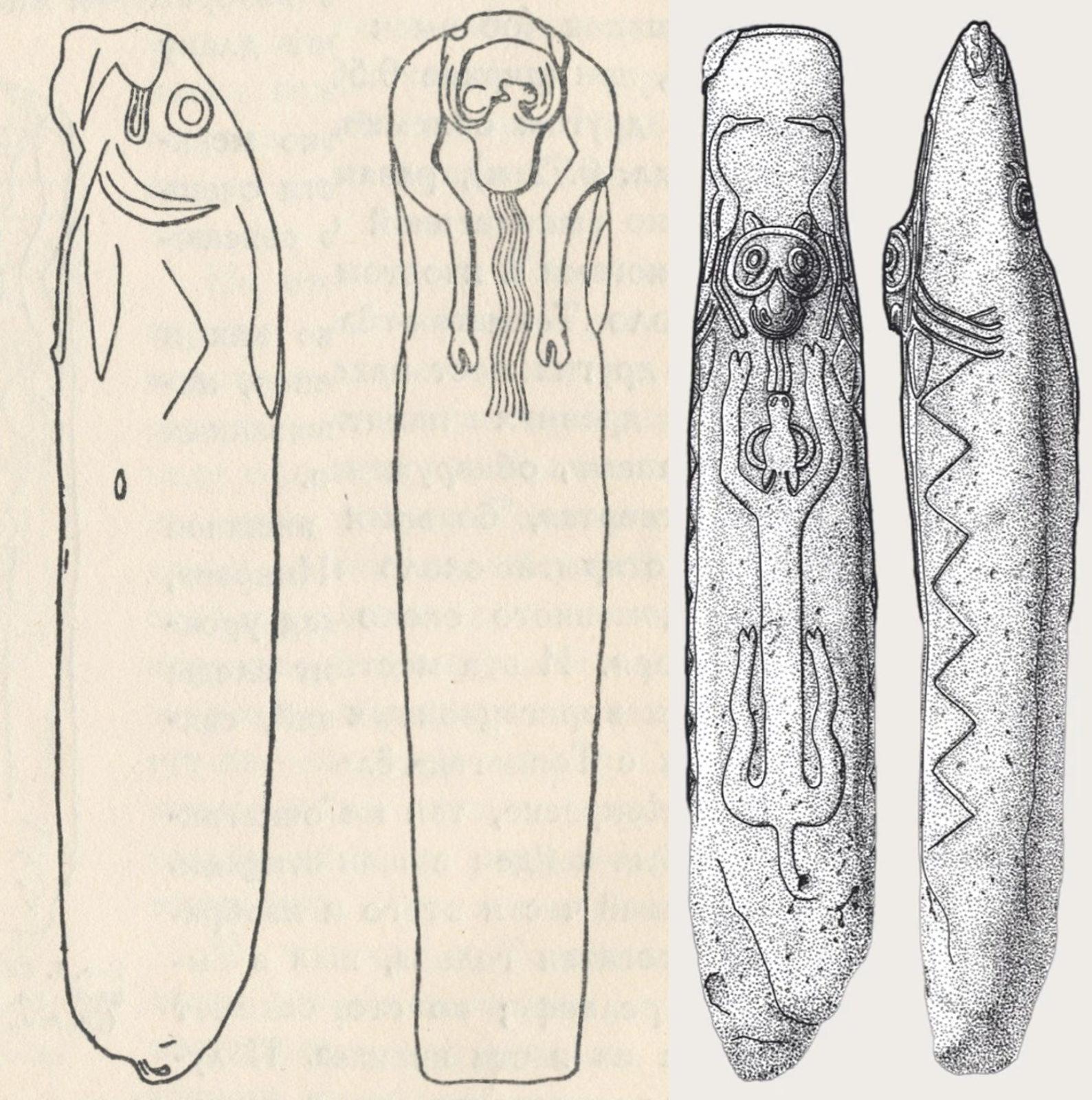
Now, what the hell are these stones? No one knows...

They are all located next to water, rivers, lakes and irrigation canals. So some archaeologists believe that they were in some way used during the rituals related to water and irrigation.

One thing that can help us understand what these stones were depicting, are Armenian legends about Vishap (dragon). In all of them, Vishap is associated with water. In one legend, Vishap's tail, when it hit the ground, outlined where the canals for irrigation should be dug.

According to another legend, a huge Vishap (dragon) lived in lake Van. When vishap was a thousand years old, the angels, who kept watch over the lake, picked him up from the water and carried him to the sun, the heat of which burned vishap and scattered the ashes on the ground.

Another version of this legend says that there are two types of Vishaps (dragons). The celestial vishaps descend into lakes and seas, and those who live in the water ascend into the sky, creating storms.

An old Vishap (dragon), who lived in lake Van. When time came for him to ascend to the sky, it flew into the sun and burned down, turning into black ash. The ashes were scattered over the lake, and it became black, after which the lake was called SEV Van (Black Van).

According to another legend, the drought happens at the time when Vishap (dragon) closes the path of the heavenly waters. In order for the heavenly waters to start flowing again, a protector of the people, the thunder hero, must kill Vishap (dragon).

So in Armenian mythology, we find the God of fire, thunder and war, Vahagn, the Dragon-Fighter, who immediately after birth defeats the dragon and saves the universe from destruction...

Later, Vahagn became St George, the victorious, the Dragon Slayer...

Some ethnographic studies propose that Vishap (dragon) was once worshiped in Armenia as the source of water, rain and fertility. 

Very interesting. Here is why:

In the past, during spring droughts, Serbs used to go to mountain lakes to pray for rain to "a dragon living in the lake, who swallowed the rain"...I talked about this in my post "Dragon who stole the rain"...
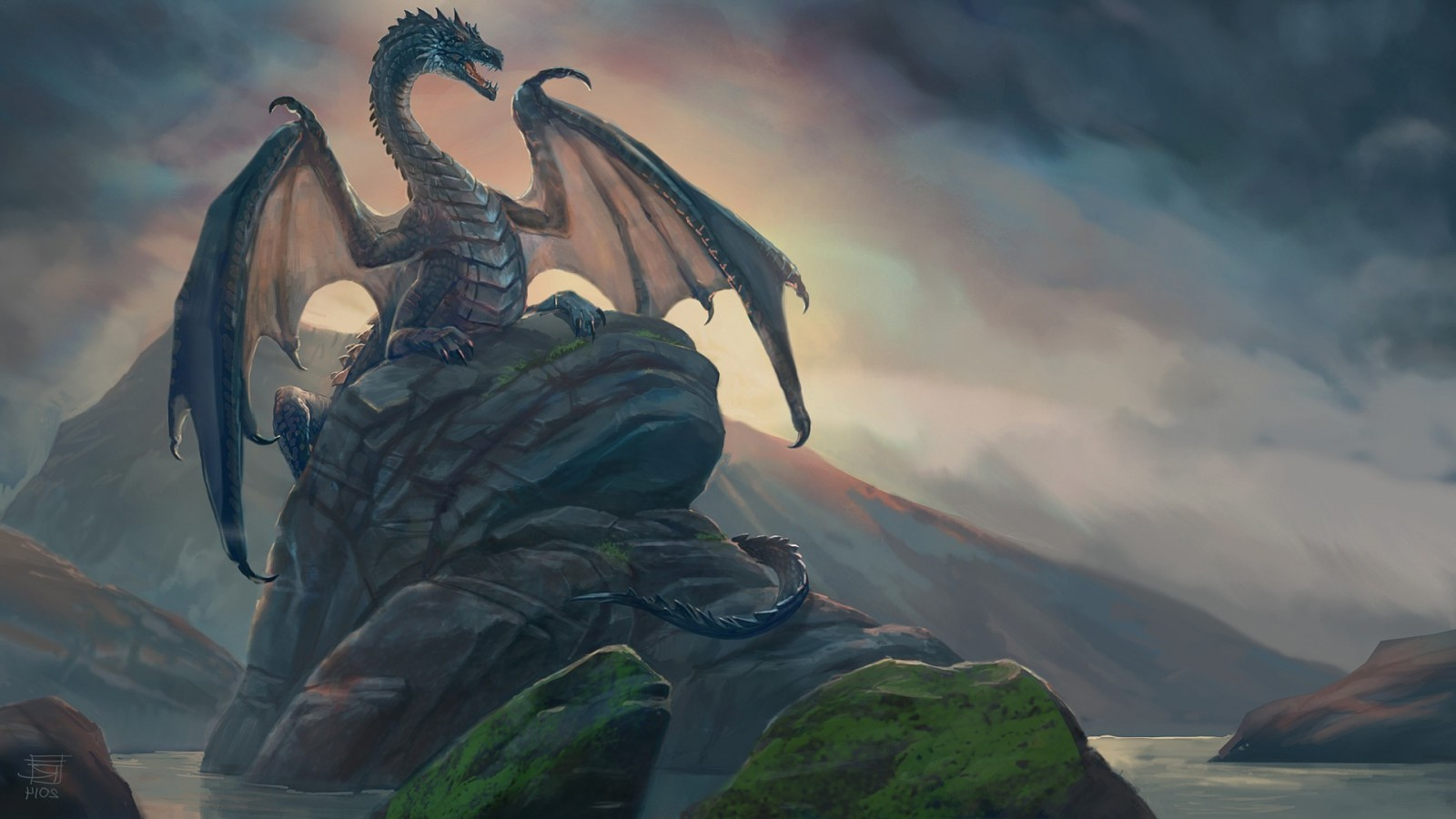
They also sacrificed a lamb to the dragon...On St George's day...The same sacrifice given to St George, the Dragon killer, on St George's day...I also talked about this in my post "Aries must die"...

In Armenian legends, Vishap is described as "water dragon with poisonous saliva". The name Vishap, might derive from an ancient Iranian term vi-šāpa, "having poisonous juices", used in reference to snakes...

Interesting, a snake = dragon...

As I said many times, snake is a pure solar animal. It is in our world when sun is here (day, hot half of the year) and it is in the underworld when sun is there (night, cold half of the year)...I talked about it in my posts "The chthonic animal", "Enemy of the sun"...

They saw snake as a solar animal, symbol of sun's heat in Mesopotamia too...

Because sun's heat is strongest in Leo, is the reason why in Iraq, in Tell Asmar, people depicted dragons with lion body. But also with seven snake heads, one of each sunny, hot month of the old Sumerian summer...I talked about this in my post "Seven headed dragon"...

Oh look, dragon killers and princess...

We find the same snake-sun symbolism in Central Asia...This is 3rd millennium BC, Bactrian seal depicting the sun god (see heat rays emanating from his shoulders) holding snakes, symbols of sun's heat...I talked about this in my post "Nude winged hero dominating snakes"...
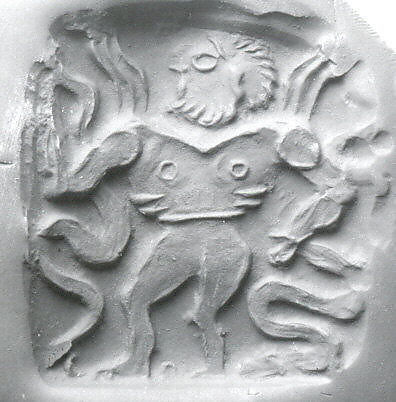
Snake is also an animal calendar marker for Apr/May, beginning of summer, domain of the sun. Why? Cause the mating season of the most common Eurasian snakes starts in Apr/May...

Hence Apollo, Caduceus topped by intertwined snakes, Hermes...I talked about this in my post "Lyre of Apollo"

So back to Vishap, poisonous water dragon...

There is a Serbian belief that "a dragon was just an old snake" and that "a snake got wings when it lived over 100 years, after which it flew away to live in lakes and waters"...Just like a Dragon to whom Serbs prayed for rain...

Slavic word zmaj (zmay) meaning dragon is masculine version of the word zmija (zmeeya) meaning snake...They are one and the same...symbol of sun's heat...More about snakes and dragons in Slavic folklore can be found in my post "Letnitsa treasure"... 

So that explains the snake=dragon=water bit from Vishap legends. But why was bull depicted on Vishap (dragon, snake) stones? Check this out:

Here is my favourite Bactrian seal. It depicts a snake with two heads: a dragon (left) and a bull (right)...Symbolically equating dragon (summer sun) and bull (summer starts in Taurus) and linking both with the sun's heat, symbolised by a snake body...I talked about this in my post "Bactrian snakes and dragons"...
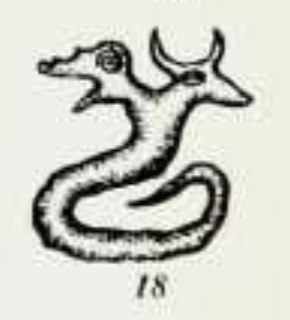
And: There South Slavic legends about people sacrificing girls to a lake monster. The monster was at the same time a dragon and a bull, Taurus = Beginning of summer, Bull = Symbol of summer, Dragon = Burning summer sun.

I talked about this in my post "Water bull"...

What does all this have to do with Armenian dragon/snake stones? Well, if we look at the climate chart for the lake Sevan area, we can see that the peak  of the rain season starts in Apr/May, Taurus.
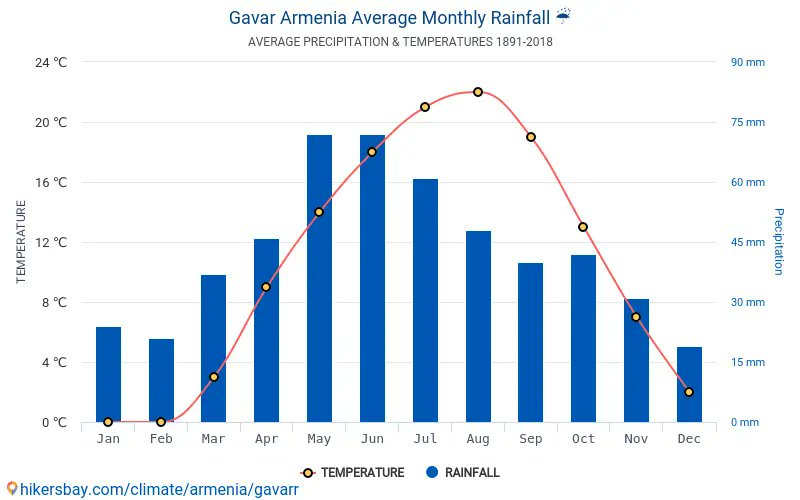
Taurus (Apr/May), the ancient animal calendar marker which marks the time of the year when Wild Eurasian cattle used to start calving... I talked about it in my post "Cow and calf ivory"...
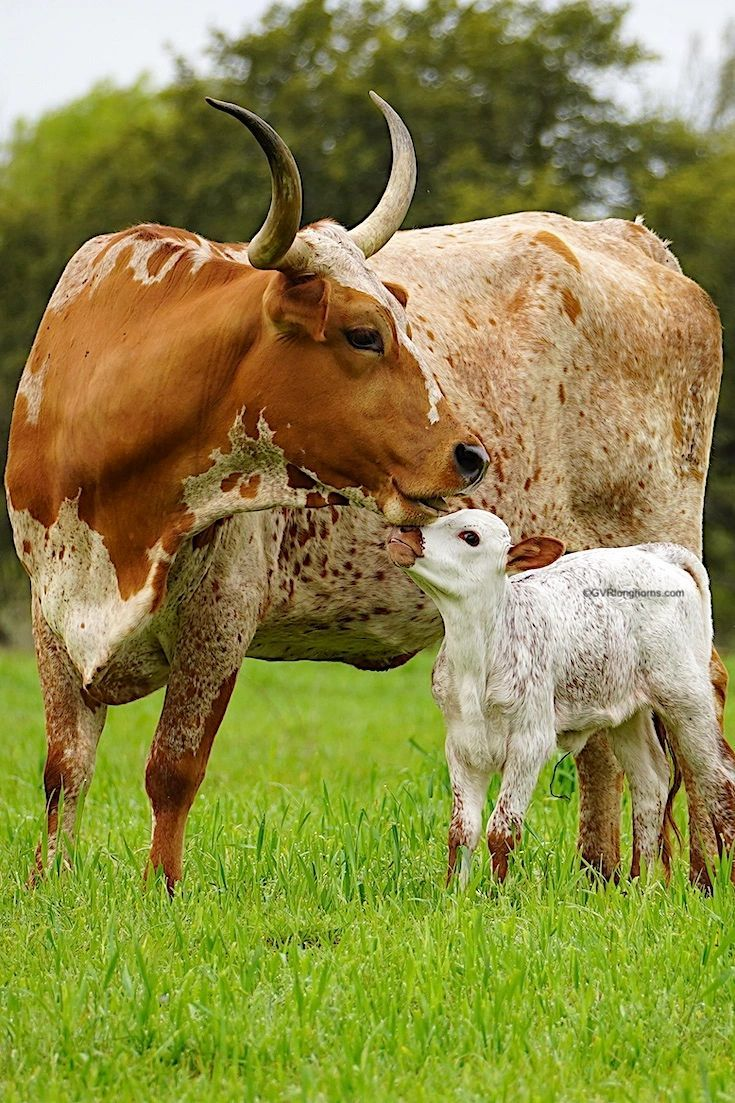
This is why in Armenia thunder god Theispas arrives riding on a bull...Basically animal calendar marker became god's vehicle...And as I said few times before, it is the sacred animal that is often sacrificed (sent) to the god.

In this case, bull. And people who built thes Vishap stones definitely knew about the link between bull and flowing water, as on a lot of the Vishap stones we see sacrificed bull spewing flawing water...

BTW, The water flow of the rivers in the area around the Lake Sevan, varies significantly during the year. In general, snow and ice melt result in spring floods during spring and summer, while the flow is lower in autumn and winter...Typical river discharge chart from the area

As you can see, the peak flooding season also starts in Taurus, Apr/May...Hence the bull depicted on Armenian Vishap (dragon) stones, spewing water...

Also, see how the Armenaian thunder god has a sun above his head? Why? Cause Taurus marks the beginning of summer, the hot part of the year...Which is why we have the equating of bull (symbol of summer sun) with dragon (symbol of destructive summer sun) in Serbian folklore...

And which is why in Armenian mythology, Vishap (Dragon) can give and withraw heavenly water...As you could see from the lake Sevan climate chart, the bull/dragon of summer usually brings rains, but sometimes the rains might not come, cause bull/dragon is angry...

Anyway, amazing, I can hear you say...But why were the Vishap stones shaped like fishes? And why were they shaped (as suggested) like catfish, barbel and trout, all local to the lake Sevan?


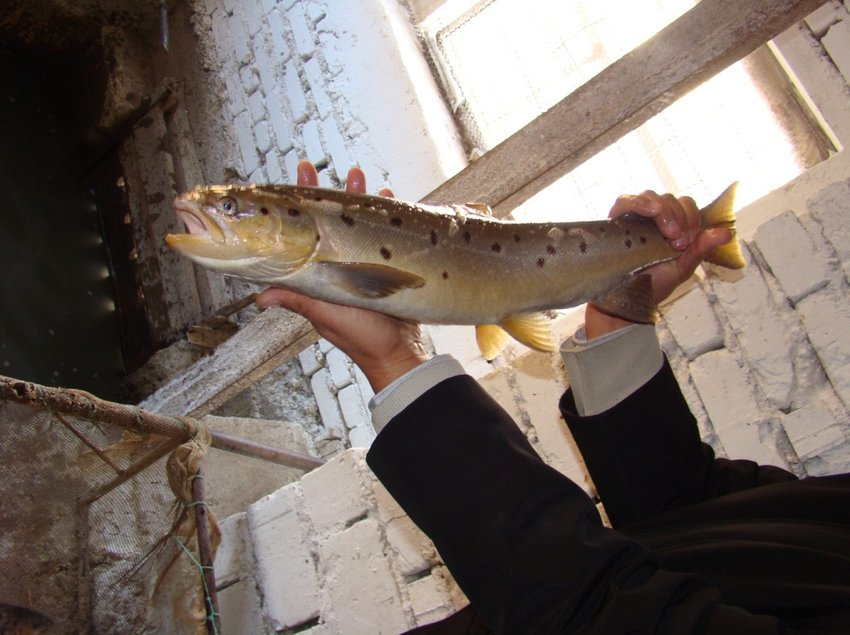
Guess what happens in the lake Sevan right after Taurus ends (and bull gets sacrificed)? These fishes start migrating either to the shallows (catfish, barbel) or up the rivers that feed the lake (barbel, trout) for spawning...In May/Jun...Peak of the rain and flood season...

Ok, but what about the pairs of long legged birds (it is proposed that these are storks) that are depicted on some of the Vishap stones? 

Well, Storks arrive to the lake Sevan area in Mar/Apr, rebuild their nests, and start nesting in Apr/May...

Storks leave the lake Sevan area right when the water level in the rivers goes down to the minimum, during the hottest time of the year, in Jul/Aug...Their presence in the lake Sevan area marks the rain/flood season in the area...The season ruled by Vishap, the Water Dragon...

So, if we put it all together

snake/dragon

bull

fish

stork

we get a complex animal calendar marker for the rain/flood season in the lake Sevan area where Vishap stones were made...

Interesting, right?

PS: Seal impression found in a "file room" at the ground floor of one of two large administrative buildings at the site of Acemhöyük, near modern Aksaray, Turkey. It was dated to c. 1750 BC...From this article...

The author proposes that the obelisk depicted on the seal is one of the Vishap (Dragon) stones from Armenian highlands that I talked about yesterday. Read the thread, then check the symbols depicted on the seal...

The seal description from the article [my comments]:

The image is a tripartite composition. Within a braided circle [wavy lines, flowing water?], we see a standing man on the left, an obelisk-shaped object in the middle and a sitting woman on the right...

We recognise here the classic elements of an adoration scene, with a male adorant (presumably the owner of the seal) performing ritual offerings in front of an enthroned goddess...

In this case, however, the ritual act is mediated by the obelisk-shaped artefact that conspicuously occupies the center of the scene and that appears to be the actual recipient of the adorant’s offerings...

This "obelisk" is a pointed, elongated object standing on a base, incised with parallel grooves and adorned with two protruding horned bovine heads and the dangling foreleg of a bovine, to be probably interpreted as the lateral view of a leg pair...

[Don't forget the bull head, left of the top of the obelisk and the bird, right of the top of the obelisk]

[What is the think the goddess is holding in her hand? Symbol for lightning?]

To read more about ancient animal and plant calendar markers, start here…Then check my twitter threads I still didn't convert to blog post...I am way way behind...

Thursday, 22 August 2024

Horned animal attacked by a dolphin

A very very strange Minoan seal. "Horned animal attacked by a dolphin". Seal now in Berlin. AGDSII, No. 57...

I came across this seal in the paper "Minoan Sacrificial Ritual" by Nanno Marinatos. Here is what she says about this remarkable object:

"The most surprising of all animals represented as predators [on Minoan seals] is the dolphin. Here we are not merely moving into the realm of the fantastic, but of the improbable as well."

"Because the dolphin, a marine mammal (certainly a fish in the Minoan classificatory system) is represented as actually attacking horned animals!"

"The paradox here is so blatant that scholars of Minoan art have tried to find alternative explanations and designate the dolphin as a fish-monster. Yet the evidence [that this is a dolphin] is unmistakable."

End of quote...

So how are we to understand this? Through animal calendar markers...I already talked about dolphin as a calendar marker for the warm, dry half of the year in Mediterranean in my post "Coin from Byzantion" about this coin:

THRACE, Byzantion C. 340-320 BC. Heifer standing on dolphin; trident head below raised foreleg...Why? Well it's all about climate which determines the sailing season in Eastern Mediterranean, and lifecycles of wild Eurasian cattle and dolphins...

The reason why dolphin became an animal calendar marker for hot part of the year, is because dolphin mating and calving season in Mediterranean spans period May-Oct. And because dolphin gestation is about 12 months, the birthing season overlaps with the mating season. Both mating and birthing take place in the shallows, and is therefore easily observable by people living and fishing along the coast. 

The mating periods for the three main dolphin types in Mediterranean are:

Common bottlenose dolphin (Tursiops truncatus) May - Aug, peak Jun/Jul

Short-beaked common dolphin (Delphinus delphis) May - Sep, peak Jul/Aug

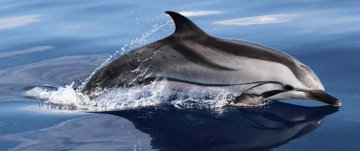
Striped dolphin (Stenella coeruleoalba) Jul - Oct, peak Sep

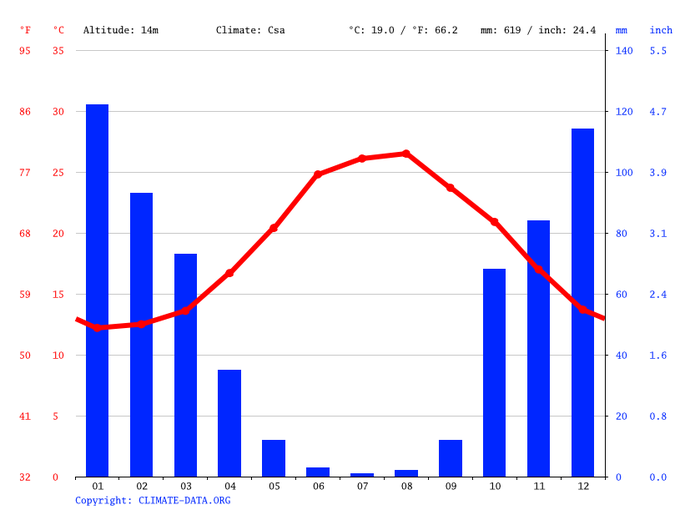
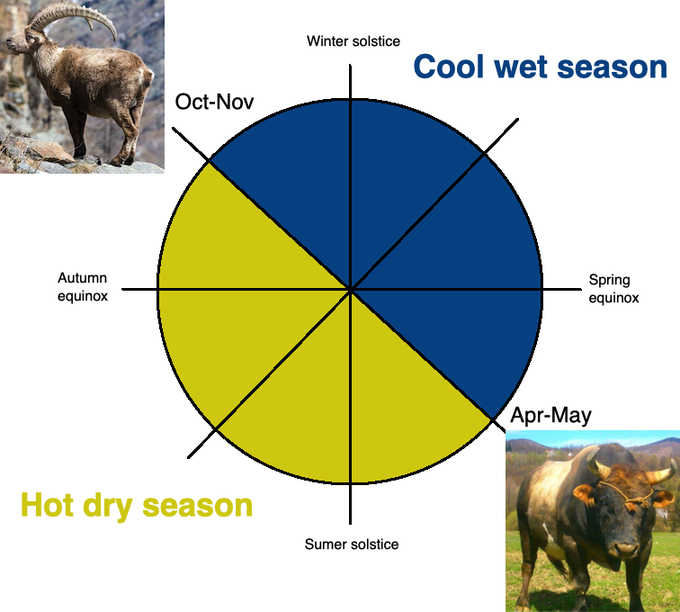
This is climate in Crete...The climatic year is divided into hot and dry half (Apr/May - Sep/Oct) and the cool and wet half (Sep/Oct - Apr/May)...

The beginning of the hot dry season coincides with the beginning of the calving of the wild cattle (Apr/May) and the beginning of the cool wet season coincides with the beginning of the mating of the wild goats (Oct/Nov)...


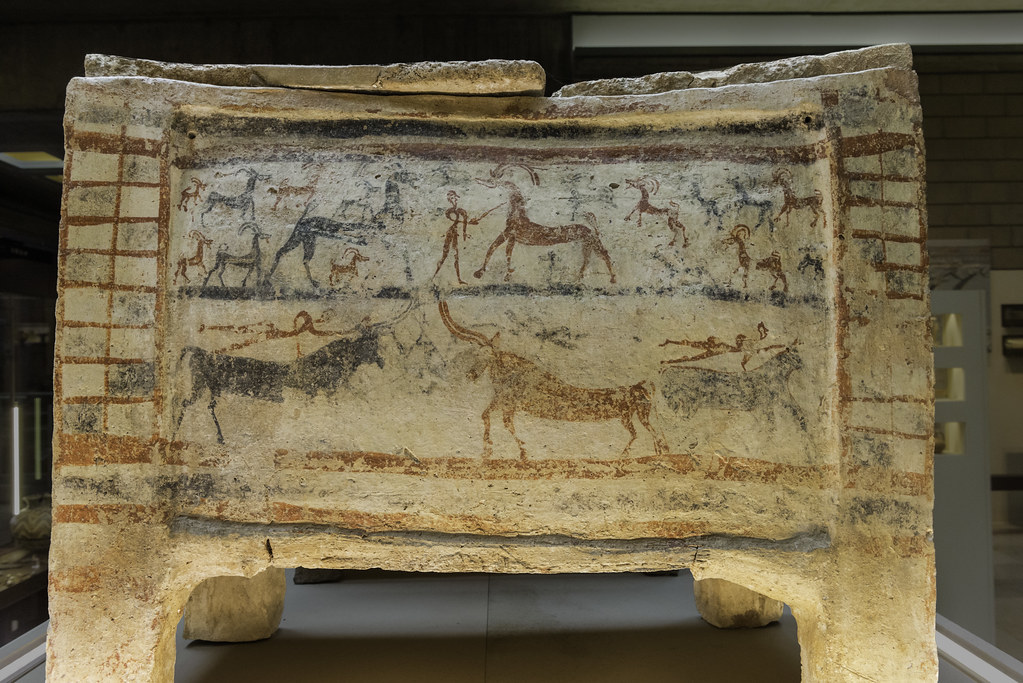
I talked about this goat/bull dualism in Minoan art in my posts: "Goat riding thunder god", "Minoan bull sacrifice", "Theseus ring"...

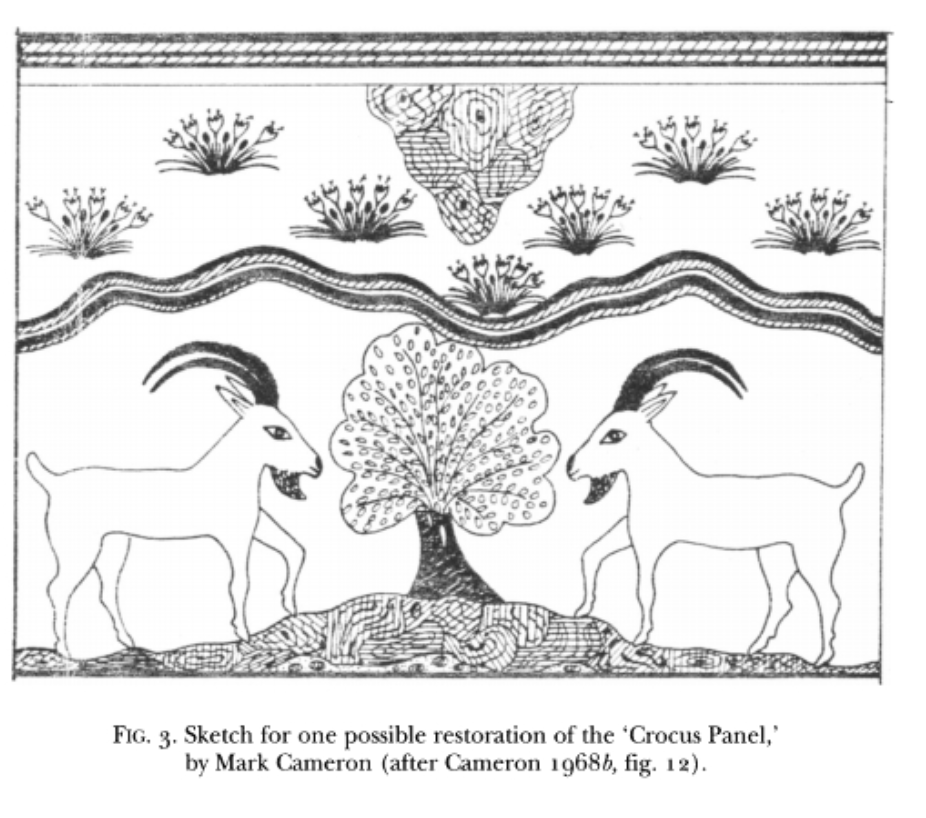
Anyway, because it looks like it is "the virile goat who brings rain", in Minoan Crete we find The Goat of Rain associated with winter, rain, water, vegetation and the tree of life...I talked about this in my post "Goat riding thunder god"...


This is also why we see Ibex goats depicted with vegetation growing out of their backs (actually out of the water which falls as rain and snow during winter which is heralded by the beginning of the Ibex mating season). I talked about this in my post "Theseus ring"...

I further talked about the link between ibex goats, mountains, Minoan mountain sanctuaries, winter, rain and water in my post "Sanctuary rhyton"..

This rhyton was discovered in the palace of Zakros, the most isolated of all the Minoan Palaces and was dated to 1550-1500 BC. The decoration on the rhyton depicts a "mountain sanctuary". Were these mountain sanctuaries centres of Ibex "goat of rain" cult? 


So...Back to the "dolphin attacking ibex goat (the horned animal is ibex goat)" seal. Knowing all this stuff now, how can we interpret this "crazy scene"?

The beginning of the hot dry season coincides with the beginning of the mating of the dolphins (Apr/May) and the beginning of the cool wet season coincides with the beginning of the mating of the wild goats (Oct/Nov)...


Dolphin, symbol for the hot, dry season (May/Oct) follows (attacks) ibex goat, symbol for the cool, wet season (Nov/Apr)...

That I might be onto something here can be seen from this other seal also found in the "Minoan Sacrificial Ritual" paper: 

"Horned animals, bucranium, plant and dolphin". Seal now in the British Museum. CMS VII, 111.

You can see how the two goats, two symbols of cool wet half of the year (Oct/Nov - Apr/May), which are linked with vegetation, are opposed by bull and dolphin, two symbols of the hot, dry half of the year (Apr/May - Oct/Nov)


Dolphins and bulls are linked together, just like on this coin:

THRACE, Byzantion C. 340-320 BC. Heifer standing on dolphin; trident head below raised foreleg...Why? Well it's all about climate which determines the sailing season in Eastern Mediterranean, and lifecycles of wild Eurasian cattle and dolphins...I talked about this in my post "Coin from Byzantion"...


Will write more about dolphins in Minoan art soon. 

In the meantime more Minoan and Mycenaean related articles: "Cornucopia", "Abduction of Persephone", "Painted eggs from Knossos", "Goats and partridges", "Saffron", "Origin of saffron"

Interestingly, this Ibex goat vs Fish/Bull symbolic dichotomy is also found in Mesopotamia...

I talked about this in my posts "Goatfish" and "Goatfish with ram head"...

And in my post "Feast plaque from Louvre"


That's it. To read more about ancient animal and plant calendar markers, start here…Then check my twitter threads I still didn't convert to blog post...I am way way behind...

Sunday, 7 July 2024

Siberian smith god

Two of many similar figures made by the people of the Kulai culture, which thrived along the Ob River and its tributaries in western Siberia between the 5th century BC and the 5th century CE. From "Frozen magic, the ancient art of Siberia"...

According to the authors of the "Frozen magic, the ancient art of Siberia": The most distinctive feature of these figures is the disproportionate human form. It is unlikely that this effect was unintentional and was probably done to emphasise that we are dealing with a deity... 

The figure have a limping stance, a consistent trait among all known figures in this style. Ancient artisans intentionally crafted one leg shorter than the other, creating a deliberate asymmetry that contrasts with the figure’s symmetrical facial features... 

The authors of the "Frozen magic, the ancient art of Siberia" then propose that these figures might depict a limping blacksmith deity, that fits the common archetype found in other mythologies...  

Mythological figures such as the Greek Hephaestus, Scandinavian Völund, Scythian Targitaus, and the celestial blacksmith Kurdalagon of the Ossetian-Nart people all share a limp. BTW, if you want to know why they are all limping, check my post "Vučedol dove" out...

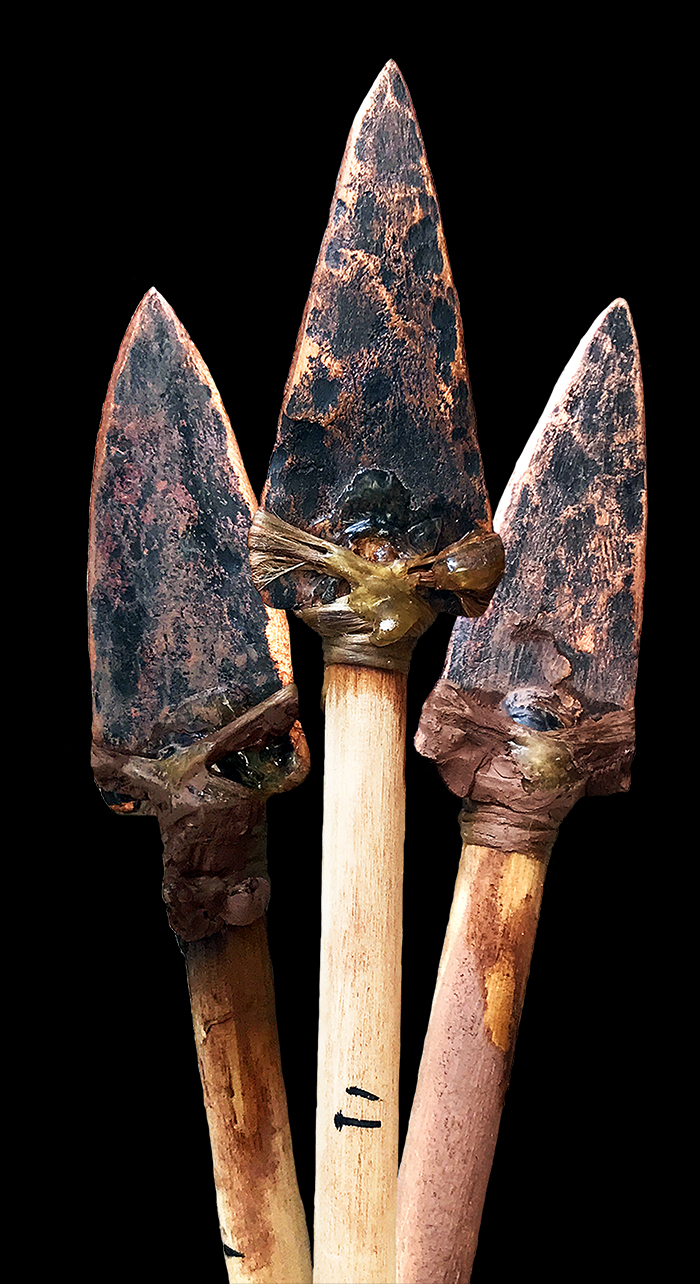
The gist is that the first, most primitive form of bronze made was arsenic bronse. Arsenic is extremely poisonous, and it gets released into the air from the molten metal in a form of toxic fumes... 

The first sigh of arsenic poisoning is the loss of the sensation in the legs, which then expands throughout the body and finally leads to death...Therefore forging this metal was a dangerous job... 

But if you got out of your workshop on time, then the danger passed, although limping due to loss of sensation in the legs remained for some time...Sounds familiar so far? A lame, limping smith...

Anyway, the authors of the "Frozen magic, the ancient art of Siberia" then go to say that this deity is obviously connected to the underworld...Because both fish and lizard are chthonic animals...

Eeeee what? 

I would first like to agree that this figure is most likely a blacksmith deity. I would then like to propose that this is also a solar deity. Why? Cause of Svarog (Сваро́гъ) is a Slavic god of celestial fire and the father of Dažbog, Slavic sun god... 

Svarog was in the 15th c. Hypatian Codex, a Slavic translation of the Chronicle of John Malalas, equated with Hephaestus, which means that he was not only the god of sun's fire but also of the smith (crucibel) fire...His name comes from the root "svar" which means fire...

Interestingly, Dažbog, who is among Serbs known as Dabog, was imagined as a lame, limping god...He was also the god of the underworld...Strange for a sun god to be the god of the underworld, I hear you say...

No, not really...Where does the sun spend every night? Where is the sun's palace, whose gate the morning star opens up every morning so the sun can drive his chariots into our world? It's in the underworld, the land of the dead, of course... 

So I also agree that the strange objects made by the people of the Kulai culture depict a deity which is connected to the underworld. But not because "fish and lizard are chthonic animals"...They are not. They are animal calendar markers for the hot half of the year...

Lizards are obvious animal calendar markers for summer. They are cold blooded creatures, which are only outside when the outside temperature gets high enough to warm their blood. Siberian lizards emerge from hibernation in Apr and mate in May/Jun... 

I talked about lizard as an animal calendar marker for summer in my post "Bes" about Onega Lage petroglyphs...


This is also a great example of lizard being used as an animal calendar marker for the hot half of the year. 

A (strange) griffin killing a lizard. 6th century mosaic, Great Palace Museum, Istanbul. Another complex animal calendar marker, this one depicting cold half of the year killing (ending) hot half of the year. Full analysis of the symbolism in my post "Griffin killing lizard"...


So that's lizard. What about fish? 

The people of the Kulai culture who made these strange figurines lived along the Kazym river, the right tributary of Ob river. The Kazym river is fed mainly by snow. It freezes in early November and begins to thaw in late May.

Which is when Taimen, the biggest salmonoid in the world, starts its upstream spawning migration towards the upper reaches of the small tributaries where they spawn in the shallows in May/Jun


I talked about migratory fish used as animal calendar marker in my post "Pisces". 

25000 years ago a Palaeolithic man carved salmon into the ceiling of a cave near the Vézère River in France. Why? Because in the past, salmon fishing season, which starts in Pisces (fish) 🙂 was one of the main food gathering seasons in Continental Europe


I also talked about migratory fish used as animal calendar marker in my post "The dragon gate" about jumping carp from China. Porcelain Dish c.1700, depicting the Chinese legend about The Dragon Gate. If a carp manages to swim up Yellow River and climb up the waterfall to the gate and jump through it, it will turn into a thunder and lightning dragon.

And in my post "Apkallu" about the giant Mesopotamian carps which migrate upstream for spawing every year during the annual flood season . 

Gold and lapis lazuli carps found in the grave of the Sumerian Queen Puabi who was buried in Ur around 2500BC...Gold for sun and blue for water...About Mesopotamian carp, carp flood, Enki and his Apkallu...

So both of the animals depicted on the strange oval heads of the Kulai culture figures are animal calendar markers for the beginning of summer in Siberia. So I would suggest that the reason why these figures have such huge heads is because they are supposed to symbolise summer sun...

Ok...But what does any of this have to do with metallurgy and smith gods? Well, as it turns out, in the past, in areas with continental climate with a lot of snow, metallurgy was a seasonal activity performed during the summer. I talked about it in my post "Mishipeshu" about the Ancient Native Americans coppersmiths from the great lakes. 

It's kind of obvious, when you think about it. In the past ore was mostly extracted either from shallow shafts, or from river sediments. Both of which are during the winter covered with pile of snow and ice and inacessible. Also it is impossible to work outside on -50 C...

Hence Siberian lame sun smith god figurines decorated with fish and lizard, the two animal calendar markers for the beginning of the metallurgical season in Siberia...What do you think? Makes sense?

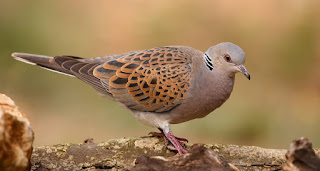
BTW, it just occurred to me why Bronze Age Vučedol culture smith could have had this partridge/dove figurine in his forge: both birds are symbol of spring, animal calendar markers for the beginning of the metallurgical season in the Balkans...

The reason we don't know exactly what bird it is:

Native Balkan dove

Native Balkan partridge

See what I mean?

But what we know is that Partridge is in Greek myths directly linked to lame smiths, like Hephaestus...Dove is linked to Aphrodite...

Hmmmm...

That's it. To read more about ancient animal and plant calendar markers, start here…then check the rest of the blog posts related to animal calendar markers I still didn't add to this page, and finally check my twitter threads I still didn't convert to blog post...I am 9 months behind now...