Showing posts with label Dionysus. Show all posts

Saturday, 19 April 2025

The boat of Dionysus

Dionysus' Kylix (cup) from Vulci, Etruria, Italy - 530 BC - currently in Staatliche Antikensammlungen of Munich, Bavaria, Germany

Interesting scene. Dionysus arriving on a boat and bringing ripe grapes, surrounded by leaping dolphins...

What could this mean? Well...

Dolphin was an animal calendar marker for Apr/May-Oct/Nov.

The reason why dolphin became an animal calendar marker for hot part of the year, is because dolphin mating and calving season in Mediterranean spans period May-Oct.

It takes place in the shallows, and is therefore easily observable by people living and fishing along the coast...

I talked about this in my post "Minoan dolphin fresco", about the famous Minoan "dolphins fresco" from Knossos, Crete, dated to 1500BC...

Guess what? Apr/May-Oct/Nov is also the sailing season in Eastern Mediterranean. 

I talked about it in my posts "Trojan horse", "Three sacrifices" and "Anat"...

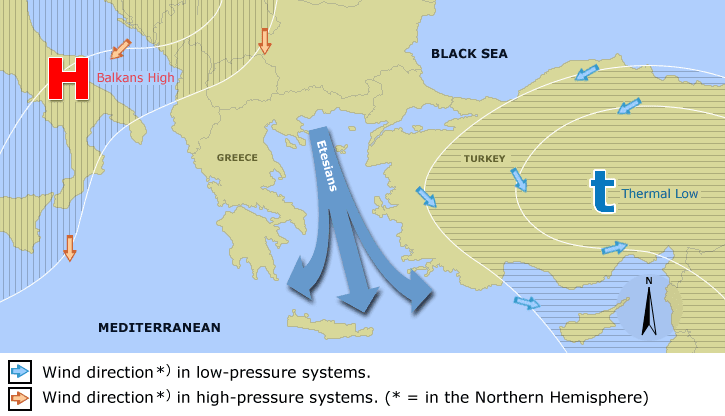
It's all to do with the Etesian winds

Which blow between Apr/May and Sep/Oct

According to Hesiod, the middle point between the beginning and the end of the dolphin mating season, Jul/Aug, Leo, is "the best time to go to the sea"...I talked about this in my post "Tetradrachm from Byblos" about this amazing 4th c. BC, silver coin from Byblos.

According to Hesiod: "Fifty days after the solstice, when the season of wearisome heat is come to an end, is the right (best) time for men to go sailing"

That's Jul/Aug, when Lion (autumn) kills (ends) Bull (summer). 

Aug/Sep is the beginning of the grapes harvest season in Greece and Italy...On this Archaic Greek amphora made in Athens 540–530 BC and currently in MFABoston, we see Dionysus seated in the middle of a vineyard during a grapes harvest. He is actually depicted as the root from which all the grapevines grow...


This is why ripe grapes are a plant calendar markers for autumn...I talked about this in my post "Skipping", about this amazing Archaic Greek black-figured amphora, found in Etruscan city of Vulci, Italy, dated 520BC...Depicting Leto holding Apollo and Artemis, standing between grapes and ivy. Why? One of the best examples of the use of plant calendar markers I have ever seen...

So when we put this together, the scene from the Dionysus' Kylix means: The grape harvest starts (ripe grapes are brought by Dionysus) in Aug/Sep, right after the best time to go to sea, which is Jul/Aug...

I think 🙂 What do you think?

That's it. To read more about ancient animal and plant calendar markers, start here…Then check my twitter threads I still didn't convert to blog post...I am way way behind...

Saturday, 21 September 2024

Mosaic floor from Sulcis, Sardinia

This Roman mosaic floor from Sulcis, Sardinia depicts leopards drinking from a krater for mixing wine and water with a grapevine growing from the krater...

What is this all about? Animal and plant calendar markers...Of course 🙂

Leopard was closely associated with the god Dionysus (Bacchus), god of rebirth (of nature).

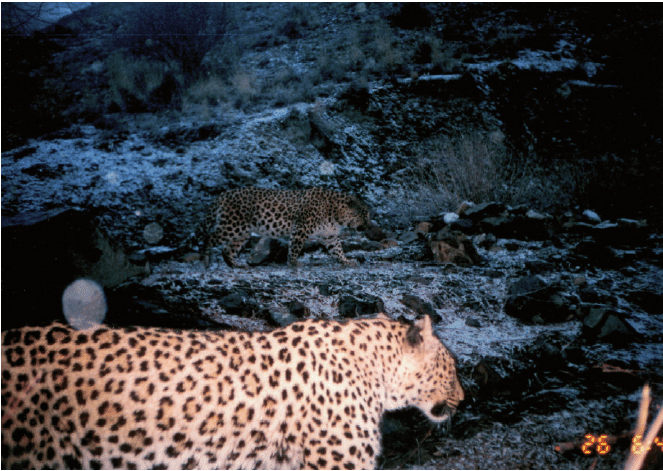
Why? Cause leopards, which mate in Jan/Feb, are animal calendar markers for the end of Winter, start of Spring. The time of rebirth of nature...


You can read more about this in my posts "Leopard and tiger"...

Few more Dionysus posts explaining animal and plant calendar markers embedded into his mythology: "Patera of Rennes", "Maenades with hare", "Furious maenad", "Thyrsus"...

Here is another really cool depiction of the same scene with wine mixing krater flanked by two leopards and grape vine growing from it, from a sarcophagus found in Serbia...

The moment of discovery of a Roman stone sarcophagus found inside the crypt decorated with frescoes and mosaics at Beljnjača archaeological site in Šid, Srem region, northern Serbia...

The sarcophagus was dated to 4th c. AD. It was made of white marble from Austrian Alps, probably carved in nearby Roman city of Sirmium, one of the biggest Roman cities of its time with over 100k inhabitants...

The sarcophagus, which was robbed soon after the burial, originally contained remains of a couple, an officer and his wife, who were depicted on the side of the sarcophagus...

The front and back of the sarcophagus were decorated with mythological motifs: panthers around crater with grapevine as elements of Dionysus cult, personifications of the seasons of the year, and Medusa heads...


More about this artefact can be found in these two articles: 1, 2...

So? What does it all mean?

The rain and snow that fall during winter, the time of the year ruled by Dionysus, is what ensures rebirth of nature in Eastern Mediterranean...Where the cult of Dionysus most likely originated...

Levant

Crete

As you can see, the rain falls between the the grape picking (I talked about this in my post "Crocus fairy") which ends  before (Oct/Nov) 

and the grape flowering (I talked about this in my post "When grapes flower") which starts after (Apr/May)...


And guess what happens in Feb/Mar? Anthesteria, an ancient Greek three-day festival in honour of Dionysus...When the new wine was first drank...

Oh, and guess what else happens in Feb/Mar, when during Anthesteria the new wine was mixed with water in kraters? 

Grape vine rebirth.


After it died, after all the leaves fell off at the start of winter, it gets reborn, with new leaves starting to grow at the start of spring...

And so new grape vines growing out of a krater for mixing wine with water, flanked by two (couple of mating) leopards (panthers)...

Neat, I think...

@another_barbara:

Mixing wine and water in a chalice during a resurrection ritual ...  🤔 Why does that sound so familiar ... 🤔🤔😃.

Same all, same all...

To read more about ancient animal and plant calendar markers, start here…Then check my twitter threads I still didn't convert to blog post...I am way way behind...

Sunday, 19 May 2024

Eros riding ibex

Ancient Greek gold earring, c. 4th-3rd c. BC. A winged Eros, riding an Ibex goat and holding a Thrysus staff, symbol of Dionysus...


Sold by Christies 

Full of animal and plant calendar markers pointing to Oct/Nov, beginning of winter...

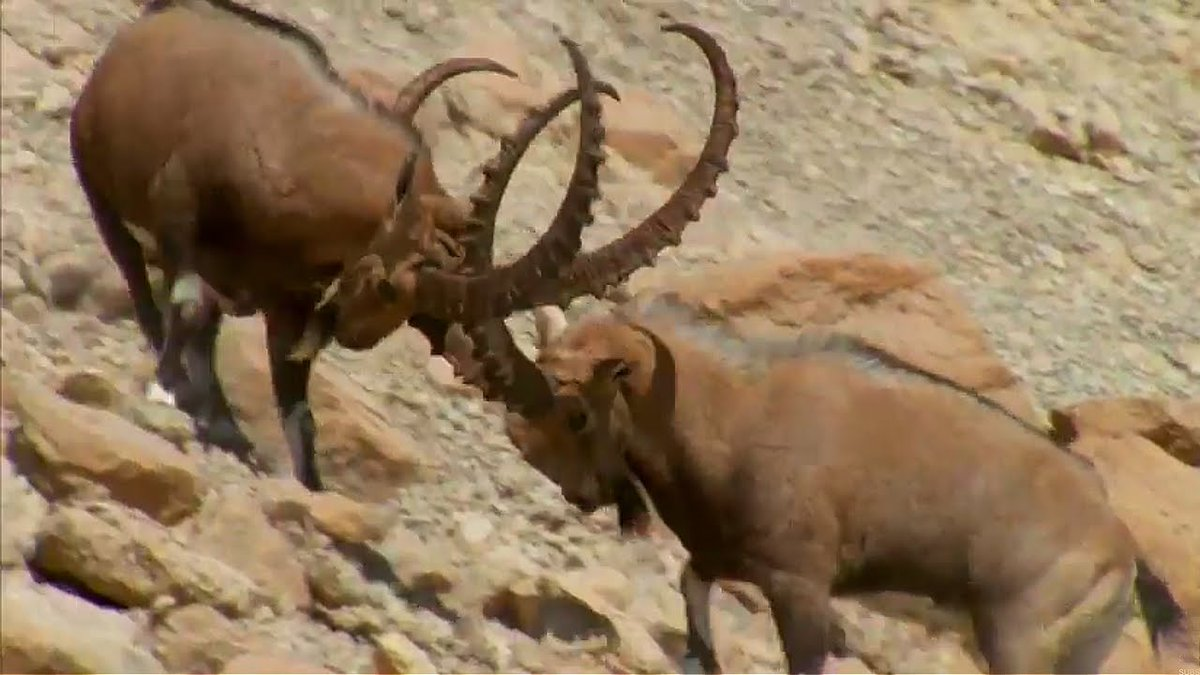
So let's start with Ibex goat. Across their range, Ibex goats start mating in Oct/Nov...At the beginning of winter...And they announce that to the world by loudly banging their heads...Not something you can easily miss...

In Eastern Mediterranean (Crete, Cyprus, Levant), Mesopotamia, Central Asia, Iran), where climatic year is divided into hot dry half and cool wet half, Oct/Nov is also the beginning of the cool wet half of the year. 

The time when the first rains arrive...

Crete


Levant


The rains which bring rebirth of nature...

Officially: "Golden ring depicting goat sacrifice", Mycenaean, 1500BC. I don't think so. Ibex was in Minoan, and later Mycenaean culture linked to rain season and regeneration of nature. This could be sacrificing to the Goat (of rain), not of a goat...I talked about this in my post "Theseus ring"...

The observed overlap between the beginning of the Ibex goat mating season and the arrival of the rains, turned Ibex goat into The Goat of Rain...I talked about this in my post about this Neolithic vessel from Tepe Hissar, Iran


Which is why in Iran, Ibex goat is one of the most depicted animals...

And one of the first deified animal calendar markers...I talked about this in my post "Goat petroglyphs from Iran"...


As for Europe, what do you think Pan is? Ever thought why Pan is "The Old God"...Pan riding a goat. Boscotrecase, Italy, 45–50 CE, plaster and pigment, The Bible Lands Museum, Jerusalem

I talked about this in my post "Pan, god of rain"...

Here is Pan depicted with Dionysus on a sarcophagus fragment, Ashkelon, ca. 1st–3rd century CE, marble, Israel Antiquities Authority...The god of resurrection welcomes the arrival of the Goat God...

Why do you think cornucopia was originally an actual goat horn which belonged to Amalthea, the Ibex goat that suckled infant Zeus (god or rain) on Crete...Goat of rain suckled God of rain...Cool...Dionysus and Plutos with cornucopia...

I talked about this in my post "Cornucopia"...

More about deified goat of winter (and rain) in Europe can be found in my post "Goat in European culture"

Ok...That's goat sorted...It is an animal calendar marker that points to Oct/Nov...What else is there that points to Oct/Nov, beginning of winter? 

Thyrsus, the staff of Dionysus...I talked about it in my post "Thyrsus"


Thyrsus stick was made from a stalk of a giant fennel. It had a pine cone stuck to its top. The stick was then wrapped with ivy and grape vines...

In Ancient Greek mythology, when Prometheus stole fire from Zeus, he brought it to people by hiding it in the hollow stalk of the giant fennel...

Here he is, with fennel torches...

So am I wrong to think that the Thyrsus fennel stick symbolizes the power of Zeus, thunder (and rain) god? I mean, fire stolen by Prometheus was the product of Zeus's lightning...

And as I said, in Eastern Mediterranean (Crete, Cyprus, Levant), Mesopotamia, Central Asia, Iran) the Goat (sorry God) of rain arrives in Oct/Nov...

So a lightning fire stick...Wrapped with grape vines...Grape vines without grapes...You know how Dionysus is a god of wine...Which is made after the grape harvest...Which lasts from Aug to Oct...

So grape vines on the Thyrsus staff of Dionysus mark the end of the grape harvest Oct/Nov...And beginning of wine making...And the time when saffron crocuses, another symbol of winter, start flowering...I talked about this in my post "Crocus fairy"...

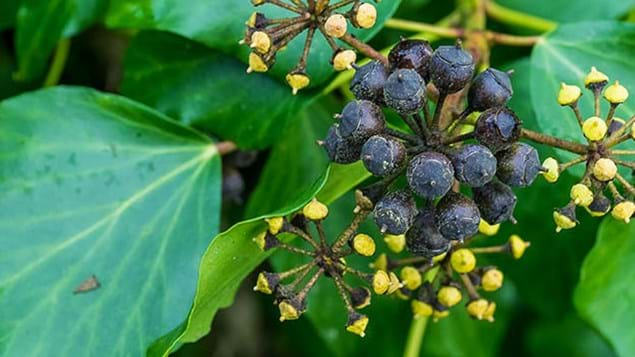
So a lightning fire stick...Wrapped with grape and ivy vines...Ivy with fruits...See these little dots between the ivy leaves? I talked about this in my post "Furious maenads"...

Interestingly, Ivy flowers in September to November, after the grapes are harvested, and its fruits ripen in November to January...So the ivy fruit season spans the whole of winter. The time of Dionysus...I talked about this in my post "Woman and pitcher"...


So a lightning fire stick......Wrapped with grape and ivy vines...And topped with a pine cone...Pine cones which are ripe and ready to harvest from Oct/Nov... I talked about this in my post "Eagle dude from Aleppo"...

So I think that all this would make Thyrsus a very good symbol of the arriving winter rain season...The season of Dionysus...Which in Eastern Mediterranean (Crete, Cyprus, Levant), Mesopotamia, Central Asia, Iran) brings resurrection of nature...

Which is also the time when Ibex goats have loads of sex...Minoan seal depicting mating ibex goats...

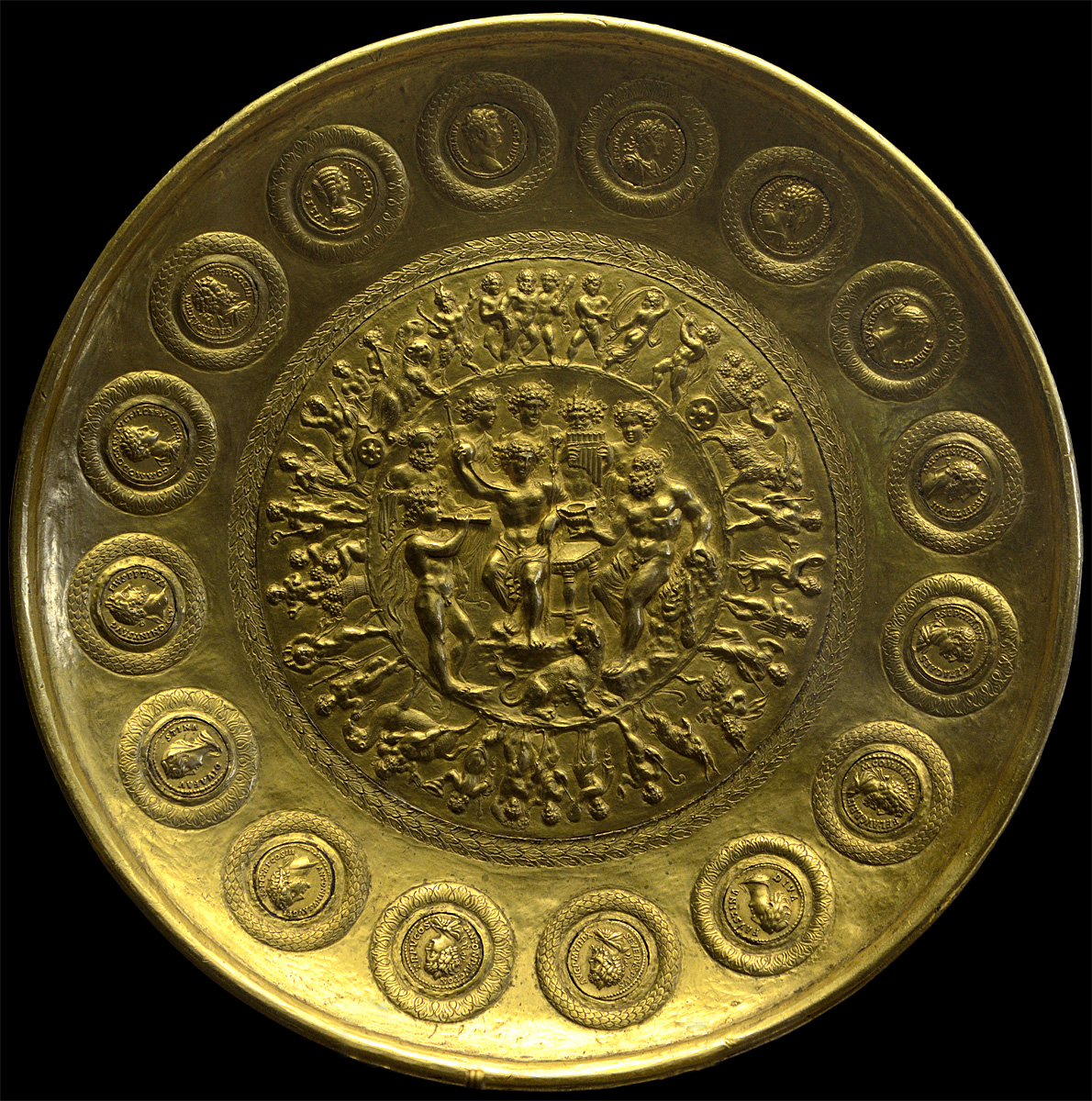
Here is a good article talking about the link between goats and Dionysus, "Patera of Rennes", which analysis the Dionysia scenes depicted on this beautiful Roman gold bowl dated to c. 210 AD. found in France and currently kept in the Bibliothèque nationale de France...


Oh, and why is it Eros who is riding on an ibex goat and holding a thyrsus? Apparently, the Orphics thought that Dionysus was an incarnation of the primordial Eros, the first ruler of the universe...Is this why?

2nd century AD Roman marble sculptured of Dionysus and Eros...


To read more about ancient animal and plant calendar markers, start here…then check the rest of the blog posts related to animal calendar markers I still didn't add to this page, and finally check my twitter threads I still didn't convert to blog post...I am 9 months behind now...

Thursday, 10 November 2022

Skipping

This is one of the best examples of the use of plant calendar markers I have ever seen...Archaic Greek black-figured amphora, found in Etruscan city of Vulci, Italy, and dated to 520BC... 

Currently kept in the British MusemThe main panel depicts, from left to right: 

Hermes

Dionysos holding grapevine with ripe grapes

Leto holding the infants Artemis and Apollo in her arms

Satyr (?) holding long juvenile ivy shoot...

Soooo???

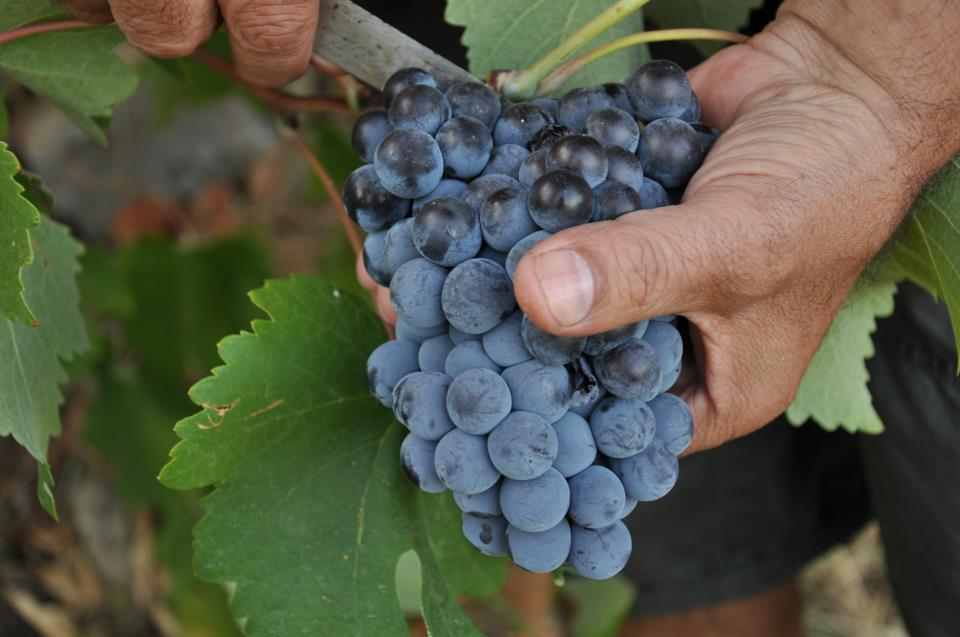
The ripe grape (harvest) season in Greece is autumn, Aug, Sep, Oct...

The common ivy (Hedera helix) is an evergreen which grows throughout the year, but the main growth spurt season in Greece, when it puts out long juvenile shoots, is spring, early summer, Mar, Apr, May...

So the grapes and ivy shoots can be used as plant calendar markers for autumn and spring...And they are held by Dionysus, god of winter, whose plant symbols are grapevine and ivy, and one of his Satyr mates...

So Dionysus and Satyr are, with their plants, marking beginning and the end of winter. And in the middle of winter is midwinter, winter solstice, the time when the new sun, new solar year is born...Which is exactly where Leto stands...

Now remember that Leto gave birth to Artemis first and Apollo second...Which is why Artemis is closer to the grapes, autumn, and Apollo is closer to the ivy, spring...

Amazing, totally amazing...
But wait!!! This could just be a coincidence!!! Just a random jumble of plants, gods and mythological creatures!!! How can you be sure that this depicts winter?

Cause of the other side of the amphora. Of which, we only have the description:

On the other side, we have a scene of a procession: first a Satyr carrying a wineskin, then another Satyr riding a goat, followed by another Satyr slapping the goat's behind, followed by another Satyr dancing...

So?

Well, if there ever was a symbol of winter, it's a goat...Wild goats mate during winter, and are found as symbol of winter throughout Eurasia...

I talked about the link between wild goats and Dionysus in my post about "Patera of Rennes"...

And in Europe, because the Alpine Ibex mating season centres around Winter Solstice, we have this as the winter zodiac...I talked about this in my post "Trentar"...

This all of course fits with the story about the birth of Apollo and swans...When Apollo was born, swans circled over the place where he was born...

The Swans of Apollo were "Singing swans" which "when the singers would sing hymns to Apollo, would join the chant in unison"...The only swans that "sing" are whooper swans...

Which are migratory birds, which are in Greece only during winter...Right on time for winter solstice...You can read about all this in my post "Singers of Apollo"...

So I will stop here for tonight...Hope you enjoyed this...Have a nice evening...

PS: Forgot to wish you all "Sretno Novo Leto" (Happy New Year/Summer)... Apparently the etymology of Leto's name is unknown, possibly "pre Greek"...

To read more about ancient animal and plant calendar markers, start here…then check the rest of the blog posts related to animal calendar markers I still didn't add to this page, and finally check my twitter threads I still didn't convert to blog post...I am 9 months behind now...