Hittite Mountain God Statue electrum (a gold-silver alloy).

The iconography mixes elements of portrayals of the Storm-Gods, and so one can interpret it also as Tarhunza/Teshub (depicted here in his usual short kilt)...

But the scales making the long kilt of the electrum figurine definitely point to a Mountain-God...
Well...
Storm( god)s love mountains...So much so that it is easy to imagine that the storm good actually is (lives on top of) the mountain god...

Sounds familiar? Thunder Gods living on top of mountains?


Two headed eagle normally means eagle mating/nesting season.
Two hares (two of any animal) means hare mating/birthing season.
Apparently of all the eagles living in Anatolia, the biggest hare killers are golden eagles, whose favourite food are hares...
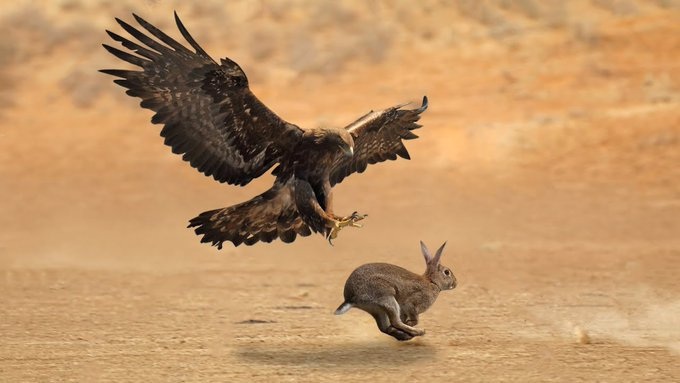
Interestingly, the breeding season of both golden eagles and hares overlap, meaning they are identical animal calendar markers.
Golden eagle mating season is Mar/Apr. It is marked by mad mating ritual flights, known as the sky dance...After which, they do the...you know...

The female lays 1-3 eggs. The incubation period is 41-45 days. This means that the hungry golden eagle chicks are born in Apr/May. They stay in the nest and are fed by their parents (baby hares, their favourite) for about 65 days...

Wild hare mating season is Mar/Apr. It is marked by mad mating (not ritual, real 🙂) fights between an unwilling female and a very very very much willing male... After which, if the male is lucky (or good enough fighter), they do the...you know...

The female gets pregnant with 3 or more babies. The gestation period is 41 to 42 days. Baby hares leave their hole within a week...Which means that from Apr/May the fields are full of baby hares, the favourite food of baby golden eagles...

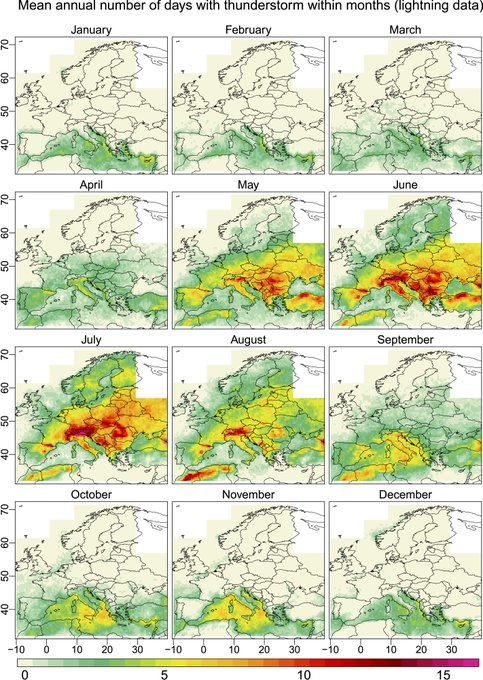
So if you were a Hittite from Anatolia, the best time to see golden eagle killing hare scene was during the summer, starting from Apr/May until Jul/Aug...Which is the peak thunderstorm season in Anatolia...

No comments:
Post a Comment